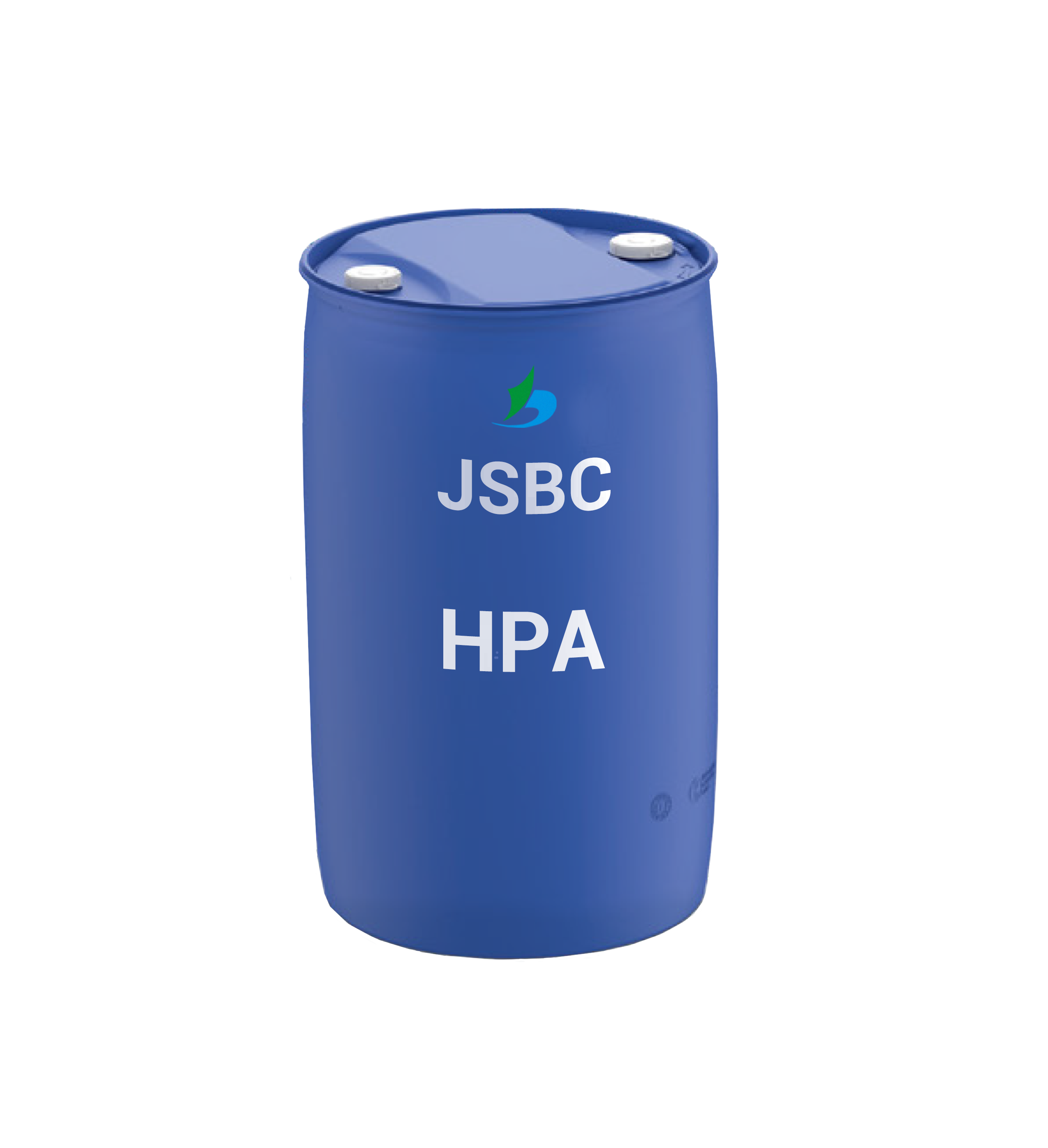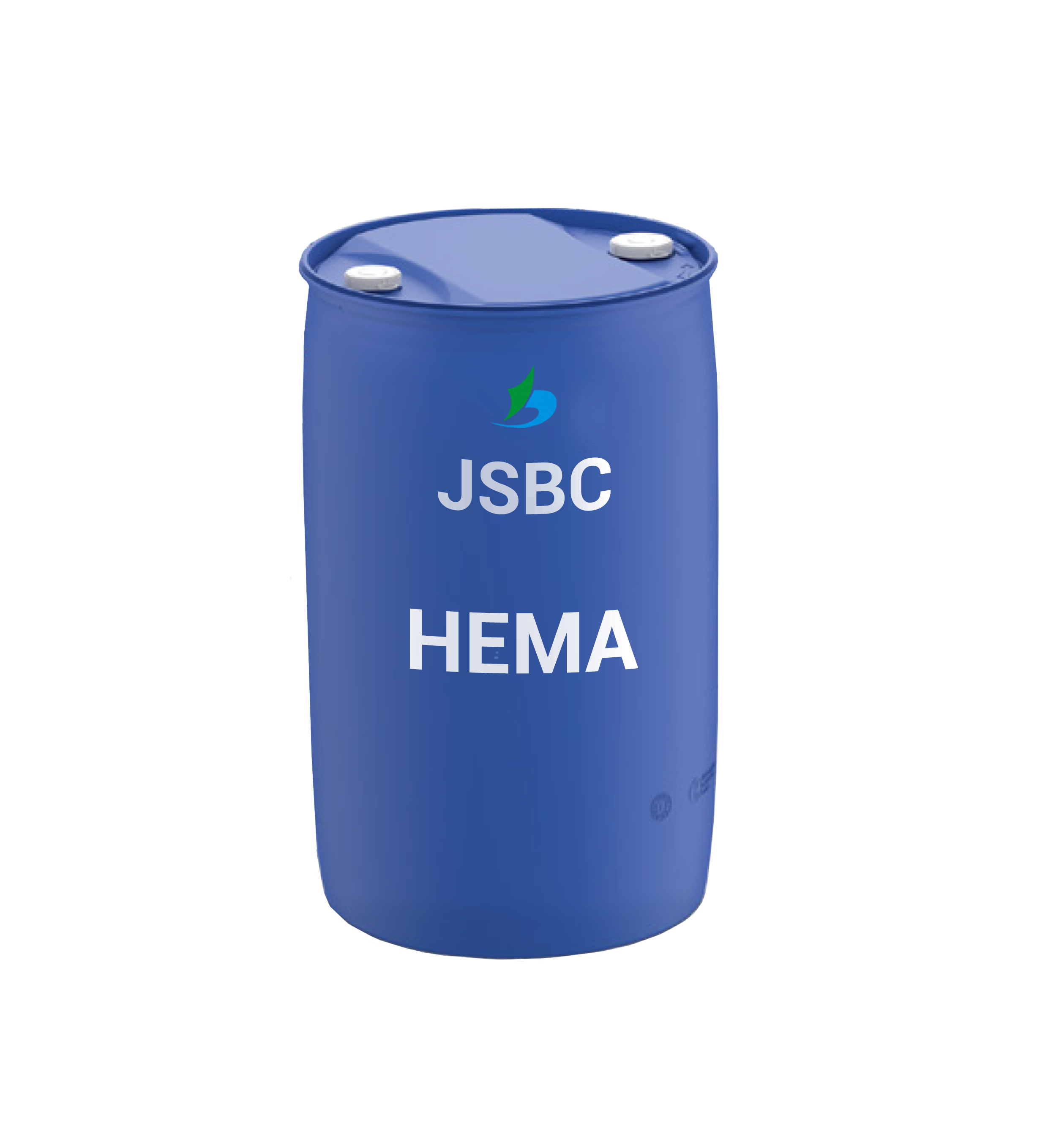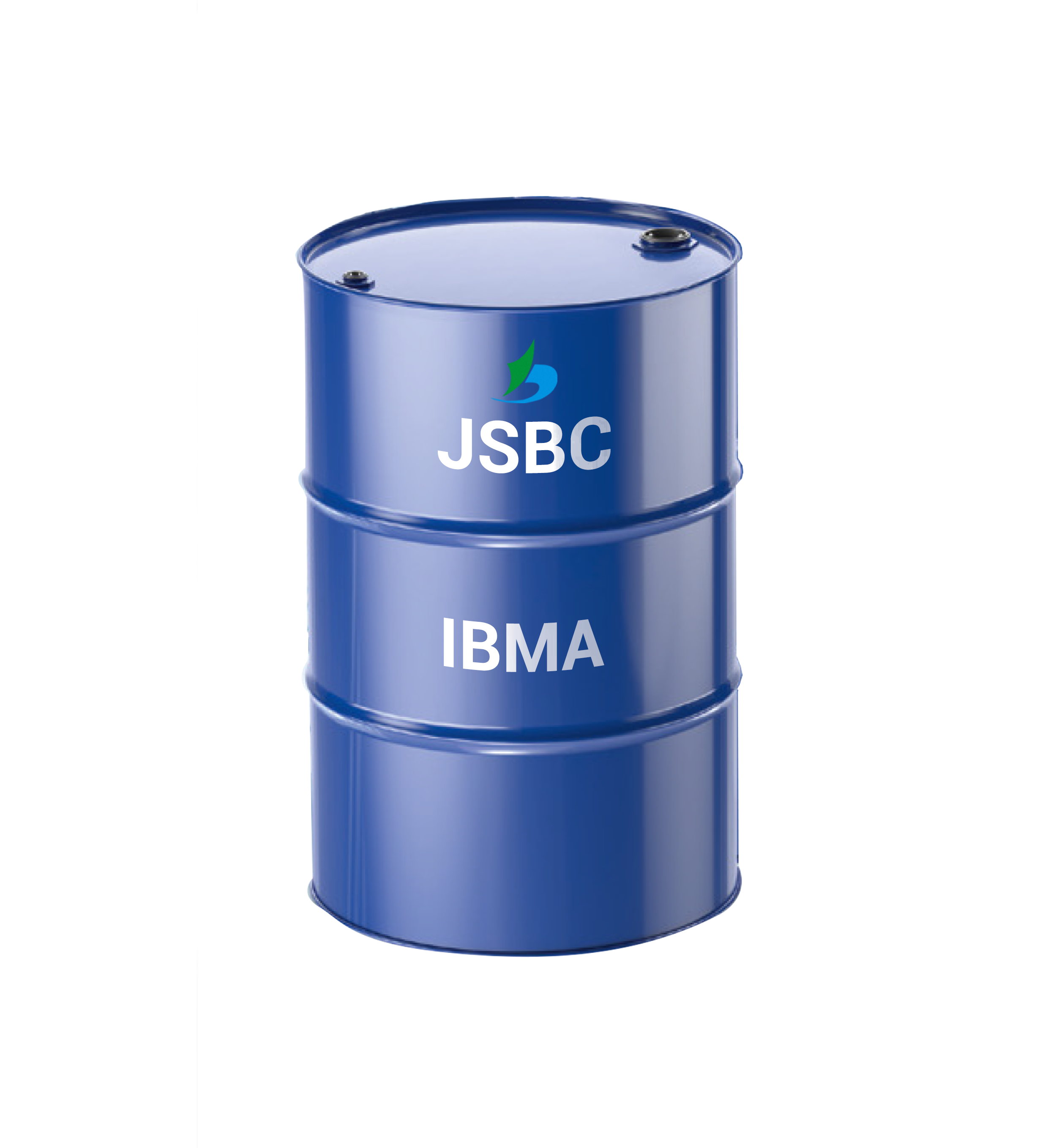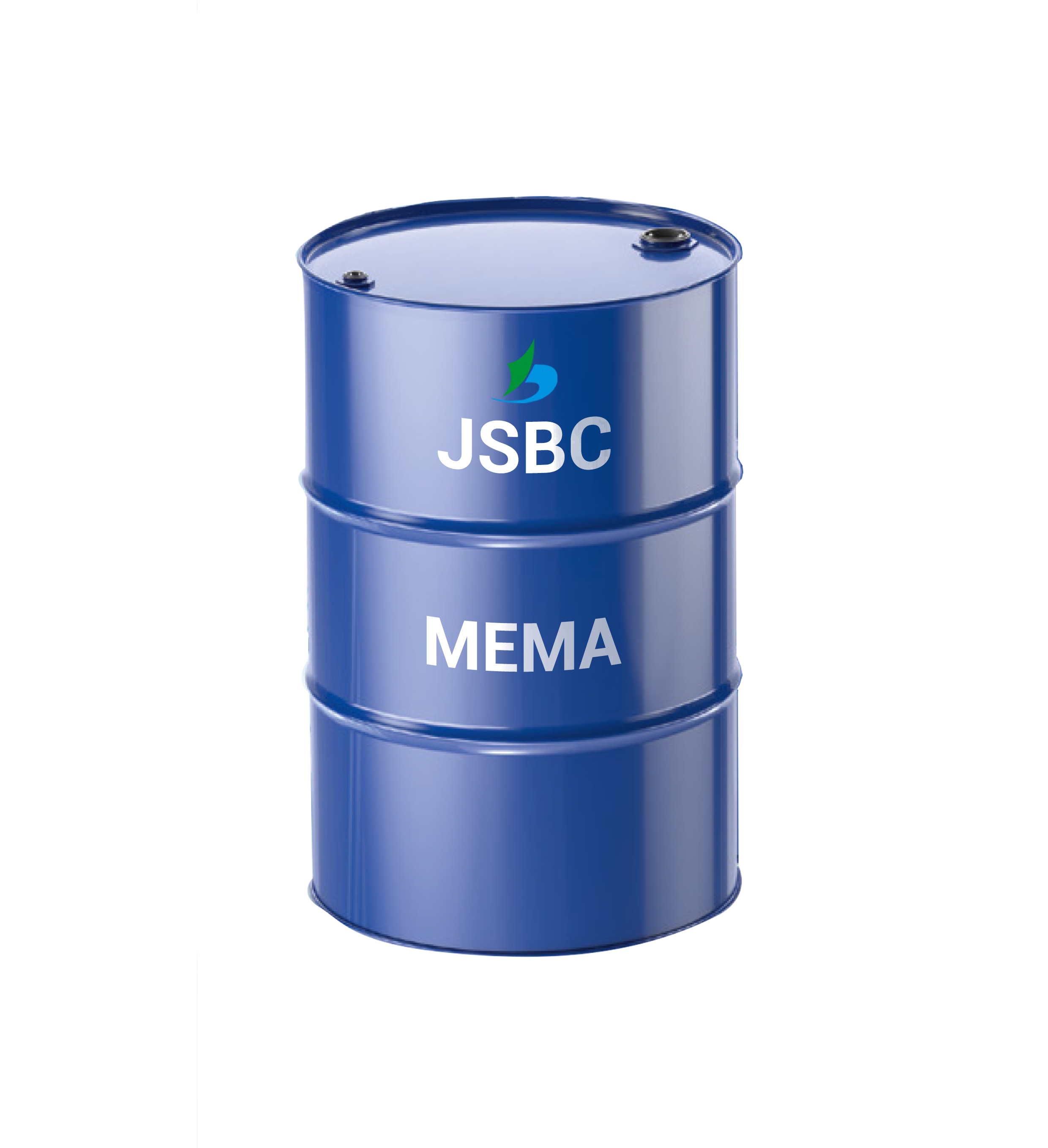







The UV curing industry depends fundamentally on one critical component: high-performance acrylate monomers. These specialized chemical compounds are not simply additives or minor ingredients—they are the foundational building blocks that determine whether UV curing formulations succeed or fail in demanding industrial applications. When manufacturers develop coatings, adhesives, inks, or resins for rapid production environments, the quality and specificity of their acrylate monomers directly influence cure speed, material durability, surface finish, and overall product performance. Understanding why tailored acrylate monomers have become the absolute core of innovation in this sector reveals critical insights into modern material science and industrial manufacturing strategy.
Tailored acrylate monomers represent a leap beyond conventional formulation approaches because they address the precise technical demands of each specific application rather than applying generic solutions to diverse problems. In UV curing industries, where production speed, energy efficiency, and quality consistency matter intensely, the molecular structure of acrylate monomers determines photopolymerization behavior, crosslink density, and final material properties. By customizing acrylate monomers at the molecular level, manufacturers can achieve faster cure times, improved adhesion, superior mechanical strength, and enhanced environmental resistance—all critical factors that influence profitability and market competitiveness.
The photoinitiation process in UV curing depends entirely on how effectively acrylate monomers respond to ultraviolet light energy. When UV light strikes a photoinitiator molecule, it generates free radicals that attack the carbon-carbon double bonds within acrylate monomers, triggering rapid polymerization. The molecular structure of acrylate monomers—specifically the position, density, and reactivity of these double bonds—directly controls how quickly this chain reaction propagates through the formulation. Tailored acrylate monomers are engineered with optimized functional group placement, allowing photons to initiate crosslinking reactions with maximum efficiency. This precision means manufacturers can reduce UV lamp intensity, shorten exposure times, or increase line speed without sacrificing cure quality. In high-speed printing, coating, and adhesive applications where production throughput drives profitability, the right acrylate monomers compress production cycles by 20–40%, delivering substantial competitive advantage.
Beyond initial cure speed, the final properties of UV-cured materials depend on how thoroughly acrylate monomers crosslink into a stable polymer network. Tailored acrylate monomers are formulated to achieve precise crosslink densities that balance hardness, flexibility, chemical resistance, and adhesion. Monofunctional acrylate monomers provide mobility and soft feel; bifunctional acrylate monomers create moderate crosslinking; and polyfunctional acrylate monomers deliver dense, rigid networks for high-durability applications. Industrial designers select specific acrylate monomers based on these functional properties, knowing that the wrong choice compromises long-term performance. Environmental exposure—including UV light, moisture, thermal cycling, and chemical solvents—rapidly degrades inadequately formulated acrylate monomers, causing yellowing, brittleness, or adhesion failure. Tailored acrylate monomers are optimized to resist these degradation pathways, ensuring that coatings, adhesives, and resins maintain performance across years or decades of service life.
The coating industry represents one of the largest consumers of acrylate monomers, yet coating demands vary enormously across segments. Automotive clear coats require acrylate monomers that cure rapidly, resist scratching, and maintain gloss under harsh environmental conditions. Wood floor coatings need acrylate monomers that penetrate substrate fibers, offer safety traction, and withstand foot traffic for years. Marine protective coatings demand acrylate monomers with exceptional salt spray resistance and flexibility under thermal stress. Each application category requires distinct acrylate monomer formulations; generic or off-the-shelf acrylate monomers inevitably underperform in specialized environments. Manufacturers who invest in tailored acrylate monomers designed specifically for their market segment gain consistency, customer satisfaction, and pricing power. This specialization has become so critical that coating producers increasingly partner with acrylate monomer suppliers during product development to co-engineer solutions rather than accepting commodity-grade ingredients.
Adhesive and sealant applications impose particularly stringent demands on acrylate monomers because failures can result in safety hazards, product recalls, or structural damage. Medical device manufacturers require acrylate monomers that cure reliably without toxic residues and maintain biocompatibility. Electronics manufacturers need acrylate monomers that provide precise viscosity, rapid cure, and thermal stability during high-temperature assembly processes. Construction sealants demand acrylate monomers that remain flexible after cure, resist weathering, and bond to diverse substrates. The complexity of these requirements explains why adhesive formulators maintain close relationships with specialty acrylate monomer producers. Tailored acrylate monomers enable adhesive manufacturers to differentiate products, meet emerging regulatory requirements, and solve customer-specific challenges that commodity products cannot address. This dynamic continuously drives innovation, creating ongoing opportunities for acrylate monomer manufacturers who invest in R&D and technical support.
Global regulatory frameworks increasingly restrict volatile organic compounds, formaldehyde emissions, and hazardous substance content in UV-curable formulations. These regulations directly constrain which acrylate monomers manufacturers can use, forcing continuous innovation in low-VOC and zero-VOC acrylate monomer chemistry. Tailored acrylate monomers that minimize fugitive emissions while maintaining cure performance have become essential competitive tools in regulated markets like Europe, North America, and increasingly Asia. Manufacturers who develop compliant acrylate monomers gain market access in premium segments willing to pay price premiums for regulatory alignment. Conversely, producers locked into legacy acrylate monomer formulations face market contraction as customers migrate toward compliant alternatives. This regulatory-driven innovation cycle ensures that acrylate monomers remain at the absolute center of industry transformation, not as static commodities but as continuously evolving materials that balance performance with environmental responsibility.
Beyond regulatory compliance, market pressures for sustainability are reshaping how manufacturers think about acrylate monomers. Bio-based acrylate monomers derived from renewable feedstocks represent a growing segment as customers demand reduced carbon footprints. Additionally, acrylate monomers that enable recyclable or compostable end products are attracting investment from major consumer brands and industrial producers. Specialized acrylate monomers that reduce cure energy requirements or eliminate post-cure solvent washing deliver operational sustainability alongside environmental benefits. These developments demonstrate that acrylate monomers have evolved beyond simple chemical commodities into strategic materials that address comprehensive sustainability goals. Companies that lead in sustainable acrylate monomer innovation secure long-term customer loyalty and premium market positioning.
Tailored acrylate monomers are engineered for specific application requirements, delivering faster cure times, improved adhesion, better durability, and superior environmental resistance. Standard formulations represent compromises that work adequately across many applications but excel in none. Custom acrylate monomers allow manufacturers to optimize every molecular characteristic—cure speed, crosslink density, flexibility, hardness, and chemical resistance—for their precise end-use, resulting in superior product performance and competitive advantage. This customization directly translates to reduced production costs, improved customer satisfaction, and stronger market differentiation.
While high-performance acrylate monomers often carry higher per-unit costs than commodity alternatives, their total cost impact is typically favorable when considering operational efficiency. Optimized acrylate monomers enable faster production cycles, reduced UV lamp energy consumption, and fewer cure-related defects, offsetting material cost premiums. Additionally, superior durability reduces warranty claims and product returns. In high-volume production environments, these operational savings often deliver 15–25% total cost reductions despite higher raw material expenses for tailored acrylate monomers. Strategic producers view acrylate monomer investment not as a cost center but as a profitability lever.
Effective acrylate monomer selection requires evaluating cure speed requirements, final product performance specifications, substrate compatibility, environmental conditions, regulatory constraints, and supply chain reliability. Manufacturers should engage directly with acrylate monomers suppliers during development to explore tailored solutions rather than accepting standard grades. Technical trials should validate cure performance, adhesion, durability, and regulatory compliance before full-scale production commitment. Establishing long-term supplier partnerships ensures consistent supply of specialized acrylate monomers and continued access to technical support as market demands evolve.
 Hot News
2026-09-07
2026-09-28
2026-09-21
2026-09-14
2026-09-07
2026-09-01



 EN
EN