



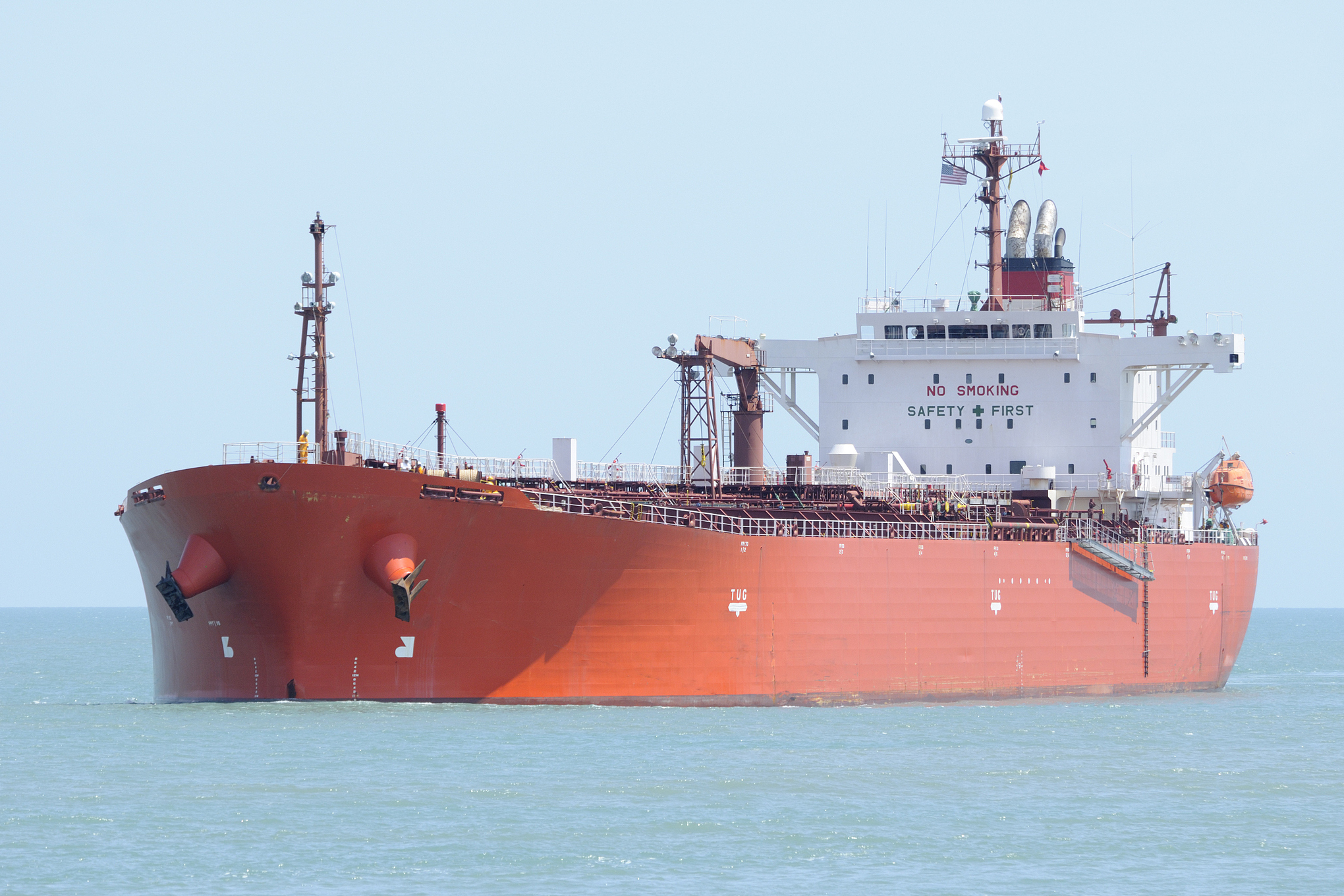
Coating performance directly impacts product durability, aesthetic appeal, and operational lifespan across automotive, construction, and industrial applications. Among the chemical building blocks that define modern coating technology, acrylic acid stands out as a critical monomer that influences adhesion, weather resistance, flexibility, and chemical stability. Understanding how to leverage acrylic acid effectively in coating formulations enables manufacturers to achieve superior performance metrics while optimizing production costs and meeting stringent environmental regulations. This article explores the practical strategies, formulation principles, and application techniques that unlock the full potential of acrylic acid in coating systems.
Maximizing coating performance with acrylic acid requires a systematic approach that addresses polymer architecture, copolymer selection, crosslinking chemistry, and application parameters. The monomer's carboxylic acid functionality provides unique opportunities for tailoring coating properties through controlled polymerization, pH adjustment, and post-application curing mechanisms. By understanding the molecular interactions between acrylic acid and other coating components, formulators can design systems that deliver exceptional hardness, gloss retention, UV resistance, and substrate adhesion. The following sections detail the technical considerations and practical methods that transform acrylic acid from a raw material into a performance-driving component of advanced coating technologies.
The molecular structure of acrylic acid features a vinyl group and a carboxylic acid group, creating a bifunctional monomer that participates in both radical polymerization and acid-base reactions. This dual functionality enables acrylic acid to serve as a reactive diluent, crosslinking site, and adhesion promoter within coating formulations. The carboxylic acid group forms hydrogen bonds with substrates and other polymer chains, enhancing intermolecular forces that translate to improved mechanical strength and substrate wetting. When incorporated into copolymer backbones, acrylic acid units provide polar sites that facilitate pigment dispersion, reduce surface tension, and enable water-based formulation development.
The reactivity ratio of acrylic acid with common comonomers such as methyl methacrylate, butyl acrylate, and styrene determines the statistical distribution of acid groups along the polymer chain. Random copolymers exhibit different performance profiles compared to block or gradient architectures, with acid group clustering affecting properties like water sensitivity, alkali solubility, and crosslinking density. Controlling the polymerization conditions, including temperature, initiator selection, and monomer feed strategy, allows formulators to engineer specific molecular weight distributions and compositional gradients that optimize coating performance for targeted applications.
Solution polymerization, emulsion polymerization, and bulk polymerization represent the primary methods for incorporating acrylic acid into coating resins, each offering distinct advantages for performance optimization. Emulsion polymerization produces latex dispersions with controlled particle size, enabling low-VOC waterborne coatings that maintain high solids content while offering excellent flow and leveling. The surfactant package and polymerization temperature influence particle morphology, which subsequently affects film formation, gloss development, and mechanical properties. Proper selection of emulsifiers and protective colloids ensures colloidal stability across pH ranges while minimizing foam formation during application.
Solution polymerization in organic solvents enables higher molecular weight polymers with broader compositional control, suitable for solvent-borne industrial coatings requiring exceptional chemical resistance and hardness. The choice of solvent affects chain transfer reactions, monomer reactivity ratios, and polymer solubility, directly impacting the final coating's viscosity profile and application characteristics. Incorporating acrylic acid at specific feed points during polymerization creates functional gradients that concentrate acid groups at particle surfaces or chain ends, enhancing specific properties such as substrate adhesion or post-crosslinking reactivity without compromising bulk film properties.
The degree of neutralization of acrylic acid groups fundamentally alters coating rheology, storage stability, and application behavior. Partial neutralization with volatile amines such as ammonia or dimethylethanolamine converts acidic polymers into water-dispersible systems with controllable viscosity profiles. The neutralization level affects the electrostatic repulsion between polymer chains, influencing latex stability, thickening efficiency, and pH sensitivity. Selecting the appropriate neutralizing agent based on volatility, odor, and environmental acceptability ensures that coatings maintain proper flow during application while developing optimal film properties upon drying and amine evaporation.
Strategic partial neutralization creates amphiphilic polymer structures that function as effective polymeric surfactants, reducing the need for conventional emulsifiers that can compromise water resistance and adhesion. The pH-responsive nature of acrylic acid groups enables formulation of coatings that exhibit shear-thinning behavior during application and rapid viscosity recovery after application, minimizing sagging on vertical surfaces. Understanding the equilibrium between protonated and deprotonated acid groups across different pH ranges allows formulators to design coatings with optimal open time, wet edge maintenance, and coalescence behavior for specific application methods including spray, roller, and brush techniques.
The hydrophilic nature of acrylic acid groups creates a fundamental formulation challenge: incorporating sufficient acid functionality to achieve adhesion and dispersibility while maintaining the hydrophobic character necessary for water resistance and durability. Excessive acrylic acid content increases water sensitivity, potentially causing blushing, poor wet adhesion, and reduced corrosion resistance in protective coating applications. The optimal acid content typically ranges from two to eight percent by weight in the polymer composition, depending on the specific performance requirements and the hydrophobicity of other comonomers in the formulation.
Copolymerization with hydrophobic monomers such as butyl acrylate, 2-ethylhexyl acrylate, or styrene provides the necessary balance between acid functionality and water repellency. The glass transition temperature and minimum film formation temperature of the resulting copolymer must align with application requirements and service conditions. Higher acrylic acid levels enable lower minimum film formation temperatures through plasticization effects, but this must be balanced against potential tackiness and dirt pickup in the final coating. Advanced formulation strategies employ core-shell latex particles with acrylic acid concentrated in the shell layer, providing surface functionality for adhesion while maintaining a hydrophobic core for water resistance.
The carboxylic acid groups in acrylic acid-based polymers serve as reactive sites for various crosslinking mechanisms that dramatically enhance coating durability, chemical resistance, and thermal stability. Multivalent metal ions such as zinc, zirconium, or aluminum form ionic crosslinks with acid groups, creating thermally reversible networks that improve hardness and solvent resistance. The crosslinking density must be optimized to enhance performance without creating brittle films prone to cracking under thermal cycling or substrate movement. Proper stoichiometry between acid groups and crosslinking agents ensures complete reaction while avoiding excessive network rigidity.
Epoxy-functional crosslinkers react with acrylic acid groups through ring-opening addition reactions, forming covalent ester linkages that provide permanent crosslinks with excellent chemical and UV resistance. Multifunctional epoxides, glycidyl ethers, and oxazolines represent common crosslinking agents compatible with acrylic acid systems, offering varying reactivity profiles and pot life characteristics. Catalysts such as tertiary amines or imidazoles accelerate the crosslinking reaction, enabling lower cure temperatures or shorter cure cycles in industrial coating processes. The crosslink density achieved through proper formulation of acrylic acid content, crosslinker stoichiometry, and cure conditions determines final coating properties including hardness, flexibility, adhesion, and environmental resistance.
Acrylic acid groups function as effective pigment dispersants through multiple mechanisms including electrostatic stabilization, steric hindrance, and acid-base interactions with pigment surfaces. The carboxylic acid functionality adsorbs onto pigment particles, creating a charged polymer layer that prevents flocculation and settling during storage. This dispersing capability reduces the need for additional dispersing agents, simplifying formulations and improving long-term stability. The acid group concentration must be sufficient to provide complete pigment surface coverage while maintaining proper rheology and application properties.
Titanium dioxide, iron oxide, and other inorganic pigments exhibit improved dispersion stability in acrylic acid copolymer systems compared to non-functional acrylic polymers. The interaction between acid groups and metal oxide surfaces creates strong adsorption that withstands pH changes, temperature variations, and long storage periods. Proper neutralization strategies ensure that the polymer maintains sufficient charge density to stabilize pigments while avoiding excessive viscosity that impairs pigment wetting and grinding efficiency. Incorporating acrylic acid into the polymer backbone eliminates the migration and volatility issues associated with small-molecule dispersants, ensuring consistent coating performance throughout the product lifecycle.
The adhesion-promoting properties of acrylic acid become fully effective only when applied over properly prepared substrates with appropriate surface energy, cleanliness, and chemical compatibility. Metal substrates require degreasing, mechanical abrading, or chemical conversion coating to remove contaminants and create reactive surface sites. The acid groups in acrylic acid-based coatings form chemical bonds with metal oxides and hydroxides, but surface contamination from oils, release agents, or oxidation products blocks these interactions. Proper surface preparation protocols including solvent wiping, alkaline cleaning, or phosphating ensure maximum acid-substrate interaction and long-term adhesion performance.
Plastic and composite substrates present different surface chemistry requiring tailored approaches to maximize acrylic acid effectiveness. Corona treatment, plasma treatment, or flame treatment increases surface energy and creates polar functional groups that interact favorably with acrylic acid units. The acid functionality provides excellent adhesion to polyolefins, polyesters, and engineering plastics when surface preparation activates bonding sites. Formulating primers with elevated acrylic acid content specifically for difficult-to-bond substrates creates an interfacial layer that bridges the surface energy gap between substrate and topcoat, ensuring system-wide adhesion integrity.
The film formation process in acrylic acid-containing latex coatings involves water evaporation, particle deformation, polymer interdiffusion, and potential chemical crosslinking. The presence of acid groups influences each stage through effects on particle surface charge, polymer mobility, and interfacial tension. Proper coalescent selection ensures that particles deform and fuse at application temperatures while the resulting film develops optimal mechanical properties. Volatile coalescents evaporate during drying, increasing the glass transition temperature and hardness of the final film without leaving plasticizing residues that compromise long-term performance.
Neutralization level affects film formation kinetics by altering the ionic strength and osmotic pressure within drying films. Higher neutralization increases the concentration of counter-ions that must diffuse from the film during drying, potentially slowing coalescence and creating residual porosity. Balancing neutralization level against coalescence requirements ensures that films achieve full density and optical clarity while maintaining storage stability and application rheology. Post-application pH changes as volatile amines evaporate can trigger additional crosslinking reactions or structural reorganization that enhances final coating properties beyond those measured immediately after drying.
Designing multi-layer coating systems that incorporate acrylic acid requires attention to interlayer adhesion, compatibility, and potential chemical interactions between successive layers. Acid groups in basecoats can react with functional groups in subsequent layers, creating chemical bonding that enhances delamination resistance and impact performance. Proper recoat windows ensure that underlying layers have advanced sufficiently in cure to avoid solvent attack or re-emulsification while retaining sufficient surface reactivity for bonding. Clearcoats formulated with complementary crosslinking chemistry bond effectively to acrylic acid-rich basecoats through acid-epoxy or acid-hydroxyl reactions.
UV-curable topcoats applied over acrylic acid-based primers benefit from the acid functionality through enhanced wetting and mechanical interlocking created by proper surface roughness and polarity. The acid groups do not typically interfere with radical-initiated UV cure mechanisms but may participate in subsequent dark cure reactions involving cationic species. System testing under actual application conditions reveals potential incompatibilities such as adhesion loss, color shift, or gloss reduction that require formulation adjustment. Properly designed multi-layer systems leverage acrylic acid functionality in primers and basecoats to create strong interfacial zones that distribute mechanical stress and prevent delamination under service conditions.
Quantifying the adhesion performance delivered by acrylic acid incorporation requires standardized testing protocols including cross-hatch adhesion, pull-off testing, and peel strength measurement. Cross-hatch adhesion testing per ASTM D3359 provides rapid assessment of coating-substrate bonding by evaluating resistance to tape removal after scribing. Results from 5B (no detachment) to 0B (complete removal) indicate the effectiveness of acrylic acid content and application parameters. Systematic variation of acid content, neutralization level, and cure conditions identifies optimal formulation parameters for specific substrate-coating combinations.
Pull-off adhesion testing measures the tensile force required to separate coating from substrate, providing quantitative data for comparing formulations and validating performance improvements attributed to acrylic acid optimization. Failure mode analysis distinguishes cohesive failure within coating layers from adhesive failure at interfaces, revealing whether performance limitations arise from insufficient acid functionality, inadequate crosslinking, or substrate preparation deficiencies. Environmental exposure testing including humidity aging, salt spray, and thermal cycling stresses the acid-mediated adhesion mechanisms, identifying potential degradation pathways that require formulation modification or protective overcoat application.
Chemical resistance testing validates that crosslinking reactions involving acrylic acid groups have proceeded to completion and created network structures resistant to solvents, acids, bases, and cleaning agents. Spot testing with aggressive solvents such as methyl ethyl ketone, acetone, or xylene reveals the degree of crosslinking achieved, with properly cured networks showing minimal swelling or softening. Immersion testing in aqueous solutions across pH ranges from acidic to alkaline quantifies the stability of ionic crosslinks and identifies potential hydrolysis pathways that degrade performance over time.
Accelerated weathering testing using QUV or xenon arc exposure simulates years of outdoor service in compressed timeframes, revealing the UV stability and moisture resistance conferred by acrylic acid-based formulations. Gloss retention, color stability, and chalk resistance measurements track coating degradation, with properly formulated systems maintaining performance metrics above critical thresholds for extended exposure periods. Outdoor exposure testing in diverse climates validates laboratory results and identifies geographic-specific degradation mechanisms requiring formulation adjustment. Comparing performance between high and low acrylic acid content formulations quantifies the contribution of acid functionality to overall durability.
Rheological characterization of acrylic acid-containing coatings reveals how acid content and neutralization affect flow behavior, sag resistance, and leveling characteristics. Viscosity measurements across shear rates from static to high-shear application conditions identify shear-thinning behavior that facilitates spray application while preventing sagging on vertical surfaces. The yield stress imparted by acid group interactions provides structure that suspends pigments and prevents settling while breaking down under application shear for smooth, uniform film deposition.
Temperature-dependent viscosity profiling ensures that coatings maintain proper application characteristics across seasonal temperature variations and heated application scenarios. The thixotropic recovery rate after shear indicates how quickly coatings regain structure after application, affecting properties such as edge coverage, film build uniformity, and defect formation. Proper formulation of acrylic acid content, neutralization level, and thickener selection creates rheology profiles optimized for specific application methods including airless spray, HVLP spray, roller application, or curtain coating. Quality control protocols that monitor pH, viscosity, and solids content ensure batch-to-batch consistency in coating performance.
For exterior architectural coatings, the optimal acrylic acid content typically ranges from three to six percent by weight in the polymer composition, balancing adhesion performance with water resistance requirements. This level provides sufficient acid functionality to achieve excellent substrate bonding, pigment dispersion, and alkali resistance while maintaining the hydrophobic character necessary for moisture protection and durability under weathering exposure. Higher acid contents may be employed in primer formulations where adhesion takes priority over topcoat water resistance, while lower levels suit topcoats requiring maximum moisture barrier properties.
Acrylic acid improves adhesion to metal substrates through multiple complementary mechanisms including hydrogen bonding with surface hydroxyl groups, ionic interaction with metal oxide layers, and formation of coordination complexes with metal ions at the interface. The carboxylic acid groups displace weakly bound contaminants and water molecules from metal surfaces, creating direct polymer-substrate contact. Upon drying and curing, these acid groups form stable chemical bonds with the metal oxide layer, creating adhesion that resists environmental degradation, humidity exposure, and thermal cycling significantly better than purely mechanical interlocking.
Yes, acrylic acid-based coatings can be formulated as zero-VOC systems by utilizing waterborne latex technology, selecting low-VOC coalescents or coalescent-free formulations, and employing volatile amine neutralizers that evaporate below regulatory VOC thresholds. The acid functionality actually facilitates zero-VOC formulation by enabling water dispersibility without organic solvents, providing internal coalescence through polymer design rather than external coalescent addition, and creating pH-responsive rheology that reduces the need for solvent-based rheology modifiers. Proper polymer architecture with optimized glass transition temperature and particle morphology enables film formation at ambient temperatures without requiring traditional coalescent solvents.
Multifunctional epoxides, aziridines, carbodiimides, and metal-based crosslinkers demonstrate exceptional effectiveness with acrylic acid in industrial coating formulations. Epoxy-functional crosslinkers provide covalent ester linkages with excellent chemical and solvent resistance, suitable for high-performance applications requiring maximum durability. Aziridine crosslinkers offer rapid cure at ambient or modestly elevated temperatures with outstanding adhesion to difficult substrates. Carbodiimide chemistry enables room-temperature crosslinking in one-component systems with extended pot life. Zirconium and zinc-based crosslinkers create ionic networks particularly effective in corrosion-resistant primers and automotive coatings, delivering a balance of flexibility, hardness, and environmental resistance tailored to specific application demands.
 Hot News
2026-10-15
2026-10-12
2026-10-08
2026-09-07
2026-09-28
2026-09-21



 EN
EN