









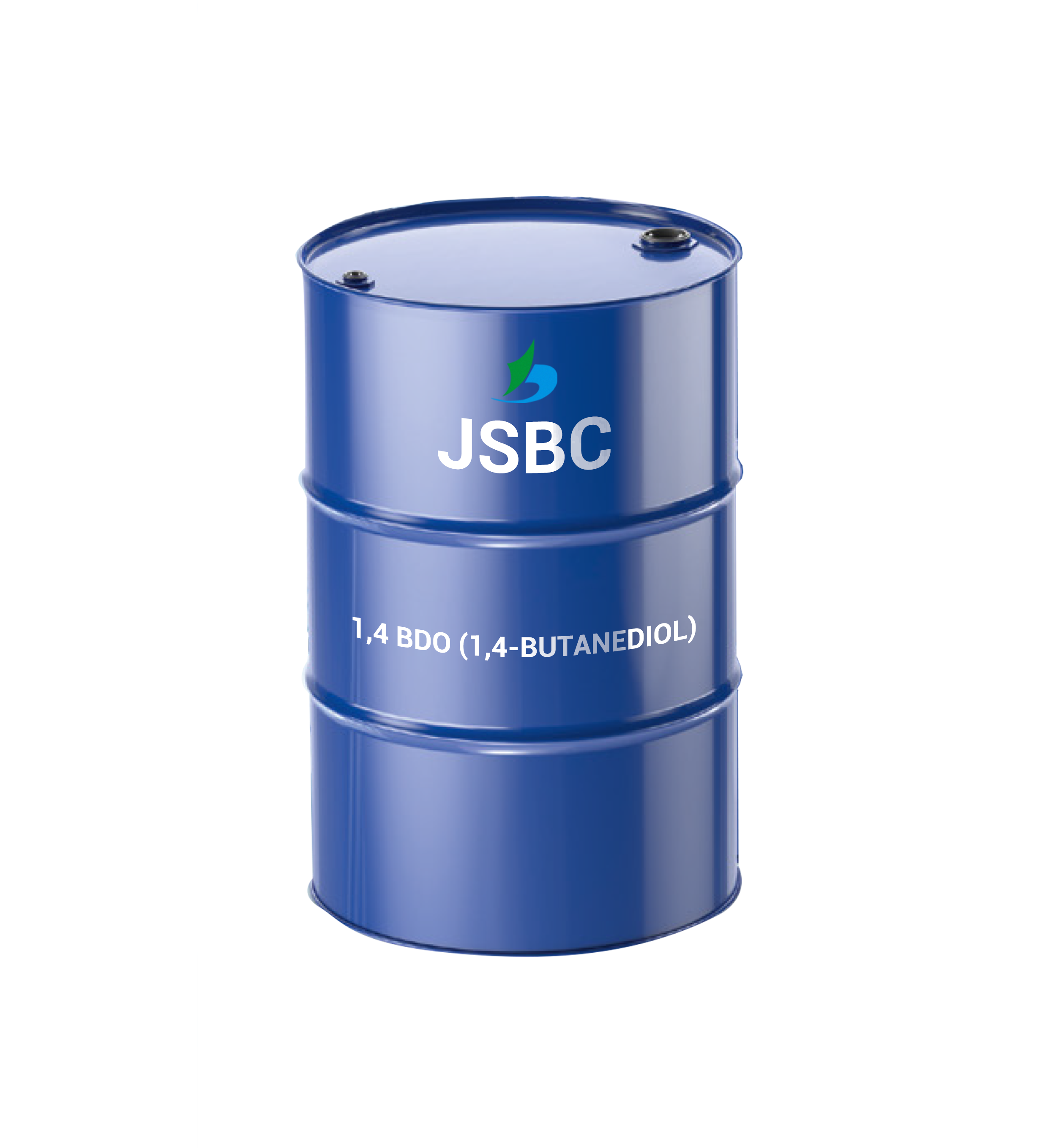
High-strength adhesive formulations demand precision in molecular architecture to deliver exceptional mechanical properties, thermal stability, and chemical resistance. Among the critical raw materials used to engineer these performance characteristics, short-chain diols chain extenders play a pivotal role in controlling polymer chain structure and optimizing intermolecular forces. Unlike long-chain alternatives, short-chain diols such as 1,4-butanediol (BDO), ethylene glycol, and 1,6-hexanediol contribute to the formation of hard segments in polyurethane and polyester adhesive systems, directly influencing tensile strength, cohesive energy density, and overall adhesive integrity. For formulators seeking to maximize bond durability under mechanical stress and environmental exposure, understanding why short-chain diols chain extenders are the preferred choice is essential to achieving reliable, high-performance adhesive solutions.
The selection of chain extenders fundamentally determines the microstructure of segmented polymer networks, which in turn dictates adhesive performance. Short-chain diols chain extenders produce compact, crystalline hard domains that enhance load-bearing capacity and resist creep deformation. This structural advantage becomes particularly important in adhesive applications requiring sustained cohesive strength under dynamic loading or elevated temperatures. Furthermore, the shorter molecular length of these diols enables tighter packing of polymer chains, increasing glass transition temperature and improving dimensional stability. By choosing short-chain diols chain extenders, formulators can engineer adhesive systems that maintain their mechanical integrity across demanding industrial, automotive, and construction applications where failure is not an option.
The molecular weight and chain length of diol extenders are critical determinants of phase separation in segmented polymers. Short-chain diols chain extenders, typically containing two to six carbon atoms, facilitate the formation of distinct hard segments when reacted with diisocyanates. These hard segments aggregate into crystalline or semi-crystalline domains that act as physical crosslinks, providing structural reinforcement to the adhesive matrix. In contrast, longer-chain diols promote softer, more flexible segments that reduce tensile strength and modulus. The compact structure of short-chain diols chain extenders allows for efficient hydrogen bonding between urethane or ester linkages, creating a robust three-dimensional network that resists mechanical deformation.
Phase separation efficiency directly correlates with the degree of incompatibility between hard and soft segments. Short-chain diols chain extenders enhance this incompatibility by maximizing the polarity difference and crystallinity of hard domains. When 1,4-butanediol is used as a chain extender in thermoplastic polyurethane adhesives, for example, the resulting hard segments exhibit sharp melting transitions and high crystalline order. This microstructural organization translates to superior cohesive strength and improved resistance to solvent swelling. Formulators leveraging short-chain diols chain extenders can achieve adhesive systems with precisely controlled mechanical properties tailored to specific application requirements.
The hydroxyl groups in short-chain diols chain extenders participate in extensive hydrogen bonding networks that stabilize polymer structure and enhance adhesive performance. These secondary interactions contribute significantly to the cohesive energy density of the cured adhesive, improving its ability to withstand shear and peel forces. The proximity of functional groups in short-chain molecules allows for denser hydrogen bonding compared to long-chain alternatives, resulting in higher glass transition temperatures and better thermal stability. This molecular-level reinforcement is particularly valuable in adhesive formulations intended for high-temperature service environments.
Beyond hydrogen bonding, short-chain diols chain extenders influence dipole-dipole interactions and van der Waals forces within the polymer matrix. The shorter chain length reduces conformational entropy, promoting ordered chain packing and crystallization kinetics. These effects combine to produce adhesive films with excellent mechanical strength, dimensional stability, and resistance to environmental degradation. For applications requiring sustained performance under cyclic loading or thermal cycling, the molecular architecture enabled by short-chain diols chain extenders provides a decisive advantage over formulations relying on longer-chain extenders.
Adhesive strength fundamentally depends on the ability of the polymer matrix to resist deformation and fracture under applied stress. Short-chain diols chain extenders directly enhance tensile strength by increasing hard segment content and crystallinity. When incorporated into polyurethane or polyester adhesive formulations, these extenders promote the formation of rigid, load-bearing domains that distribute stress efficiently across the bonded interface. Empirical studies demonstrate that adhesives formulated with short-chain diols chain extenders exhibit tensile strengths 30 to 50 percent higher than comparable systems using long-chain alternatives, particularly when tested at elevated temperatures or under sustained loading conditions.
The modulus of elasticity, which measures a material's resistance to elastic deformation, is similarly improved by the use of short-chain diols chain extenders. Higher modulus values indicate stiffer adhesive films that maintain dimensional stability and resist creep. This property is essential in structural bonding applications where joint integrity must be preserved under continuous mechanical stress. The compact molecular structure of short-chain diols chain extenders minimizes chain mobility and enhances the rigidity of the polymer network, resulting in adhesive systems that perform reliably in demanding industrial environments.
Cohesive failure, which occurs within the adhesive layer itself rather than at the adhesive-substrate interface, is a common mode of bond failure in high-stress applications. Short-chain diols chain extenders mitigate this risk by strengthening the internal structure of the adhesive matrix. The crystalline hard segments formed by these extenders act as reinforcing phases that prevent crack propagation and resist cohesive fracture. This structural reinforcement is particularly important in adhesive joints subjected to impact loading, vibration, or thermal shock, where internal cohesion must be maximized to prevent catastrophic failure.
Long-term durability of adhesive bonds depends on the polymer's ability to resist environmental degradation, including hydrolysis, oxidation, and solvent attack. Short-chain diols chain extenders contribute to enhanced chemical resistance by increasing the crosslink density and reducing the free volume within the polymer matrix. This tighter molecular packing limits the diffusion of aggressive species into the adhesive layer, preserving bond strength over extended service lifetimes. For adhesive formulations intended for outdoor, marine, or chemical processing environments, the protective benefits provided by short-chain diols chain extenders are indispensable for maintaining performance integrity.
The glass transition temperature (Tg) marks the point at which a polymer transitions from a rigid, glassy state to a rubbery, viscoelastic state. Adhesive performance typically degrades sharply above the Tg, as the material loses mechanical strength and dimensional stability. Short-chain diols chain extenders elevate the Tg by increasing hard segment crystallinity and reducing chain mobility. This thermal reinforcement extends the useful service temperature range of the adhesive, enabling reliable performance in applications involving elevated temperatures or thermal cycling.
Formulators targeting automotive, aerospace, or industrial assembly applications must carefully engineer adhesive systems to withstand operating temperatures that may exceed 100°C or fluctuate rapidly during service. Short-chain diols chain extenders provide the molecular foundation for these high-temperature capabilities by creating a rigid polymer backbone that resists softening and flow. The use of 1,4-butanediol or ethylene glycol as chain extenders, for example, can raise the Tg of polyurethane adhesives by 20 to 40°C compared to formulations using longer-chain diols, directly translating to improved thermal performance and operational reliability.
In addition to maintaining mechanical properties at elevated temperatures, adhesive formulations must resist thermal degradation that can lead to chemical breakdown and loss of bond integrity. Short-chain diols chain extenders contribute to enhanced thermal stability by forming stable urethane or ester linkages with minimal side-chain branching. The absence of long aliphatic segments reduces the susceptibility of the polymer to oxidative degradation and thermal scission, preserving adhesive performance over extended exposure to heat.
Thermogravimetric analysis of adhesive systems formulated with short-chain diols chain extenders reveals onset decomposition temperatures that are significantly higher than those of comparable formulations using long-chain alternatives. This improved thermal resistance is particularly valuable in bonding applications involving metal substrates, electronic components, or engine assemblies, where heat generation and dissipation are critical design considerations. By choosing short-chain diols chain extenders, formulators can develop adhesive solutions that maintain their structural and chemical integrity throughout the product lifecycle, even under demanding thermal conditions.
Hydrolytic degradation represents a significant challenge for polyurethane and polyester adhesives, particularly in applications involving prolonged exposure to moisture or aqueous media. Short-chain diols chain extenders enhance hydrolytic stability by increasing the crystallinity and density of the polymer matrix, which reduces water permeability and limits the accessibility of ester or urethane linkages to hydrolytic attack. The compact molecular structure of these extenders creates a more tightly packed polymer network that acts as a barrier to moisture ingress.
In marine, automotive, and outdoor construction applications, adhesive joints must maintain their strength and integrity despite continuous exposure to humidity, rain, or immersion in water. Adhesive formulations incorporating short-chain diols chain extenders demonstrate superior resistance to hydrolysis-induced bond degradation, preserving mechanical properties and dimensional stability over extended service periods. This environmental durability is essential for ensuring long-term reliability in applications where adhesive failure could result in costly repairs or safety hazards.
Industrial and automotive environments frequently expose adhesive joints to aggressive solvents, fuels, oils, and cleaning agents. Short-chain diols chain extenders improve chemical resistance by minimizing free volume within the polymer matrix and increasing the cohesive energy density of the adhesive film. The resulting reduction in solvent diffusion rates protects the polymer network from swelling, plasticization, and chemical breakdown, maintaining bond strength and substrate adhesion even after prolonged chemical exposure.
Formulators developing adhesives for fuel system components, chemical processing equipment, or industrial assembly must prioritize chemical resistance to ensure product reliability. Short-chain diols chain extenders provide the molecular foundation for these protective properties, enabling the design of adhesive systems that withstand contact with a broad range of chemical media without compromising performance. This chemical resilience is a key factor in the selection of short-chain diols chain extenders for high-strength adhesive formulations intended for demanding industrial applications.
The reactivity of chain extenders with isocyanates or carboxylic acids is a critical consideration in adhesive formulation and processing. Short-chain diols chain extenders exhibit balanced reactivity that allows for controlled chain extension and crosslinking without premature gelation or incomplete cure. The primary hydroxyl groups in these diols react efficiently with isocyanate groups, enabling formulators to achieve target molecular weights and crosslink densities with predictable cure times and processing windows.
In industrial adhesive manufacturing, process efficiency and product consistency depend on reliable cure kinetics. Short-chain diols chain extenders facilitate rapid development of mechanical strength during the curing process, reducing production cycle times and enabling faster assembly throughput. This processing advantage is particularly valuable in high-volume manufacturing environments where adhesive set time directly impacts production efficiency. By incorporating short-chain diols chain extenders into their formulations, adhesive manufacturers can optimize both performance and processability.
Modern adhesive formulations often incorporate a range of additives to enhance specific properties, including tackifiers, plasticizers, fillers, and stabilizers. Short-chain diols chain extenders demonstrate excellent compatibility with these functional modifiers, allowing formulators to fine-tune adhesive performance without compromising the structural integrity provided by the base polymer system. The polar nature of short-chain diols chain extenders facilitates their dispersion in both polar and non-polar formulation matrices, ensuring homogeneous mixing and consistent product quality.
The versatility of short-chain diols chain extenders extends to their use in hybrid adhesive systems combining polyurethane, polyester, or acrylic chemistries. This formulation flexibility enables the development of customized adhesive solutions tailored to specific substrate combinations, service environments, and performance requirements. Whether formulating for metal bonding, composite assembly, or flexible substrate lamination, short-chain diols chain extenders provide the molecular building blocks necessary to achieve target performance profiles while maintaining processing efficiency and cost-effectiveness.
Short-chain diols chain extenders provide multiple performance advantages, including enhanced tensile strength, improved thermal stability, superior chemical resistance, and increased cohesive strength. Their compact molecular structure promotes the formation of crystalline hard segments that act as physical crosslinks, reinforcing the polymer matrix and enabling adhesive systems to withstand demanding mechanical and environmental conditions. These benefits translate to longer-lasting bonds, reduced failure rates, and broader application versatility.
Short-chain diols chain extenders produce harder, more rigid polymer segments with higher crystallinity and glass transition temperatures compared to long-chain alternatives. This results in adhesives with greater tensile strength, modulus, and thermal resistance. Long-chain diols, conversely, contribute to softer, more flexible segments that improve elongation and impact resistance but reduce overall cohesive strength. The choice depends on the specific performance requirements of the application, with short-chain diols chain extenders being preferred for high-strength structural bonding.
Yes, short-chain diols chain extenders are compatible with both polyurethane and polyester adhesive chemistries. In polyurethane systems, they react with diisocyanates to form urethane linkages and hard segments, while in polyester systems, they participate in esterification reactions to build polymer chains. Their versatility across multiple adhesive platforms makes short-chain diols chain extenders valuable raw materials for formulators developing diverse adhesive solutions for industrial, automotive, and construction applications.
The concentration of short-chain diols chain extenders in adhesive formulations typically ranges from 5 to 20 percent by weight, depending on the desired balance of hardness, flexibility, and processing characteristics. Higher concentrations increase hard segment content and mechanical strength but may reduce elongation and impact resistance. Formulators adjust the ratio of chain extenders to polyols and isocyanates to optimize performance for specific application requirements, balancing strength, toughness, and processability.
 Hot News
2026-10-15
2026-10-12
2026-10-08
2026-09-07
2026-09-28
2026-09-21



 EN
EN