Acrylic Monomer Manufacturing Solutions

All Categories

acrylic monomer manufacturing

Acrylic monomer manufacturing is a specialized chemical production process that creates the fundamental building blocks for a vast array of plastic materials and industrial applications. This manufacturing process involves synthesizing monomers such as methyl methacrylate, ethyl acrylate, and butyl acrylate through precise chemical reactions under controlled conditions. The main functions of acrylic monomer manufacturing include producing high-purity raw materials for polymer production, enabling customization of molecular structures to meet specific performance requirements, and ensuring consistent quality for downstream applications. Technological features of modern acrylic monomer manufacturing encompass advanced catalytic systems, automated process controls, continuous distillation methods, and rigorous quality assurance protocols that guarantee product purity and consistency. The manufacturing process typically involves esterification reactions, where acrylic acid or methacrylic acid reacts with alcohols in the presence of catalysts, followed by purification stages to remove impurities and stabilize the final product. Applications of acrylic monomer manufacturing span multiple industries, including the production of paints and coatings, adhesives and sealants, textiles, construction materials, automotive components, and medical devices. These monomers serve as essential precursors for creating acrylic polymers and copolymers that offer exceptional clarity, weather resistance, durability, and chemical stability. The versatility of acrylic monomer manufacturing allows producers to develop specialized grades tailored to specific end-use requirements, making it indispensable for modern manufacturing sectors that demand high-performance materials with predictable characteristics and reliable supply chains.
Popular Products

Investing in advanced acrylic monomer manufacturing capabilities delivers substantial practical benefits that directly impact your bottom line and operational efficiency. First, modern manufacturing processes ensure superior product consistency, which means your production runs experience fewer quality variations and reduced waste. This consistency translates to predictable performance in your final products, whether you manufacture coatings, adhesives, or plastic components. Second, scalable production capacity allows you to adjust output volumes based on market demand without compromising quality standards, providing flexibility that protects your business during both growth phases and market fluctuations. Third, the economic advantages are significant: optimized acrylic monomer manufacturing reduces raw material consumption through efficient conversion rates, lowers energy costs via heat integration systems, and minimizes environmental compliance expenses through cleaner production methods. Fourth, access to diverse monomer grades enables product differentiation, allowing you to develop specialized formulations that command premium pricing and strengthen customer loyalty. Fifth, reliable supply chains built around established acrylic monomer manufacturing facilities protect you from raw material shortages and price volatility that can disrupt operations. Sixth, technical support from experienced manufacturers helps you optimize formulations, troubleshoot processing challenges, and accelerate new product development cycles. Seventh, quality certifications and traceability systems associated with professional acrylic monomer manufacturing meet stringent regulatory requirements across industries, simplifying compliance and reducing legal risks. Finally, partnering with capable manufacturers provides access to continuous innovation, as they invest in research to develop next-generation monomers with enhanced properties, keeping your products competitive in evolving markets. These combined advantages make acrylic monomer manufacturing a strategic asset that drives profitability, operational excellence, and long-term competitive positioning.

Tips And Tricks

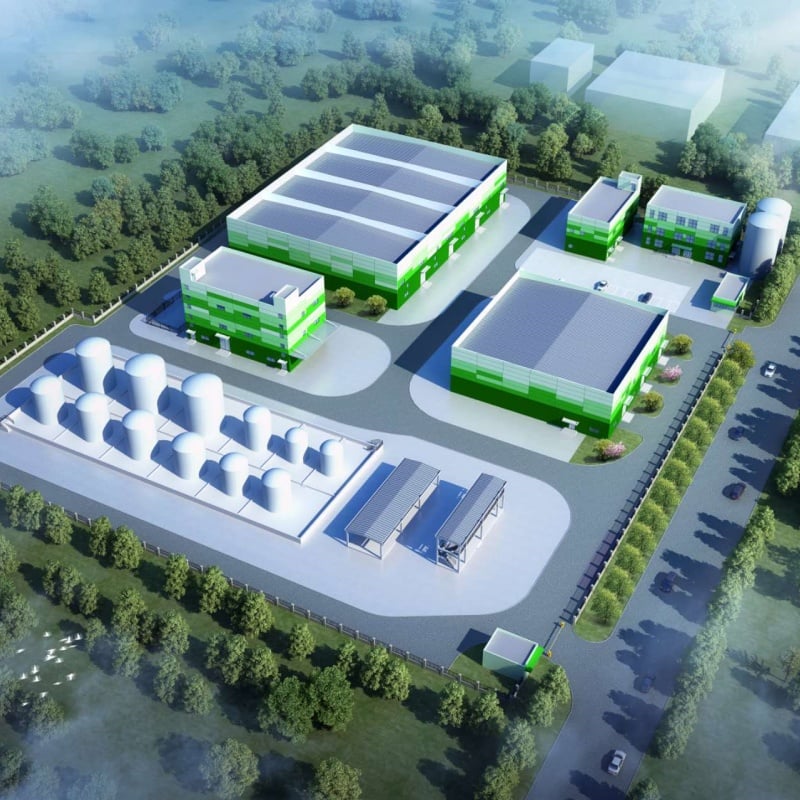
New Tank Farm Project to Boost Domestic and International Trade

18

Apr

New Tank Farm Project to Boost Domestic and International Trade

View More
Butyl Acrylate Monomer Specification Sheets for Coating Industry Formulators

23

Jul

Butyl Acrylate Monomer Specification Sheets for Coating Industry Formulators

Explore the production and chemical structure of butyl acrylate monomer, highlighting acrylic acid derivatives and their polymerization, methyl methacrylate's copolymerization role, and eco-friendly innovations in industrial coatings.
View More
Glacial Acrylic Acid (GAA) Concentrations for Water-Based Resin Makers

14

Aug

Glacial Acrylic Acid (GAA) Concentrations for Water-Based Resin Makers

View More
2-Hydroxyethyl Acrylate (HEA) Shelf-Life Tips for Overseas Stockists

14

Aug

2-Hydroxyethyl Acrylate (HEA) Shelf-Life Tips for Overseas Stockists

View More

Get a Free Quote

Our representative will contact you soon.
Email
Name
Company Name
Message
0/1000

acrylic monomer manufacturing

Advanced Process Control Systems

Advanced Process Control Systems

Modern acrylic monomer manufacturing employs sophisticated automation and real-time monitoring systems that revolutionize production reliability and product quality. These advanced control systems continuously track critical parameters including temperature, pressure, reactant ratios, and catalyst concentrations throughout every manufacturing stage. By implementing predictive algorithms and machine learning capabilities, these systems detect potential deviations before they affect product quality, automatically adjusting process conditions to maintain optimal performance. This technological sophistication eliminates human error, reduces batch-to-batch variations, and ensures that every kilogram of acrylic monomer meets exact specifications. For customers, this means receiving materials with predictable properties that perform consistently in your applications, reducing formulation adjustments and quality control costs. The data generated by these control systems also enables continuous improvement initiatives, as manufacturers can identify optimization opportunities that further enhance yield, reduce impurities, and lower production costs. Additionally, comprehensive documentation and traceability features satisfy regulatory requirements for industries like medical devices and food packaging, where material provenance and quality verification are mandatory. Investing in acrylic monomer manufacturing with advanced process controls delivers measurable benefits including reduced defect rates, improved production efficiency, and enhanced customer satisfaction through reliable product performance.
Environmental Sustainability Features

Environmental Sustainability Features

Contemporary acrylic monomer manufacturing incorporates significant environmental sustainability features that benefit both manufacturers and end-users while addressing growing regulatory and consumer demands for responsible production. These facilities implement closed-loop systems that capture and recycle unreacted raw materials, solvents, and catalysts, dramatically reducing waste generation and raw material consumption. Energy efficiency measures such as heat recovery systems, optimized reactor designs, and renewable energy integration substantially lower the carbon footprint associated with monomer production. Advanced emission control technologies minimize volatile organic compound releases and prevent atmospheric pollution, ensuring compliance with increasingly stringent environmental regulations worldwide. Water treatment systems purify process water for reuse, conserving this vital resource and reducing discharge volumes. For buyers, these sustainability features translate into multiple advantages: products with lower environmental impact that appeal to eco-conscious consumers, reduced regulatory compliance burdens when using certified sustainable materials, and alignment with corporate sustainability goals that strengthen brand reputation. Many customers now require suppliers to demonstrate environmental responsibility through verified metrics, making sustainably produced acrylic monomers essential for maintaining market access. Furthermore, efficient resource utilization in acrylic monomer manufacturing often correlates with cost competitiveness, as waste reduction and energy efficiency directly lower production expenses, benefits that manufacturers can pass to customers through competitive pricing while supporting environmental stewardship.
Customization and Technical Support

Customization and Technical Support

Leading acrylic monomer manufacturing operations distinguish themselves through extensive customization capabilities and comprehensive technical support that address unique customer requirements across diverse applications. Manufacturers can modify monomer molecular structures, adjust purity levels, incorporate specific additives, and create custom blends that optimize performance for particular end-uses. This customization extends beyond product composition to include packaging options, delivery schedules, and inventory management services tailored to your operational needs. The technical expertise accompanying professional acrylic monomer manufacturing proves invaluable when developing new formulations or troubleshooting processing challenges. Experienced application engineers collaborate with customers to understand performance objectives, recommend appropriate monomer grades, and optimize polymerization parameters for specific manufacturing equipment and conditions. This partnership approach accelerates product development cycles, reduces trial-and-error costs, and increases the likelihood of successful commercialization. Access to comprehensive technical documentation, safety data, regulatory guidance, and application bulletins further supports informed decision-making throughout your product lifecycle. For companies entering new markets or developing innovative applications, this technical support becomes a competitive differentiator that reduces risk and shortens time-to-market. The combination of customization flexibility and expert guidance available through advanced acrylic monomer manufacturing enables businesses to differentiate their products, solve complex technical challenges, and respond quickly to emerging market opportunities with confidence in material performance and supplier reliability.
email goToTop