Maleic Acid Anhydride - Versatile Chemical

All Categories

maleic acid anhydride

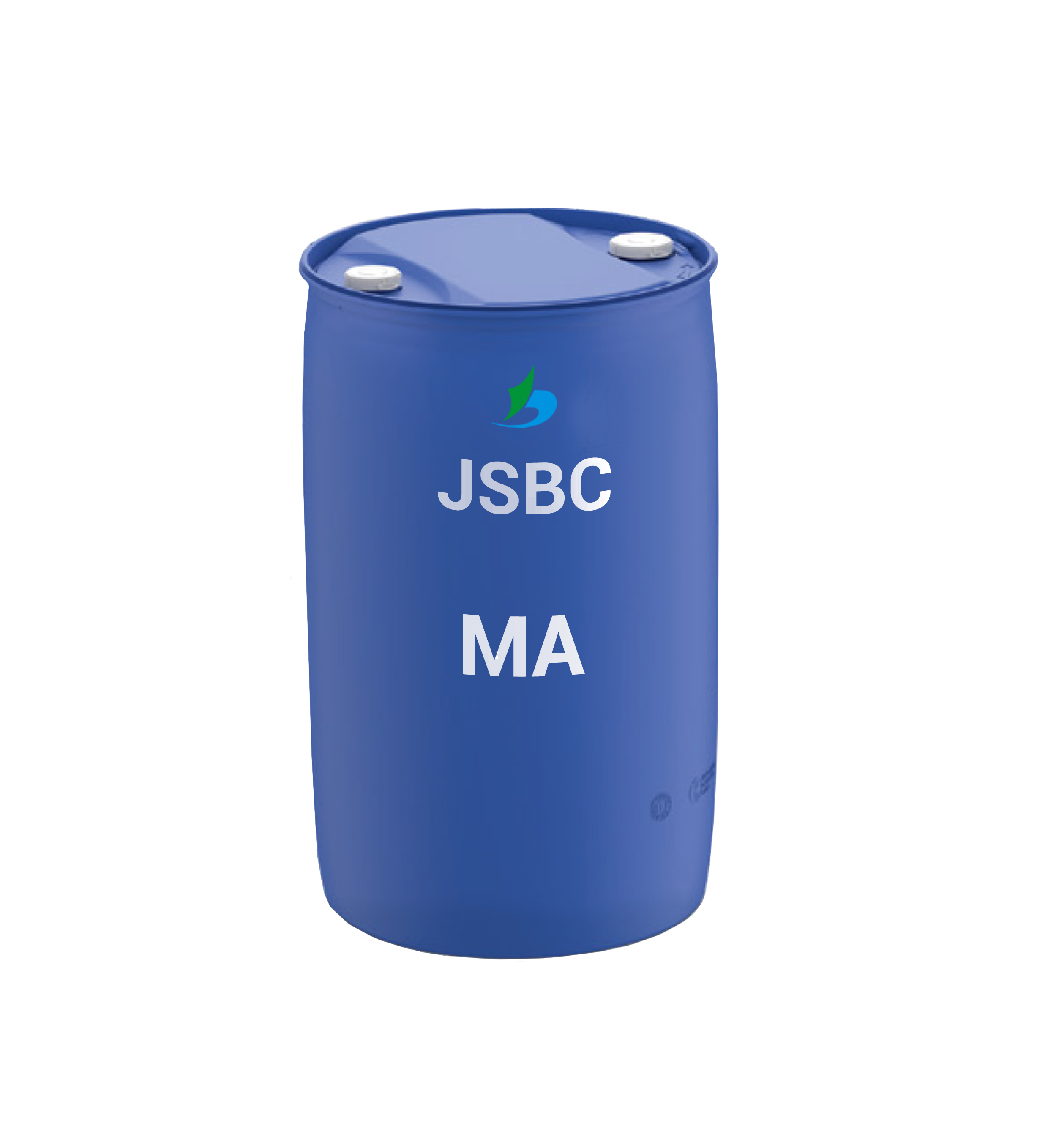
Maleic acid anhydride is a versatile organic compound widely used across multiple industries as a critical chemical intermediate. This white crystalline solid, with the molecular formula C4H2O3, serves as a fundamental building block in polymer production, resin synthesis, and various chemical manufacturing processes. Maleic acid anhydride functions primarily as a reactive dienophile in Diels-Alder reactions and as a copolymer component in the production of unsaturated polyester resins. Its technological features include exceptional reactivity with dienes, alcohols, and amines, making it invaluable for creating modified polymers and specialized chemical products. The compound exhibits high purity levels and consistent quality standards, ensuring reliable performance in demanding applications. Industries utilize maleic acid anhydride extensively in manufacturing unsaturated polyester resins for fiberglass-reinforced plastics, producing lubricating oil additives, synthesizing agricultural chemicals, and creating surface coatings. The chemical also plays a vital role in paper sizing agents, textile treatments, and pharmaceutical intermediates. Its ability to undergo ring-opening reactions enables the formation of maleic acid derivatives used in food additives and personal care products. Manufacturing processes involving maleic acid anhydride benefit from its stable chemical structure and predictable reaction pathways, allowing for efficient production scaling. The compound's compatibility with various substrates and its capacity to impart desirable properties such as improved adhesion, flexibility, and weather resistance make it an essential material for modern chemical engineering applications.

New Products

Choosing maleic acid anhydride delivers significant practical benefits that directly impact production efficiency and product quality. This chemical intermediate provides manufacturers with exceptional versatility, enabling a single raw material to serve multiple production lines and applications. The compound's high reactivity reduces processing times and energy consumption during manufacturing, translating into lower operational costs and improved throughput. Buyers gain substantial value through the consistent quality and purity of maleic acid anhydride, which minimizes batch variations and reduces waste from rejected products. The material's stability during storage and handling decreases inventory losses and simplifies logistics management. From an operational perspective, maleic acid anhydride integrates seamlessly into existing production systems without requiring extensive equipment modifications or specialized handling procedures. Its predictable reaction kinetics allow process engineers to optimize production parameters confidently, resulting in higher yields and better resource utilization. The compound's application suitability spans industries from automotive composites to agricultural formulations, providing businesses with flexibility to diversify their product portfolios. Decision-makers appreciate that maleic acid anhydride offers excellent cost-performance ratios compared to alternative chemical intermediates. The material enables the production of high-performance end products with enhanced durability, chemical resistance, and mechanical properties. Companies using maleic acid anhydride can meet stringent industry specifications and regulatory requirements more easily, supporting market access and customer satisfaction. The broad supplier base and established supply chains ensure reliable availability and competitive pricing. Environmental considerations also favor this compound, as modern production methods have reduced emissions and improved sustainability profiles, helping companies meet corporate responsibility goals while maintaining profitability.

Latest News

How Specialty Intermediates Improve Efficiency in Polymer Manufacturing

19

Jun

How Specialty Intermediates Improve Efficiency in Polymer Manufacturing

Discover the crucial role of specialty intermediates in improving polymer manufacturing efficiency. Explore optimized formulations, key chemicals, and emerging sustainability trends.
View More
Butyl Acrylate Monomer Specification Sheets for Coating Industry Formulators

23

Jul

Butyl Acrylate Monomer Specification Sheets for Coating Industry Formulators

Explore the production and chemical structure of butyl acrylate monomer, highlighting acrylic acid derivatives and their polymerization, methyl methacrylate's copolymerization role, and eco-friendly innovations in industrial coatings.
View More
Sustainable Production Insights for Acrylic Acid and Key Derivatives in Industrial Applications

23

Jul

Sustainable Production Insights for Acrylic Acid and Key Derivatives in Industrial Applications

Explore the sustainable production of acrylic acid and derivatives with insights on green chemistry, renewable feedstocks, and eco-manufacturing. Discover innovations driving efficiency, regulatory impacts, and the shift towards carbon-neutral manufacturing in this comprehensive overview.
View More
Ethyl Acrylate in Adhesives: Exploring Low-VOC Alternatives for Environmentally Conscious Use

23

Jul

Ethyl Acrylate in Adhesives: Exploring Low-VOC Alternatives for Environmentally Conscious Use

Explore the environmental concerns driving the demand for ethyl acrylate alternatives in the adhesive industry. This article delves into VOC emissions regulations, the rise of sustainable materials, and performance advantages of low-VOC acrylate adhesives. Discover key industry implementations and future innovations shaping the acrylate market landscape.
View More

Get a Free Quote

Our representative will contact you soon.
Email
Name
Company Name
Message
0/1000

maleic acid anhydride

Superior Reactivity for Diverse Chemical Processes

Superior Reactivity for Diverse Chemical Processes

Maleic acid anhydride demonstrates exceptional chemical reactivity that makes it indispensable for advanced manufacturing applications. Its electron-deficient double bond readily participates in addition reactions, cycloadditions, and copolymerization processes, providing chemists with a powerful tool for molecular design. This superior reactivity enables the synthesis of complex molecules and specialty polymers that would be difficult or impossible to achieve with less reactive alternatives. Manufacturing facilities benefit from faster reaction times and higher conversion rates, directly improving production economics. The compound's ability to undergo controlled ring-opening reactions allows precise functionalization of polymer chains, creating materials with tailored properties for specific applications. Industries producing unsaturated polyester resins particularly value how maleic acid anhydride contributes to optimal crosslinking density and mechanical strength in finished composites. This reactivity also facilitates the creation of grafted polymers that enhance compatibility between dissimilar materials in blends and composites. The predictable nature of these reactions reduces development time for new products and formulations, accelerating time-to-market for innovative solutions. Quality control becomes more manageable because the consistent reactivity patterns of maleic acid anhydride produce reproducible results across production batches.
Versatile Applications Across Multiple Industries

Versatile Applications Across Multiple Industries

The remarkable versatility of maleic acid anhydride extends across numerous industrial sectors, making it one of the most valuable chemical intermediates available today. In the polymer industry, it serves as a crucial comonomer for unsaturated polyester resins used in construction materials, marine applications, and automotive components. The agricultural sector relies on maleic acid anhydride derivatives for producing herbicides, pesticides, and plant growth regulators that improve crop yields and food security. Lubricant manufacturers incorporate derivatives of this compound to create high-performance oil additives that extend engine life and reduce maintenance requirements. The paper industry uses sizing agents derived from maleic acid anhydride to improve paper strength, printability, and moisture resistance. Textile processors apply treatments based on this chemical to enhance fabric durability and appearance retention. Pharmaceutical companies utilize maleic acid anhydride as a building block for active pharmaceutical ingredients and excipients. Even the food industry benefits from approved derivatives that function as acidulants and flavor enhancers. This broad application spectrum provides suppliers and distributors with diverse market opportunities while giving end-users confidence in the material's proven performance across demanding environments. Companies investing in maleic acid anhydride gain access to multiple revenue streams and reduce business risk through market diversification.
Cost-Effective Solution with Proven Performance

Cost-Effective Solution with Proven Performance

Maleic acid anhydride represents an economically advantageous choice for manufacturers seeking to optimize production costs without compromising product quality. The compound's well-established manufacturing processes and multiple production methods ensure stable pricing and reliable supply, protecting businesses from volatile raw material costs. Its high reactivity means that relatively small quantities can achieve significant chemical modifications, improving material utilization efficiency and reducing per-unit costs. The stability of maleic acid anhydride during storage eliminates losses from degradation, allowing companies to maintain strategic inventories and capitalize on favorable pricing opportunities. Processing equipment requirements remain modest compared to more demanding chemical intermediates, minimizing capital investment and maintenance expenses. Energy consumption during reactions involving maleic acid anhydride tends to be lower due to favorable thermodynamics and kinetics, contributing to reduced operational expenses and smaller carbon footprints. Quality assurance programs benefit from the compound's consistent specifications and the availability of reliable analytical methods for verification. The extensive technical literature and decades of industrial experience with maleic acid anhydride reduce research and development costs for new applications. Companies can leverage existing formulation knowledge and process parameters, accelerating product commercialization while avoiding costly trial-and-error approaches. Long-term cost benefits extend to end products that exhibit superior performance characteristics, reducing warranty claims and enhancing brand reputation in competitive markets.
email goToTop