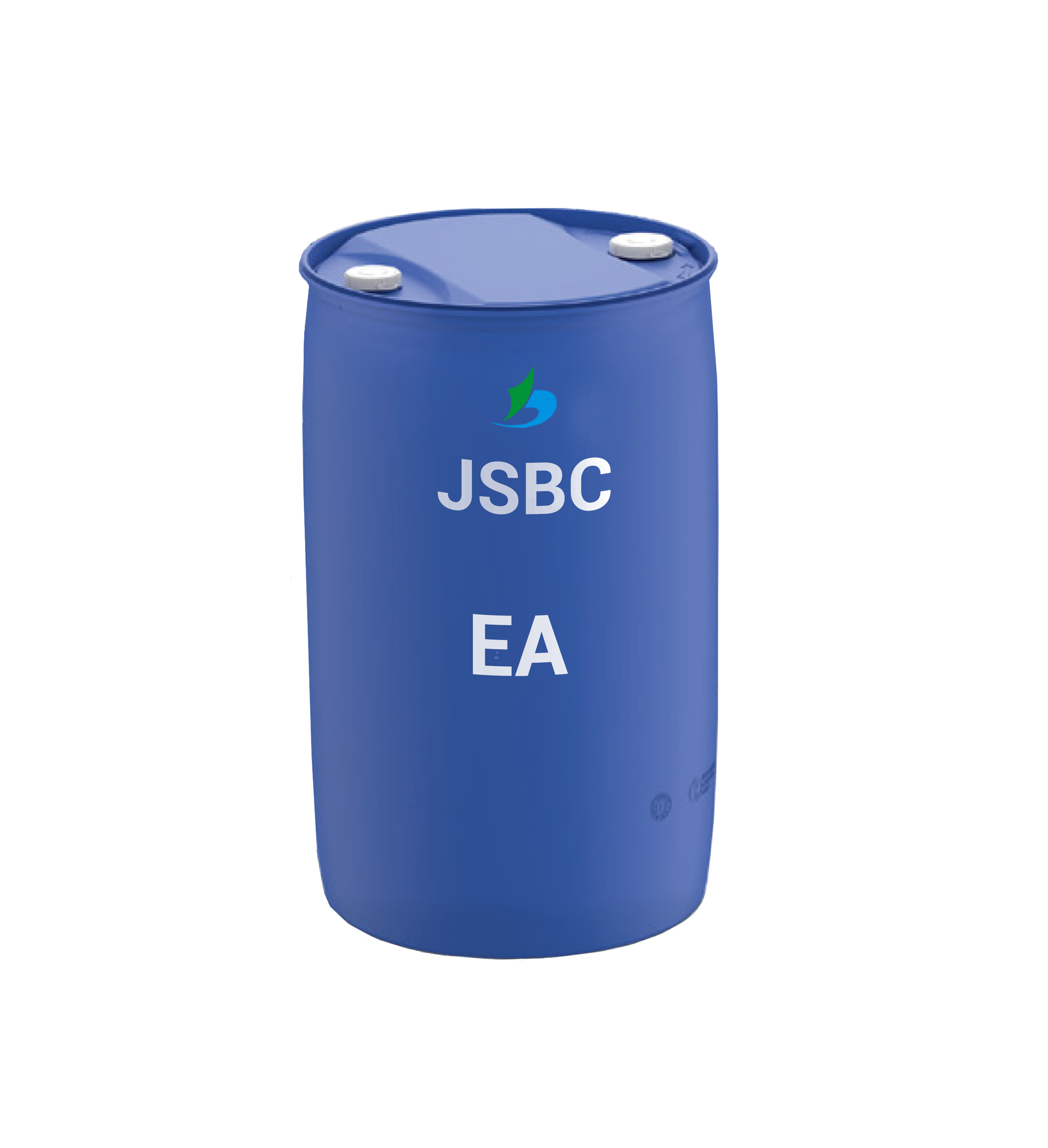
Methacrylates: Properties and Applications

All Categories

methacrylates

Methacrylates are versatile chemical compounds derived from methacrylic acid, widely recognized for their exceptional performance in manufacturing polymers and copolymers. These monomers serve as fundamental building blocks in creating high-quality plastics, coatings, adhesives, and numerous industrial materials. Methacrylates possess unique molecular structures that enable superior bonding capabilities, excellent optical clarity, and outstanding weather resistance. The primary functions of methacrylates include polymerization into acrylic resins, surface treatment applications, and formulation of specialty chemicals. Technologically, methacrylates offer remarkable versatility through various grades including methyl methacrylate, ethyl methacrylate, and butyl methacrylate, each providing distinct properties for specific applications. These compounds exhibit rapid curing characteristics, excellent adhesion to multiple substrates, and impressive durability under challenging environmental conditions. The applications of methacrylates span diverse industries including automotive manufacturing, construction materials, electronics, medical devices, and consumer goods. In automotive sectors, methacrylates contribute to lightweight components and protective coatings. Construction industries utilize these materials for architectural glazing, water-resistant sealants, and decorative surfaces. Medical applications leverage the biocompatibility of certain methacrylates for dental materials and bone cements. Electronics manufacturers depend on methacrylates for encapsulation and insulation purposes. The widespread adoption of methacrylates continues growing due to their superior performance characteristics, processing efficiency, and ability to meet stringent quality standards across multiple industrial sectors.

New Product Releases

Choosing methacrylates delivers substantial practical benefits that directly impact your production efficiency and product quality. These materials provide exceptional value through their superior durability, ensuring longer-lasting products that reduce replacement costs and maintenance requirements. The outstanding weather resistance of methacrylates means your finished products withstand harsh environmental conditions including UV exposure, temperature fluctuations, and moisture without degrading or losing performance. Operationally, methacrylates offer significant advantages through faster processing times and lower energy consumption during manufacturing. Their rapid curing properties accelerate production cycles, enabling you to increase output without compromising quality standards. The excellent flow characteristics of methacrylates facilitate easier handling and processing, reducing waste and improving material utilization rates. Application suitability represents another key advantage, as methacrylates adapt seamlessly to various manufacturing processes including injection molding, casting, coating, and extrusion. This versatility eliminates the need for multiple material types, simplifying inventory management and reducing procurement complexity. The superior optical clarity of methacrylates makes them ideal for transparent applications where visual appeal matters. Their excellent adhesion properties ensure strong bonding to diverse substrates including metals, plastics, and composites, expanding design possibilities. From a decision-making perspective, methacrylates offer reliable consistency in performance, meeting strict regulatory requirements across industries. Their proven track record in demanding applications provides confidence in product reliability. The cost-effectiveness of methacrylates becomes evident through reduced failure rates, extended product lifecycles, and minimized warranty claims. Environmental considerations also favor methacrylates, as modern formulations support sustainability goals through reduced volatile organic compound emissions and improved recyclability options.

Latest News

Butyl Acrylate Monomer Specification Sheets for Coating Industry Formulators

23

Jul

Butyl Acrylate Monomer Specification Sheets for Coating Industry Formulators

Explore the production and chemical structure of butyl acrylate monomer, highlighting acrylic acid derivatives and their polymerization, methyl methacrylate's copolymerization role, and eco-friendly innovations in industrial coatings.
View More
Methyl Methacrylate Production Trends: Balancing Industrial Demand with Greener Manufacturing Practices

23

Jul

Methyl Methacrylate Production Trends: Balancing Industrial Demand with Greener Manufacturing Practices

Explore the market expansion of methyl methacrylate production, driven by key sectors like automotive and construction. Delve into global growth trends, sustainable manufacturing innovations, and strategies to reduce carbon footprints and foster an industrial-ecological balance.
View More
Team-Building Hike Along Yu Mountain’s

30

Jul

Team-Building Hike Along Yu Mountain’s "Eagle Trail"

View More
2-Hydroxyethyl Acrylate (HEA) Shelf-Life Tips for Overseas Stockists

14

Aug

2-Hydroxyethyl Acrylate (HEA) Shelf-Life Tips for Overseas Stockists

View More

Get a Free Quote

Our representative will contact you soon.
Email
Name
Company Name
Message
0/1000

methacrylates

Superior Optical Clarity and Light Transmission

Superior Optical Clarity and Light Transmission

Methacrylates deliver exceptional optical properties that make them the preferred choice for applications requiring crystal-clear transparency and brilliant light transmission. These materials achieve light transmission rates exceeding ninety percent, rivaling or surpassing traditional glass while offering superior impact resistance and lighter weight. The molecular structure of methacrylates prevents yellowing and maintains clarity over extended periods, even under continuous UV exposure and outdoor weathering conditions. This optical stability proves invaluable for architectural glazing, automotive lighting components, display screens, and protective covers where visual quality cannot deteriorate over time. Manufacturers benefit from the ability to produce complex shapes and thin-walled designs that would be impractical with glass, while maintaining the premium appearance customers expect. The scratch-resistant surface treatments available for methacrylates further enhance their visual appeal and longevity. Industries ranging from consumer electronics to aerospace rely on the optical excellence of methacrylates to create products that combine aesthetic appeal with functional performance, delivering value through enhanced user experiences and reduced maintenance requirements.
Outstanding Chemical and Weather Resistance

Outstanding Chemical and Weather Resistance

The remarkable resistance of methacrylates to environmental degradation and chemical exposure ensures reliable long-term performance across challenging applications. These materials withstand continuous exposure to moisture, temperature extremes ranging from subzero conditions to elevated heat, and direct sunlight without experiencing structural failure or significant property changes. Unlike many alternative materials, methacrylates maintain their mechanical strength, color stability, and surface integrity when exposed to common chemicals including cleaning agents, mild acids, and alkaline solutions. This chemical resistance makes methacrylates ideal for outdoor signage, marine applications, chemical storage containers, and industrial equipment that encounters aggressive substances. The inherent UV stability of methacrylates eliminates the rapid degradation that plagues lesser materials, reducing replacement frequency and lifecycle costs. Manufacturers appreciate how this durability translates into extended product warranties and enhanced brand reputation. The weather resistance of methacrylates also supports sustainability initiatives by creating longer-lasting products that reduce material consumption and waste generation. For customers operating in harsh environments, the dependable performance of methacrylates provides peace of mind and operational continuity.
Exceptional Processing Flexibility and Design Freedom

Exceptional Processing Flexibility and Design Freedom

Methacrylates empower manufacturers with unmatched processing versatility and design capabilities that accelerate innovation and reduce production constraints. These materials accommodate multiple fabrication techniques including injection molding, thermoforming, extrusion, and casting, allowing producers to select the most efficient method for their specific requirements. The excellent flow properties of methacrylates enable intricate mold filling and precise replication of complex geometries, supporting detailed surface textures and thin-wall construction that minimize material usage. Rapid curing characteristics reduce cycle times significantly compared to alternative materials, directly improving throughput and manufacturing economics. The ability to easily color methacrylates throughout their mass or apply surface coatings provides unlimited aesthetic options without sacrificing performance. This design freedom proves particularly valuable for consumer products, automotive interiors, and architectural elements where customization drives market differentiation. Fabricators also benefit from the clean processing of methacrylates, which generates minimal emissions and simplifies workplace safety compliance. The compatibility of methacrylates with various additives and reinforcements allows property customization for specific applications, whether enhancing impact strength, modifying flexibility, or improving flame resistance. This adaptability reduces development time and enables cost-effective solutions tailored to exact customer specifications.
email goToTop