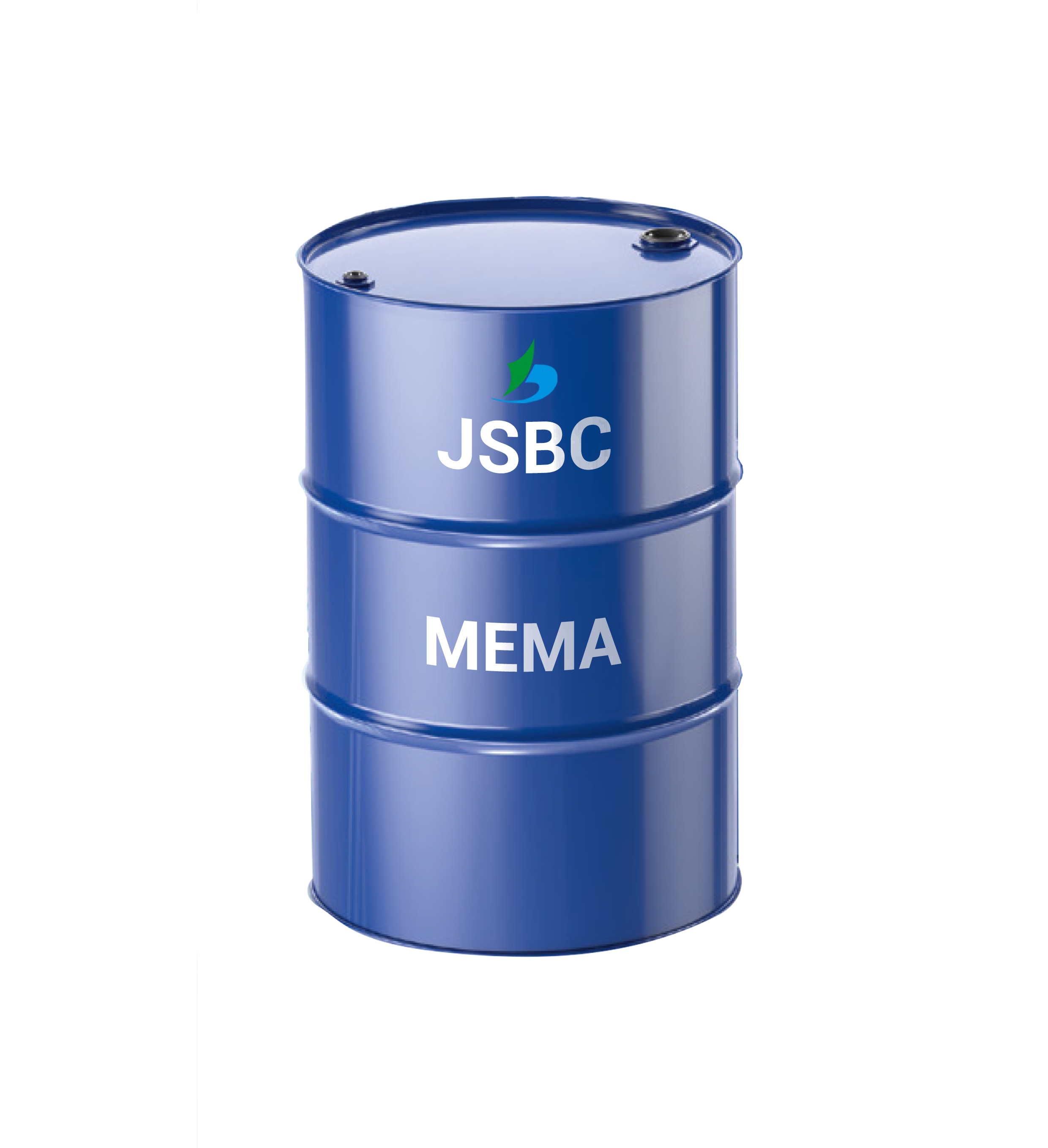
N-Butyl Acrylate: Properties & Applications

All Categories

nbutyl acrylate

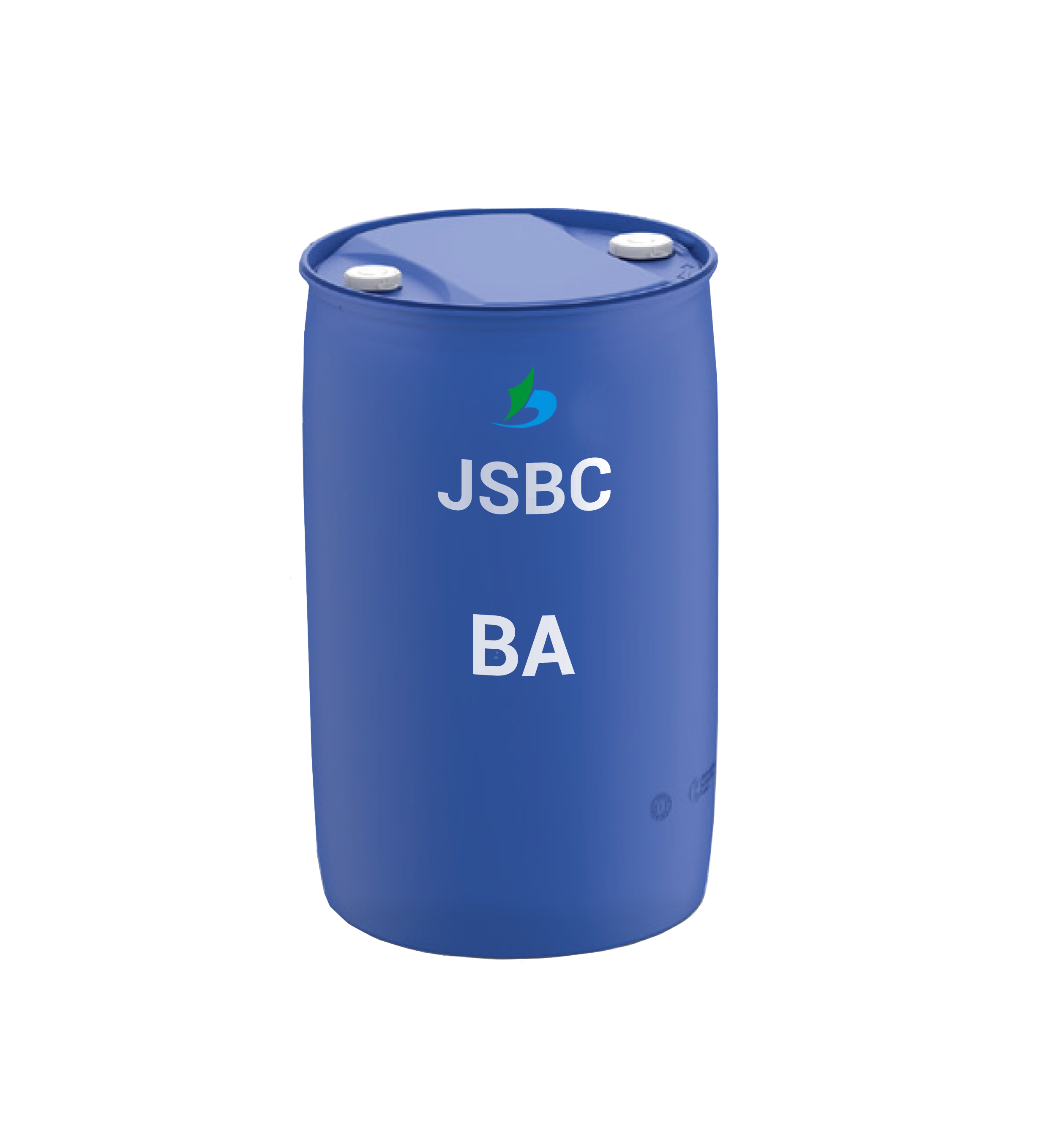
N-butyl acrylate is a versatile chemical compound widely used in polymer production and industrial manufacturing. This clear, colorless liquid monomer features a distinctive fruity odor and serves as a fundamental building block for creating various acrylic polymers and copolymers. The chemical formula C7H12O2 represents this ester of acrylic acid and n-butanol, which exhibits excellent reactivity during polymerization processes. As an essential raw material, nbutyl acrylate plays a crucial role in adhesive formulations, coating systems, textile treatments, and plastic modifications. The compound's main function involves providing flexibility, adhesion, and durability to finished products through its incorporation into polymer chains. Technological features include rapid polymerization capability, good weather resistance, and compatibility with numerous other monomers for copolymerization. Industries utilize nbutyl acrylate for manufacturing pressure-sensitive adhesives, architectural coatings, leather finishes, paper coatings, and textile binders. The monomer's ability to enhance low-temperature flexibility makes it particularly valuable in applications requiring performance under varying environmental conditions. Applications span across construction materials, automotive components, packaging solutions, and consumer goods. The compound undergoes free radical polymerization to form homopolymers or copolymers with styrene, methyl methacrylate, and vinyl acetate, creating materials with tailored properties. Water-based emulsion systems frequently incorporate nbutyl acrylate due to its favorable balance of hydrophobic characteristics and film-forming capabilities, making it indispensable in modern chemical manufacturing and materials science.
New Product Recommendations

Choosing nbutyl acrylate delivers significant practical benefits that directly impact manufacturing efficiency and product performance. This monomer offers exceptional value through its ability to improve product flexibility without compromising strength, which translates to longer-lasting finished goods and reduced failure rates in real-world applications. Manufacturers benefit from faster production cycles because nbutyl acrylate polymerizes readily under standard conditions, requiring less energy input and shorter processing times compared to alternative monomers. The operational advantage extends to equipment maintenance, as the compound's clean polymerization reduces system fouling and downtime. Cost efficiency emerges from its high conversion rates during polymerization, meaning less raw material waste and improved yield per production batch. For buyers focused on application suitability, this monomer demonstrates remarkable versatility across temperature ranges, maintaining performance from cold storage conditions to heated environments. Products formulated with nbutyl acrylate exhibit superior adhesion to diverse substrates including metals, plastics, wood, and concrete, eliminating the need for multiple specialized formulations. The compound's compatibility with water-based systems supports environmental compliance initiatives while meeting stringent VOC regulations without sacrificing performance quality. Decision-makers appreciate the reliable supply chain and established safety protocols surrounding nbutyl acrylate, reducing procurement risks and regulatory concerns. End-product benefits include enhanced UV resistance, improved color retention, and better resistance to chemicals and moisture, all contributing to customer satisfaction and reduced warranty claims. The monomer's proven track record across industries provides confidence in formulation stability and batch-to-batch consistency. Manufacturers can optimize formulations precisely because nbutyl acrylate offers predictable behavior during processing and curing, enabling tight quality control and reduced testing requirements.

Latest News

India Extends BIS Certification Deadline for Acrylic Esters and Vinyl Acetate

07

Apr

India Extends BIS Certification Deadline for Acrylic Esters and Vinyl Acetate

View More
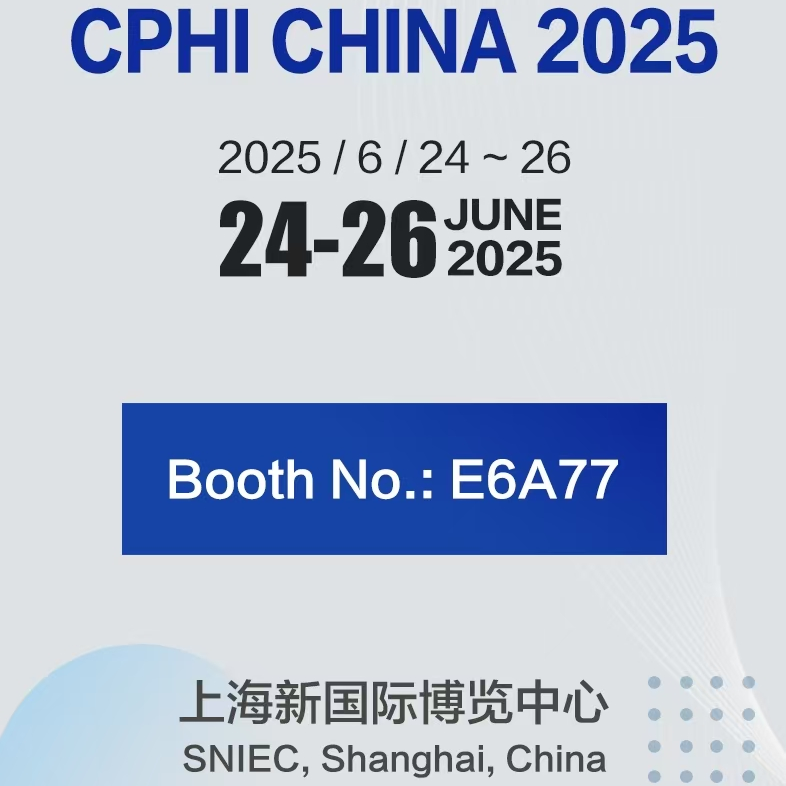
Visit Baicheng Chemical at CPHI China 2025 to Explore Pharmaceutical Solutions (Booth E6A77)

19

Jun

Visit Baicheng Chemical at CPHI China 2025 to Explore Pharmaceutical Solutions (Booth E6A77)

View More
Sustainable Production Insights for Acrylic Acid and Key Derivatives in Industrial Applications

23

Jul

Sustainable Production Insights for Acrylic Acid and Key Derivatives in Industrial Applications

Explore the sustainable production of acrylic acid and derivatives with insights on green chemistry, renewable feedstocks, and eco-manufacturing. Discover innovations driving efficiency, regulatory impacts, and the shift towards carbon-neutral manufacturing in this comprehensive overview.
View More
2-Hydroxyethyl Acrylate (HEA) Shelf-Life Tips for Overseas Stockists

14

Aug

2-Hydroxyethyl Acrylate (HEA) Shelf-Life Tips for Overseas Stockists

View More

Get a Free Quote

Our representative will contact you soon.
Email
Name
Company Name
Message
0/1000

nbutyl acrylate

Superior Flexibility and Film Formation

Superior Flexibility and Film Formation

N-butyl acrylate stands out for its exceptional ability to impart flexibility and superior film-forming characteristics to polymer systems, making it invaluable for applications demanding both durability and elasticity. When incorporated into polymer formulations, this monomer creates a soft segment within the polymer chain that allows the finished material to bend, stretch, and recover without cracking or permanent deformation. This property proves essential in adhesive applications where substrates expand and contract with temperature changes, ensuring bonds remain intact across seasonal variations. In coating systems, the flexibility provided by nbutyl acrylate prevents film cracking during substrate movement, extending service life significantly. The glass transition temperature of polymers decreases with nbutyl acrylate content, enabling formulators to engineer materials that remain pliable at lower temperatures. This characteristic becomes particularly important for outdoor applications, automotive sealants, and flexible packaging materials. The film formation process occurs smoothly at ambient temperatures, eliminating the need for additional plasticizers that might migrate over time and compromise performance. Manufacturers gain the ability to create single-component systems with inherent flexibility rather than relying on additive packages that increase formulation complexity and cost.
Excellent Adhesion and Compatibility

Excellent Adhesion and Compatibility

The molecular structure of nbutyl acrylate provides outstanding adhesion properties and broad compatibility with various substrates and co-monomers, delivering substantial formulation flexibility for manufacturers. The ester group within the molecule creates polar sites that interact favorably with substrate surfaces, generating strong interfacial bonds across dissimilar materials. This adhesion capability extends to challenging low-energy surfaces where many conventional adhesives fail, including certain plastics and treated metals. Formulators benefit from the ability to blend nbutyl acrylate with styrene, acrylonitrile, vinyl acetate, and methacrylates to fine-tune properties such as hardness, tack, and cohesive strength. The compatibility with both hydrophobic and hydrophilic co-monomers enables creation of gradient polymers and core-shell architectures that optimize surface and bulk properties independently. In emulsion polymerization systems, nbutyl acrylate incorporates readily into latex particles, contributing to stable dispersions with controlled particle size distributions. This compatibility reduces formulation development time and allows manufacturers to respond quickly to changing market requirements. The monomer's balanced hydrophobicity provides water resistance in cured films while maintaining sufficient polarity for effective wetting during application, solving the common challenge of achieving both properties simultaneously in a single formulation.
Enhanced Weather and Chemical Resistance

Enhanced Weather and Chemical Resistance

Products incorporating nbutyl acrylate demonstrate remarkable resistance to environmental degradation and chemical exposure, ensuring long-term performance in demanding service conditions. The aliphatic structure of the butyl group provides inherent UV stability, preventing the photo-oxidation reactions that cause yellowing and embrittlement in many polymer systems. This ultraviolet resistance maintains appearance and mechanical properties throughout extended outdoor exposure, critical for architectural coatings and exterior construction materials. Chemical resistance spans a broad range of substances including dilute acids, alkalies, oils, and common solvents, protecting underlying substrates and maintaining barrier properties over years of service. The hydrophobic character of nbutyl acrylate polymers creates effective moisture barriers that prevent water penetration and the associated problems of substrate corrosion, dimensional instability, and biological growth. Temperature stability allows formulated products to withstand both freeze-thaw cycling and elevated temperature exposure without significant property loss. These durability characteristics translate directly to reduced maintenance requirements and extended replacement intervals for end users, lowering total cost of ownership. Manufacturers can confidently offer extended warranty periods on products formulated with nbutyl acrylate, differentiating their offerings in competitive markets. The combination of weather resistance and chemical durability makes this monomer particularly suitable for industrial environments where exposure to multiple stressors occurs simultaneously.
email goToTop