Polymeric Polyol: High-Performance Solutions

All Categories

polymeric polyol

Polymeric polyol represents an advanced chemical compound that serves as a critical ingredient in the production of high-performance polyurethane materials. This specialized polyol contains finely dispersed polymer particles suspended within a conventional polyol base, creating a unique structure that enhances the mechanical properties of the final polyurethane product. The technology behind polymeric polyol involves the in-situ polymerization of styrene and acrylonitrile monomers, resulting in a stable dispersion that significantly improves load-bearing capacity and durability. Manufacturers across various industries rely on polymeric polyol to create products that demand superior strength, resilience, and longevity. The main functions include enhancing hardness, improving compression set resistance, increasing tensile strength, and providing exceptional support characteristics in flexible foam applications. Technological features encompass excellent dispersion stability, consistent particle size distribution, compatibility with standard polyurethane processing equipment, and the ability to maintain flowability during production. Applications span multiple sectors including automotive seating, furniture cushioning, mattress cores, carpet underlay, and specialized industrial components. The polymeric polyol technology enables manufacturers to achieve premium performance levels without compromising processing efficiency or production speed. This versatile material bridges the gap between conventional flexible foams and rigid foam systems, offering formulators the flexibility to design products that meet specific performance requirements while maintaining cost-effectiveness and production reliability in demanding manufacturing environments.

New Product Releases

Choosing polymeric polyol delivers tangible benefits that directly impact your bottom line and product quality. First, this advanced material significantly reduces production costs by eliminating the need for expensive additives or complex processing modifications. You can integrate polymeric polyol into existing manufacturing lines without major equipment investments, allowing immediate performance improvements with minimal disruption. The enhanced load-bearing capacity means your products last longer, reducing warranty claims and building customer loyalty through superior durability. Your foam products will maintain their shape and support characteristics even after extended use, providing customers with lasting comfort and value. Operational efficiency improves because polymeric polyol processes like standard polyols, maintaining consistent viscosity and mixing characteristics that ensure reliable production runs. Your quality control becomes more predictable, with reduced batch-to-batch variation and fewer rejected products. The material offers exceptional versatility across applications, enabling you to serve multiple market segments with streamlined inventory management. You gain competitive advantage through products that outperform standard foam alternatives in hardness, resilience, and compression resistance. Energy costs decrease because polymeric polyol formulations often require lower processing temperatures and shorter cure times compared to alternative reinforcement methods. Your research and development teams benefit from the flexibility to fine-tune foam properties by adjusting polymeric polyol concentrations, creating customized solutions for specific customer requirements. Market positioning strengthens as you offer premium products that command higher prices while maintaining healthy profit margins. Environmental considerations also favor polymeric polyol, as optimized formulations typically use fewer raw materials to achieve target performance specifications, reducing waste and supporting sustainability initiatives that increasingly influence purchasing decisions across industries.

Latest News

Acrylic Esters Market Witnesses Price Surge and Supply Tightness

07

Apr

Acrylic Esters Market Witnesses Price Surge and Supply Tightness

View More
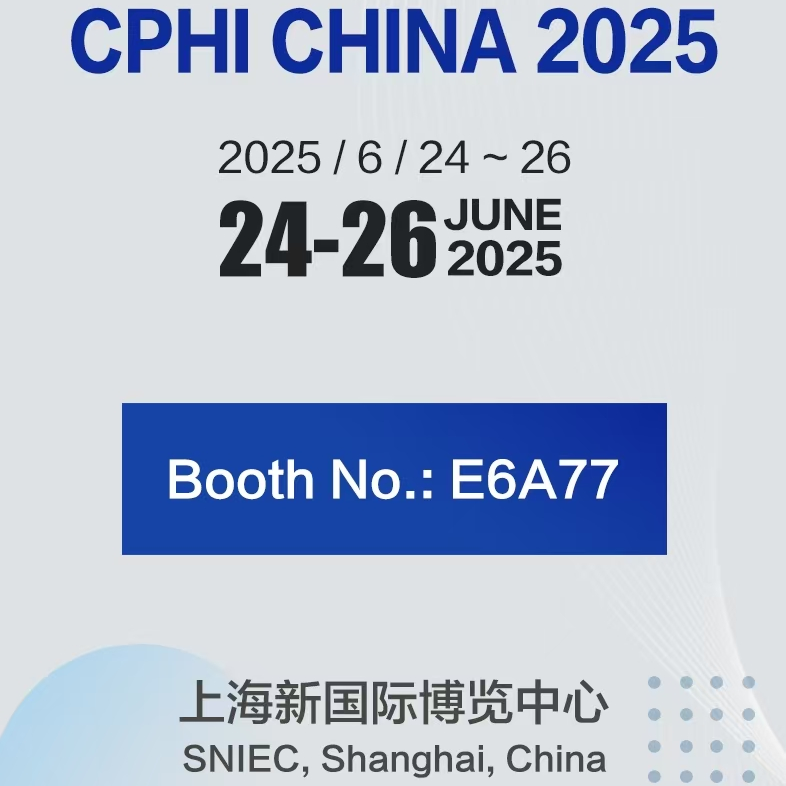
Visit Baicheng Chemical at CPHI China 2025 to Explore Pharmaceutical Solutions (Booth E6A77)

19

Jun

Visit Baicheng Chemical at CPHI China 2025 to Explore Pharmaceutical Solutions (Booth E6A77)

View More
Methyl Methacrylate Production Trends: Balancing Industrial Demand with Greener Manufacturing Practices

23

Jul

Methyl Methacrylate Production Trends: Balancing Industrial Demand with Greener Manufacturing Practices

Explore the market expansion of methyl methacrylate production, driven by key sectors like automotive and construction. Delve into global growth trends, sustainable manufacturing innovations, and strategies to reduce carbon footprints and foster an industrial-ecological balance.
View More
2-Hydroxyethyl Acrylate (HEA) Shelf-Life Tips for Overseas Stockists

14

Aug

2-Hydroxyethyl Acrylate (HEA) Shelf-Life Tips for Overseas Stockists

View More

Get a Free Quote

Our representative will contact you soon.
Email
Name
Company Name
Message
0/1000

polymeric polyol

Superior Mechanical Performance

Superior Mechanical Performance

The polymeric polyol delivers exceptional mechanical properties that transform standard flexible foams into high-performance materials capable of withstanding demanding applications. The suspended polymer particles create internal reinforcement throughout the foam matrix, dramatically increasing hardness levels by 30 to 50 percent compared to conventional polyol-based foams. This reinforcement effect enables manufacturers to produce thinner, lighter products that maintain equivalent or superior load-bearing capacity, reducing material consumption while improving performance. Compression set resistance improves substantially, meaning foam products retain their original thickness and support characteristics even after prolonged compression cycles. This durability translates directly into extended product lifecycles, reduced replacement frequency, and enhanced customer satisfaction. Tensile strength increases significantly, making foams more resistant to tearing and physical damage during manufacturing, installation, and end-use applications. The enhanced mechanical properties remain stable across temperature variations and aging conditions, ensuring consistent performance throughout the product lifespan. Formulators can achieve hardness levels previously attainable only with rigid foam systems while maintaining the comfort and flexibility characteristics essential for seating and cushioning applications, opening new market opportunities for innovative product designs.
Process-Friendly Integration

Process-Friendly Integration

Implementing polymeric polyol into manufacturing operations proves remarkably straightforward, requiring no specialized equipment or extensive process reengineering. The material exhibits viscosity profiles similar to conventional polyols, flowing smoothly through existing pumping, metering, and mixing systems without clogging or settling issues. Dispersion stability remains excellent during storage and handling, eliminating concerns about particle separation that could compromise batch consistency or product quality. Manufacturers appreciate that polymeric polyol blends seamlessly with other polyurethane raw materials, including catalysts, surfactants, and blowing agents, maintaining compatibility across diverse formulation requirements. Processing windows remain generous, providing operators with adequate time for mixing, pouring, and mold filling before gelation occurs. Demolding times stay comparable to standard formulations, preventing production slowdowns or throughput reductions. The material responds predictably to formulation adjustments, allowing technical teams to optimize recipes efficiently without extensive trial-and-error experimentation. Equipment cleaning requirements remain unchanged, avoiding additional maintenance burdens or downtime. Quality control procedures transfer directly from existing protocols, simplifying validation and regulatory compliance documentation. This processing compatibility dramatically reduces implementation risks, enabling confident adoption without jeopardizing production schedules or customer commitments during the transition period.
Versatile Application Range

Versatile Application Range

The polymeric polyol adapts effectively across an impressive spectrum of polyurethane applications, providing formulators with a single solution for multiple product categories. Automotive manufacturers utilize this material in seat cushions and backrests where superior support and durability withstand years of daily use under varying temperature and humidity conditions. Furniture producers create premium upholstered seating that maintains comfort and appearance longer than competitor products, justifying higher retail prices and building brand reputation. Mattress manufacturers incorporate polymeric polyol in core support layers, delivering the firm resilience consumers associate with quality sleep products while meeting flammability and emissions standards. Industrial applications benefit from specialized foams with enhanced vibration damping, impact resistance, and chemical stability for gaskets, seals, and protective padding. Carpet underlay made with polymeric polyol provides exceptional traffic resistance and compression recovery in commercial installations where performance directly affects replacement cycles and lifecycle costs. Transportation seating for buses, trains, and aircraft demands the combination of lightweight construction and robust durability that polymeric polyol formulations deliver reliably. This application versatility enables manufacturers to consolidate raw material inventories, simplify procurement, standardize processing procedures, and leverage volume purchasing advantages while serving diverse customer segments with differentiated product performance tailored to specific market requirements.
email goToTop