






The chemical industry continues to evolve with innovative compounds that enhance material performance across multiple applications. Among these breakthrough chemicals, 2-hydroxyethyl methacrylate stands out as a versatile monomer that significantly improves adhesive system properties. This specialized compound offers unique molecular characteristics that enable superior bonding performance, enhanced durability, and improved application flexibility in industrial formulations. Understanding the technical advantages and practical applications of 2-hydroxyethyl methacrylate helps manufacturers optimize their adhesive solutions for demanding operational environments.
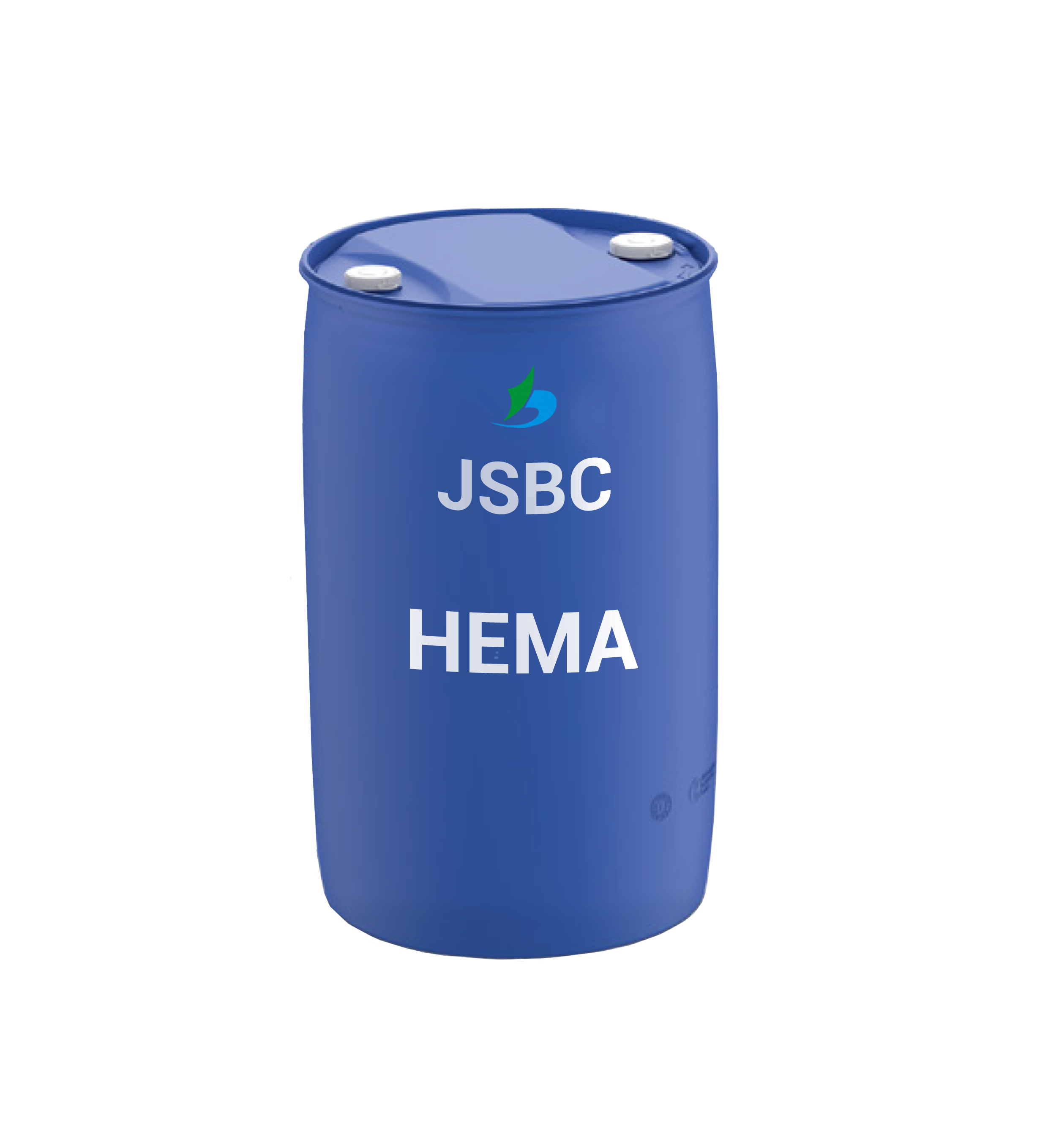
The molecular structure of 2-hydroxyethyl methacrylate features both methacrylate and hydroxyl functional groups, creating a dual-reactive system that enhances adhesive performance. This unique chemical architecture allows the compound to participate in both radical polymerization reactions through the methacrylate group and hydrogen bonding interactions via the hydroxyl functionality. The presence of these complementary reactive sites enables superior adhesion to various substrate materials including metals, plastics, and composite materials.
The hydroxyl group in 2-hydroxyethyl methacrylate provides excellent wetting properties and surface interaction capabilities, while the methacrylate functionality ensures robust crosslinking potential during curing processes. This combination results in adhesive systems with enhanced mechanical properties, improved chemical resistance, and superior long-term stability under challenging environmental conditions.
During polymerization, 2-hydroxyethyl methacrylate exhibits controlled reactivity that allows for precise formulation adjustments and predictable curing behavior. The compound readily participates in free radical polymerization mechanisms, enabling compatibility with various initiator systems and curing conditions. This versatility makes it an ideal component for both ambient temperature and elevated temperature curing adhesive formulations.
The polymerization kinetics of 2-hydroxyethyl methacrylate can be fine-tuned through careful selection of reaction conditions, allowing formulators to optimize working time, cure speed, and final property development. This control over polymerization parameters enables the development of specialized adhesive systems tailored to specific application requirements and processing constraints.
Incorporating 2-hydroxyethyl methacrylate into adhesive formulations significantly enhances bond strength through multiple mechanisms. The compound's ability to form hydrogen bonds with substrate surfaces creates strong intermolecular interactions that complement the mechanical interlocking provided by polymer chain entanglement. This dual bonding mechanism results in adhesive joints with superior shear strength, peel resistance, and impact tolerance.
The hydroxyl functionality in 2-hydroxyethyl methacrylate also promotes excellent adhesion to polar substrates such as metals, glass, and treated plastics. This enhanced surface interaction capability reduces the likelihood of adhesive failure at the substrate interface, resulting in more reliable and durable bonded assemblies. Testing data consistently demonstrates improved bond strength values when comparing adhesive formulations with and without 2-hydroxyethyl methacrylate incorporation.
The incorporation of 2-hydroxyethyl methacrylate into adhesive systems enhances flexibility without compromising strength, creating toughened materials capable of withstanding dynamic loading conditions. The compound acts as an internal plasticizer, reducing brittleness while maintaining structural integrity under stress. This balanced property profile makes adhesive systems more suitable for applications involving thermal cycling, vibration, or mechanical stress.
The toughening effect of 2-hydroxyethyl methacrylate becomes particularly valuable in structural adhesive applications where impact resistance and fatigue performance are critical. The compound's ability to absorb and dissipate energy through molecular relaxation mechanisms prevents crack propagation and extends service life under demanding operational conditions.
In automotive manufacturing, 2-hydroxyethyl methacrylate enables the development of high-performance structural adhesives for body panel bonding, component assembly, and trim attachment applications. The compound's excellent adhesion to both metal and plastic substrates makes it particularly valuable for mixed-material bonding scenarios common in modern vehicle construction. These adhesive systems must withstand extreme temperature variations, humidity exposure, and mechanical stress throughout the vehicle's service life.
The automotive industry's increasing focus on lightweight construction and improved fuel efficiency drives demand for advanced adhesive solutions that can replace traditional mechanical fasteners. Adhesive systems incorporating 2-hydroxyethyl methacrylate provide the necessary performance characteristics while enabling weight reduction and design flexibility in automotive components and assemblies.
Electronic device manufacturing requires adhesive systems with precise performance characteristics, and 2-hydroxyethyl methacrylate contributes to formulations that meet stringent industry requirements. The compound's low ionic impurity content and controlled outgassing properties make it suitable for sensitive electronic applications where contamination must be minimized. These characteristics are essential for maintaining the reliability and performance of electronic components and assemblies.
The electrical insulation properties of cured 2-hydroxyethyl methacrylate-based adhesives provide additional value in electronic applications, enabling their use in potting compounds, encapsulants, and protective coatings. The compound's thermal stability ensures consistent performance across the temperature ranges commonly encountered in electronic device operation and manufacturing processes.
The optimal concentration of 2-hydroxyethyl methacrylate in adhesive formulations depends on the specific performance requirements and application conditions. Generally, concentrations ranging from 5% to 25% by weight provide significant improvements in adhesion and flexibility without compromising other critical properties. Lower concentrations primarily enhance wetting and adhesion characteristics, while higher concentrations contribute more significantly to flexibility and impact resistance.
Formulation optimization requires careful balance between the benefits provided by 2-hydroxyethyl methacrylate and potential impacts on cure speed, viscosity, and cost-effectiveness. Systematic testing and evaluation help determine the ideal concentration for specific application requirements, ensuring optimal performance while maintaining economic viability for commercial production.
The chemical compatibility of 2-hydroxyethyl methacrylate with various adhesive components enables its incorporation into diverse formulation systems. The compound shows excellent compatibility with acrylic monomers, vinyl compounds, and various crosslinking agents commonly used in industrial adhesive applications. This broad compatibility facilitates formulation flexibility and enables the development of customized adhesive solutions for specific application requirements.
When formulating with 2-hydroxyethyl methacrylate, consideration must be given to potential interactions with fillers, additives, and other performance modifiers. Proper testing and evaluation ensure that all components work synergistically to achieve desired performance characteristics without unexpected interactions or property degradation during storage or application.
Quality control of 2-hydroxyethyl methacrylate requires comprehensive analytical testing to ensure consistent purity, composition, and performance characteristics. Standard analytical methods include gas chromatography for purity determination, infrared spectroscopy for structural confirmation, and various physical property measurements to verify specifications. These testing procedures ensure that the compound meets stringent quality requirements for critical adhesive applications.
Regular testing of 2-hydroxyethyl methacrylate batches helps maintain consistent adhesive performance and prevents quality issues in downstream applications. Establishing robust quality control protocols ensures reliable supply chain performance and supports the development of high-quality adhesive products for demanding industrial applications.
Validating the performance benefits of 2-hydroxyethyl methacrylate in adhesive formulations requires systematic testing using standardized methods and application-specific protocols. Common test methods include lap shear testing for bond strength evaluation, peel testing for interface adhesion assessment, and impact testing for toughness characterization. These comprehensive testing programs provide quantitative data supporting the performance advantages of incorporating 2-hydroxyethyl methacrylate into adhesive systems.
Long-term durability testing under accelerated aging conditions helps predict service life performance and validates the stability of 2-hydroxyethyl methacrylate-enhanced adhesive systems. Environmental exposure testing, thermal cycling, and chemical resistance evaluation provide additional confidence in the long-term reliability of these advanced adhesive formulations.
Safe handling of 2-hydroxyethyl methacrylate requires adherence to established industrial hygiene practices and proper storage protocols. The compound should be stored in cool, dry conditions away from heat sources and direct sunlight to prevent premature polymerization or degradation. Proper ventilation and personal protective equipment help minimize exposure risks during handling and processing operations.
Storage containers for 2-hydroxyethyl methacrylate must be compatible with the chemical properties of the compound and include appropriate inhibitors to prevent unwanted polymerization during storage. Regular monitoring of storage conditions and container integrity helps maintain product quality and ensures safe handling throughout the supply chain.
The environmental profile of 2-hydroxyethyl methacrylate reflects modern chemical industry standards for responsible manufacturing and use. The compound's biodegradability characteristics and low environmental persistence support sustainable adhesive formulation practices. Proper waste management and recycling protocols help minimize environmental impact while supporting circular economy principles in adhesive manufacturing operations.
Ongoing research into bio-based production methods for 2-hydroxyethyl methacrylate supports long-term sustainability goals while maintaining the performance characteristics required for demanding adhesive applications. These developments align with industry trends toward more sustainable chemical manufacturing and reduced environmental footprint across the adhesive supply chain.
The effectiveness of 2-hydroxyethyl methacrylate in adhesive formulations stems from its unique dual functionality, combining methacrylate reactivity with hydroxyl group interactions. This molecular structure enables both strong covalent bonding through polymerization and enhanced surface adhesion through hydrogen bonding, resulting in superior overall adhesive performance compared to single-functionality compounds.
2-hydroxyethyl methacrylate participates readily in free radical polymerization reactions, contributing to controlled and predictable curing behavior. The compound's reactivity can be adjusted through proper formulation design, allowing optimization of working time, cure speed, and final property development to meet specific application requirements while maintaining consistent performance characteristics.
Optimal concentration levels of 2-hydroxyethyl methacrylate typically range from 5% to 25% by weight, depending on the specific performance requirements of the adhesive system. Lower concentrations primarily enhance wetting and adhesion properties, while higher concentrations contribute more significantly to flexibility, impact resistance, and toughness characteristics of the cured adhesive.
Yes, 2-hydroxyethyl methacrylate demonstrates excellent compatibility with various adhesive base chemistries, including acrylics, methacrylates, and other vinyl-based systems. This broad compatibility enables its incorporation into diverse formulation platforms while maintaining chemical stability and performance enhancement benefits across different adhesive technologies and application requirements.
 Hot News
2026-09-07
2026-09-14
2026-09-07
2026-09-01
2026-08-17
2026-07-29



 EN
EN