








Butyl acrylate storage represents one of the most critical operational challenges in chemical logistics and manufacturing. This versatile acrylic monomer, widely used in coatings, adhesives, and synthetic rubber production, demands exceptional care during warehousing due to its flammable nature and reactivity profile. Baicheng Chemical has established itself as an industry leader by implementing rigorous butyl acrylate storage protocols specifically designed for Class AB warehouse environments, where both combustible materials and hazardous chemicals coexist under strict regulatory oversight.
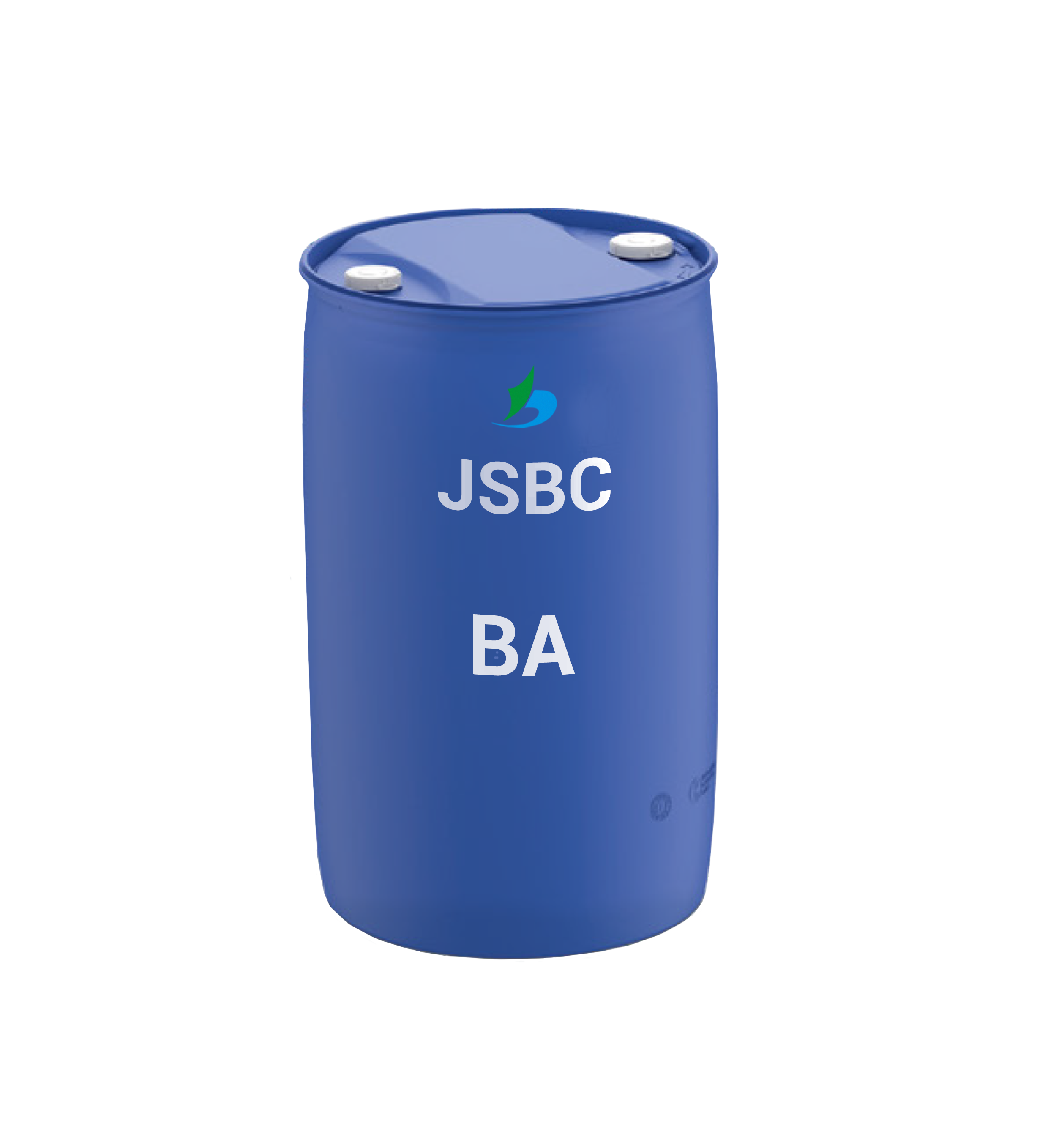
The journey toward reliable butyl acrylate storage begins with understanding the compound's behavior in warehouse conditions. Baicheng Chemical recognizes that successful butyl acrylate storage hinges on environmental controls, container integrity, and staff training. Class AB warehouses present unique constraints because they must simultaneously accommodate fire suppression systems suitable for both ordinary combustibles and flammable liquids, requiring a balanced approach to safety infrastructure that Baicheng Chemical has perfected over years of operational excellence.
Butyl acrylate storage demands deep knowledge of the chemical's intrinsic properties. This material exhibits a low flash point, typically between 30–40 degrees Celsius, classifying it as a highly flammable liquid that requires vigilant temperature management. When implementing butyl acrylate storage systems, Baicheng Chemical maintains rigorous temperature controls, ensuring warehouse ambient conditions never approach the flash point threshold. The compound also undergoes slow polymerization over time, which influences how long containers remain suitable for butyl acrylate storage and why rotation protocols are essential.
Class AB warehouses serve dual purposes, storing both ordinary combustible materials and flammable liquids like butyl acrylate storage inventory. These facilities must comply with international fire codes, including NFPA 30 for flammable liquid storage and general combustible material standards. Baicheng Chemical ensures that every butyl acrylate storage installation meets or exceeds these requirements through continuous facility audits and upgrades. The warehouse layout for butyl acrylate storage incorporates segregation zones, ensuring flammable liquids remain physically separated from incompatible materials that could trigger dangerous reactions.
Container integrity forms the foundation of effective butyl acrylate storage. Baicheng Chemical exclusively uses drums and intermediate bulk containers specifically qualified for flammable liquids, with materials that resist chemical degradation and maintain structural strength. The containers designated for butyl acrylate storage undergo pre-delivery inspection, confirming proper venting mechanisms, secure closure systems, and absence of corrosion or defects. Throughout the storage lifecycle, Baicheng Chemical implements regular inspections of all butyl acrylate storage containers, identifying potential leakage before it occurs and replacing any vessels showing signs of deterioration.
Environmental management is central to Baicheng Chemical's butyl acrylate storage strategy. The company maintains warehouse temperatures between 5–25 degrees Celsius through precision climate control systems, preventing volatile evaporation and reducing vapor accumulation that could create explosive atmospheres. For long-term butyl acrylate storage, inert nitrogen blanketing systems are employed over container headspaces, further minimizing oxygen exposure and slowing polymerization reactions. Humidity levels in butyl acrylate storage areas are monitored continuously, as excess moisture can compromise container seals and introduce water contamination that destabilizes the chemical composition.
Baicheng Chemical recognizes that technology alone cannot ensure safe butyl acrylate storage. Every team member handling butyl acrylate storage materials completes comprehensive training covering hazard recognition, emergency response, proper container handling, and chemical compatibility assessment. Operating procedures for butyl acrylate storage are documented with precision, establishing clear protocols for receiving, inventory management, rotation, and dispatch. Personnel involved in butyl acrylate storage operations receive annual refresher training and certification, ensuring knowledge remains current as regulations and best practices evolve.
Baicheng Chemical maintains meticulous records for all butyl acrylate storage activities, creating an audit trail that demonstrates compliance and enables rapid response to any anomalies. Real-time monitoring systems track environmental conditions within butyl acrylate storage zones, automatically alerting operators to temperature fluctuations, humidity spikes, or pressure variations in storage vessels. This proactive approach to butyl acrylate storage allows Baicheng Chemical to identify and address potential issues before they escalate. Regular third-party audits validate the effectiveness of butyl acrylate storage protocols, and findings inform continuous improvement initiatives that keep operations ahead of regulatory expectations.
Class AB warehouses combine fire suppression and segregation infrastructure required for dual storage of combustible materials and flammable liquids like butyl acrylate. These facilities integrate foam systems, sprinkler networks, and compartmentalization that address both commodity types, making them ideal for butyl acrylate storage when properly designed and maintained. Baicheng Chemical selects and certifies warehouse partners specifically for their capability to support compliant butyl acrylate storage.
Baicheng Chemical implements monthly visual inspections of all butyl acrylate storage containers, supplemented by quarterly detailed assessments including internal condition checks where feasible. High-sensitivity monitoring systems enable continuous surveillance of butyl acrylate storage vessel integrity, detecting micro-leaks or pressure anomalies that manual inspection might miss. This multi-layered approach to butyl acrylate storage inspection ensures container reliability and early detection of maintenance needs.
No. Baicheng Chemical maintains strict segregation protocols in butyl acrylate storage zones, preventing commingling with incompatible substances including oxidizers, strong bases, and moisture-sensitive materials. Dedicated storage areas for butyl acrylate storage ensure chemical purity and eliminate cross-contamination risks. This segregation is a cornerstone of Baicheng Chemical's commitment to safe, reliable butyl acrylate storage that meets international safety standards.
 Hot News
2026-10-15
2026-10-12
2026-10-08
2026-09-07
2026-09-28
2026-09-21



 EN
EN