






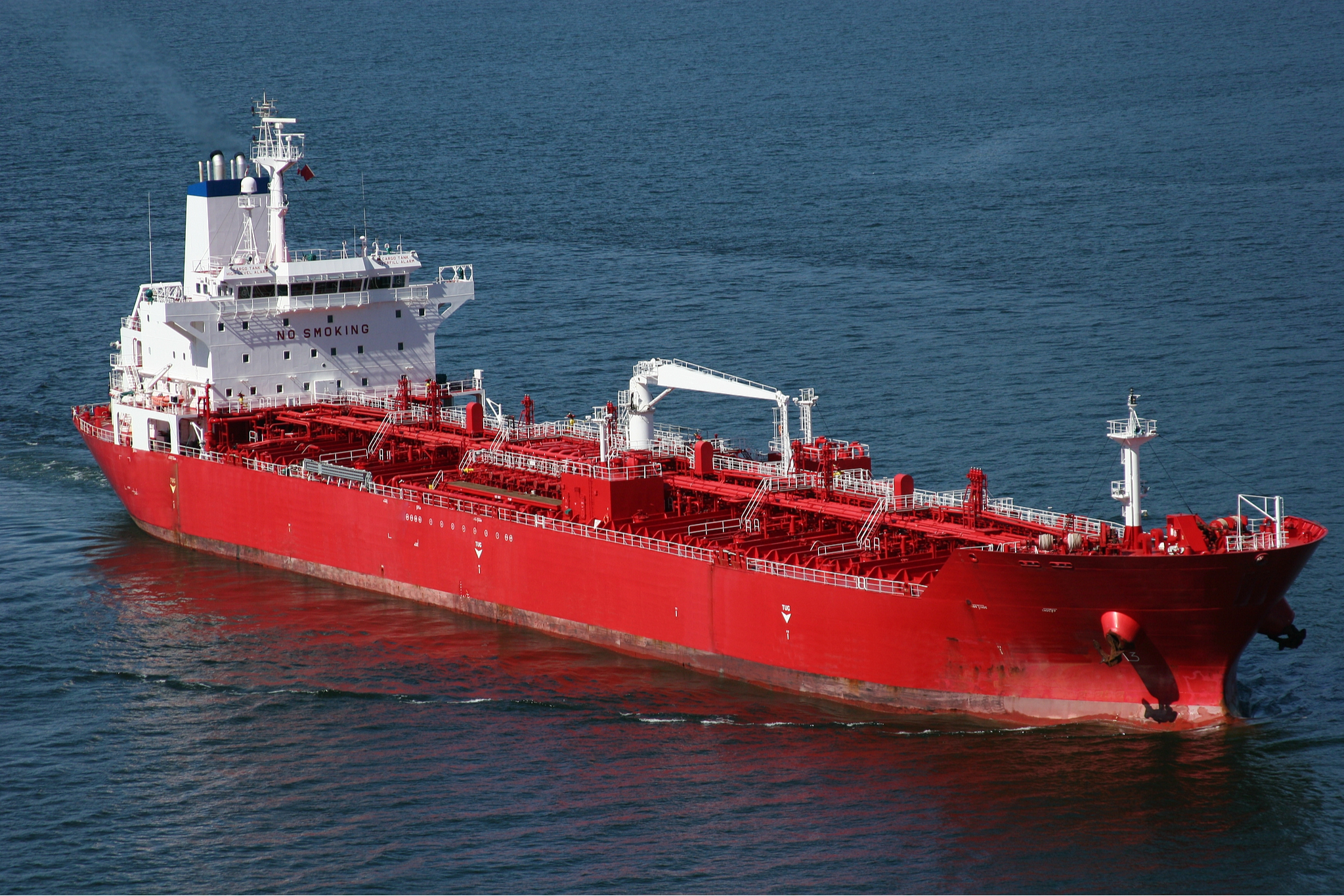

Selecting the right butyl acrylate monomer is critical for formulating architectural coatings that meet both performance and environmental standards. High-purity butyl acrylate monomer offers significant advantages in reducing odor while maintaining coating durability, adhesion, and weather resistance. This strategic choice directly impacts end-user satisfaction, regulatory compliance, and the overall quality of architectural coatings in residential and commercial applications.
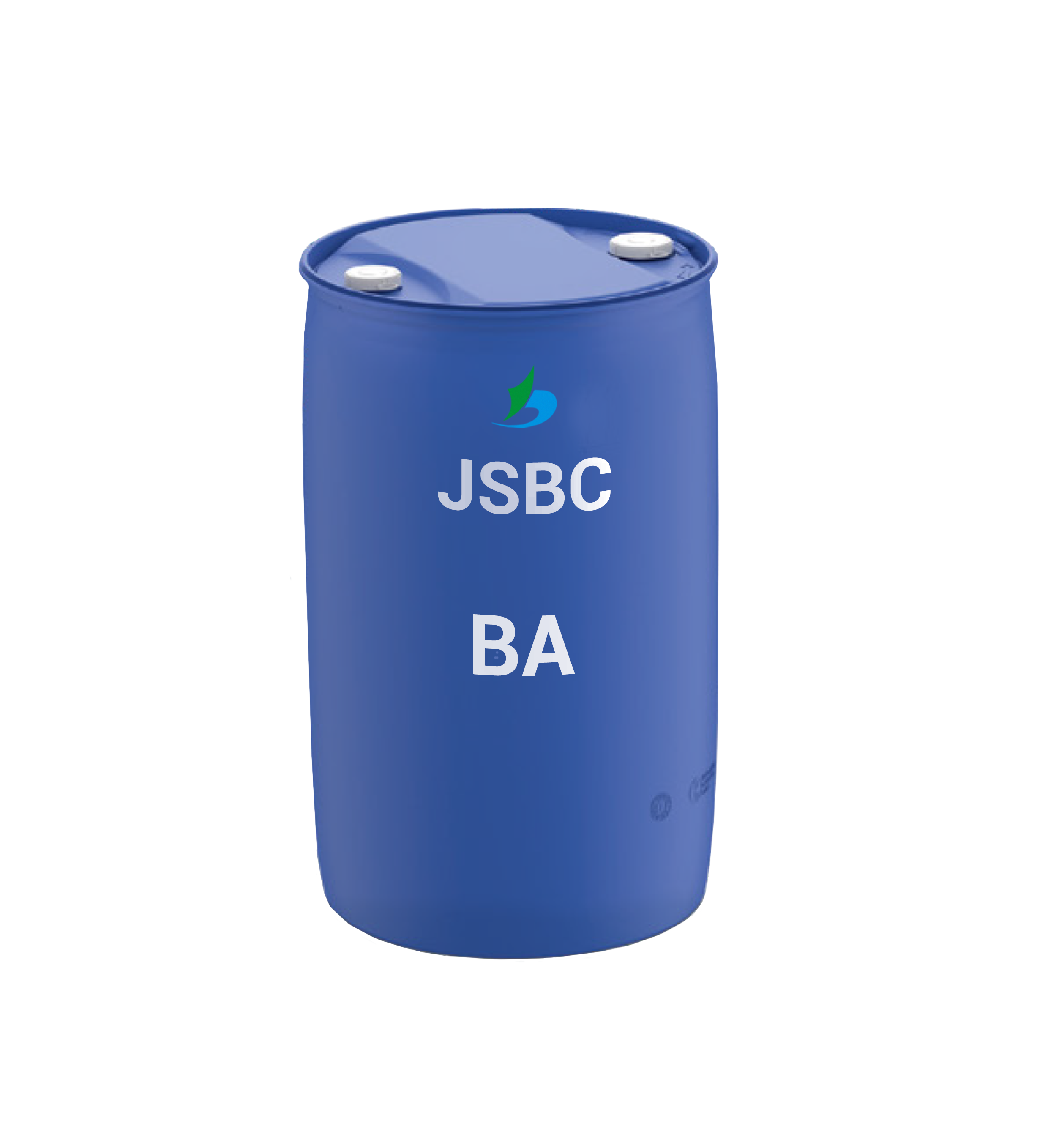
Odor in architectural coatings stems primarily from volatile organic compounds, residual monomers, and solvent systems used in formulation. By incorporating high-purity butyl acrylate monomer, coating manufacturers can significantly reduce VOC emissions and unpleasant odors without sacrificing performance characteristics. Understanding how to evaluate butyl acrylate monomer quality, purity levels, and chemical composition is essential for making informed procurement decisions that align with both technical requirements and market demand for low-odor architectural products.
High-purity butyl acrylate monomer typically contains greater than 99% active monomer content with minimal impurities and polymerized residues. The production process for butyl acrylate monomer involves strict quality control to remove catalysts, inhibitors, and oligomers that contribute to odor and coating defects. Purity levels directly affect the performance of butyl acrylate monomer in polymerization reactions, influencing polymer chain growth, cross-linking efficiency, and final coating properties.
Manufacturers measure butyl acrylate monomer purity through chromatographic analysis, determining the concentration of active monomer versus residual compounds. High-purity butyl acrylate monomer ensures consistent polymerization kinetics, reducing the need for additional odor-masking additives in architectural coatings. Lower purity grades of butyl acrylate monomer contain unreacted monomers and by-products that volatilize during application and drying, creating persistent odor problems that frustrate end-users and damage brand reputation.
The choice of butyl acrylate monomer directly influences coating adhesion, flexibility, and gloss retention in architectural applications. High-purity butyl acrylate monomer participates more efficiently in polymer chain formation, resulting in denser, more uniform coating films with improved water resistance and durability. Inferior grades of butyl acrylate monomer leave residual monomers that can plasticize the coating matrix, weakening adhesion and reducing service life in harsh environmental conditions.
Architectural coatings formulated with high-purity butyl acrylate monomer exhibit superior color stability, reduced chalk resistance, and better weathering performance over extended periods. These performance benefits translate to longer recoat intervals and reduced maintenance costs for building owners, providing tangible value justification for specifying premium butyl acrylate monomer products in professional coating systems.
When selecting butyl acrylate monomer for architectural coatings, evaluate multiple technical parameters including acid number, water content, polymerization rate, and inhibitor package composition. Acid number in butyl acrylate monomer affects polymer stability and coating cure kinetics; excessive acid promotes unwanted side reactions and odor release. Water content in butyl acrylate monomer should remain below specified thresholds to prevent hydrolysis reactions that generate acrylic acid, a volatile compound contributing significantly to coating odor.
Polymerization inhibitors in butyl acrylate monomer prevent premature gelation during storage and transportation but must be carefully selected to ensure rapid removal during coating application. Premium grades of butyl acrylate monomer utilize phenolic or aminic inhibitors that decompose efficiently at room temperature, minimizing residual inhibitor concentration in the final coating. Evaluating the inhibitor package composition of different butyl acrylate monomer suppliers helps identify sources that balance stability with low-odor performance.
High-purity butyl acrylate monomer requires proper temperature control and protective storage to maintain specification compliance throughout the supply chain. Exposure to elevated temperatures accelerates thermal polymerization in butyl acrylate monomer, increasing viscosity and reducing usable monomer concentration. Architectural coating manufacturers should partner with butyl acrylate monomer suppliers offering dedicated logistics, temperature-monitored containers, and shelf-life management documentation.
The freshness of butyl acrylate monomer critically impacts odor profiles in finished coatings because older stock contains accumulated polymerized oligomers and degradation products. Establishing long-term relationships with reliable butyl acrylate monomer suppliers ensures consistent access to fresh material with documented production dates and quality certifications. Regular audits of supplier storage facilities and transportation practices confirm that butyl acrylate monomer reaches your facility in optimal condition for formulation.
The proportion of butyl acrylate monomer in architectural coating formulas directly controls the flexibility and water resistance of the polymer matrix. High-purity butyl acrylate monomer should constitute 40–70% of the monomer composition, balanced with methyl methacrylate, ethyl acrylate, or styrene depending on desired coating properties. Increasing butyl acrylate monomer content in the formulation often reduces overall odor because the resulting polymer has greater plasticizing capacity, reducing the need for volatile plasticizers and coalescing solvents.
Careful selection of co-monomers paired with butyl acrylate monomer significantly influences odor generation and volatile organic compound emission profiles. Acrylic monomers like methyl methacrylate contribute sharp, persistent odors that overshadow the milder smell of butyl acrylate monomer; therefore, minimizing their concentration in formulas targeted at low-odor markets is advisable. Conversely, carboxylic acid monomers in combination with butyl acrylate monomer enhance weather resistance and adhesion, allowing for formulation adjustments that reduce other odor-causing components.
Modern low-odor architectural coatings leverage butyl acrylate monomer as a core component within waterborne formulation systems that inherently reduce volatile emissions. Water-based latex paints incorporating high-purity butyl acrylate monomer eliminate the need for petroleum-derived solvents, substantially cutting VOC emissions and associated odor problems. The latex particle size, surfactant selection, and coalescent package all interact with butyl acrylate monomer polymer properties to determine final odor and performance outcomes.
Combining butyl acrylate monomer with bio-based coalescing agents and natural odor counteractants creates premium low-odor architectural coating products that appeal to environmentally conscious consumers. Encapsulation technologies that trap residual monomer vapors further enhance odor reduction in coatings formulated with butyl acrylate monomer. Manufacturers pioneering these integrated approaches achieve significant competitive differentiation in residential and commercial coating markets where odor sensitivity drives purchasing decisions.
High-purity butyl acrylate monomer with greater than 99% active content is recommended for low-odor architectural coatings. This purity level minimizes residual monomers, oligomers, and polymerization catalysts that volatilize during application and drying phases, substantially reducing odor emissions. Coating manufacturers should request certificates of analysis confirming butyl acrylate monomer purity, acid number, water content, and polymerization inhibitor concentration from suppliers to ensure compliance with performance specifications.
High-purity butyl acrylate monomer contributes to superior coating durability by enabling efficient polymerization reactions that create dense, well-crosslinked polymer networks with excellent water resistance and adhesion. Inferior grades of butyl acrylate monomer leave residual monomers that can migrate out of the coating film over time, weakening the polymer matrix and reducing gloss retention, color stability, and weathering performance. Selecting premium butyl acrylate monomer ensures long-term durability and maintains architectural coating performance throughout the expected service life.
High-purity butyl acrylate monomer substantially reduces the need for odor-masking additives by minimizing volatile monomer emissions at the source. However, many low-odor architectural coatings benefit from complementary odor management strategies including low-VOC solvents, encapsulation technologies, and aromatic counteractants used in conjunction with butyl acrylate monomer formulations. A comprehensive low-odor strategy incorporating high-purity butyl acrylate monomer alongside other innovations delivers superior performance compared to odor masking alone.
 Hot News
2026-10-15
2026-10-12
2026-10-08
2026-09-07
2026-09-28
2026-09-21



 EN
EN