










Chemical solvents play a crucial role in modern industrial formulations, and few compounds demonstrate the versatility and effectiveness of n-butyl acetate in adhesive and ink applications. This ester compound has become an indispensable component in manufacturing processes where precise viscosity control, optimal drying rates, and superior compatibility are essential. Understanding the fundamental properties that make n-butyl acetate so valuable helps explain its widespread adoption across diverse industrial sectors. The chemical's unique molecular structure enables it to dissolve various polymers while maintaining stability under different operating conditions.
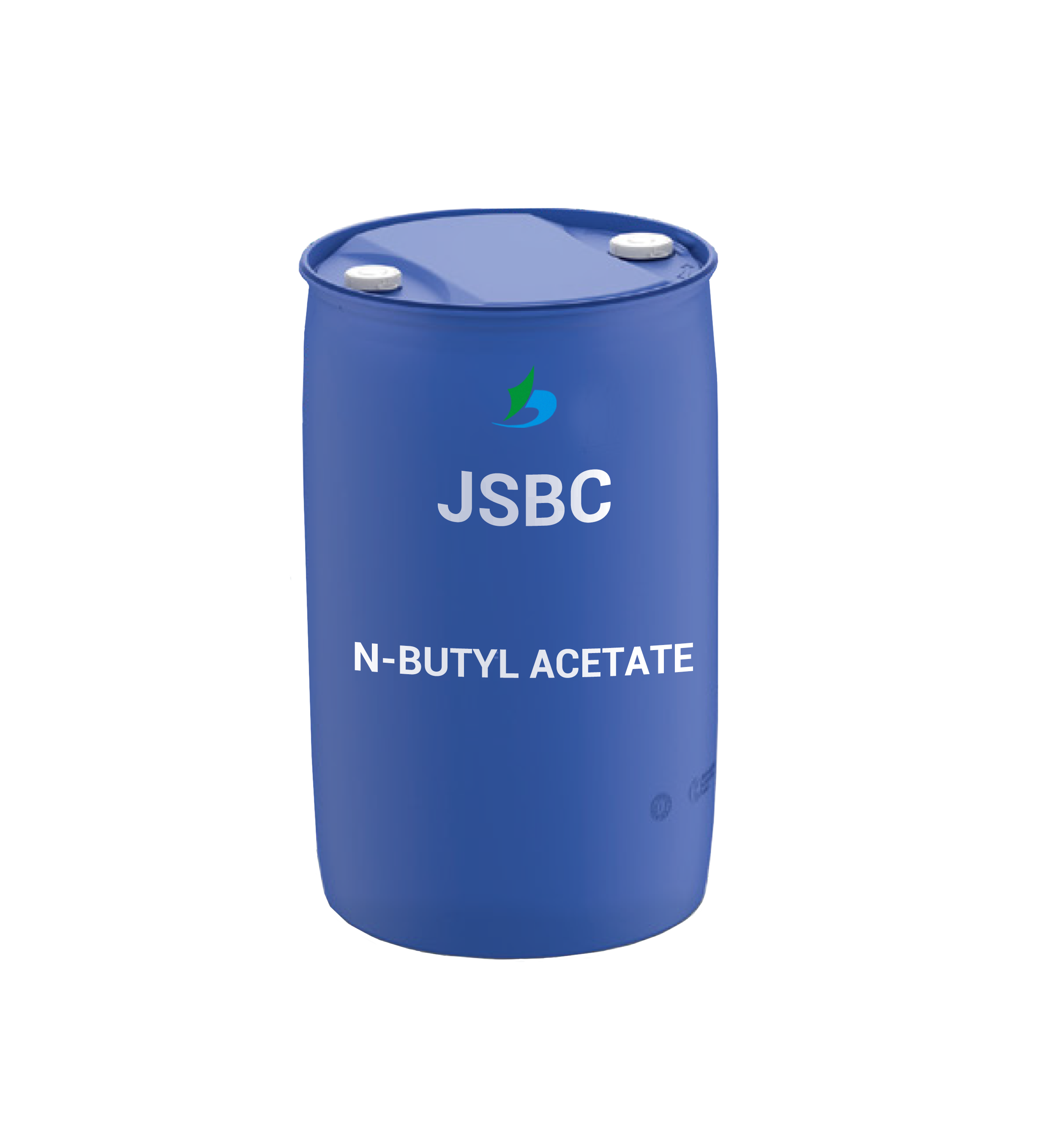
The molecular structure of n-butyl acetate contributes significantly to its effectiveness as an industrial solvent. With the chemical formula C6H12O2, this ester exhibits moderate polarity that allows it to dissolve both polar and nonpolar compounds effectively. The acetate functional group provides hydrogen bonding capabilities, while the butyl chain offers hydrophobic characteristics. This balanced polarity makes n-butyl acetate particularly suitable for formulations containing diverse chemical components. The compound's molecular weight of 116.16 g/mol provides optimal volatility for controlled evaporation rates in coating applications.
The ester linkage in n-butyl acetate creates a stable yet reactive center that influences its interaction with various polymers and resins. This chemical stability ensures consistent performance across different temperature ranges and storage conditions. The compound maintains its solvent properties even when exposed to moderate heat, making it reliable for industrial processes that involve elevated temperatures. Additionally, the molecular structure allows for efficient mixing with other solvents, creating custom solvent blends tailored to specific application requirements.
The boiling point of n-butyl acetate at 126°C provides an ideal evaporation rate for many adhesive and ink formulations. This moderate volatility allows sufficient working time for application while ensuring complete solvent removal during the curing process. The evaporation rate can be precisely controlled by adjusting temperature and air circulation, giving formulators flexibility in optimizing drying conditions. Unlike faster-evaporating solvents that may cause surface defects, n-butyl acetate provides uniform film formation with minimal orange peel or other surface irregularities.
The controlled evaporation characteristics of n-butyl acetate prevent rapid solvent loss that could lead to premature thickening of adhesive or ink formulations. This stability during application ensures consistent viscosity throughout the coating process, reducing waste and improving product quality. The predictable drying behavior allows manufacturers to establish reliable production schedules and quality control parameters. Furthermore, the moderate volatility reduces atmospheric emissions compared to more volatile alternatives, supporting environmental compliance efforts.
In adhesive formulations, n-butyl acetate serves as an excellent solvent for various polymer systems, including acrylics, polyurethanes, and vinyl resins. The compound's solvency power enables complete dissolution of high-molecular-weight polymers, creating homogeneous solutions essential for consistent adhesive performance. The compatibility of n-butyl acetate with different polymer types makes it valuable for complex adhesive formulations that incorporate multiple resin systems. This versatility allows formulators to optimize adhesive properties by combining different polymers without encountering solvent-related compatibility issues.
The dissolution process facilitated by n-butyl acetate ensures uniform distribution of additives throughout the adhesive matrix. Plasticizers, crosslinking agents, and performance modifiers dissolve readily in n-butyl acetate solutions, creating stable formulations with predictable properties. The solvent's ability to maintain polymer chains in solution prevents agglomeration and settling that could compromise adhesive quality. This stability extends shelf life and reduces the need for constant mixing during storage and application.
Precise viscosity control represents one of the most critical aspects of adhesive formulation, and n-butyl acetate excels in this application. The solvent allows formulators to adjust adhesive viscosity across a wide range, from low-viscosity penetrating adhesives to high-viscosity structural formulations. The relationship between solvent concentration and viscosity remains predictable and reproducible, enabling consistent batch-to-batch quality. This control facilitates different application methods, from spray coating to brush application, depending on the specific requirements of each project.
The flow characteristics imparted by n-butyl acetate enhance adhesive wetting and penetration into porous substrates. Good substrate wetting ensures maximum contact area and stronger bond formation, particularly important for wood, paper, and textile applications. The solvent's surface tension properties promote uniform spreading without excessive penetration that might weaken the substrate. These application characteristics contribute to improved bond strength and durability in the final adhesive joint.
Ink formulations rely heavily on n-butyl acetate for achieving optimal pigment dispersion and maintaining color stability throughout the product lifecycle. The solvent's polarity characteristics enable effective wetting of various pigment surfaces, reducing agglomeration and ensuring uniform color development. Proper pigment dispersion directly impacts print quality, color intensity, and overall visual appearance of printed materials. The compound's ability to stabilize pigment dispersions prevents settling during storage and maintains consistent color reproduction across production batches.
The interaction between n-butyl acetate and different pigment types creates stable colloidal systems that resist flocculation and color shifting. Organic and inorganic pigments both benefit from the solvent's dispersing properties, making it suitable for diverse ink formulations. The stability provided by n-butyl acetate reduces the need for additional dispersing agents, simplifying formulations and reducing costs. This pigment stability ensures that inks maintain their intended color properties throughout their shelf life and during the printing process.
Ink binders and resins require compatible solvents for proper film formation, and n-butyl acetate demonstrates excellent compatibility with common ink resins. Nitrocellulose, acrylic resins, and polyamide binders all dissolve effectively in n-butyl acetate, creating clear, stable solutions. The solvent's ability to maintain resin chains in solution prevents premature gelation and extends the working life of ink formulations. This compatibility ensures that printed films exhibit proper adhesion, gloss, and durability characteristics.
The film-forming properties enhanced by n-butyl acetate contribute to superior print quality and substrate adhesion. As the solvent evaporates, it allows resin molecules to orient properly and form continuous, defect-free films. The controlled evaporation rate prevents rapid skin formation that might trap solvent and cause film defects. This controlled drying process ensures optimal film properties, including hardness, flexibility, and chemical resistance, depending on the specific resin system employed.
Environmental regulations increasingly focus on volatile organic compound emissions, making the selection of appropriate solvents crucial for regulatory compliance. N-butyl acetate offers advantages in this regard due to its moderate vapor pressure and relatively low atmospheric reactivity compared to other common solvents. The compound's photochemical ozone creation potential remains lower than many alternative solvents, making it more environmentally acceptable in regions with strict air quality standards. Manufacturers can often use n-butyl acetate in formulations while meeting emission limits and environmental requirements.
The biodegradability of n-butyl acetate provides additional environmental benefits, as the compound breaks down naturally in both aquatic and terrestrial environments. This biodegradation reduces long-term environmental impact compared to more persistent solvents that might accumulate in ecosystems. The relatively low toxicity to aquatic organisms makes n-butyl acetate safer for facilities located near water sources. These environmental characteristics support sustainable manufacturing practices and corporate environmental responsibility initiatives.
Workplace safety considerations make n-butyl acetate an attractive choice for industrial applications where worker exposure must be minimized. The compound's moderate volatility reduces inhalation risks compared to more volatile alternatives, while its relatively low acute toxicity provides additional safety margins. Proper ventilation and standard industrial hygiene practices effectively control workplace exposure levels. The compound's pleasant, fruity odor provides natural warning properties, alerting workers to potential exposure situations before harmful concentrations develop.
The handling characteristics of n-butyl acetate support safe industrial operations through its stability and predictable behavior. The compound does not form explosive peroxides during storage and maintains chemical stability under normal industrial conditions. Standard fire prevention measures effectively control ignition risks, as the compound's flash point and autoignition temperature fall within manageable ranges. These safety characteristics reduce insurance costs and support comprehensive workplace safety programs in manufacturing facilities.
The controlled drying characteristics of n-butyl acetate enable manufacturers to optimize production efficiency while maintaining product quality. Unlike fast-evaporating solvents that may cause application problems, n-butyl acetate provides adequate open time for proper application techniques. This extended working time reduces waste from premature drying and allows correction of application defects before the coating sets. The predictable drying behavior facilitates production scheduling and quality control procedures throughout manufacturing operations.
Temperature and humidity variations have minimal impact on the drying behavior of n-butyl acetate formulations, providing consistent performance across different environmental conditions. This stability reduces quality variations between production batches and enables reliable product performance regardless of seasonal changes. The compound's evaporation rate can be modified through formulation adjustments or process conditions without requiring complete reformulation. This flexibility allows manufacturers to adapt to changing production requirements while maintaining established quality standards.
The industrial availability and established supply chains for n-butyl acetate contribute to its cost-effectiveness in large-scale manufacturing operations. Multiple suppliers and production facilities ensure stable pricing and reliable supply, reducing procurement risks for manufacturers. The compound's compatibility with existing production equipment eliminates the need for specialized handling systems or process modifications. These economic advantages make n-butyl acetate an attractive choice for cost-conscious manufacturers seeking high-performance solvent solutions.
The versatility of n-butyl acetate allows manufacturers to standardize on a single solvent for multiple product lines, reducing inventory complexity and purchasing overhead. This consolidation simplifies quality control procedures and reduces the training requirements for production personnel. The broad compatibility reduces the risk of cross-contamination between different product formulations using the same production equipment. These operational efficiencies contribute to improved profitability and simplified manufacturing operations.
N-butyl acetate offers an optimal balance of solvency power, evaporation rate, and compatibility that makes it ideal for adhesive formulations. Its moderate polarity dissolves various polymer systems effectively while providing controlled drying characteristics that prevent application defects. The compound's stability and low toxicity also support safe manufacturing processes and regulatory compliance requirements.
In ink applications, n-butyl acetate enhances pigment dispersion, prevents color shifting, and promotes uniform film formation. Its compatibility with common ink resins creates stable formulations with excellent printability characteristics. The controlled evaporation rate ensures proper film development without surface defects, resulting in superior print quality and color consistency.
N-butyl acetate demonstrates lower atmospheric reactivity and photochemical ozone creation potential compared to many alternative solvents. Its biodegradability reduces long-term environmental impact, while moderate vapor pressure helps control volatile organic compound emissions. These characteristics support environmental compliance and sustainable manufacturing practices.
The thermal stability of n-butyl acetate allows its use in processes involving elevated temperatures, though specific temperature limits depend on the application and safety requirements. The compound maintains its chemical properties and solvency characteristics across moderate temperature ranges, making it suitable for heated coating processes and high-temperature curing operations when properly controlled.
 Hot News
2026-10-15
2026-10-12
2026-10-08
2026-09-07
2026-09-28
2026-09-21



 EN
EN