Acrylate Monomers Manufacturing Solutions

All Categories

acrylate monomers manufacturing

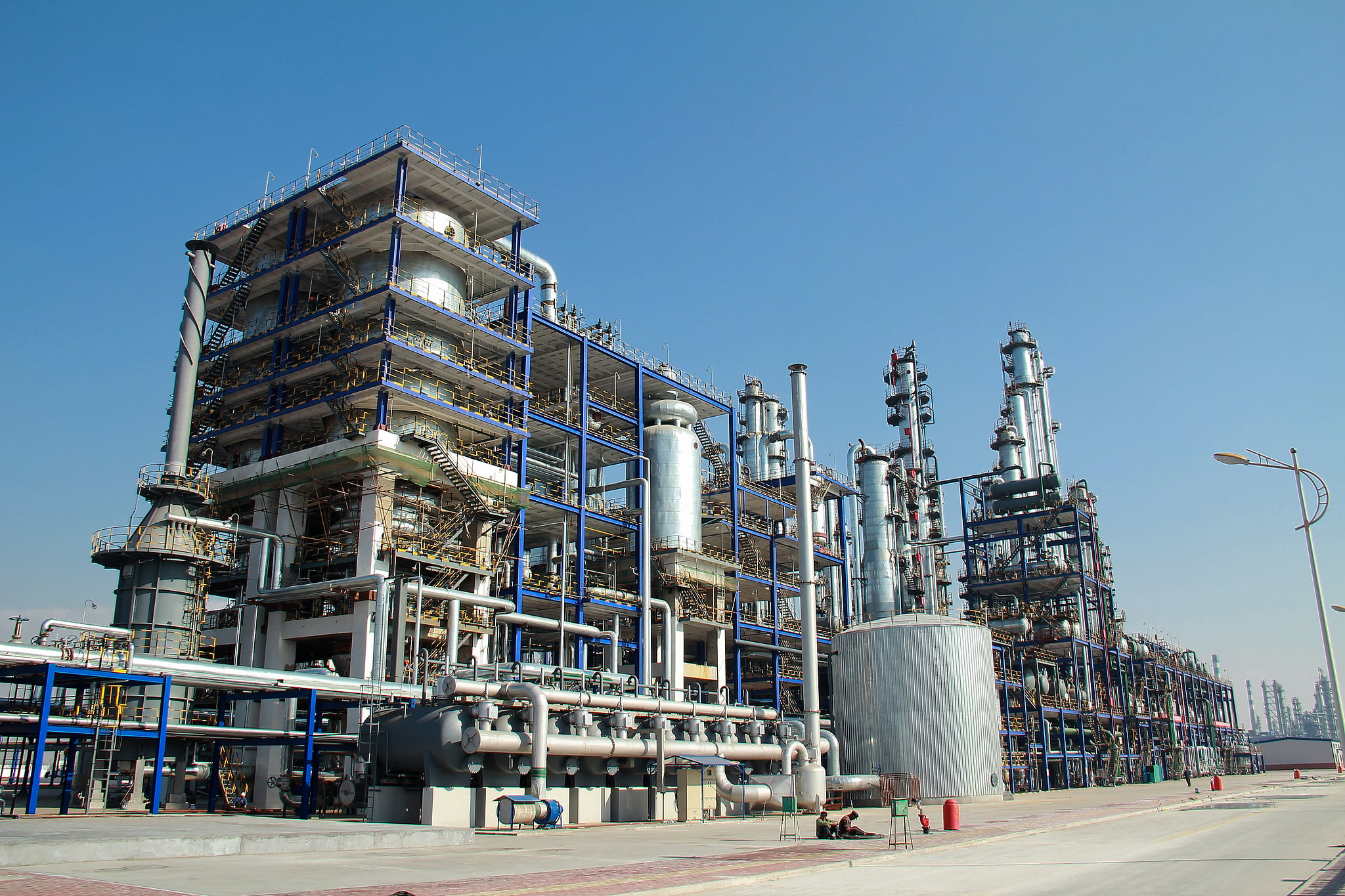
Acrylate monomers manufacturing is a sophisticated chemical production process that creates essential building blocks for polymers and resins used across numerous industries. This manufacturing process involves the synthesis of acrylic acid and its esters through controlled chemical reactions, typically using propylene or acetylene as primary raw materials. The acrylate monomers manufacturing process employs advanced catalytic systems and precise temperature control to ensure high purity and consistent quality. Modern facilities utilize continuous flow reactors and automated monitoring systems to optimize yield and minimize waste. The main functions of acrylate monomers manufacturing include producing methyl acrylate, ethyl acrylate, butyl acrylate, and 2-ethylhexyl acrylate, each serving specific application requirements. These monomers are characterized by their reactive vinyl groups, enabling polymerization and copolymerization reactions. Technological features include multi-stage purification processes, integrated safety systems, and environmentally responsible waste management protocols. The manufacturing infrastructure incorporates distillation columns, esterification reactors, and quality control laboratories to maintain product specifications. Applications span diverse sectors including adhesives, coatings, textiles, leather treatment, paper processing, and construction materials. The versatility of acrylate monomers manufacturing supports the production of water-based paints, pressure-sensitive adhesives, superabsorbent polymers, and impact modifiers for plastics. This manufacturing capability is fundamental to supplying industries that demand reliable, high-performance materials for consumer and industrial products.

Popular Products

Investing in acrylate monomers manufacturing delivers substantial practical benefits that directly impact operational efficiency and market competitiveness. Production facilities benefit from economies of scale, reducing per-unit costs while maintaining stringent quality standards throughout the manufacturing cycle. The controlled production environment ensures consistent batch-to-batch performance, which translates to predictable processing characteristics for downstream manufacturers. Companies utilizing products from acrylate monomers manufacturing operations gain access to customizable specifications tailored to their unique application requirements, eliminating the need for costly post-processing modifications. The manufacturing process supports flexible production scheduling, allowing suppliers to respond quickly to market demand fluctuations and customer-specific orders. Operational benefits include reduced inventory carrying costs through just-in-time delivery capabilities and technical support from experienced chemical engineers. Buyers value the traceability and documentation provided by established acrylate monomers manufacturing facilities, ensuring regulatory compliance and quality assurance. The application suitability extends from low-viscosity formulations for coatings to high-solid content systems for adhesives, providing versatility across multiple product lines. Decision-makers appreciate the long-term supply stability offered by dedicated manufacturing infrastructure, protecting against market disruptions and price volatility. Energy-efficient production methods lower the environmental footprint while maintaining competitive pricing structures. The technical expertise embedded in acrylate monomers manufacturing operations provides consultation services that help customers optimize formulations, troubleshoot processing challenges, and develop innovative applications. This comprehensive value proposition encompasses raw material quality, production reliability, technical partnership, and economic advantages that strengthen customer operations and end-product performance in competitive markets.

Tips And Tricks

Key Applications of Acrylate Monomers in Industrial Manufacturing

19

Jun

Key Applications of Acrylate Monomers in Industrial Manufacturing

Discover the essential properties and industrial applications of acrylate monomers, from high reactivity in polymerization to UV resistance in outdoor products. Explore their role in paints, adhesives, plastics, and textiles, along with challenges in compliance and cost optimization.
View More
Plastics and Resins: Trends in High-Performance Polymer Formulations

19

Jun

Plastics and Resins: Trends in High-Performance Polymer Formulations

Explore the key applications and emerging trends in high-performance polymer formulations across industries. Discover how epoxy resins, polyether polyols, titanium dioxide polymers, and more are shaping aerospace, automotive, and manufacturing sectors with sustainable solutions.
View More
Methyl Methacrylate Production Trends: Balancing Industrial Demand with Greener Manufacturing Practices

23

Jul

Methyl Methacrylate Production Trends: Balancing Industrial Demand with Greener Manufacturing Practices

Explore the market expansion of methyl methacrylate production, driven by key sectors like automotive and construction. Delve into global growth trends, sustainable manufacturing innovations, and strategies to reduce carbon footprints and foster an industrial-ecological balance.
View More
Maleic Anhydride Applications: Enhancing Polymer Properties with Lower Environmental Footprint

23

Jul

Maleic Anhydride Applications: Enhancing Polymer Properties with Lower Environmental Footprint

Explore how maleic anhydride enhances polymer modification, boosting adhesion and compatibility in polymer blends. Discover its role in sustainable applications across industries, from lightweight automotive composites to eco-friendly packaging solutions, driving environmental impact with improved recyclability and biodegradability.
View More

Get a Free Quote

Our representative will contact you soon.
Email
Name
Company Name
Message
0/1000

acrylate monomers manufacturing

Advanced Process Control Technology

Advanced Process Control Technology

Modern acrylate monomers manufacturing employs state-of-the-art process control systems that ensure optimal reaction conditions and superior product quality. These sophisticated systems utilize real-time monitoring sensors, automated feedback loops, and predictive algorithms to maintain precise temperature, pressure, and conversion rates throughout production. The integration of distributed control systems enables operators to identify potential issues before they affect product quality, minimizing batch rejections and maximizing yield efficiency. This technological advancement reduces production variability, ensuring that every batch meets exact specifications required by demanding applications. The automated quality assurance protocols built into the manufacturing process provide comprehensive documentation and traceability, essential for industries with strict regulatory requirements. Customers benefit from consistent material properties that simplify their own manufacturing processes, reduce formulation adjustments, and improve final product performance. The advanced control technology also enhances safety by continuously monitoring hazardous conditions and implementing automatic shutdown procedures when necessary, protecting personnel and equipment while maintaining environmental compliance standards.
Sustainable Production Practices

Sustainable Production Practices

Environmental responsibility is integral to contemporary acrylate monomers manufacturing, with facilities implementing comprehensive sustainability measures that benefit both operations and customers. Modern manufacturing plants incorporate solvent recovery systems, waste heat utilization, and water recycling infrastructure that significantly reduce environmental impact while lowering operational costs. These eco-friendly practices align with global sustainability initiatives and help customers meet their own environmental goals and corporate social responsibility commitments. Energy-efficient reactor designs and optimized catalytic processes minimize carbon footprint per unit of production, contributing to lower overall lifecycle emissions for end products. The implementation of green chemistry principles in acrylate monomers manufacturing reduces hazardous byproducts and simplifies waste treatment procedures, decreasing disposal costs and regulatory burden. Customers increasingly prefer suppliers with demonstrated environmental stewardship, as it enhances their brand reputation and satisfies stakeholder expectations. Sustainable manufacturing practices also provide long-term cost stability by reducing dependency on expensive waste management services and positioning operations to comply with evolving environmental regulations without costly retrofits or process modifications.
Comprehensive Technical Support Services

Comprehensive Technical Support Services

Leading acrylate monomers manufacturing operations distinguish themselves through extensive technical support that extends far beyond simple product delivery. Dedicated application specialists work directly with customers to optimize formulations, resolve processing challenges, and develop innovative solutions tailored to specific performance requirements. This collaborative approach accelerates product development timelines, reduces trial-and-error experimentation, and improves time-to-market for new applications. The technical expertise available from established manufacturing facilities includes analytical testing services, compatibility studies, and performance benchmarking that help customers make informed decisions about material selection and process parameters. Ongoing support throughout the product lifecycle ensures that customers can adapt to changing market demands, reformulate for cost optimization, or troubleshoot unexpected issues with confidence. Training programs and technical documentation provided by acrylate monomers manufacturing partners enhance customer capabilities, building internal expertise that improves operational efficiency. This value-added service model transforms the supplier relationship from transactional to strategic partnership, creating mutual success through shared knowledge, continuous improvement, and collaborative innovation that drives competitive advantage in dynamic markets.
email goToTop