Acrylic Monomer Fabrication Solutions & Benefits

All Categories

acrylic monomer fabrication

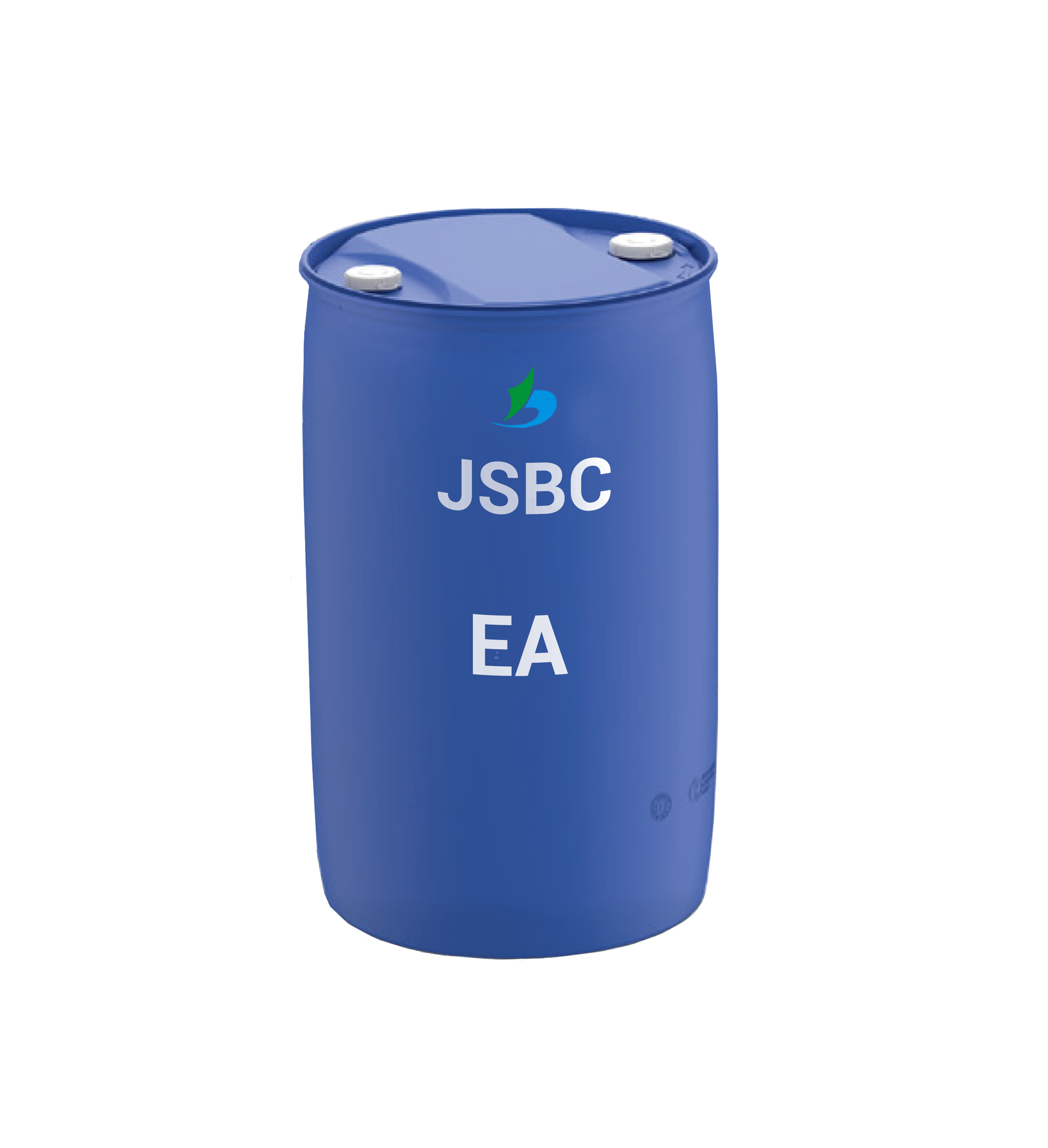
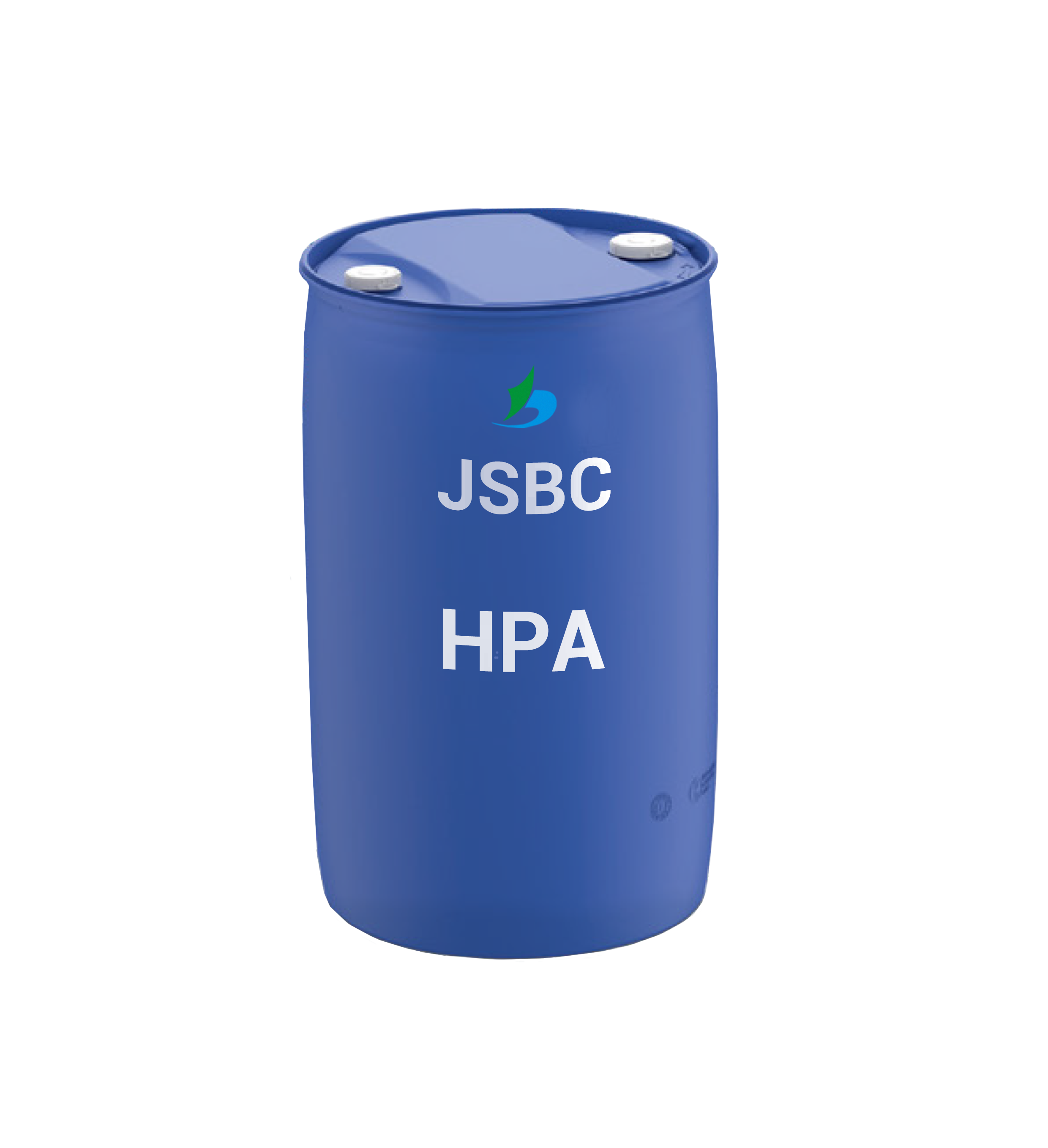
Acrylic monomer fabrication is a sophisticated chemical manufacturing process that produces essential building blocks for polymer synthesis and industrial applications. This production method involves carefully controlled reactions to synthesize acrylic monomers, including methyl methacrylate, ethyl acrylate, and butyl acrylate, which serve as fundamental raw materials for countless products. The fabrication process combines precise temperature regulation, catalyst selection, and purification techniques to ensure high-quality output that meets stringent industry standards. Modern acrylic monomer fabrication employs advanced reactor systems, continuous distillation columns, and automated control mechanisms to maintain optimal production conditions. These facilities integrate safety protocols and environmental controls to minimize emissions while maximizing yield efficiency. The technological features of acrylic monomer fabrication include multi-stage polymerization inhibition systems, real-time quality monitoring, and flexible production configurations that accommodate various monomer types. Applications span multiple industries, from automotive coatings and architectural paints to adhesives, textiles, and medical devices. The versatility of acrylic monomer fabrication enables manufacturers to produce customized formulations tailored to specific performance requirements. By utilizing state-of-the-art equipment and proven chemical engineering principles, acrylic monomer fabrication delivers consistent product quality essential for downstream polymer production. This manufacturing approach supports both large-scale commodity production and specialized niche applications, making it indispensable to modern chemical manufacturing infrastructure.

New Product Recommendations

Choosing acrylic monomer fabrication offers substantial practical benefits that directly impact your business operations and product quality. First, this manufacturing method delivers exceptional purity levels, typically exceeding 99.5 percent, which translates to superior polymer performance and reduced defects in finished products. Higher purity means your coating formulations cure more predictably, your adhesives bond more reliably, and your plastic components exhibit better mechanical properties. The operational benefits include consistent batch-to-batch reproducibility, enabling you to maintain tight quality specifications without frequent adjustments to downstream processing. Modern acrylic monomer fabrication systems operate continuously, providing steady supply that eliminates production interruptions and reduces inventory carrying costs. Energy efficiency represents another significant advantage, as contemporary fabrication plants incorporate heat recovery systems and optimized reaction pathways that lower utility consumption by up to 30 percent compared to older methods. This efficiency translates directly to cost savings that improve your competitive position. Application suitability is remarkably broad, with acrylic monomer fabrication supporting everything from water-based architectural coatings to high-performance automotive finishes and specialized medical adhesives. The flexibility to produce various monomer types within the same facility allows suppliers to respond quickly to changing market demands. From a decision-making perspective, investing in or sourcing from advanced acrylic monomer fabrication facilities provides supply chain security, regulatory compliance assurance, and technical support for formulation optimization. The robust safety systems and environmental controls built into modern fabrication operations minimize liability risks while ensuring sustainable production practices that align with corporate responsibility goals.

Latest News

Key Applications of Acrylate Monomers in Industrial Manufacturing

19

Jun

Key Applications of Acrylate Monomers in Industrial Manufacturing

Discover the essential properties and industrial applications of acrylate monomers, from high reactivity in polymerization to UV resistance in outdoor products. Explore their role in paints, adhesives, plastics, and textiles, along with challenges in compliance and cost optimization.
View More
How Acrylate Monomers Enhance Polymer Performance and Durability

19

Jun

How Acrylate Monomers Enhance Polymer Performance and Durability

Explore the transformative role of acrylate monomers in polymer enhancement, focusing on rapid polymerization processes, crosslinking with epoxy resins, and innovative formulations such as bio-based and self-healing polymers. Discover their impact across industries like automotive and construction in developing durable, sustainable materials.
View More
Sustainable Production Insights for Acrylic Acid and Key Derivatives in Industrial Applications

23

Jul

Sustainable Production Insights for Acrylic Acid and Key Derivatives in Industrial Applications

Explore the sustainable production of acrylic acid and derivatives with insights on green chemistry, renewable feedstocks, and eco-manufacturing. Discover innovations driving efficiency, regulatory impacts, and the shift towards carbon-neutral manufacturing in this comprehensive overview.
View More
Acrylamide Powder Solubility Hacks That Reduce Factory Water Use

14

Aug

Acrylamide Powder Solubility Hacks That Reduce Factory Water Use

View More

Get a Free Quote

Our representative will contact you soon.
Email
Name
Company Name
Message
0/1000

acrylic monomer fabrication

Advanced Process Control Technology

Advanced Process Control Technology

Modern acrylic monomer fabrication incorporates sophisticated process control systems that continuously monitor and adjust critical parameters throughout the production cycle. These intelligent automation platforms utilize real-time sensors to track temperature gradients, pressure fluctuations, reactant concentrations, and impurity levels with exceptional precision. The control technology automatically compensates for variations in feedstock quality, ambient conditions, and equipment performance to maintain optimal reaction conditions. This advanced monitoring prevents off-specification production, reduces waste generation, and maximizes yield efficiency. Operators receive instant alerts when parameters approach threshold limits, enabling proactive intervention before quality issues develop. The data logging capabilities provide complete traceability for quality assurance and regulatory compliance documentation. By implementing predictive analytics, these control systems identify emerging maintenance needs before equipment failures occur, minimizing unplanned downtime. The integration of machine learning algorithms continuously optimizes reaction parameters based on historical performance data, progressively improving efficiency over time. For buyers, this technological sophistication means reliable supply of consistent-quality monomers that perform predictably in your formulations, reducing technical service requirements and accelerating product development cycles.
Comprehensive Safety and Environmental Protection

Comprehensive Safety and Environmental Protection

Acrylic monomer fabrication facilities incorporate multiple layers of safety systems and environmental safeguards that protect workers, communities, and ecosystems. The inherent reactivity of acrylic monomers requires rigorous containment measures, including closed-loop transfer systems, vapor recovery units, and emergency shutdown mechanisms. Modern fabrication plants utilize pressure relief systems, flame arrestors, and inert gas blanketing to prevent hazardous conditions from developing. Environmental protection features include scrubbers that remove volatile organic compounds from exhaust streams, wastewater treatment systems that eliminate contaminants before discharge, and secondary containment structures that prevent accidental releases. Regular safety audits, employee training programs, and emergency response drills ensure operational readiness. These comprehensive protection systems reduce liability exposure for both manufacturers and customers while demonstrating corporate environmental stewardship. For purchasing decision-makers, sourcing from facilities with robust safety and environmental programs provides assurance that your supply chain partners maintain the highest operational standards. This reduces reputational risks associated with supplier incidents and supports your sustainability reporting objectives. The investment in protective infrastructure also indicates supplier stability and long-term viability, important factors when establishing strategic partnerships for critical raw material supply.
Customization and Technical Support Capabilities

Customization and Technical Support Capabilities

Leading acrylic monomer fabrication operations offer extensive customization options and dedicated technical support that help customers optimize their formulations and processes. Fabrication facilities can adjust monomer specifications, including molecular weight distribution, residual catalyst levels, and stabilizer packages, to match specific application requirements. This customization capability eliminates the need for extensive post-purchase processing or reformulation work. Technical support teams provide expertise in polymer chemistry, application technology, and regulatory compliance, serving as extension resources for your research and development efforts. They assist with troubleshooting processing issues, recommend appropriate monomer selections for new applications, and conduct compatibility testing with other formulation components. Pilot-scale production capabilities allow evaluation of modified specifications before committing to full-scale orders. The collaborative relationship between fabrication specialists and customers accelerates innovation and product improvement initiatives. Access to application laboratories equipped with coating, adhesive, and polymer testing equipment enables comprehensive performance validation. For businesses seeking competitive advantages through product differentiation, partnering with acrylic monomer fabrication suppliers that offer customization and technical support provides strategic value beyond commodity chemical purchasing. This relationship-based approach reduces time-to-market for new products and enhances the likelihood of commercial success.
email goToTop