Acrylic Monomer Factory: Quality Production

All Categories

acrylic monomer factory

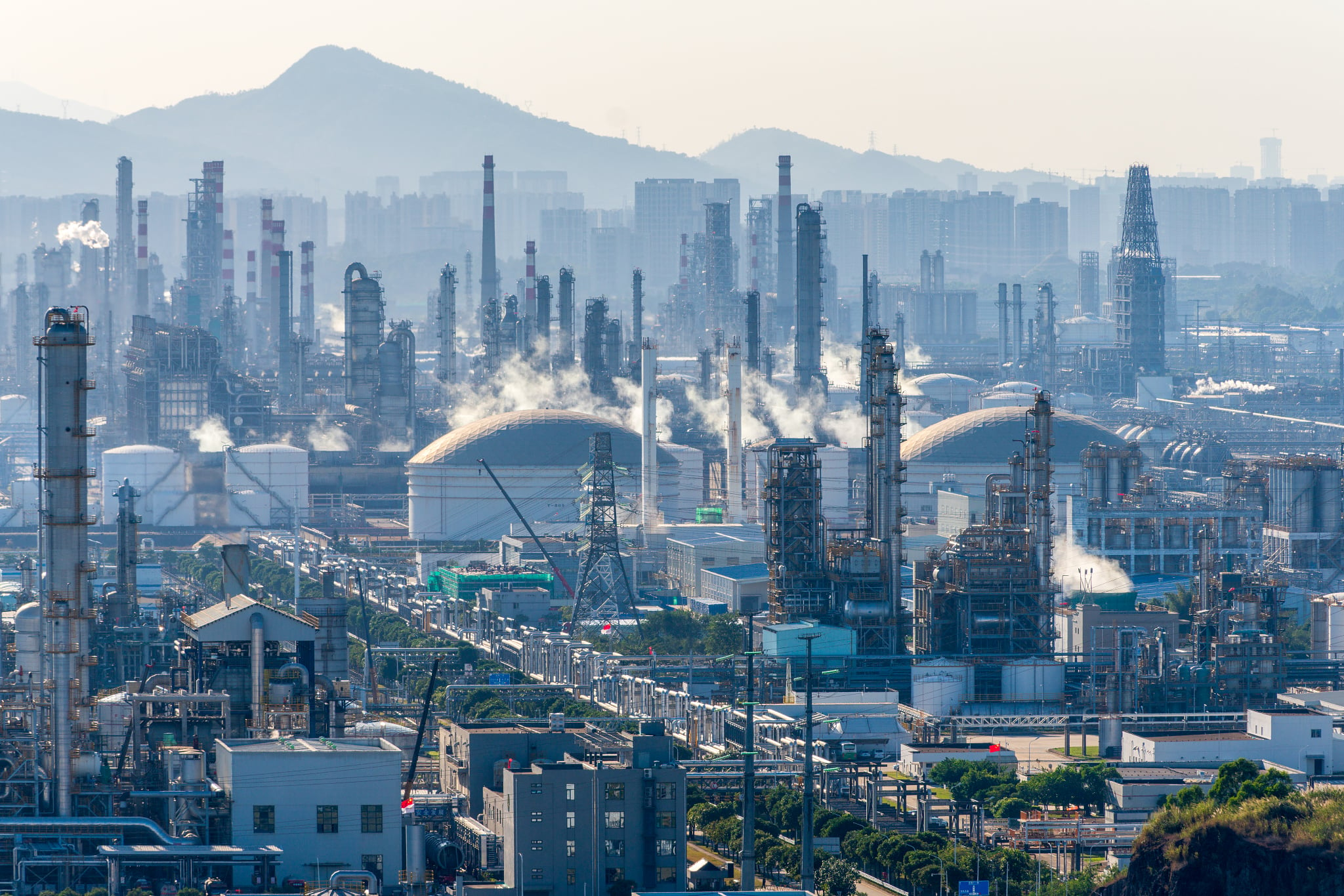
An acrylic monomer factory is a specialized industrial facility designed to produce acrylic monomers through advanced chemical synthesis processes. These factories manufacture essential raw materials such as methyl methacrylate, ethyl acrylate, and butyl acrylate, which serve as building blocks for countless polymer products. The primary function of an acrylic monomer factory involves converting base chemicals through polymerization reactions under controlled conditions to create high-purity monomers. Modern facilities incorporate sophisticated reactor systems, distillation columns, and purification equipment to ensure consistent product quality. The technological features of an acrylic monomer factory include automated process control systems, continuous monitoring capabilities, and safety mechanisms that maintain optimal reaction temperatures and pressures. These factories employ catalyst systems and advanced separation technologies to achieve exceptional conversion rates and minimize waste generation. Applications of products from an acrylic monomer factory span numerous industries including paints and coatings, adhesives, textiles, plastics manufacturing, and construction materials. The automotive sector relies on these monomers for durable surface finishes, while the electronics industry uses them in protective coatings. Medical device manufacturers utilize biocompatible acrylic monomers for various applications. The strategic importance of an acrylic monomer factory lies in its ability to supply consistent, high-quality raw materials that enable downstream manufacturers to create innovative products meeting demanding performance specifications across diverse market segments.
New Product Releases

Choosing the right acrylic monomer factory partner delivers substantial practical benefits that directly impact your business operations and product quality. Manufacturing efficiency stands as a primary advantage, as established facilities operate continuous production cycles that guarantee reliable supply chains and minimize disruption risks to your manufacturing schedule. You gain access to consistent product specifications batch after batch, eliminating quality variations that could compromise your final products. Cost effectiveness represents another significant benefit, since large-scale production capabilities allow factories to optimize raw material usage and energy consumption, translating into competitive pricing for customers. Your procurement costs become more predictable through stable pricing structures and long-term supply agreements. Quality assurance systems implemented throughout production ensure every shipment meets stringent purity standards, reducing rejection rates and rework expenses in your operations. Technical support from an acrylic monomer factory provides invaluable assistance in optimizing formulations and troubleshooting application challenges, effectively extending your research and development capabilities without additional overhead. Environmental compliance becomes simpler when partnering with factories maintaining rigorous waste management and emissions control systems, helping you meet sustainability goals and regulatory requirements. Flexibility in order volumes accommodates both large-scale industrial needs and specialized smaller quantities for custom applications. Supply security proves essential in volatile markets, as established factories maintain strategic inventory levels and backup production capacity. The geographic proximity of production facilities can reduce transportation costs and lead times, improving your inventory management efficiency. Documentation support including certificates of analysis, safety data sheets, and regulatory compliance records streamlines your quality control processes and audit requirements.

Practical Tips

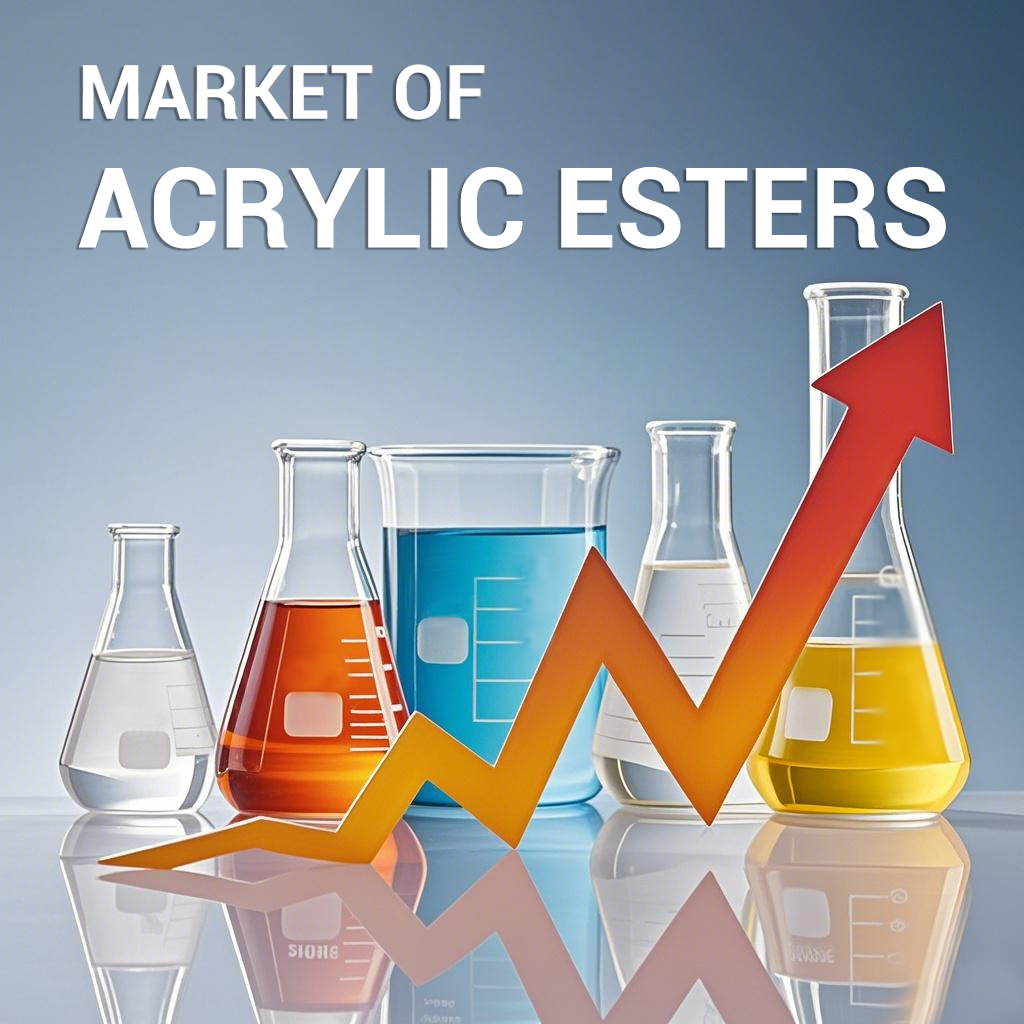
Acrylic Esters Market Witnesses Price Surge and Supply Tightness

07

Apr

Acrylic Esters Market Witnesses Price Surge and Supply Tightness

View More
Butyl Acrylate Monomer Specification Sheets for Coating Industry Formulators

23

Jul

Butyl Acrylate Monomer Specification Sheets for Coating Industry Formulators

Explore the production and chemical structure of butyl acrylate monomer, highlighting acrylic acid derivatives and their polymerization, methyl methacrylate's copolymerization role, and eco-friendly innovations in industrial coatings.
View More
Sustainable Production Insights for Acrylic Acid and Key Derivatives in Industrial Applications

23

Jul

Sustainable Production Insights for Acrylic Acid and Key Derivatives in Industrial Applications

Explore the sustainable production of acrylic acid and derivatives with insights on green chemistry, renewable feedstocks, and eco-manufacturing. Discover innovations driving efficiency, regulatory impacts, and the shift towards carbon-neutral manufacturing in this comprehensive overview.
View More
Methyl Methacrylate Production Trends: Balancing Industrial Demand with Greener Manufacturing Practices

23

Jul

Methyl Methacrylate Production Trends: Balancing Industrial Demand with Greener Manufacturing Practices

Explore the market expansion of methyl methacrylate production, driven by key sectors like automotive and construction. Delve into global growth trends, sustainable manufacturing innovations, and strategies to reduce carbon footprints and foster an industrial-ecological balance.
View More

Get a Free Quote

Our representative will contact you soon.
Email
Name
Company Name
Message
0/1000

acrylic monomer factory

Advanced Production Technology and Quality Control

Advanced Production Technology and Quality Control

An acrylic monomer factory employing cutting-edge production technology delivers superior product consistency and reliability that directly benefits your manufacturing processes. Modern facilities utilize computer-controlled reactor systems that precisely manage temperature, pressure, and catalyst introduction throughout polymerization reactions, ensuring optimal conversion rates and minimal impurities. Real-time analytical instrumentation continuously monitors product specifications during production, allowing immediate adjustments that maintain tight quality tolerances. This technological sophistication means you receive monomers with predictable molecular weight distributions and purity levels exceeding industry standards. Automated sampling and testing protocols eliminate human error while generating comprehensive quality documentation for every production batch. The integration of Industry 4.0 principles enables predictive maintenance scheduling that prevents unexpected downtime and supply interruptions. Advanced distillation systems achieve exceptional separation efficiency, removing trace contaminants that could affect your product performance. These technological capabilities translate into fewer production issues, reduced waste in your processes, and enhanced end-product properties that satisfy even the most demanding applications and customer specifications.
Sustainable Operations and Environmental Responsibility

Sustainable Operations and Environmental Responsibility

Selecting an acrylic monomer factory committed to sustainable manufacturing practices provides both immediate operational benefits and long-term strategic advantages for your business. Modern facilities incorporate closed-loop solvent recovery systems that recycle chemicals rather than generating hazardous waste, reducing environmental impact while lowering production costs that benefit customers through competitive pricing. Energy-efficient reactor designs and heat recovery systems minimize carbon footprint per unit produced, supporting your corporate sustainability initiatives and helping meet increasingly stringent environmental regulations. Water treatment systems ensure discharge compliance while reducing freshwater consumption, addressing resource scarcity concerns. Many advanced factories implement renewable energy sources and carbon offset programs, allowing you to claim indirect environmental benefits in your supply chain reporting. Waste minimization strategies convert byproducts into useful materials rather than disposal challenges. These sustainable practices reduce regulatory compliance risks for your operations and enhance your brand reputation among environmentally conscious customers. The documentation of environmental performance metrics from your acrylic monomer factory supplier strengthens your sustainability reports and demonstrates supply chain responsibility to stakeholders, investors, and certification bodies.
Comprehensive Technical Support and Supply Chain Reliability

Comprehensive Technical Support and Supply Chain Reliability

Partnering with an established acrylic monomer factory provides access to extensive technical expertise and supply chain stability that create competitive advantages for your business. Experienced technical teams offer formulation assistance, helping you optimize product designs and troubleshoot performance issues without investing in costly internal research capabilities. Application development support accelerates your innovation cycles by testing new concepts with appropriate monomer grades and providing performance data. Supply chain reliability proves essential in maintaining your production schedules, as reputable factories maintain safety stock levels, diversified raw material sources, and contingency plans that protect against disruptions. Multiple production lines and geographic manufacturing locations provide redundancy that ensures continuity even during maintenance periods or unexpected events. Flexible logistics options including bulk tankers, intermediate bulk containers, and packaged products accommodate your specific handling and storage capabilities. Regular communication regarding production schedules, inventory levels, and market conditions enables proactive planning rather than reactive crisis management. Quality complaint resolution processes and technical troubleshooting support minimize downtime when issues arise. This comprehensive support infrastructure reduces your operational risks and allows you to focus resources on core competencies rather than supplier management challenges.
email goToTop