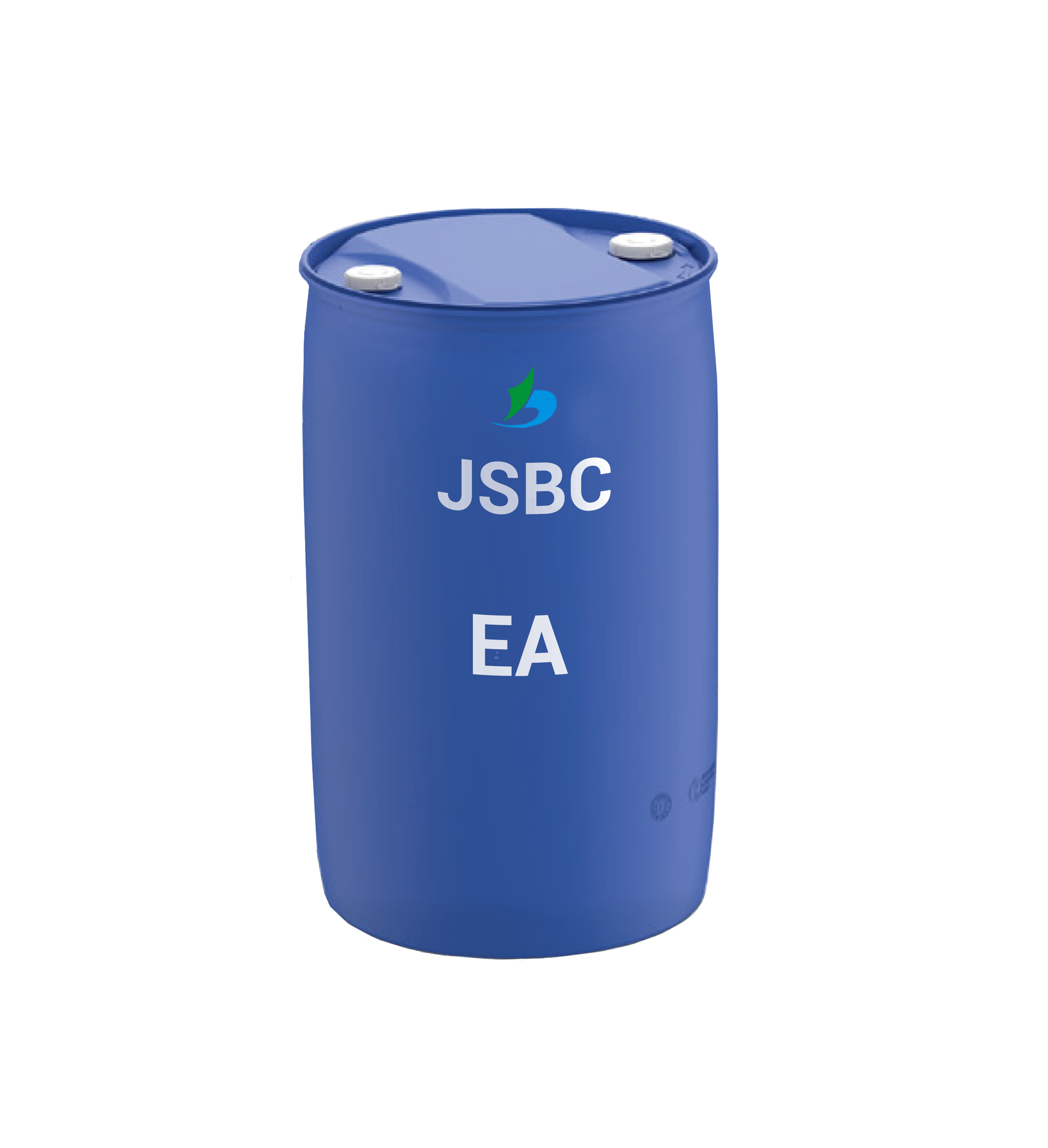
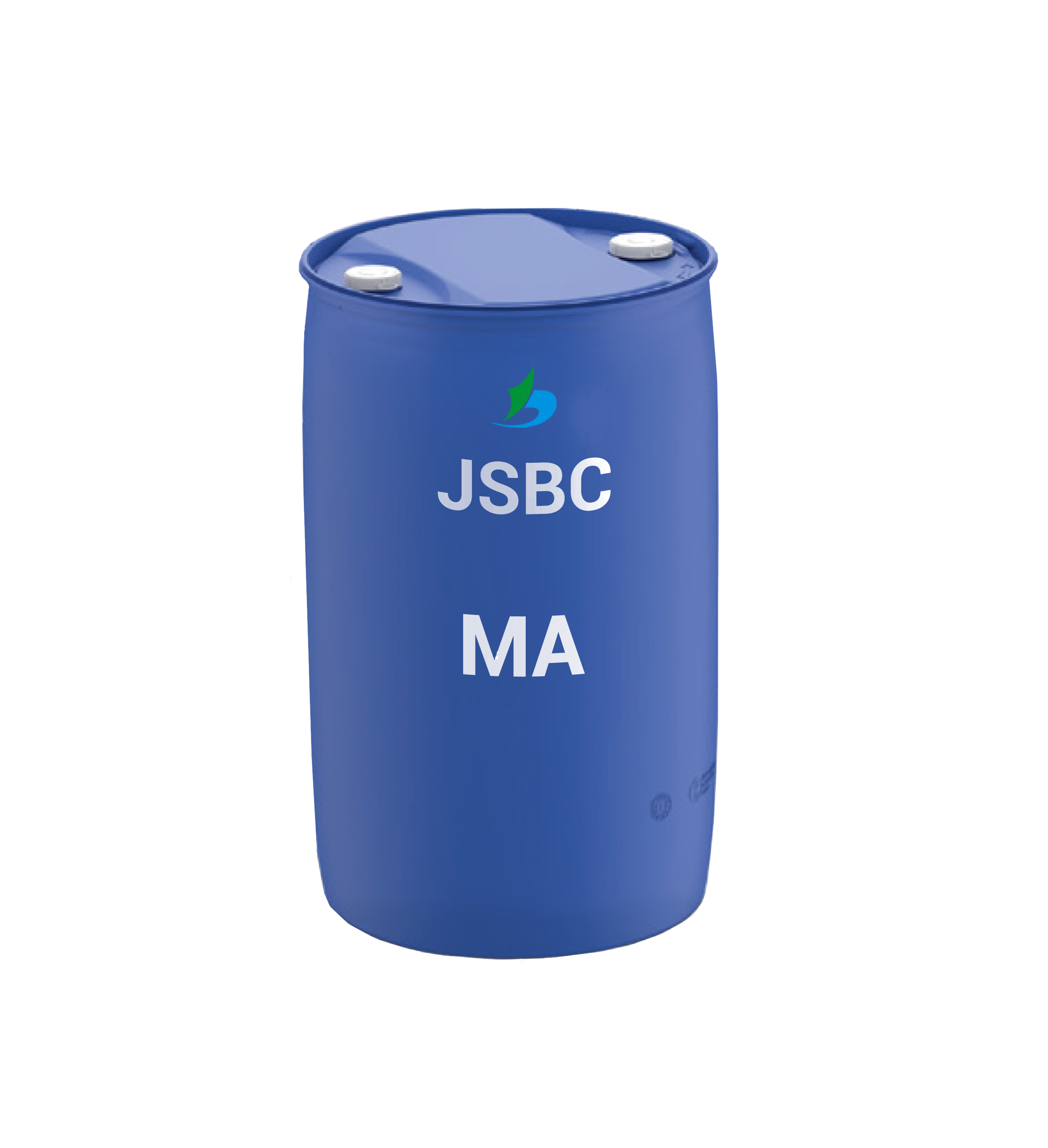
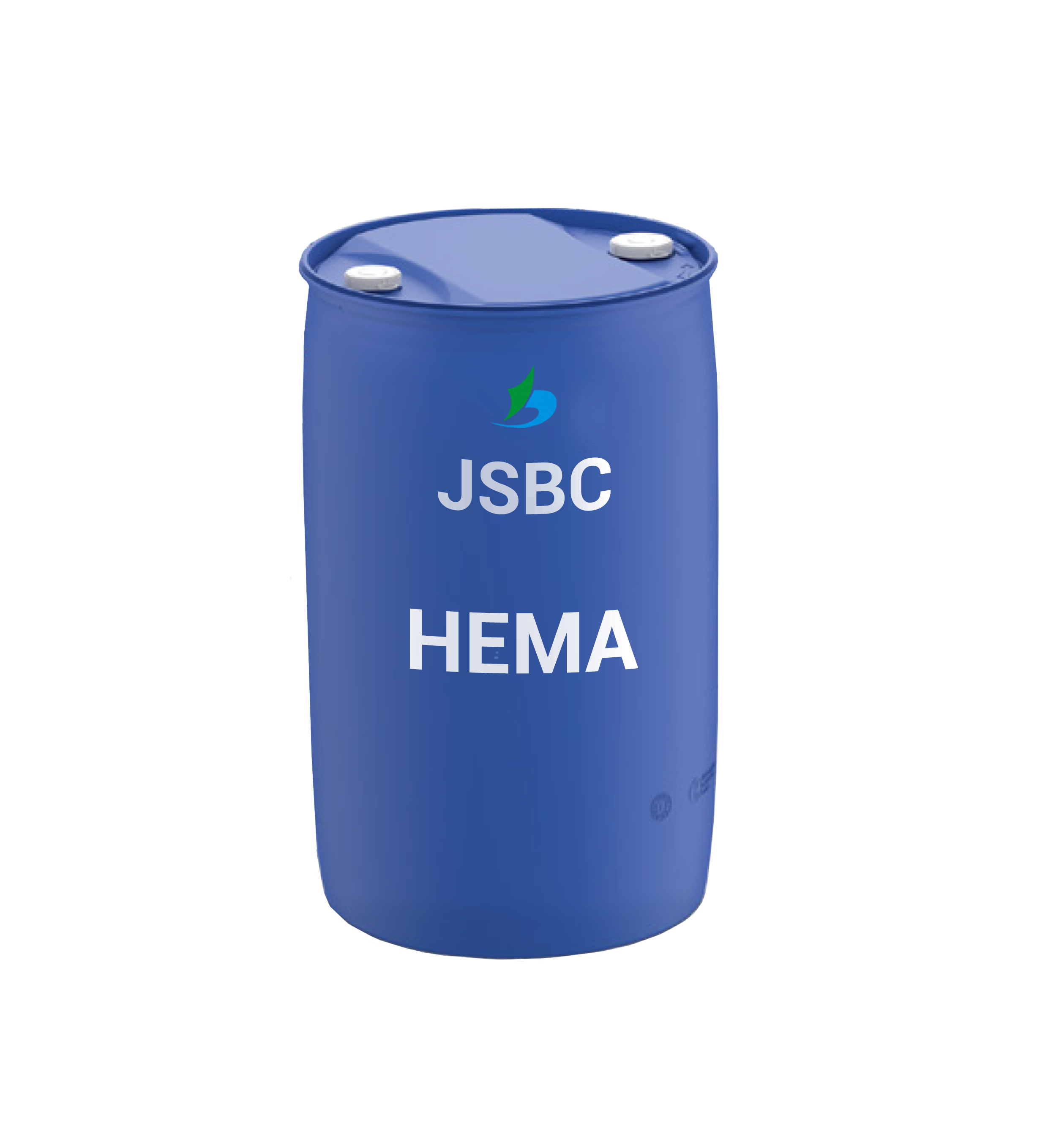
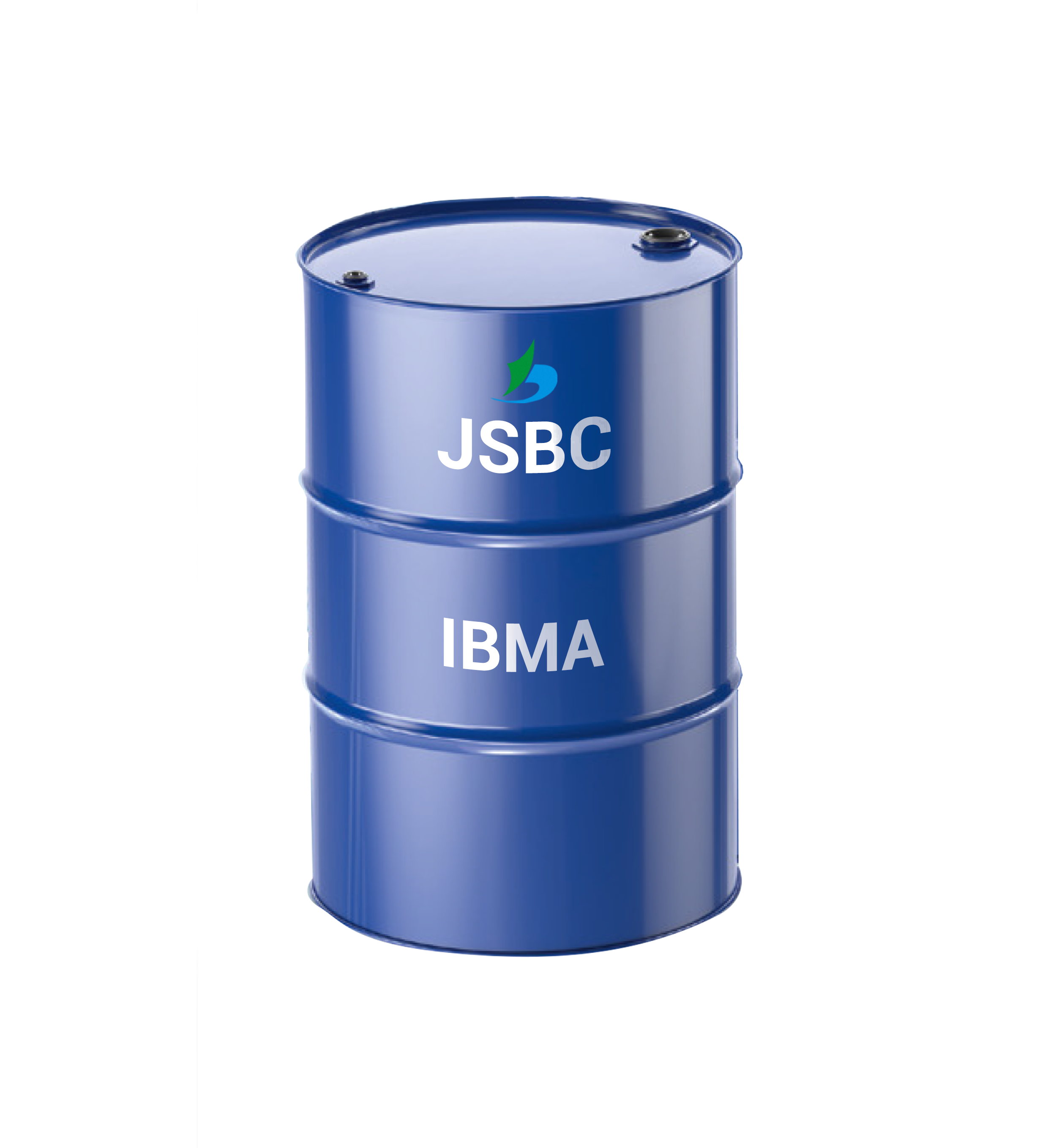
Acrylic Resin Monomer - High-Performance Polymer

All Categories

acrylic resin monomer

Acrylic resin monomer serves as the fundamental building block for creating high-performance polymers used across diverse industrial applications. This versatile chemical compound consists of reactive molecules containing acrylic or methacrylic functional groups that polymerize to form durable, transparent materials with exceptional properties. The acrylic resin monomer functions primarily as a raw material in manufacturing coatings, adhesives, plastics, and composite materials. Its technological features include rapid polymerization capabilities, excellent optical clarity, outstanding weather resistance, and superior adhesion to various substrates. The molecular structure of acrylic resin monomer allows for customization through copolymerization with other monomers, enabling manufacturers to tailor material properties for specific performance requirements. Common types include methyl methacrylate, ethyl acrylate, and butyl acrylate, each offering distinct characteristics. Applications span automotive coatings, architectural paints, dental materials, textile treatments, paper coatings, and construction sealants. The chemical stability and low volatility of acrylic resin monomer make it suitable for both solvent-based and water-based formulations. Its ability to cure through thermal, UV, or chemical initiation provides processing flexibility for manufacturers. The material demonstrates excellent color retention, chemical resistance, and mechanical strength after polymerization, making it indispensable in modern manufacturing processes where durability and aesthetic appeal are critical requirements for end products.
New Product Recommendations

Choosing acrylic resin monomer delivers significant operational and economic benefits that directly impact your production efficiency and product quality. The material offers exceptional versatility, allowing you to formulate products ranging from flexible elastomers to rigid plastics by adjusting polymerization conditions and monomer combinations. This adaptability reduces inventory complexity since one base material serves multiple applications. The fast curing characteristics of acrylic resin monomer accelerate production cycles, enabling higher throughput and reduced energy consumption compared to traditional resin systems. You gain improved cost efficiency through lower processing temperatures and shorter cycle times, directly reducing operational expenses. The superior adhesion properties eliminate the need for primers or surface pre-treatment in many applications, streamlining your manufacturing workflow and cutting material costs. Environmental advantages include low VOC emissions and compatibility with water-based systems, helping you meet increasingly stringent regulatory requirements without compromising performance. The excellent weather resistance and UV stability of acrylic resin monomer ensure your finished products maintain appearance and functionality throughout extended outdoor exposure, reducing warranty claims and enhancing customer satisfaction. The material's optical clarity creates value in applications requiring transparency, while its chemical resistance protects against degradation from cleaning agents, fuels, and industrial chemicals. Processing flexibility allows you to use existing equipment without major capital investment, as acrylic resin monomer works with standard coating, casting, and molding technologies. The consistent quality and reliable supply chains ensure production continuity, while the material's long shelf life minimizes waste from expired inventory, protecting your bottom line.

Tips And Tricks

Acrylic Esters Market Witnesses Price Surge and Supply Tightness

07

Apr

Acrylic Esters Market Witnesses Price Surge and Supply Tightness

View More
Plastics and Resins: Trends in High-Performance Polymer Formulations

19

Jun

Plastics and Resins: Trends in High-Performance Polymer Formulations

Explore the key applications and emerging trends in high-performance polymer formulations across industries. Discover how epoxy resins, polyether polyols, titanium dioxide polymers, and more are shaping aerospace, automotive, and manufacturing sectors with sustainable solutions.
View More
The Future of Engineering Plastics and Resins in Industrial Applications

19

Jun

The Future of Engineering Plastics and Resins in Industrial Applications

Discover the emerging trends and growth projections in engineering plastics, featuring a 7.3% CAGR. Explore how Asia-Pacific is dominating demand, bio-based resins fuel sustainability, and revolutionary applications in automotive and aerospace sectors.
View More
Methyl Methacrylate (MMA) in Recyclable lBC Totes for Import Efficiency

14

Aug

Methyl Methacrylate (MMA) in Recyclable lBC Totes for Import Efficiency

View More

Get a Free Quote

Our representative will contact you soon.
Email
Name
Company Name
Message
0/1000

acrylic resin monomer

Superior Weather and UV Resistance

Superior Weather and UV Resistance

The acrylic resin monomer delivers outstanding durability against environmental degradation, making it the preferred choice for outdoor applications requiring long-term performance. When polymerized, the material forms a protective barrier that resists yellowing, chalking, and gloss reduction even after years of exposure to sunlight, moisture, and temperature fluctuations. This weather resistance stems from the inherent stability of the acrylic molecular structure, which does not contain weak chemical bonds susceptible to UV-induced breakdown. For manufacturers of automotive coatings, outdoor furniture, and architectural finishes, this translates to products that maintain their aesthetic appeal and protective functions throughout their service life. The UV stability eliminates the need for additional stabilizers in many formulations, simplifying your production process while reducing raw material costs. Testing demonstrates that coatings based on acrylic resin monomer retain over ninety percent of their original properties after thousands of hours of accelerated weathering, significantly outperforming alternative resin systems. This performance advantage provides compelling value for customers seeking reduced maintenance requirements and extended product lifecycles.
Exceptional Optical Clarity and Transparency

Exceptional Optical Clarity and Transparency

The acrylic resin monomer produces materials with remarkable optical properties, offering crystal-clear transparency that rivals glass while providing superior impact resistance and lighter weight. This optical clarity results from the amorphous molecular structure that forms during polymerization, creating minimal light scattering and enabling transmission rates exceeding ninety-two percent. For applications in automotive lighting, display screens, medical devices, and optical components, this transparency is essential for functionality and aesthetic quality. The material maintains its clarity throughout processing and use, resisting the hazing and discoloration that plague other transparent polymers. Unlike polycarbonate alternatives, acrylic resin monomer demonstrates superior scratch resistance and can be polished to restore original clarity if surface damage occurs. The refractive index can be controlled through monomer selection and copolymerization, allowing you to engineer specific optical characteristics for specialized applications such as lenses, light guides, and protective glazing. This combination of transparency, durability, and processability creates unique value propositions for product designers seeking to differentiate their offerings through superior visual quality and performance.
Versatile Processing and Application Flexibility

Versatile Processing and Application Flexibility

The acrylic resin monomer offers unmatched processing versatility, accommodating multiple manufacturing methods and allowing seamless integration into existing production systems without extensive equipment modifications. The material can be processed through spray coating, dip coating, casting, injection molding, extrusion, and radiation curing, giving you the freedom to select the most cost-effective method for your specific application. This flexibility extends to curing mechanisms, as acrylic resin monomer responds to thermal activation, UV radiation, electron beam, and chemical initiators, enabling optimization for different production environments and throughput requirements. The low viscosity of many acrylic resin monomer formulations facilitates excellent flow characteristics, ensuring complete mold filling and uniform coating coverage without defects. For manufacturers transitioning from solvent-based to water-based systems, acrylic resin monomer provides chemistry that performs effectively in both environments, protecting your capital investment while meeting environmental objectives. The compatibility with numerous additives, pigments, and fillers allows extensive formulation customization to achieve specific performance targets such as enhanced hardness, flexibility, or fire resistance. This processing adaptability reduces development time and accelerates time-to-market for new products, providing competitive advantages in fast-moving industries.
email goToTop