Emulsion Polymerization of Vinyl Acetate Guide

All Categories

emulsion polymerization of vinyl acetate

The emulsion polymerization of vinyl acetate is a sophisticated chemical process that produces polyvinyl acetate (PVAc) polymers through a water-based system. This method involves dispersing vinyl acetate monomer in water with the help of emulsifiers and initiators, creating stable polymer particles in an aqueous medium. The emulsion polymerization of vinyl acetate operates at relatively low temperatures, typically between 50-80 degrees Celsius, making it energy-efficient and controllable. The process generates high molecular weight polymers with excellent film-forming properties and adhesive characteristics. The main functions of this polymerization technique include producing versatile polymers for adhesives, coatings, paints, and textile treatments. Technological features of the emulsion polymerization of vinyl acetate encompass precise control over particle size distribution, molecular weight, and polymer composition. The water-based nature of this process minimizes environmental impact by reducing volatile organic compound emissions compared to solvent-based alternatives. Applications span multiple industries including construction materials, paper coatings, wood adhesives, textile binders, and paint formulations. The emulsion polymerization of vinyl acetate delivers consistent product quality with reproducible properties, essential for industrial-scale manufacturing. This technology enables manufacturers to customize polymer characteristics by adjusting reaction parameters such as temperature, initiator concentration, and emulsifier type. The resulting latex products offer exceptional stability during storage and transportation, maintaining their performance characteristics over extended periods.
Popular Products

The emulsion polymerization of vinyl acetate offers numerous practical benefits that directly impact production efficiency and product performance. First, this water-based process significantly reduces production costs by eliminating expensive organic solvents, lowering raw material expenses while improving workplace safety. The absence of flammable solvents decreases fire hazards and simplifies facility requirements, reducing insurance premiums and safety equipment investments. Manufacturers benefit from faster reaction rates compared to alternative polymerization methods, increasing throughput and production capacity without additional capital expenditure. The emulsion polymerization of vinyl acetate provides superior heat dissipation due to water's excellent thermal conductivity, enabling better temperature control and reducing the risk of runaway reactions. This thermal management capability translates to consistent product quality and fewer production batches requiring rework or disposal. Buyers gain operational flexibility since the process easily scales from laboratory to industrial production volumes while maintaining product specifications. The resulting polymer latexes require no additional solvent removal steps, streamlining downstream processing and reducing energy consumption. Environmental compliance becomes simpler as the emulsion polymerization of vinyl acetate generates minimal volatile organic compounds, helping companies meet increasingly stringent regulations without costly emission control systems. The polymers produced exhibit excellent adhesion to various substrates including wood, paper, textiles, and certain plastics, expanding application possibilities and market opportunities. Product versatility allows manufacturers to serve multiple industries with a single production platform, optimizing asset utilization and inventory management. The emulsion polymerization of vinyl acetate delivers stable latexes with long shelf life, minimizing product waste and storage costs while ensuring reliable supply chain management.

Tips And Tricks

Acrylic Esters Market Witnesses Price Surge and Supply Tightness

07

Apr

Acrylic Esters Market Witnesses Price Surge and Supply Tightness

View More
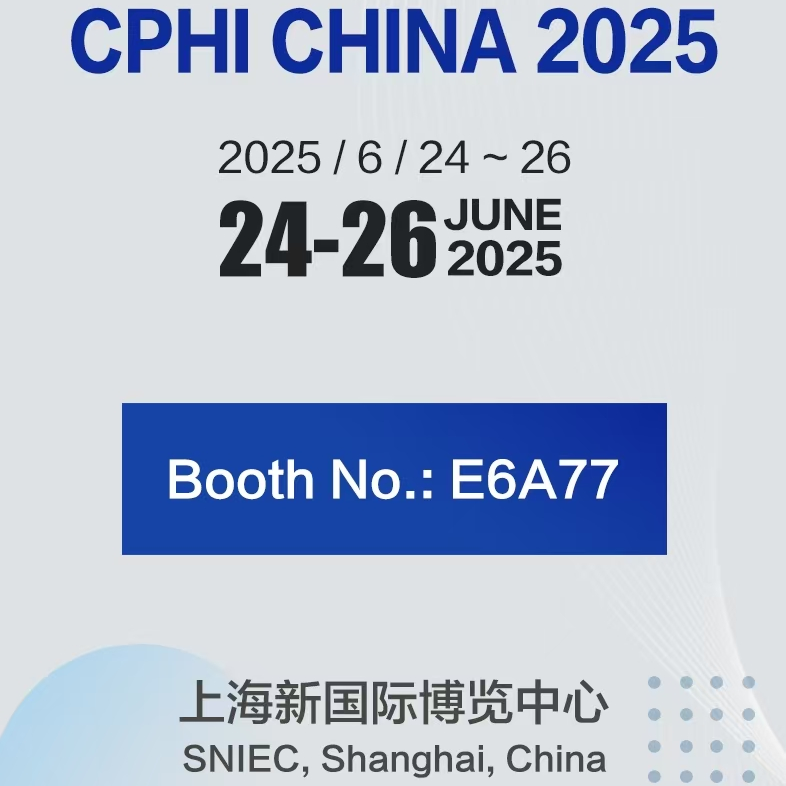
Visit Baicheng Chemical at CPHI China 2025 to Explore Pharmaceutical Solutions (Booth E6A77)

19

Jun

Visit Baicheng Chemical at CPHI China 2025 to Explore Pharmaceutical Solutions (Booth E6A77)

View More
Butyl Acrylate Monomer Specification Sheets for Coating Industry Formulators

23

Jul

Butyl Acrylate Monomer Specification Sheets for Coating Industry Formulators

Explore the production and chemical structure of butyl acrylate monomer, highlighting acrylic acid derivatives and their polymerization, methyl methacrylate's copolymerization role, and eco-friendly innovations in industrial coatings.
View More
Team-Building Hike Along Yu Mountain’s

30

Jul

Team-Building Hike Along Yu Mountain’s "Eagle Trail"

View More

Get a Free Quote

Our representative will contact you soon.
Email
Name
Company Name
Message
0/1000

emulsion polymerization of vinyl acetate

Superior Process Control and Product Consistency

Superior Process Control and Product Consistency

The emulsion polymerization of vinyl acetate enables unprecedented control over polymer properties through precise manipulation of reaction parameters. Manufacturers can systematically adjust initiator types, emulsifier concentrations, and polymerization temperatures to achieve specific molecular weights, particle size distributions, and glass transition temperatures tailored to end-use requirements. This control mechanism ensures batch-to-batch consistency, critical for customers demanding reliable performance in their formulations. The aqueous reaction medium facilitates uniform heat distribution throughout the reactor, preventing localized hot spots that could cause polymer degradation or undesirable side reactions. Advanced monitoring systems easily integrate with this process, allowing real-time adjustments that optimize yield and quality. The ability to incorporate comonomers during the emulsion polymerization of vinyl acetate creates copolymers with enhanced properties such as improved water resistance, flexibility, or adhesion strength. This customization capability provides competitive advantages for manufacturers serving diverse market segments with specialized performance requirements, from high-strength wood adhesives to flexible textile coatings.
Environmental Sustainability and Safety Benefits

Environmental Sustainability and Safety Benefits

The emulsion polymerization of vinyl acetate represents an environmentally responsible manufacturing approach that aligns with global sustainability initiatives. By utilizing water as the primary dispersion medium rather than petroleum-based solvents, this process dramatically reduces volatile organic compound emissions, contributing to cleaner air quality and healthier workplace environments. Companies implementing this technology experience lower regulatory compliance costs and avoid potential penalties associated with solvent emissions. The water-based system eliminates explosion risks associated with flammable organic solvents, substantially improving plant safety profiles and reducing insurance costs. Worker exposure to hazardous chemicals decreases significantly, lowering occupational health risks and associated liability. The emulsion polymerization of vinyl acetate generates minimal hazardous waste requiring special disposal procedures, simplifying waste management protocols and reducing environmental remediation expenses. Energy efficiency improves since water-based systems require less heating and cooling compared to solvent-based alternatives, lowering carbon footprints and operational costs. Customers increasingly prefer products manufactured through sustainable processes, providing market differentiation opportunities for companies adopting this technology.
Versatile Application Range and Performance Excellence

Versatile Application Range and Performance Excellence

Products derived from the emulsion polymerization of vinyl acetate demonstrate exceptional versatility across numerous industrial applications, delivering consistent performance that meets demanding specifications. The resulting polymer latexes form strong, flexible films with excellent adhesion to porous substrates, making them ideal for wood bonding applications in furniture manufacturing and construction materials. In paint and coating formulations, these polymers provide outstanding pigment binding, good scrub resistance, and durable protective layers that withstand environmental exposure. Textile industries utilize these latexes as binders that improve fabric strength, dimensional stability, and print quality without compromising fabric hand feel. Paper coating applications benefit from the superior film-forming characteristics that enhance printability, gloss, and surface smoothness. The emulsion polymerization of vinyl acetate produces polymers compatible with numerous additives and fillers, enabling formulators to optimize cost-performance ratios for specific applications. The latexes exhibit excellent freeze-thaw stability and mechanical stability during transportation and storage, ensuring product integrity throughout the supply chain and minimizing customer complaints related to product degradation.
email goToTop