Production of Vinyl Acetate: Process & Benefits

All Categories

production of vinyl acetate

The production of vinyl acetate represents a critical industrial process that delivers a versatile chemical compound essential for manufacturing countless everyday products. Vinyl acetate monomer, produced through carefully controlled chemical reactions, serves as a fundamental building block in polymer chemistry. The modern production of vinyl acetate primarily utilizes ethylene and acetic acid as raw materials, combined with oxygen in the presence of palladium-based catalysts. This vapor-phase reaction occurs at elevated temperatures, typically between 150-200°C, ensuring optimal conversion rates and product purity. The technological features of this process include continuous operation capabilities, advanced catalyst systems that maximize efficiency, and sophisticated purification methods that guarantee high-quality output. The production of vinyl acetate has evolved significantly over decades, incorporating energy-efficient designs and environmentally conscious practices. Main functions of the resulting vinyl acetate include polymerization into polyvinyl acetate (PVA), copolymerization with other monomers, and serving as an intermediate for producing polyvinyl alcohol and polyvinyl butyral. Applications span numerous industries, from adhesives and paints to textiles and paper coatings. The production of vinyl acetate supports the manufacturing of water-based emulsions, construction materials, and packaging films. Modern facilities achieve conversion rates exceeding 95 percent while maintaining strict quality controls. This process remains indispensable for global chemical manufacturing, with production capacity continuously expanding to meet growing market demands across diverse sectors.

New Product Recommendations

Investing in the production of vinyl acetate offers substantial practical benefits that directly impact your bottom line and operational efficiency. The streamlined manufacturing process reduces energy consumption compared to alternative chemical synthesis routes, lowering your operational costs while supporting sustainability goals. Modern production facilities achieve exceptional yields, meaning you maximize raw material utilization and minimize waste disposal expenses. The resulting product demonstrates remarkable versatility, enabling you to serve multiple market segments from a single production line, which diversifies revenue streams and reduces business risk. Production flexibility allows adjustment of output volumes based on market demand, protecting you from inventory obsolescence and storage costs. The established global supply chain for raw materials ensures consistent procurement at competitive prices, stabilizing your input costs and improving financial forecasting accuracy. The production of vinyl acetate benefits from proven technology with decades of refinement, reducing technical risks and maintenance requirements. You gain access to extensive technical support networks and industry expertise accumulated over years of commercial operation. The end products command strong market demand across resilient industries including construction, automotive, and consumer goods, providing stable sales opportunities even during economic fluctuations. Quality consistency achieved through automated process controls ensures your output meets stringent customer specifications, reducing rejection rates and strengthening customer relationships. The scalable nature of the production of vinyl acetate accommodates business growth without requiring completely new infrastructure investments. Environmental compliance becomes manageable through modern emission control systems and closed-loop processes that minimize environmental footprint while meeting regulatory requirements, protecting your reputation and avoiding costly penalties.

Practical Tips

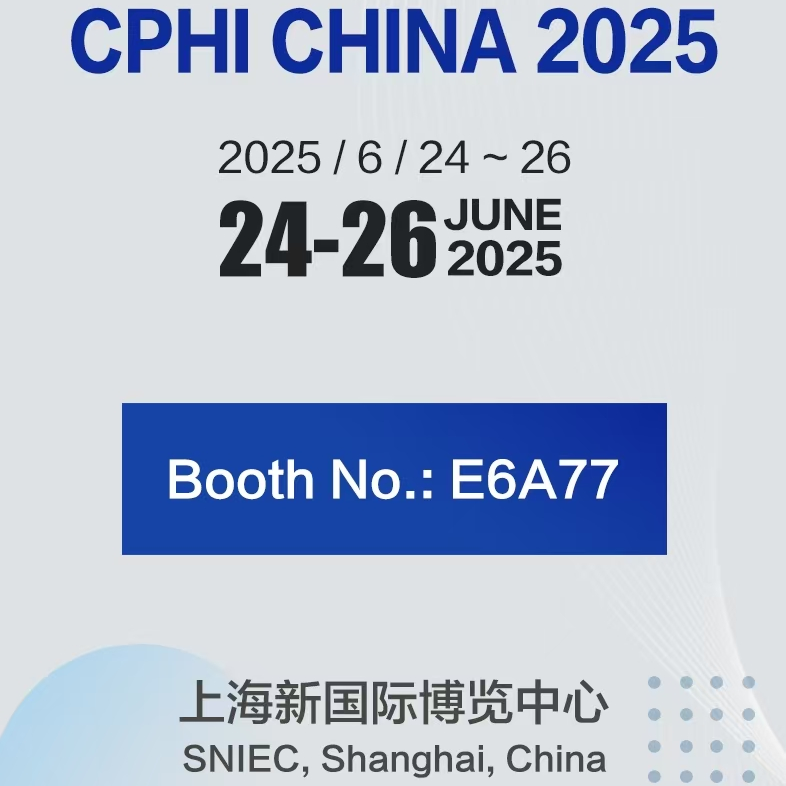
Visit Baicheng Chemical at CPHI China 2025 to Explore Pharmaceutical Solutions (Booth E6A77)

19

Jun

Visit Baicheng Chemical at CPHI China 2025 to Explore Pharmaceutical Solutions (Booth E6A77)

View More
How Specialty Intermediates Improve Efficiency in Polymer Manufacturing

19

Jun

How Specialty Intermediates Improve Efficiency in Polymer Manufacturing

Discover the crucial role of specialty intermediates in improving polymer manufacturing efficiency. Explore optimized formulations, key chemicals, and emerging sustainability trends.
View More
Ethyl Acrylate in Adhesives: Exploring Low-VOC Alternatives for Environmentally Conscious Use

23

Jul

Ethyl Acrylate in Adhesives: Exploring Low-VOC Alternatives for Environmentally Conscious Use

Explore the environmental concerns driving the demand for ethyl acrylate alternatives in the adhesive industry. This article delves into VOC emissions regulations, the rise of sustainable materials, and performance advantages of low-VOC acrylate adhesives. Discover key industry implementations and future innovations shaping the acrylate market landscape.
View More
Team-Building Hike Along Yu Mountain’s

30

Jul

Team-Building Hike Along Yu Mountain’s "Eagle Trail"

View More

Get a Free Quote

Our representative will contact you soon.
Email
Name
Company Name
Message
0/1000

production of vinyl acetate

Advanced Catalyst Technology

Advanced Catalyst Technology

The production of vinyl acetate employs sophisticated palladium-based catalyst systems that represent a significant technological advancement in chemical manufacturing. These specialized catalysts enable the reaction between ethylene, acetic acid, and oxygen to proceed with exceptional selectivity and efficiency, achieving conversion rates that consistently exceed industry benchmarks. The catalyst formulation incorporates precious metals supported on proprietary carrier materials engineered to withstand harsh reaction conditions while maintaining activity over extended periods. This longevity translates directly into reduced downtime for catalyst replacement and lower operational costs for manufacturers. The catalyst system operates effectively across a wide temperature range, providing operational flexibility that accommodates varying feedstock qualities and production demands. Regular catalyst regeneration procedures restore performance without complete replacement, further enhancing economic viability. The precision of modern catalyst technology minimizes unwanted side reactions that could produce impurities or waste byproducts, ensuring superior product quality while reducing environmental impact. For businesses evaluating the production of vinyl acetate, understanding catalyst performance represents a critical factor in assessing long-term profitability and competitive positioning in the marketplace.
Energy-Efficient Process Design

Energy-Efficient Process Design

Contemporary production of vinyl acetate incorporates energy-efficient design principles that significantly reduce operational expenses while supporting corporate sustainability initiatives. The exothermic nature of the vinyl acetate synthesis reaction generates substantial heat, which modern facilities capture and redirect through sophisticated heat integration systems. These thermal management systems convert reaction heat into useful energy for preheating feedstocks, generating steam, or providing heat to other facility processes, dramatically improving overall energy efficiency. Advanced reactor designs optimize heat transfer characteristics, maintaining uniform temperature profiles that maximize catalyst effectiveness while minimizing energy input requirements. Automated control systems continuously monitor and adjust operating parameters, ensuring the process operates at optimal efficiency points that balance production rate, product quality, and energy consumption. The integration of variable frequency drives on major equipment reduces electricity consumption during periods of lower production demand. Insulation systems utilizing cutting-edge materials minimize heat losses to the environment, preserving energy within the process boundaries. For manufacturers considering the production of vinyl acetate, these energy-saving features translate into lower utility bills, reduced carbon emissions, and enhanced competitiveness in markets increasingly focused on environmental responsibility and operational excellence.
Versatile Product Applications

Versatile Product Applications

The production of vinyl acetate creates a chemical intermediate with remarkably diverse applications across numerous industries, providing manufacturers with multiple market opportunities and revenue diversification. Polyvinyl acetate emulsions produced from vinyl acetate serve as the foundation for water-based adhesives used in woodworking, packaging, and bookbinding, representing billion-dollar global markets with consistent demand. The textile industry relies on vinyl acetate copolymers for fabric treatments that enhance durability, appearance, and performance characteristics. Paint and coating formulations incorporate vinyl acetate polymers to achieve desired flow properties, adhesion characteristics, and film formation qualities that meet exacting customer specifications. The construction sector utilizes vinyl acetate-based products in cement modifiers, grouts, and sealants that improve workability and long-term performance of building materials. Polyvinyl alcohol, derived from vinyl acetate, finds applications in packaging films, paper coatings, and specialized industrial processes. This application diversity insulates producers from market fluctuations affecting any single industry sector, providing business stability and growth opportunities. The production of vinyl acetate positions manufacturers to serve emerging applications in sustainable packaging, advanced composites, and specialty chemicals, ensuring relevance in evolving markets and supporting long-term business viability.
email goToTop