Hydroxyethyl Acrylate - Properties & Uses

All Categories

hydroxyethyl acrylate

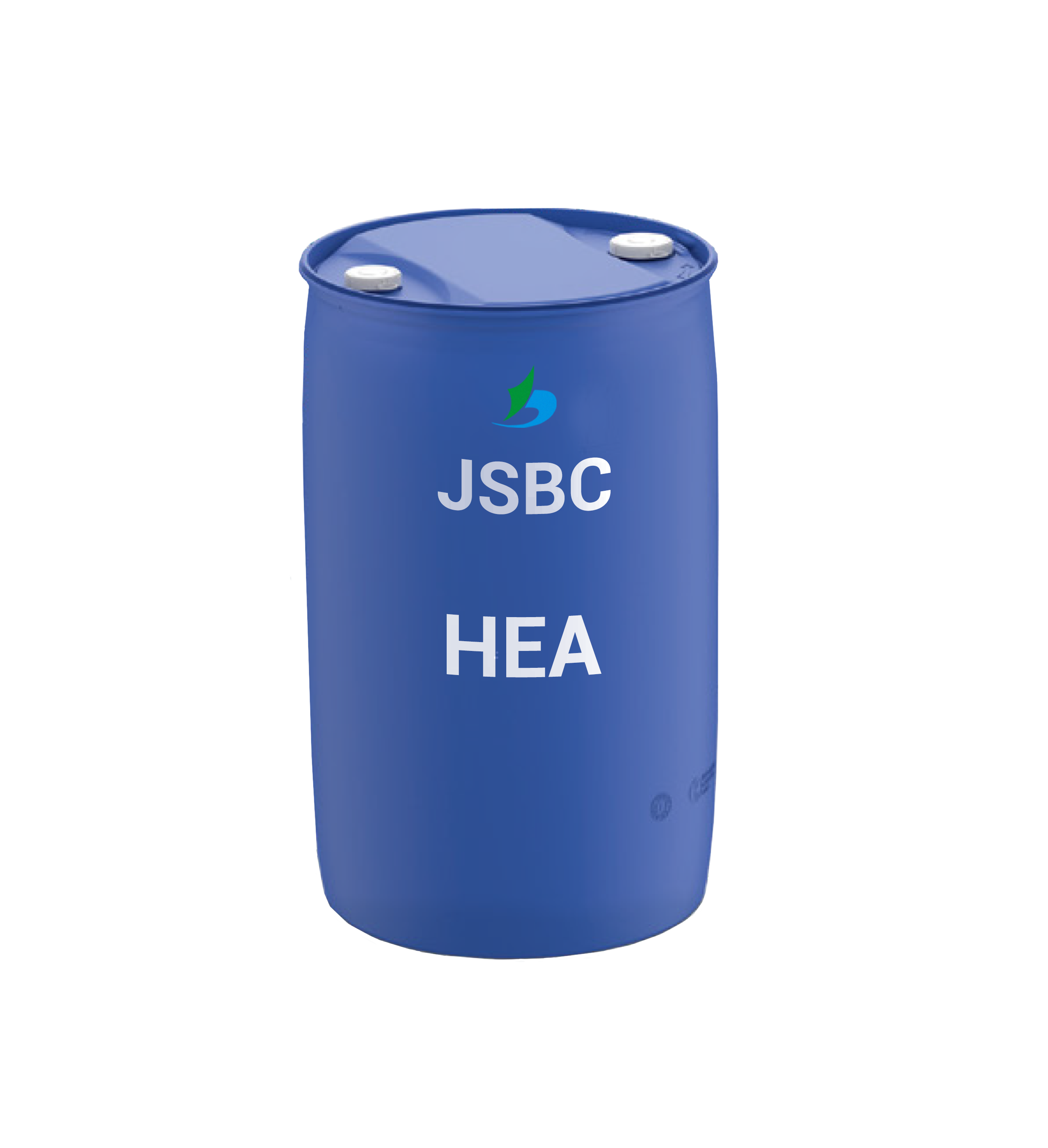
Hydroxyethyl acrylate is a versatile chemical compound that serves as a crucial building block in modern polymer chemistry and industrial manufacturing. This colorless liquid monomer combines the reactive properties of acrylic functionality with a hydroxyl group, creating unique characteristics that make it indispensable across numerous sectors. Hydroxyethyl acrylate demonstrates exceptional reactivity during polymerization processes, enabling manufacturers to produce specialized materials with tailored properties. The molecular structure of hydroxyethyl acrylate allows it to participate in various chemical reactions, including free radical polymerization and crosslinking mechanisms. Its primary functions include serving as a reactive diluent, improving adhesion properties, and enhancing flexibility in final products. Technological features of hydroxyethyl acrylate encompass excellent water solubility, outstanding film-forming capabilities, and superior compatibility with diverse resins and polymers. These attributes make it particularly valuable in formulating advanced coating systems, adhesives, and specialty polymers. Applications span multiple industries, from architectural coatings and automotive finishes to textile treatments and photopolymer printing plates. In medical applications, hydroxyethyl acrylate contributes to biocompatible materials and drug delivery systems. The compound also plays a vital role in producing UV-curable formulations, offering rapid curing times and energy efficiency. Its ability to modify surface characteristics and introduce functional groups makes hydroxyethyl acrylate an essential component for manufacturers seeking to optimize product performance and meet stringent quality standards across demanding applications.

Popular Products

Choosing hydroxyethyl acrylate delivers tangible benefits that directly impact your production efficiency and product quality. This monomer offers exceptional value by reducing formulation complexity while enhancing final product performance. Manufacturing operations benefit from its excellent processing characteristics, including low viscosity that facilitates easy handling and mixing during production. The compound requires minimal special equipment, reducing capital investment and operational costs. Its outstanding compatibility with various resin systems eliminates the need for multiple specialty additives, streamlining inventory management and reducing procurement expenses. For buyers seeking reliable performance, hydroxyethyl acrylate provides consistent quality that translates into predictable manufacturing outcomes. The compound enhances adhesion to diverse substrates, including metals, plastics, and glass, which expands application possibilities and reduces product rejection rates. Products formulated with hydroxyethyl acrylate demonstrate improved durability and weather resistance, extending service life and reducing warranty claims. Its water solubility enables easy cleanup and reduced solvent usage, supporting environmental compliance and workplace safety initiatives. Operational benefits include faster curing times when used in UV or radiation-curable systems, increasing throughput and reducing energy consumption. The hydroxyl functionality allows for secondary crosslinking reactions, creating products with superior chemical and thermal resistance. Application suitability spans from high-performance industrial coatings requiring exceptional hardness to flexible consumer products demanding softness and elasticity. Decision-makers appreciate that hydroxyethyl acrylate meets stringent regulatory requirements globally, simplifying market entry and reducing compliance risks. Its proven track record across industries provides confidence in long-term supply stability and technical support availability, making it a strategic choice for companies focused on sustainable growth and competitive advantage.

Tips And Tricks

Plastics and Resins: Trends in High-Performance Polymer Formulations

19

Jun

Plastics and Resins: Trends in High-Performance Polymer Formulations

Explore the key applications and emerging trends in high-performance polymer formulations across industries. Discover how epoxy resins, polyether polyols, titanium dioxide polymers, and more are shaping aerospace, automotive, and manufacturing sectors with sustainable solutions.
View More
The Future of Engineering Plastics and Resins in Industrial Applications

19

Jun

The Future of Engineering Plastics and Resins in Industrial Applications

Discover the emerging trends and growth projections in engineering plastics, featuring a 7.3% CAGR. Explore how Asia-Pacific is dominating demand, bio-based resins fuel sustainability, and revolutionary applications in automotive and aerospace sectors.
View More
Maleic Anhydride Applications: Enhancing Polymer Properties with Lower Environmental Footprint

23

Jul

Maleic Anhydride Applications: Enhancing Polymer Properties with Lower Environmental Footprint

Explore how maleic anhydride enhances polymer modification, boosting adhesion and compatibility in polymer blends. Discover its role in sustainable applications across industries, from lightweight automotive composites to eco-friendly packaging solutions, driving environmental impact with improved recyclability and biodegradability.
View More
2-Hydroxyethyl Acrylate (HEA) Shelf-Life Tips for Overseas Stockists

14

Aug

2-Hydroxyethyl Acrylate (HEA) Shelf-Life Tips for Overseas Stockists

View More

Get a Free Quote

Our representative will contact you soon.
Email
Name
Company Name
Message
0/1000

hydroxyethyl acrylate

Superior Film Formation and Surface Properties

Superior Film Formation and Surface Properties

Hydroxyethyl acrylate excels in creating high-quality films with exceptional surface characteristics that meet demanding performance specifications. The hydroxyl group within its molecular structure provides active sites for hydrogen bonding, resulting in coatings with outstanding adhesion to various substrates without requiring extensive surface preparation. This chemical functionality enables the formation of dense, uniform films that resist environmental degradation, chemical exposure, and mechanical stress. When incorporated into coating formulations, hydroxyethyl acrylate significantly improves gloss retention, color stability, and overall aesthetic appeal over extended service periods. The compound facilitates excellent pigment dispersion, ensuring consistent color development and reducing settling issues during storage. Its film-forming capability extends to flexible substrates, where it maintains integrity during repeated bending and stretching cycles. Manufacturers utilizing hydroxyethyl acrylate in their formulations report reduced defect rates, including fewer pinholes, craters, and surface irregularities. The resulting products demonstrate superior resistance to staining, scratching, and UV degradation, providing end-users with durable surfaces that maintain appearance and functionality throughout their lifecycle. This performance advantage translates directly into customer satisfaction and reduced maintenance costs across applications ranging from automotive finishes to wood coatings and industrial protective systems.

Enhanced Crosslinking Capabilities for Durability

Enhanced Crosslinking Capabilities for Durability

The unique dual functionality of hydroxyethyl acrylate delivers exceptional crosslinking performance that creates robust three-dimensional polymer networks with superior mechanical properties. The acrylic group enables rapid free radical polymerization, while the hydroxyl group provides secondary reaction sites for thermal or catalytic crosslinking with isocyanates, melamine resins, and other curing agents. This dual reactivity allows formulators to design materials with precisely controlled hardness, flexibility, and chemical resistance tailored to specific application requirements. Products incorporating hydroxyethyl acrylate demonstrate remarkable resistance to solvents, acids, alkalis, and aggressive cleaning agents, making them ideal for demanding industrial environments. The crosslinked polymer networks exhibit excellent thermal stability, maintaining structural integrity at elevated temperatures without softening or degrading. This characteristic proves essential in automotive underhood applications, industrial baking finishes, and high-temperature adhesives. The controlled crosslinking also enhances abrasion resistance, extending product lifespan in high-wear applications such as flooring systems and protective coatings. Manufacturers benefit from flexible curing schedules, as hydroxyethyl acrylate systems can be formulated for room temperature curing or accelerated processing at elevated temperatures. This versatility optimizes production scheduling and reduces energy costs while maintaining consistent product quality and performance characteristics that exceed customer expectations.
Environmentally Responsible Formulation Options

Environmentally Responsible Formulation Options

Hydroxyethyl acrylate enables the development of environmentally responsible formulations that align with global sustainability initiatives and increasingly stringent regulatory requirements. Its water solubility facilitates the creation of waterborne coating and adhesive systems that dramatically reduce volatile organic compound emissions compared to traditional solvent-based alternatives. Manufacturers adopting hydroxyethyl acrylate in their formulations can achieve compliance with environmental regulations while maintaining or improving product performance characteristics. The compound contributes to safer workplace conditions by minimizing worker exposure to hazardous solvents and reducing fire and explosion risks associated with flammable materials. Its compatibility with bio-based polymers and renewable raw materials supports the transition toward sustainable chemistry practices without compromising functionality. Products formulated with hydroxyethyl acrylate typically require less material to achieve desired performance levels, reducing packaging, transportation, and disposal costs throughout the product lifecycle. The compound participates in efficient UV-curable systems that eliminate thermal curing energy requirements, significantly reducing carbon footprint during manufacturing operations. End-of-life considerations benefit from the compound's ability to create recyclable products and its compatibility with emerging circular economy initiatives. Companies incorporating hydroxyethyl acrylate demonstrate environmental stewardship that resonates with environmentally conscious consumers and meets corporate sustainability goals while maintaining competitive pricing and performance advantages.
email goToTop