Monomer Vinyl Acetate: Properties & Applications

All Categories

monomer vinyl acetate

Monomer vinyl acetate is a crucial chemical building block widely utilized in the production of polymers and copolymers across numerous industries. This colorless liquid compound, with the chemical formula C4H6O2, serves as the foundation for manufacturing polyvinyl acetate (PVA) and various other essential materials. Monomer vinyl acetate exhibits excellent reactivity, allowing it to polymerize readily under controlled conditions to create versatile products with diverse applications. The compound features a vinyl group that enables efficient polymerization reactions, making it indispensable in adhesive formulations, coating systems, and textile treatments. Its technological features include rapid polymerization capability, excellent compatibility with other monomers, and the ability to form stable emulsions in aqueous systems. Industries rely on monomer vinyl acetate for producing water-based adhesives used in woodworking, packaging, and construction applications. The compound also plays a vital role in manufacturing paints, coatings, and protective finishes that offer durability and aesthetic appeal. In textile processing, it provides fabric treatments that enhance softness and dimensional stability. The versatility of monomer vinyl acetate extends to paper coating applications, where it improves printability and surface characteristics. Additionally, this monomer serves as a key ingredient in producing ethylene-vinyl acetate copolymers, which find applications in solar panel encapsulation, footwear, and flexible packaging materials. The compound's ability to create products with tailored properties makes it an invaluable resource for manufacturers seeking reliable performance across multiple sectors.
Popular Products

Choosing monomer vinyl acetate delivers significant practical benefits that directly impact your production efficiency and product quality. This versatile chemical compound offers exceptional cost-effectiveness, as it produces high-yield polymers that maximize your raw material investment while minimizing waste. The operational benefits become evident through simplified processing requirements, as monomer vinyl acetate polymerizes smoothly under standard industrial conditions without demanding specialized equipment or extreme temperatures. Your manufacturing operations gain flexibility since this monomer readily copolymerizes with numerous other compounds, enabling you to customize product properties to meet specific application requirements. The water-based emulsions derived from monomer vinyl acetate provide environmentally responsible alternatives to solvent-based systems, helping you meet regulatory compliance standards while reducing workplace hazards and emission concerns. For adhesive manufacturers, products based on this monomer deliver strong bonding performance across diverse substrates including wood, paper, cardboard, and various plastics. The resulting adhesives dry quickly, remain flexible after curing, and maintain stability across temperature fluctuations. In coating applications, formulations using monomer vinyl acetate create films with excellent clarity, adhesion, and resistance to aging, ensuring long-lasting protection for your finished products. The compound's compatibility with pigments and additives allows you to achieve desired colors and functional properties without compromising performance. From a decision-making perspective, monomer vinyl acetate represents a proven technology with decades of successful industrial application, reducing technical risk in your production processes. The global availability and established supply chains ensure consistent material access, preventing production disruptions. Your quality control efforts benefit from the compound's predictable behavior and reproducible results, leading to fewer batch variations and customer complaints. The versatility of this monomer means investing in one raw material opens opportunities across multiple product lines, optimizing inventory management and purchasing efficiency.

Latest News

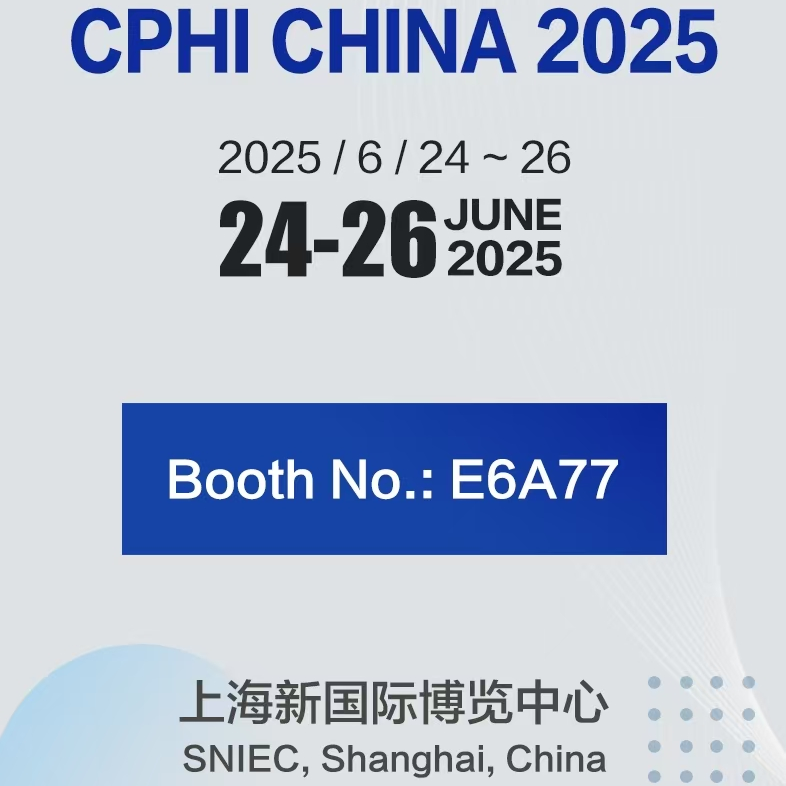
Visit Baicheng Chemical at CPHI China 2025 to Explore Pharmaceutical Solutions (Booth E6A77)

19

Jun

Visit Baicheng Chemical at CPHI China 2025 to Explore Pharmaceutical Solutions (Booth E6A77)

View More
Maleic Anhydride Applications: Enhancing Polymer Properties with Lower Environmental Footprint

23

Jul

Maleic Anhydride Applications: Enhancing Polymer Properties with Lower Environmental Footprint

Explore how maleic anhydride enhances polymer modification, boosting adhesion and compatibility in polymer blends. Discover its role in sustainable applications across industries, from lightweight automotive composites to eco-friendly packaging solutions, driving environmental impact with improved recyclability and biodegradability.
View More
Team-Building Hike Along Yu Mountain’s

30

Jul

Team-Building Hike Along Yu Mountain’s "Eagle Trail"

View More
Methyl Methacrylate (MMA) in Recyclable lBC Totes for Import Efficiency

14

Aug

Methyl Methacrylate (MMA) in Recyclable lBC Totes for Import Efficiency

View More

Get a Free Quote

Our representative will contact you soon.
Email
Name
Company Name
Message
0/1000

monomer vinyl acetate

Superior Polymerization Efficiency and Processing Versatility

Superior Polymerization Efficiency and Processing Versatility

Monomer vinyl acetate stands out for its exceptional polymerization characteristics that streamline manufacturing processes and enhance production economics. The compound initiates polymerization readily through free radical mechanisms, allowing manufacturers to control molecular weight and polymer architecture with precision. This responsiveness enables both batch and continuous production methods, accommodating various scales from pilot operations to large industrial facilities. The polymerization process occurs efficiently at moderate temperatures, reducing energy consumption and equipment stress compared to monomers requiring extreme conditions. During processing, monomer vinyl acetate demonstrates excellent stability in storage and handling when properly inhibited, minimizing losses from premature polymerization. The resulting polymers exhibit consistent quality characteristics, ensuring reproducibility across production runs and meeting stringent quality specifications. Additionally, the monomer's compatibility with emulsion polymerization techniques facilitates the creation of waterborne products that align with modern sustainability goals. Manufacturers appreciate how formulations based on this monomer can be adjusted through copolymerization ratios to achieve specific performance attributes such as flexibility, hardness, or adhesive strength, providing remarkable adaptability for diverse market requirements.
Exceptional Adhesive Performance Across Multiple Substrates

Exceptional Adhesive Performance Across Multiple Substrates

Products derived from monomer vinyl acetate deliver outstanding adhesive capabilities that make them indispensable in bonding applications across woodworking, packaging, bookbinding, and construction industries. The polymers formed from this monomer create adhesive bonds with impressive initial tack and ultimate strength, ensuring reliable assembly in manufacturing environments. These adhesives penetrate porous substrates effectively, establishing mechanical interlocking that complements chemical adhesion for superior holding power. The flexibility retained in cured adhesive films prevents brittleness and accommodates substrate movement from humidity changes or mechanical stress, reducing joint failure risks. Users benefit from the fast-setting characteristics of these adhesives, which accelerate production throughput by minimizing clamp time and enabling faster handling of assembled components. The water-based nature of many formulations using monomer vinyl acetate simplifies cleanup procedures, reduces fire hazards, and creates safer working conditions compared to solvent-based alternatives. These adhesives maintain performance across temperature ranges encountered in typical applications, neither softening excessively in heat nor becoming brittle in cold conditions. The proven track record of these adhesive systems provides confidence for manufacturers seeking reliable bonding solutions that meet industry standards and customer expectations.
Environmental Responsibility and Regulatory Compliance Advantages

Environmental Responsibility and Regulatory Compliance Advantages

Utilizing monomer vinyl acetate aligns with contemporary environmental stewardship and regulatory requirements that increasingly influence purchasing decisions and market access. The compound enables production of waterborne formulations that dramatically reduce volatile organic compound emissions compared to traditional solvent-based products, helping manufacturers meet air quality regulations and corporate sustainability commitments. These low-emission characteristics improve workplace safety by minimizing exposure to harmful vapors, reducing ventilation requirements, and lowering personal protective equipment needs. The absence of hazardous air pollutants in properly formulated products using monomer vinyl acetate simplifies permitting processes and reduces compliance costs associated with emission controls. From a disposal perspective, dried residues and waste from manufacturing processes present fewer environmental concerns than solvent-containing alternatives, streamlining waste management protocols. Products created from this monomer typically exhibit low toxicity profiles in their final form, addressing consumer safety preferences and enabling use in applications involving food packaging proximity or residential environments. The biodegradability of certain polymer structures derived from monomer vinyl acetate offers additional environmental benefits in applications where products eventually enter waste streams, supporting circular economy principles and reducing long-term environmental impact.
email goToTop