Polymerization of Vinyl Acetate Overview

All Categories

polymerization of vinyl acetate

The polymerization of vinyl acetate is a critical chemical process that transforms vinyl acetate monomers into polyvinyl acetate (PVAc) and related copolymers through chain-growth reactions. This versatile manufacturing technique employs several methods including emulsion, suspension, solution, and bulk polymerization, each tailored to produce specific polymer characteristics. The process involves free radical initiation, where catalysts trigger the reaction that links vinyl acetate molecules into long polymer chains. The polymerization of vinyl acetate serves essential functions across multiple industries, producing materials with excellent adhesive properties, film-forming capabilities, and binding characteristics. Technological features of this polymerization process include precise temperature control, typically ranging from 50 to 90 degrees Celsius, and careful management of reaction kinetics to achieve desired molecular weights and polymer distributions. The process can be customized by adjusting parameters such as initiator concentration, reaction time, and monomer feed rates. Applications of the polymerization of vinyl acetate span numerous sectors including adhesives manufacturing, where PVAc forms the basis of wood glues and paper adhesives, paint and coating formulations that require durable binders, textile treatments for fabric finishing, and the production of chewing gum bases. The pharmaceutical industry utilizes these polymers in tablet coatings, while the construction sector employs them in cement modifiers and sealants. This chemical transformation represents a cornerstone of modern polymer chemistry, enabling the creation of materials that combine affordability with reliable performance characteristics for both industrial and consumer applications.
New Product Releases

The polymerization of vinyl acetate delivers substantial practical benefits that directly impact your production efficiency and product quality. This process offers exceptional versatility, allowing manufacturers to create polymers with customized properties by simply adjusting reaction conditions, giving you the flexibility to meet diverse market demands without investing in entirely new production systems. The resulting polyvinyl acetate products demonstrate outstanding adhesive strength and bonding capabilities, which translates to superior end-product performance that satisfies your customers and reduces warranty claims. From an operational standpoint, the polymerization of vinyl acetate operates at relatively moderate temperatures and pressures compared to many other polymer production methods, resulting in lower energy consumption and reduced operational costs for your facility. The process equipment requires less intensive maintenance, minimizing downtime and maximizing your production uptime. The water-based emulsion polymerization variant offers significant environmental advantages, eliminating the need for harmful organic solvents and helping your business meet increasingly strict environmental regulations while reducing disposal costs. Application suitability represents another major advantage, as polymers from the polymerization of vinyl acetate perform excellently across temperature ranges and humidity conditions, ensuring consistent product behavior in real-world conditions. These polymers exhibit excellent compatibility with various additives and fillers, enabling you to formulate products that precisely match your specifications. The raw material vinyl acetate monomer is readily available globally at competitive prices, ensuring supply chain stability and predictable cost structures for your business planning. Decision-makers appreciate that the polymerization of vinyl acetate technology is well-established with proven scalability, allowing seamless transition from laboratory development to full commercial production. The process generates minimal waste streams, contributing to lean manufacturing objectives while the resulting polymers are non-toxic and safe for consumer applications, opening broader market opportunities for your products.

Tips And Tricks

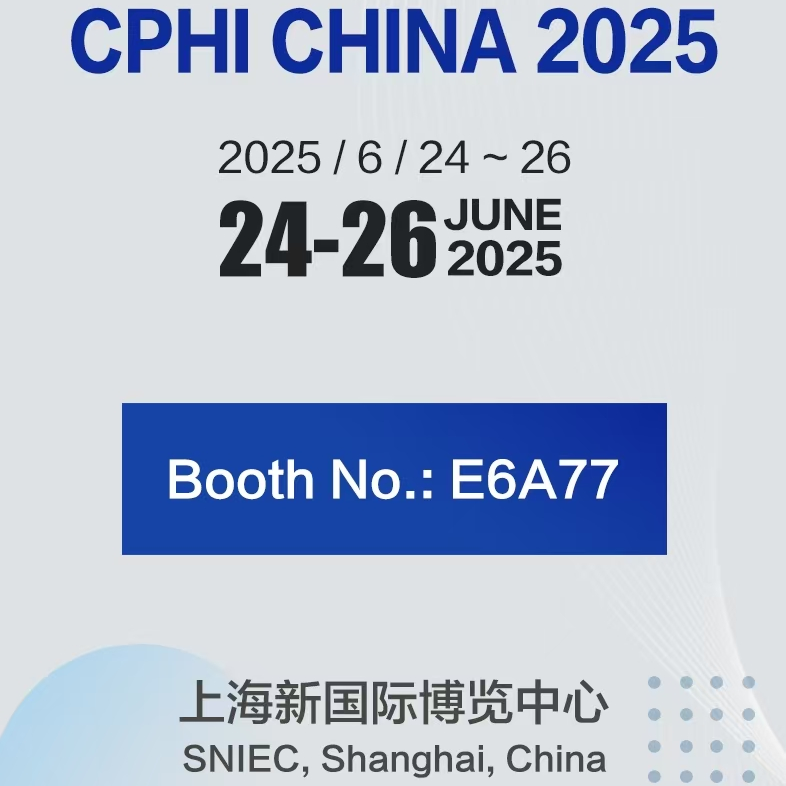
Visit Baicheng Chemical at CPHI China 2025 to Explore Pharmaceutical Solutions (Booth E6A77)

19

Jun

Visit Baicheng Chemical at CPHI China 2025 to Explore Pharmaceutical Solutions (Booth E6A77)

View More
How Specialty Intermediates Improve Efficiency in Polymer Manufacturing

19

Jun

How Specialty Intermediates Improve Efficiency in Polymer Manufacturing

Discover the crucial role of specialty intermediates in improving polymer manufacturing efficiency. Explore optimized formulations, key chemicals, and emerging sustainability trends.
View More
Methyl Methacrylate Production Trends: Balancing Industrial Demand with Greener Manufacturing Practices

23

Jul

Methyl Methacrylate Production Trends: Balancing Industrial Demand with Greener Manufacturing Practices

Explore the market expansion of methyl methacrylate production, driven by key sectors like automotive and construction. Delve into global growth trends, sustainable manufacturing innovations, and strategies to reduce carbon footprints and foster an industrial-ecological balance.
View More
Acrylamide Powder Solubility Hacks That Reduce Factory Water Use

14

Aug

Acrylamide Powder Solubility Hacks That Reduce Factory Water Use

View More

Get a Free Quote

Our representative will contact you soon.
Email
Name
Company Name
Message
0/1000

polymerization of vinyl acetate

Exceptional Process Flexibility and Control

Exceptional Process Flexibility and Control

The polymerization of vinyl acetate stands out for its remarkable adaptability to different production requirements and desired polymer characteristics. Manufacturers can select from multiple polymerization techniques including emulsion, suspension, solution, and bulk methods, each offering distinct advantages for specific applications. Emulsion polymerization produces fine particle dispersions ideal for adhesives and coatings, while solution polymerization yields polymers suitable for specialized applications requiring specific solvent compatibility. This flexibility extends to molecular weight control, where adjusting initiator levels, chain transfer agents, and reaction temperatures allows precise tuning of polymer properties from low-viscosity solutions to high-molecular-weight materials. The ability to introduce comonomers during the polymerization of vinyl acetate enables creation of copolymers with enhanced properties such as improved flexibility, water resistance, or adhesion to difficult substrates. Real-time monitoring and automated control systems ensure consistent batch-to-batch quality, reducing variability and meeting strict quality specifications. This level of control translates directly into competitive advantages, allowing rapid response to customer requirements and market opportunities without major capital investments or production disruptions.
Superior End-Product Performance Characteristics

Superior End-Product Performance Characteristics

Products derived from the polymerization of vinyl acetate deliver outstanding performance attributes that address critical customer needs across diverse applications. The resulting polyvinyl acetate polymers form strong, durable bonds with porous materials including wood, paper, cardboard, and textiles, making them indispensable in woodworking, packaging, and textile industries. These polymers create clear, flexible films with excellent optical properties, crucial for coating applications where transparency and aesthetic appeal matter. The film-forming capability ensures uniform coverage and protection, extending the lifespan of coated substrates. Water redispersibility is another valuable characteristic, particularly in construction applications where polymers must blend seamlessly with cement and other building materials. The polymerization of vinyl acetate produces polymers that remain stable across broad temperature ranges without significant degradation, ensuring product reliability in varying climatic conditions. These materials exhibit low odor and minimal volatile organic compound emissions, addressing health and environmental concerns increasingly important to end users. The biocompatibility of polyvinyl acetate makes it suitable for food-contact applications and pharmaceutical uses, expanding market potential. For manufacturers, these performance characteristics translate into reduced customer complaints, stronger brand reputation, and opportunities to command premium pricing for high-quality products.
Cost-Effective and Environmentally Responsible Manufacturing

Cost-Effective and Environmentally Responsible Manufacturing

The polymerization of vinyl acetate represents an economically attractive and environmentally conscious choice for polymer production. The process operates efficiently at moderate conditions, typically requiring lower energy inputs compared to high-temperature or high-pressure polymerization methods, directly reducing utility costs and carbon footprint. Vinyl acetate monomer availability from multiple global suppliers ensures competitive raw material pricing and supply security, protecting your business from supply disruptions. The water-based emulsion polymerization approach eliminates expensive and hazardous organic solvents, reducing both procurement costs and environmental compliance expenses associated with solvent handling, storage, and disposal. Waste generation during the polymerization of vinyl acetate is minimal, with high monomer conversion rates exceeding 95 percent in optimized processes, maximizing raw material utilization and minimizing disposal requirements. The resulting polymer dispersions often require no additional processing before use in many applications, streamlining your production workflow and reducing handling costs. Equipment requirements are relatively standard without exotic materials or specialized construction, keeping capital investment reasonable. Maintenance costs remain low due to the non-corrosive nature of the process streams. The environmental profile enhances corporate sustainability credentials, increasingly important for securing contracts with environmentally conscious customers and meeting corporate social responsibility objectives that influence investment decisions and brand perception.
email goToTop