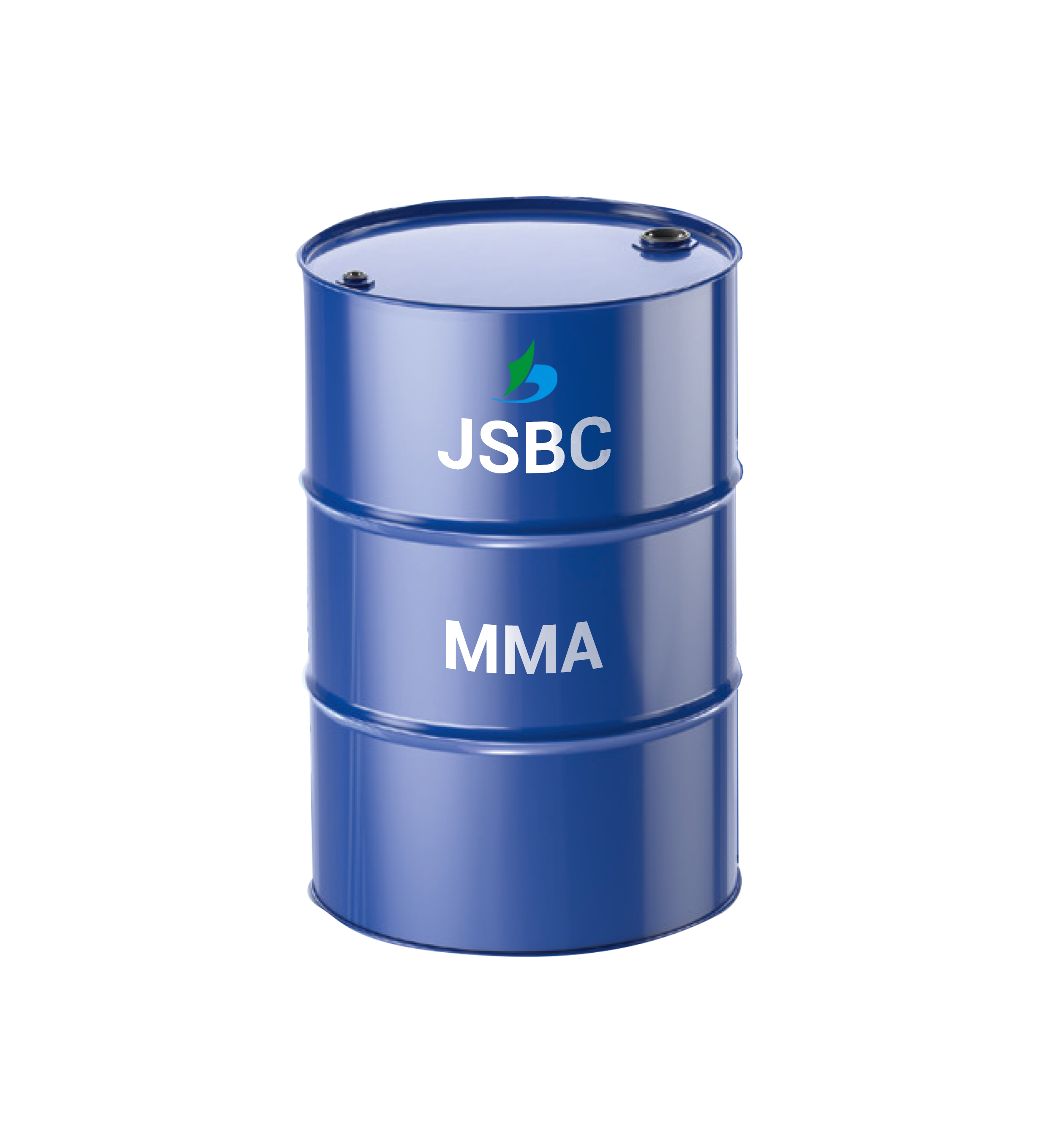
Poly Methyl Methacrylate Monomer Guide

All Categories

poly methyl methacrylate monomer

Poly methyl methacrylate monomer, commonly known as MMA monomer, serves as the essential building block for producing high-performance acrylic polymers and resins. This versatile chemical compound features a molecular structure containing a vinyl group that enables rapid polymerization, making it fundamental to manufacturing transparent plastics, coatings, and adhesives. The poly methyl methacrylate monomer exhibits exceptional clarity, outstanding weather resistance, and superior optical properties that transfer directly to finished products. Its technological features include low viscosity for easy processing, excellent compatibility with various additives, and controlled polymerization characteristics that allow manufacturers to tailor final product properties. Industries rely on this monomer for producing cast acrylic sheets, molding compounds, surface coatings, and specialty resins. The poly methyl methacrylate monomer undergoes polymerization through free radical mechanisms, enabling both bulk and solution polymerization processes. Its applications span automotive components, construction materials, medical devices, electronics, and consumer goods. The monomer's purity level directly impacts final product performance, with industrial-grade materials typically achieving 99.5% purity or higher. Manufacturers value its stability during storage and transportation, though proper handling procedures remain essential due to its reactive nature. The poly methyl methacrylate monomer continues gaining prominence in emerging applications including 3D printing resins, dental materials, and advanced optical systems, where its combination of transparency, durability, and processability creates unique value propositions for product developers and industrial users.
Popular Products

Choosing poly methyl methacrylate monomer delivers tangible benefits that directly impact your production efficiency and product quality. This monomer polymerizes predictably, giving you consistent results batch after batch, which reduces waste and saves money on quality control. Your manufacturing process becomes more flexible because the material works well with existing equipment, eliminating costly retrofitting or specialized machinery investments. The resulting polymers maintain crystal-clear transparency that rivals glass while weighing significantly less, helping you create products that are easier to transport and install. Weather resistance stands out as a major practical advantage, as finished products resist yellowing and degradation even after years of outdoor exposure, reducing warranty claims and building customer trust. The poly methyl methacrylate monomer offers excellent adhesion to various substrates, broadening your application possibilities and allowing you to develop innovative product designs. Processing temperatures remain moderate compared to other thermoplastics, which lowers your energy costs and extends equipment lifespan. You gain operational efficiency through faster production cycles, as the monomer polymerizes quickly under controlled conditions. The material's compatibility with colorants and additives means you can customize products to meet specific customer requirements without reformulating your entire process. Safety considerations benefit from the monomer's well-documented handling procedures and established industry protocols. Your finished products will demonstrate superior scratch resistance and surface hardness, characteristics that enhance perceived value and reduce customer complaints. The poly methyl methacrylate monomer enables you to meet demanding specifications across medical, automotive, and construction sectors, opening doors to premium market segments. Storage stability allows you to maintain inventory without degradation concerns, improving supply chain management and reducing material losses from spoilage.

Latest News

Acrylic Esters Market Witnesses Price Surge and Supply Tightness

07

Apr

Acrylic Esters Market Witnesses Price Surge and Supply Tightness

View More
Sustainable Production Insights for Acrylic Acid and Key Derivatives in Industrial Applications

23

Jul

Sustainable Production Insights for Acrylic Acid and Key Derivatives in Industrial Applications

Explore the sustainable production of acrylic acid and derivatives with insights on green chemistry, renewable feedstocks, and eco-manufacturing. Discover innovations driving efficiency, regulatory impacts, and the shift towards carbon-neutral manufacturing in this comprehensive overview.
View More
Maleic Anhydride Applications: Enhancing Polymer Properties with Lower Environmental Footprint

23

Jul

Maleic Anhydride Applications: Enhancing Polymer Properties with Lower Environmental Footprint

Explore how maleic anhydride enhances polymer modification, boosting adhesion and compatibility in polymer blends. Discover its role in sustainable applications across industries, from lightweight automotive composites to eco-friendly packaging solutions, driving environmental impact with improved recyclability and biodegradability.
View More
Ethyl Acrylate in Adhesives: Exploring Low-VOC Alternatives for Environmentally Conscious Use

23

Jul

Ethyl Acrylate in Adhesives: Exploring Low-VOC Alternatives for Environmentally Conscious Use

Explore the environmental concerns driving the demand for ethyl acrylate alternatives in the adhesive industry. This article delves into VOC emissions regulations, the rise of sustainable materials, and performance advantages of low-VOC acrylate adhesives. Discover key industry implementations and future innovations shaping the acrylate market landscape.
View More

Get a Free Quote

Our representative will contact you soon.
Email
Name
Company Name
Message
0/1000

poly methyl methacrylate monomer

Superior Optical Clarity and Light Transmission

Superior Optical Clarity and Light Transmission

The poly methyl methacrylate monomer produces polymers with exceptional optical properties that surpass most transparent materials available today. When polymerized, it achieves light transmission rates exceeding 92 percent, making it ideal for applications requiring maximum clarity such as automotive lighting, optical lenses, and display screens. This remarkable transparency remains stable over time, resisting the yellowing and hazing that plague inferior materials. The refractive index of 1.49 closely matches human visual preferences, creating products that appear naturally clear without optical distortion. Manufacturers working with signage, lighting fixtures, and architectural glazing particularly value this characteristic because it ensures colors appear vibrant and true. The monomer's purity directly contributes to these optical benefits, as impurities would create cloudiness or color shifts in finished products. Unlike glass alternatives, polymers derived from poly methyl methacrylate monomer can be molded into complex shapes while maintaining uniform clarity throughout, enabling innovative product designs previously impossible with traditional transparent materials. This optical excellence combined with impact resistance creates safety advantages in applications where glass breakage poses risks, making it the preferred choice for protective barriers, medical equipment housings, and consumer electronics.
Exceptional Weather and UV Resistance

Exceptional Weather and UV Resistance

Products manufactured using poly methyl methacrylate monomer demonstrate outstanding durability when exposed to environmental stressors including sunlight, temperature fluctuations, and moisture. This weather resistance stems from the monomer's stable molecular structure, which resists breakdown from ultraviolet radiation that rapidly degrades competing materials. Outdoor applications benefit tremendously from this characteristic, as signs, architectural features, and automotive components maintain their appearance and structural integrity for decades without protective coatings. The poly methyl methacrylate monomer creates polymers that resist cracking, chalking, and color fading even in harsh climates ranging from intense desert sun to freezing arctic conditions. This longevity translates directly into lower lifecycle costs for your customers, as replacement and maintenance requirements decrease substantially. Construction projects particularly value this durability because building facades, skylights, and protective barriers require minimal upkeep while maintaining aesthetic appeal throughout their service life. The material's resistance to moisture absorption prevents dimensional changes and maintains mechanical properties in humid environments where other plastics would swell or weaken. Chemical resistance to common environmental pollutants, cleaning agents, and industrial atmospheres further extends service life, making poly methyl methacrylate monomer the practical choice for demanding outdoor and industrial applications where performance and appearance must endure.
Versatile Processing and Application Flexibility

Versatile Processing and Application Flexibility

The poly methyl methacrylate monomer offers manufacturers exceptional processing versatility, adapting to various production methods including casting, injection molding, extrusion, and reactive processing. This flexibility allows you to select the manufacturing approach that best suits your production volume, part complexity, and cost targets without changing raw materials. The monomer's controlled polymerization kinetics enable precise adjustment of molecular weight and polymer properties, letting you customize mechanical strength, flow characteristics, and thermal performance for specific applications. Room temperature casting processes using poly methyl methacrylate monomer produce thick, optical-quality sheets impossible to achieve with conventional thermoplastic processing, opening opportunities in specialized markets. The material bonds effectively with glass, metals, and other plastics, facilitating hybrid component designs and multi-material assemblies. Formulators appreciate the monomer's compatibility with impact modifiers, UV stabilizers, and pigments, enabling property enhancement without compromising core performance characteristics. Quick polymerization times under appropriate conditions accelerate production throughput, improving manufacturing economics. The poly methyl methacrylate monomer requires no exotic catalysts or extreme processing conditions, simplifying quality control and reducing operational complexity. This processing ease extends to secondary operations, as finished polymers can be machined, bonded, thermoformed, and surface-treated using standard equipment, providing complete manufacturing flexibility from initial polymerization through final product assembly.
email goToTop