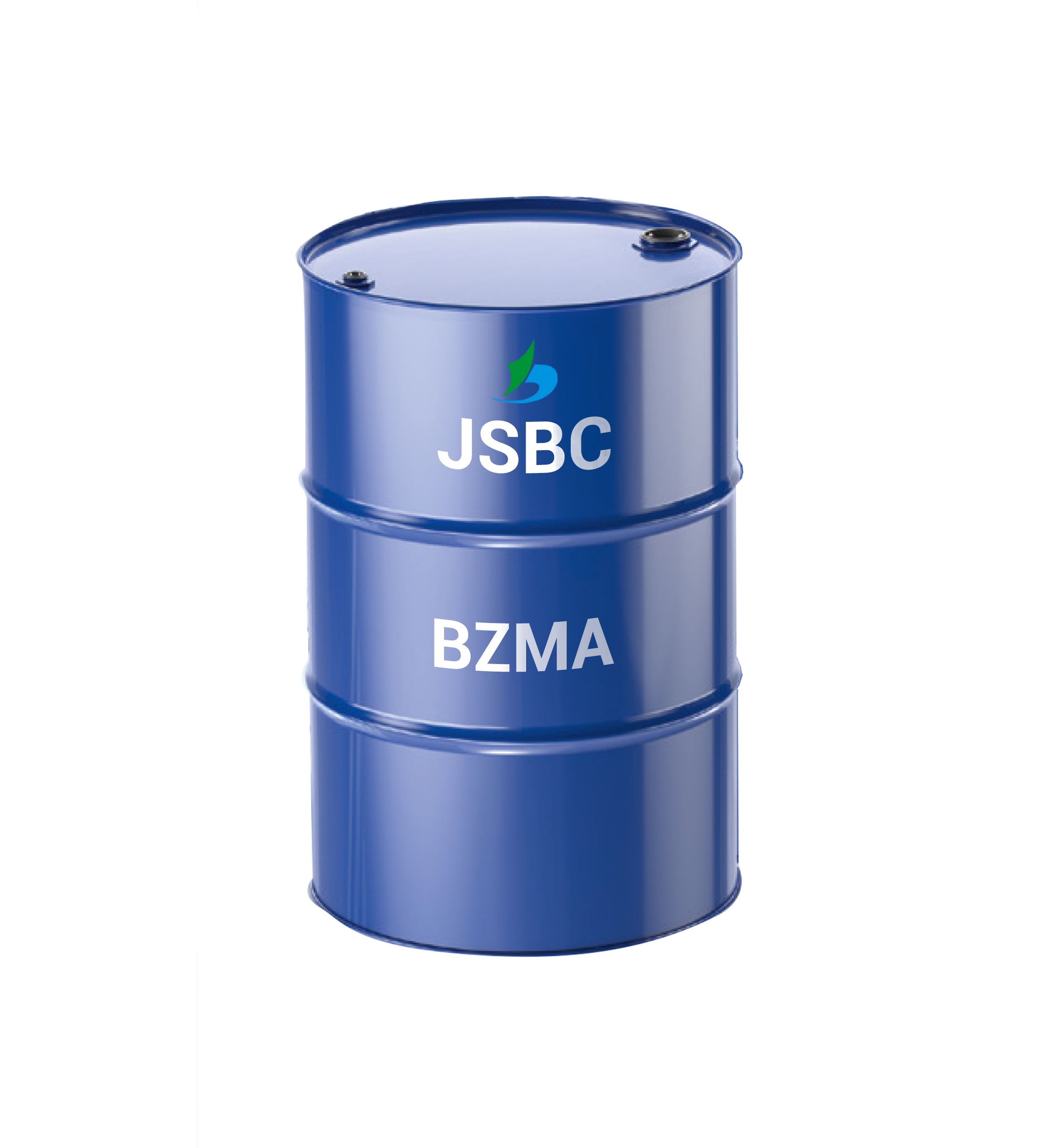
Methyl Ether Methacrylate for Advanced Polymers

All Categories

methyl ether methacrylate

Methyl ether methacrylate represents a specialized monomer compound widely utilized in polymer chemistry and advanced material manufacturing. This versatile chemical intermediate features a methacrylate functional group combined with a methyl ether structure, offering unique reactivity patterns essential for creating high-performance polymers and copolymers. Methyl ether methacrylate serves as a crucial building block in synthesizing materials with tailored properties, including enhanced flexibility, improved adhesion characteristics, and superior weathering resistance. The technological features of methyl ether methacrylate include excellent polymerization efficiency, compatibility with various co-monomers, and the ability to modify polymer chain structures effectively. Its molecular architecture enables precise control over final product properties, making it invaluable in formulating specialty coatings, adhesives, and composite materials. The main functions of methyl ether methacrylate encompass acting as a reactive diluent, crosslinking agent, and property modifier in polymer systems. Applications span multiple industries, including automotive coatings, construction materials, electronics, and textile treatments. Manufacturers leverage methyl ether methacrylate to develop protective coatings with exceptional durability, adhesives with strong bonding performance, and composite resins with enhanced mechanical properties. Its chemical stability and processing versatility make methyl ether methacrylate an essential component in modern material science, enabling the production of innovative solutions that meet demanding performance specifications across diverse industrial sectors.
New Product Recommendations

Choosing methyl ether methacrylate delivers significant practical benefits that directly impact your production efficiency and product quality. This compound offers exceptional compatibility with existing manufacturing processes, allowing seamless integration without requiring extensive equipment modifications or operational disruptions. The improved curing characteristics of methyl ether methacrylate reduce production cycle times, enabling faster throughput and increased manufacturing capacity while maintaining consistent quality standards. Buyers benefit from reduced material costs as methyl ether methacrylate enhances polymer performance at lower incorporation levels compared to alternative modifiers, optimizing formulation economics without compromising end-product specifications. Operational advantages include simplified handling procedures due to favorable viscosity properties and stable storage characteristics that minimize waste and extend shelf life. The versatility of methyl ether methacrylate makes it suitable for diverse applications, from high-temperature automotive environments to exterior architectural coatings exposed to harsh weather conditions. Product developers appreciate the design flexibility it provides, enabling customization of mechanical properties, chemical resistance, and aesthetic qualities to meet specific customer requirements. Decision-makers value the reliable supply chain and established safety profile of methyl ether methacrylate, which reduces regulatory compliance burdens and minimizes workplace hazards. The compound's ability to enhance adhesion to various substrates eliminates the need for costly surface pretreatments, streamlining production workflows. Environmental considerations also favor methyl ether methacrylate, as formulations incorporating this monomer often demonstrate lower volatile organic compound emissions compared to traditional alternatives. These combined advantages translate into improved profit margins, enhanced product differentiation, and stronger competitive positioning in demanding markets where performance and reliability are paramount.

Latest News

Acrylic Esters Market Witnesses Price Surge and Supply Tightness

07

Apr

Acrylic Esters Market Witnesses Price Surge and Supply Tightness

View More
Maleic Anhydride Applications: Enhancing Polymer Properties with Lower Environmental Footprint

23

Jul

Maleic Anhydride Applications: Enhancing Polymer Properties with Lower Environmental Footprint

Explore how maleic anhydride enhances polymer modification, boosting adhesion and compatibility in polymer blends. Discover its role in sustainable applications across industries, from lightweight automotive composites to eco-friendly packaging solutions, driving environmental impact with improved recyclability and biodegradability.
View More
Methyl Methacrylate (MMA) in Recyclable lBC Totes for Import Efficiency

14

Aug

Methyl Methacrylate (MMA) in Recyclable lBC Totes for Import Efficiency

View More
Acrylamide Powder Solubility Hacks That Reduce Factory Water Use

14

Aug

Acrylamide Powder Solubility Hacks That Reduce Factory Water Use

View More

Get a Free Quote

Our representative will contact you soon.
Email
Name
Company Name
Message
0/1000

methyl ether methacrylate

Superior Polymerization Performance and Processing Efficiency

Superior Polymerization Performance and Processing Efficiency

Methyl ether methacrylate exhibits outstanding polymerization kinetics that significantly enhance manufacturing productivity and product consistency. The compound's reactive methacrylate group undergoes rapid and controlled free-radical polymerization, ensuring uniform molecular weight distribution and minimizing batch-to-batch variation. This reliable reactivity allows formulators to achieve predictable curing profiles across varying temperature ranges and processing conditions, reducing quality control challenges and scrap rates. The low viscosity characteristics of methyl ether methacrylate facilitate excellent mixing and wetting properties, ensuring thorough dispersion of additives and fillers throughout polymer matrices. Manufacturers experience improved equipment utilization as the compound's favorable flow properties enable efficient application methods including spraying, brushing, and roll-coating without requiring extensive viscosity adjustments. The compatibility of methyl ether methacrylate with diverse initiator systems provides formulation flexibility, allowing optimization for specific processing equipment and production schedules. These performance attributes translate into tangible operational benefits including reduced energy consumption during curing, lower reject rates, and enhanced production scheduling flexibility that collectively improve manufacturing economics and customer satisfaction.
Enhanced Durability and Weather Resistance Properties

Enhanced Durability and Weather Resistance Properties

Formulations incorporating methyl ether methacrylate demonstrate exceptional long-term durability and weathering resistance, making them ideal for demanding exterior applications. The ether linkage within the molecular structure provides inherent flexibility that prevents brittle failure under thermal cycling and mechanical stress, extending service life significantly compared to rigid polymer systems. Coatings and materials containing methyl ether methacrylate maintain color stability and gloss retention even after prolonged ultraviolet exposure, reducing maintenance requirements and preserving aesthetic appeal throughout the product lifecycle. The chemical structure resists hydrolytic degradation, ensuring performance stability in humid environments and direct water contact situations where conventional methacrylates may deteriorate. This superior environmental resistance makes methyl ether methacrylate particularly valuable in architectural coatings, marine applications, and outdoor equipment where replacement costs and downtime represent significant economic burdens. End-users benefit from reduced lifecycle costs as products formulated with methyl ether methacrylate require less frequent refinishing and repair. The compound's contribution to chemical resistance also protects substrates from corrosive substances, salt spray, and industrial pollutants, making it essential for protective coating applications in infrastructure and transportation sectors.
Versatile Adhesion Enhancement Across Multiple Substrates

Versatile Adhesion Enhancement Across Multiple Substrates

Methyl ether methacrylate functions as an exceptional adhesion promoter, creating strong interfacial bonds with metals, plastics, glass, and composite materials without specialized primers or surface treatments. The polar ether group within its structure interacts favorably with substrate surfaces through hydrogen bonding and dipole interactions, while the methacrylate functionality covalently integrates into the polymer network, creating durable adhesive joints. This dual-action mechanism ensures robust adhesion that withstands mechanical stress, thermal expansion differences, and environmental exposure that typically cause delamination in conventional systems. Formulators appreciate how methyl ether methacrylate eliminates costly and time-consuming surface preparation steps, streamlining production processes and reducing labor requirements. Applications in automotive assembly, electronics encapsulation, and structural bonding benefit from the reliable adhesion performance that methyl ether methacrylate provides across dissimilar material combinations. The compound's effectiveness extends to challenging low-energy surfaces where conventional adhesives struggle, expanding design possibilities and enabling innovative product configurations. Manufacturers gain competitive advantages through improved product reliability, reduced warranty claims, and enhanced customer satisfaction resulting from the superior bonding performance that methyl ether methacrylate enables across diverse application environments and substrate combinations.
email goToTop