Methyl Methacrylate: Properties & Applications

All Categories

methyl methyl acrylate

Methyl methacrylate is a versatile organic compound widely recognized for its exceptional properties in polymer chemistry and industrial manufacturing. This clear, colorless liquid monomer serves as the primary building block for producing polymethyl methacrylate (PMMA) and various acrylic resins. Methyl methacrylate exhibits remarkable reactivity during polymerization processes, enabling manufacturers to create durable, transparent materials with outstanding optical clarity. The compound features a characteristic fruity odor and demonstrates excellent compatibility with numerous chemical formulations. Its molecular structure allows for rapid polymerization under controlled conditions, making methyl methacrylate an essential raw material across multiple industries. The main functions include serving as a monomer for acrylic plastic production, acting as a reactive diluent in coating formulations, and functioning as an intermediate in specialty chemical synthesis. Technologically, methyl methacrylate offers superior processing characteristics, including controlled viscosity, predictable curing behavior, and excellent adhesion properties. Applications span automotive manufacturing, construction materials, medical devices, electronics, and decorative products. The compound's ability to form strong, weather-resistant polymers makes methyl methacrylate indispensable for producing signage, display cases, architectural glazing, and protective coatings. Its versatility extends to dental materials, bone cement formulations, and advanced composites, demonstrating the broad utility of methyl methacrylate in both traditional and innovative applications across global markets.
Popular Products

Choosing methyl methacrylate provides significant practical benefits that directly impact manufacturing efficiency and product quality. The compound delivers exceptional transparency levels exceeding 92 percent light transmission, creating crystal-clear finished products that rival glass while offering superior impact resistance. Buyers gain substantial value through reduced material waste, as methyl methacrylate polymerizes with minimal shrinkage and predictable dimensional stability. Operational benefits include faster production cycles due to rapid curing capabilities, allowing manufacturers to increase throughput without compromising quality standards. The material exhibits outstanding weather resistance, maintaining optical clarity and mechanical strength even after prolonged outdoor exposure to ultraviolet radiation and temperature fluctuations. This durability translates to longer product lifespans and reduced maintenance costs for end users. Application suitability remains remarkably broad, as methyl methacrylate adapts seamlessly to casting, molding, coating, and adhesive formulations. The compound's excellent chemical resistance protects finished products from degradation when exposed to common cleaning agents, fuels, and environmental contaminants. Decision-makers appreciate the cost-effectiveness of methyl methacrylate compared to alternative materials, especially when considering total lifecycle expenses. The material's lightweight nature reduces shipping costs and simplifies installation procedures. Processing versatility allows manufacturers to customize formulations for specific performance requirements, adjusting hardness, flexibility, and curing speed according to application needs. Safety profiles have improved significantly with modern production methods, and methyl methacrylate remains compatible with existing manufacturing equipment, minimizing capital investment requirements when transitioning to acrylic-based production systems.

Tips And Tricks

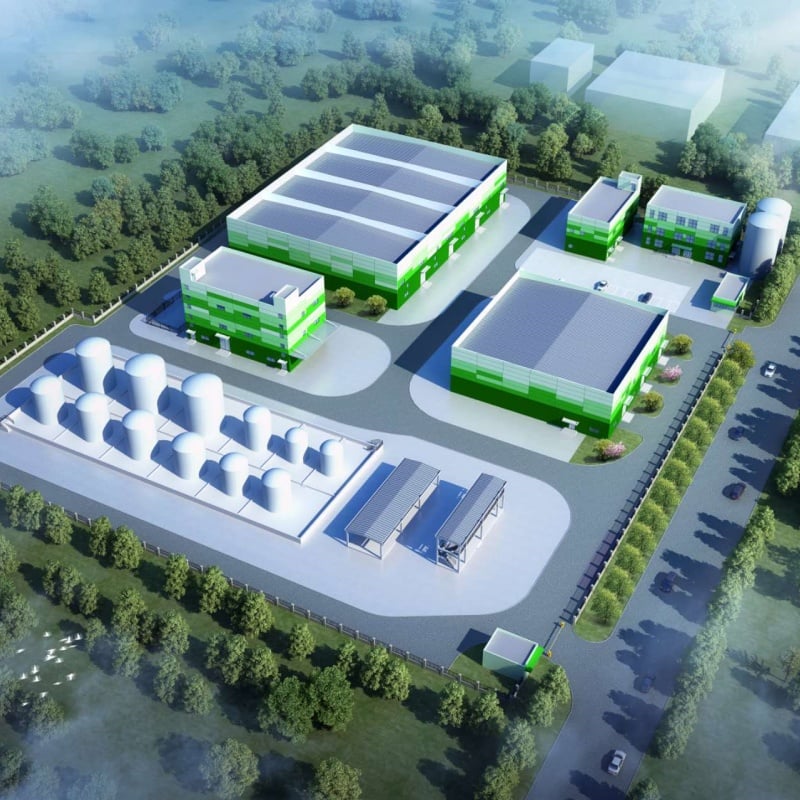
New Tank Farm Project to Boost Domestic and International Trade

18

Apr

New Tank Farm Project to Boost Domestic and International Trade

View More
Key Applications of Acrylate Monomers in Industrial Manufacturing

19

Jun

Key Applications of Acrylate Monomers in Industrial Manufacturing

Discover the essential properties and industrial applications of acrylate monomers, from high reactivity in polymerization to UV resistance in outdoor products. Explore their role in paints, adhesives, plastics, and textiles, along with challenges in compliance and cost optimization.
View More
Methyl Methacrylate Production Trends: Balancing Industrial Demand with Greener Manufacturing Practices

23

Jul

Methyl Methacrylate Production Trends: Balancing Industrial Demand with Greener Manufacturing Practices

Explore the market expansion of methyl methacrylate production, driven by key sectors like automotive and construction. Delve into global growth trends, sustainable manufacturing innovations, and strategies to reduce carbon footprints and foster an industrial-ecological balance.
View More
Maleic Anhydride Applications: Enhancing Polymer Properties with Lower Environmental Footprint

23

Jul

Maleic Anhydride Applications: Enhancing Polymer Properties with Lower Environmental Footprint

Explore how maleic anhydride enhances polymer modification, boosting adhesion and compatibility in polymer blends. Discover its role in sustainable applications across industries, from lightweight automotive composites to eco-friendly packaging solutions, driving environmental impact with improved recyclability and biodegradability.
View More

Get a Free Quote

Our representative will contact you soon.
Email
Name
Company Name
Message
0/1000

methyl methyl acrylate

Superior Optical Performance and Clarity

Superior Optical Performance and Clarity

Methyl methacrylate stands out for its exceptional optical properties, delivering unmatched transparency that makes it the preferred choice for applications requiring crystal-clear visibility. When polymerized, methyl methacrylate creates materials with light transmission rates exceeding 92 percent, surpassing many competing plastics and approaching the clarity of premium optical glass. This outstanding transparency remains stable throughout the material's service life, resisting yellowing and haziness that typically degrade other polymers over time. The refractive index of methyl methacrylate-based materials enables precise optical control, making it invaluable for manufacturing lenses, light guides, display screens, and protective covers for electronic devices. Manufacturers benefit from consistent optical quality batch after batch, ensuring reliable production of high-grade transparent components. The material's inherent clarity eliminates the need for additional polishing or surface treatments in many applications, streamlining production processes and reducing manufacturing costs. For architectural applications, methyl methacrylate glazing provides aesthetic appeal while maintaining structural integrity, offering architects and designers creative freedom without compromising functionality or safety standards in modern building projects.
Exceptional Weather and Chemical Resistance

Exceptional Weather and Chemical Resistance

The robust durability of methyl methacrylate makes it ideal for demanding outdoor and industrial environments where material longevity is critical. Polymers derived from methyl methacrylate demonstrate remarkable resistance to ultraviolet radiation, preventing the degradation and discoloration that compromise inferior materials exposed to sunlight. This UV stability ensures that products maintain their appearance and mechanical properties for years, even in harsh climates with intense solar exposure. Chemical resistance represents another significant advantage, as methyl methacrylate-based materials withstand contact with common solvents, cleaning agents, automotive fluids, and environmental pollutants without surface deterioration or structural weakening. Temperature stability across a wide operating range allows methyl methacrylate applications to function reliably in both freezing conditions and elevated heat environments. The material resists moisture absorption, preventing dimensional changes and maintaining precise tolerances critical for engineered components. This combination of weather and chemical resistance reduces maintenance requirements and extends replacement cycles, delivering substantial cost savings over the product lifecycle. Industries ranging from transportation to marine applications rely on methyl methacrylate for components that must endure challenging conditions while maintaining performance integrity and visual appeal.
Versatile Processing and Application Flexibility

Versatile Processing and Application Flexibility

Methyl methacrylate offers manufacturers unprecedented processing flexibility, adapting to diverse production methods and customization requirements across multiple industries. The monomer's reactive nature allows for controlled polymerization under various conditions, enabling casting, injection molding, extrusion, and coating applications with consistent results. Formulators can modify methyl methacrylate compositions by incorporating additives, pigments, and performance enhancers to achieve specific characteristics such as enhanced impact resistance, flame retardancy, or specialized surface properties. This versatility extends to curing mechanisms, with methyl methacrylate systems available for thermal polymerization, UV curing, and catalyst-initiated reactions, accommodating different manufacturing environments and equipment capabilities. The material bonds effectively to numerous substrates including metals, glass, wood, and other plastics, expanding design possibilities for composite structures and multi-material assemblies. Processing parameters remain forgiving, with wide processing windows that reduce scrap rates and simplify quality control procedures. Small-scale custom fabricators and large industrial manufacturers alike benefit from methyl methacrylate's adaptability, using identical base materials for applications ranging from intricate dental prosthetics to massive architectural installations, demonstrating the compound's universal applicability across market segments.
email goToTop