Methyl Methacrylate: Properties & Applications

All Categories

methyl meth acrylate

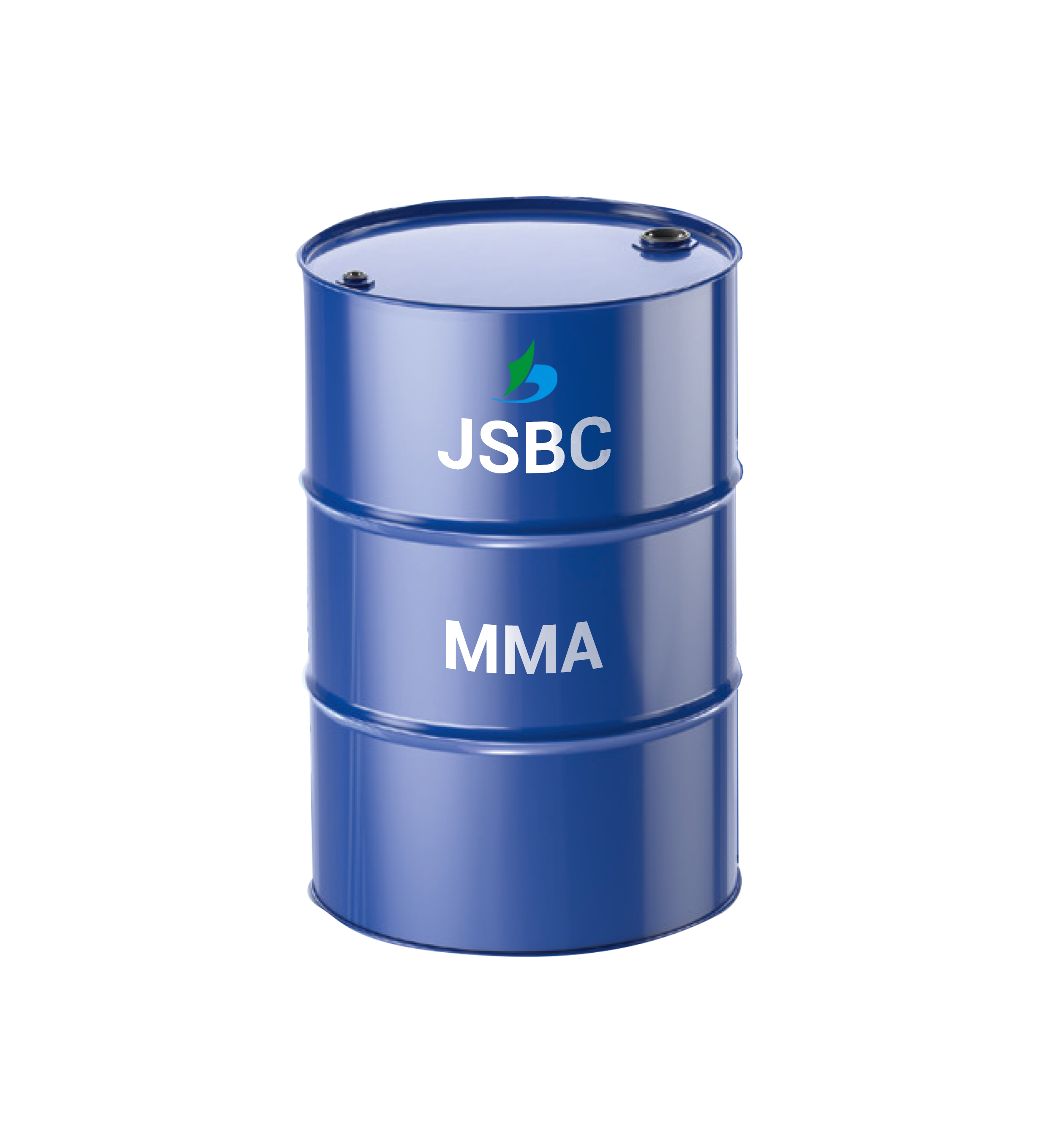
Methyl methacrylate is a versatile organic compound widely recognized as a crucial building block in modern polymer chemistry and manufacturing industries. This clear, colorless liquid monomer serves as the primary raw material for producing polymethyl methacrylate (PMMA), commonly known as acrylic glass or plexiglass. Methyl methacrylate exhibits excellent reactivity and polymerization capabilities, making it indispensable for creating high-performance plastics, coatings, and adhesives. The compound features a characteristic acrylic odor and demonstrates remarkable chemical stability under proper storage conditions. Its molecular structure enables rapid polymerization through various techniques, including bulk, solution, suspension, and emulsion processes. Technologically, methyl methacrylate offers superior optical clarity, outstanding weather resistance, and exceptional mechanical strength when polymerized. The material maintains dimensional stability across wide temperature ranges and provides excellent resistance to UV radiation and environmental degradation. Industries utilize methyl methacrylate extensively in automotive manufacturing for producing lightweight, impact-resistant components, in construction for creating durable glazing materials, and in medical applications for developing biocompatible devices and dental products. The compound also plays a vital role in producing surface coatings that protect substrates from corrosion and wear. Advanced formulations incorporating methyl methacrylate deliver enhanced performance characteristics, including improved adhesion, flexibility, and chemical resistance. Its compatibility with various additives and copolymers allows manufacturers to customize properties for specific applications, ensuring optimal performance across diverse industrial sectors and demanding operational environments.

New Products

Choosing methyl methacrylate provides significant operational benefits that directly impact your bottom line and product quality. This monomer delivers exceptional value through its ability to create products with outstanding optical transparency, often exceeding 92 percent light transmission, making it ideal for applications requiring crystal-clear visibility. The polymerization process is highly efficient and controllable, allowing manufacturers to optimize production cycles and reduce waste, thereby lowering overall manufacturing costs. From a practical standpoint, methyl methacrylate offers remarkable weather resistance, ensuring products maintain their appearance and structural integrity even after prolonged exposure to sunlight, rain, and temperature fluctuations. This durability translates to longer product lifespans and reduced replacement costs for end users. The material's lightweight nature, approximately half the weight of glass, simplifies handling, installation, and transportation, resulting in substantial logistics savings and easier application across various projects. Methyl methacrylate demonstrates excellent adhesion to multiple substrates, including metals, plastics, and composites, making it highly versatile for diverse manufacturing requirements. Its superior impact resistance, roughly ten times stronger than conventional glass, enhances safety in applications where breakage poses risks. The compound's chemical resistance protects against common solvents, oils, and cleaning agents, ensuring reliable performance in harsh environments. For businesses seeking sustainable solutions, methyl methacrylate supports efficient recycling processes and can be reformulated without significant property degradation. The material's workability allows for easy fabrication, molding, and machining, reducing production complexity and enabling cost-effective customization. These combined advantages make methyl methacrylate an intelligent choice for manufacturers prioritizing performance, cost efficiency, and long-term product reliability in competitive markets.

Tips And Tricks

The Future of Engineering Plastics and Resins in Industrial Applications

19

Jun

The Future of Engineering Plastics and Resins in Industrial Applications

Discover the emerging trends and growth projections in engineering plastics, featuring a 7.3% CAGR. Explore how Asia-Pacific is dominating demand, bio-based resins fuel sustainability, and revolutionary applications in automotive and aerospace sectors.
View More
Butyl Acrylate Monomer Specification Sheets for Coating Industry Formulators

23

Jul

Butyl Acrylate Monomer Specification Sheets for Coating Industry Formulators

Explore the production and chemical structure of butyl acrylate monomer, highlighting acrylic acid derivatives and their polymerization, methyl methacrylate's copolymerization role, and eco-friendly innovations in industrial coatings.
View More
Low-Carbon Footprint Butyl Acrylate (BA) for Global Emulsion Producers

14

Aug

Low-Carbon Footprint Butyl Acrylate (BA) for Global Emulsion Producers

View More
Acrylamide Powder Solubility Hacks That Reduce Factory Water Use

14

Aug

Acrylamide Powder Solubility Hacks That Reduce Factory Water Use

View More

Get a Free Quote

Our representative will contact you soon.
Email
Name
Company Name
Message
0/1000

methyl meth acrylate

Superior Optical Performance and Clarity

Superior Optical Performance and Clarity

Methyl methacrylate stands out for its exceptional optical properties, delivering unmatched transparency that makes it the preferred choice for applications demanding superior visual clarity. When polymerized, this compound produces materials with light transmission rates exceeding 92 percent, surpassing many competing materials and even matching the clarity of high-grade optical glass. This outstanding transparency remains stable over extended periods, resisting yellowing and haziness that commonly affect inferior alternatives. The material's excellent refractive index and minimal light distortion make methyl methacrylate ideal for manufacturing precision optical components, display screens, lighting fixtures, and architectural glazing where visual quality cannot be compromised. Additionally, the compound's ability to maintain clarity under UV exposure ensures that products retain their aesthetic appeal and functional performance throughout their service life. Manufacturers benefit from consistent optical quality across production batches, enabling reliable specifications for critical applications. The clarity advantage of methyl methacrylate extends to coloring capabilities, allowing for vibrant, uniform pigmentation without sacrificing transparency when tinted materials are required for decorative or functional purposes.
Exceptional Weather and Chemical Resistance

Exceptional Weather and Chemical Resistance

Methyl methacrylate demonstrates remarkable resistance to environmental factors and chemical exposure, providing long-lasting performance in demanding outdoor and industrial conditions. Products manufactured from this compound withstand prolonged UV radiation without significant degradation, maintaining both mechanical properties and visual appearance for years of reliable service. Unlike many plastics that become brittle or discolored when exposed to sunlight, methyl methacrylate retains its structural integrity and clarity, making it ideal for exterior signage, automotive components, and architectural applications. The material exhibits excellent resistance to moisture, preventing water absorption that could compromise dimensional stability or promote microbial growth. Its chemical resistance profile includes protection against common cleaning agents, weak acids, alkalis, and many organic solvents, ensuring products remain functional in industrial environments, laboratories, and commercial facilities. This durability reduces maintenance requirements and extends replacement cycles, delivering substantial cost savings over the product lifecycle. Methyl methacrylate also withstands temperature variations without cracking or warping, maintaining performance across diverse climate zones. The compound's resilience against environmental stress cracking further enhances reliability in applications involving mechanical loads and exposure to aggressive substances, providing manufacturers and end users with confidence in product longevity.
Versatile Processing and Application Flexibility

Versatile Processing and Application Flexibility

Methyl methacrylate offers extraordinary processing versatility, enabling manufacturers to employ multiple production techniques tailored to specific application requirements and operational capabilities. The compound readily undergoes bulk, suspension, emulsion, and solution polymerization, providing flexibility in manufacturing scale from small specialty batches to large-volume industrial production. This adaptability allows businesses to optimize their processes for efficiency, quality control, and cost management based on their unique operational parameters. Methyl methacrylate can be easily modified with various comonomers, additives, and reinforcing agents to achieve targeted performance characteristics, including enhanced impact strength, flame retardancy, or specialized surface properties. The material's excellent moldability facilitates the creation of complex geometries and intricate designs through injection molding, extrusion, and casting techniques, expanding design possibilities for product engineers. Its superior machinability allows for post-production modifications, drilling, cutting, and polishing without cracking or chipping, reducing waste and enabling precise customization. Methyl methacrylate formulations can be tailored for specific industries, from medical-grade materials requiring biocompatibility to automotive-grade compounds demanding extreme impact resistance, ensuring suitability across diverse market sectors and specialized applications requiring certified performance standards.

email goToTop