Sodium Methacrylate Solutions & Applications

All Categories

sodium methacrylate

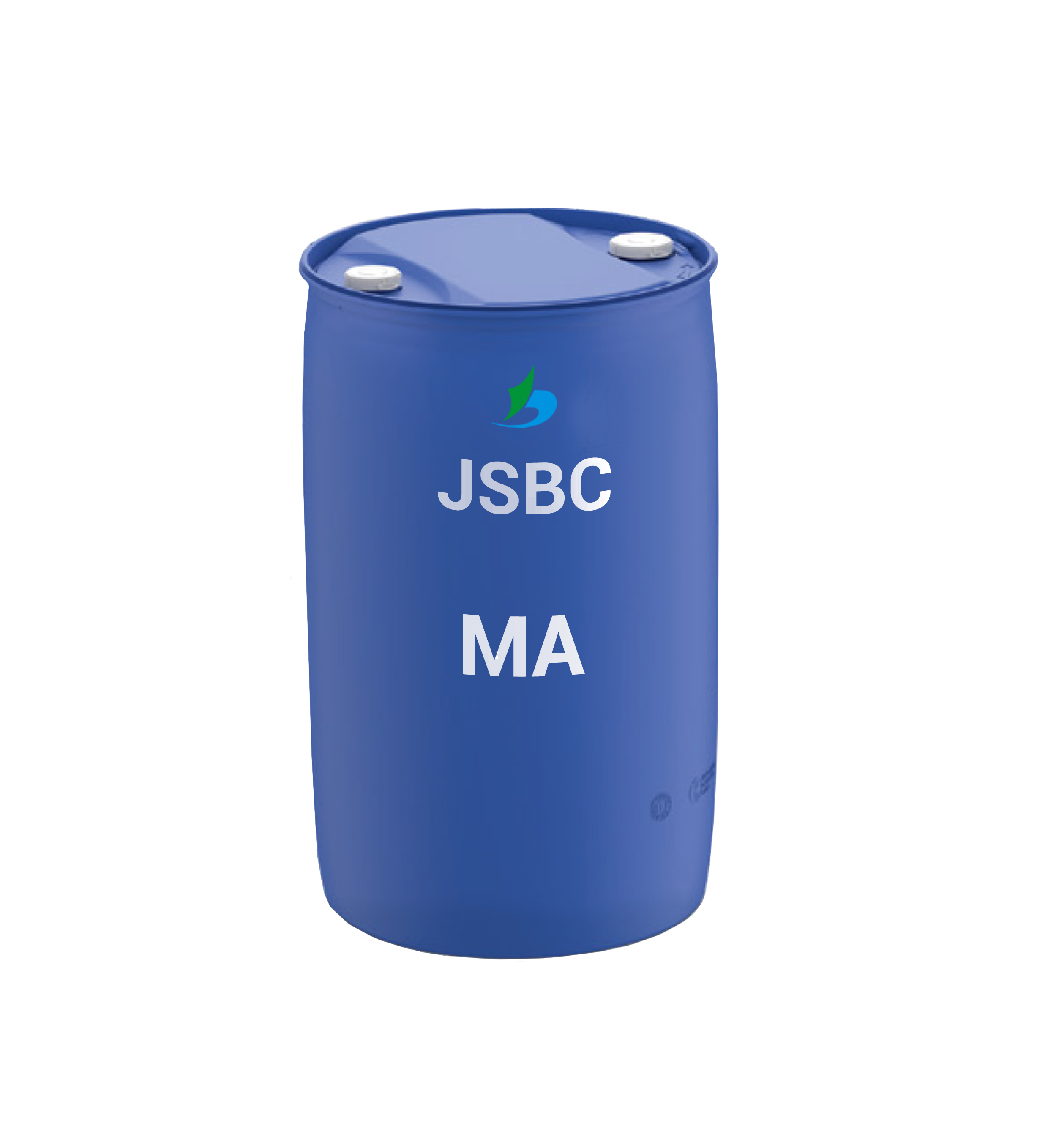
Sodium methacrylate is a versatile chemical compound that serves as a critical building block in polymer chemistry and industrial applications. This water-soluble monomer features a methacrylic acid backbone with a sodium salt group, making it highly reactive and compatible with aqueous systems. Sodium methacrylate functions primarily as a copolymer component in creating specialized polymer structures with enhanced properties. Its technological features include excellent water solubility, strong ionic character, and the ability to introduce carboxylate functionality into polymer chains. These characteristics enable sodium methacrylate to modify polymer properties such as hydrophilicity, adhesion, and dispersion stability. The compound is manufactured through neutralization of methacrylic acid with sodium hydroxide, resulting in a stable crystalline powder or aqueous solution form. In industrial settings, sodium methacrylate finds extensive applications across multiple sectors. It is essential in producing superabsorbent polymers for hygiene products, where its hydrophilic nature allows for exceptional water retention capacity. The compound also serves as a key ingredient in water treatment formulations, textile sizing agents, and coating systems. In the construction industry, sodium methacrylate enhances cement additives and concrete modifiers by improving workability and durability. Additionally, it plays a vital role in manufacturing dispersants, thickeners, and rheology modifiers for paints, adhesives, and personal care products. The compound's ability to undergo radical polymerization makes it invaluable for creating customized polymer architectures tailored to specific performance requirements across diverse industrial applications.

Popular Products

Choosing sodium methacrylate delivers tangible operational benefits that directly impact your production efficiency and product performance. This compound offers superior water solubility compared to many alternative monomers, allowing for easier handling and processing in aqueous manufacturing environments. You can incorporate sodium methacrylate into your formulations without complex solvent systems, reducing costs and simplifying your production workflows. The material provides excellent compatibility with other monomers, enabling you to design customized polymer blends that meet precise performance specifications. From a buyer value perspective, sodium methacrylate represents a cost-effective solution for enhancing product characteristics without requiring extensive reformulation efforts. When you add this compound to your polymer systems, you gain improved adhesion to various substrates, enhanced dispersion stability, and better moisture management properties. These benefits translate to longer-lasting products with superior performance in real-world conditions. The compound's stability during storage and transport reduces waste and ensures consistent quality in your manufacturing process. For application suitability, sodium methacrylate adapts to diverse production scenarios, from high-volume continuous polymerization to specialized batch processing. It works effectively across temperature ranges and pH conditions common in industrial settings. The material's versatility means you can use it across multiple product lines, reducing inventory complexity and procurement costs. When making purchasing decisions, consider that sodium methacrylate offers reliable supply availability and established safety profiles, minimizing regulatory concerns. The compound's proven track record across industries provides confidence in performance outcomes, while its technical support network ensures you can optimize formulations for maximum efficiency. These practical advantages combine to deliver measurable improvements in product quality, manufacturing productivity, and overall operational cost-effectiveness for your business.

Practical Tips

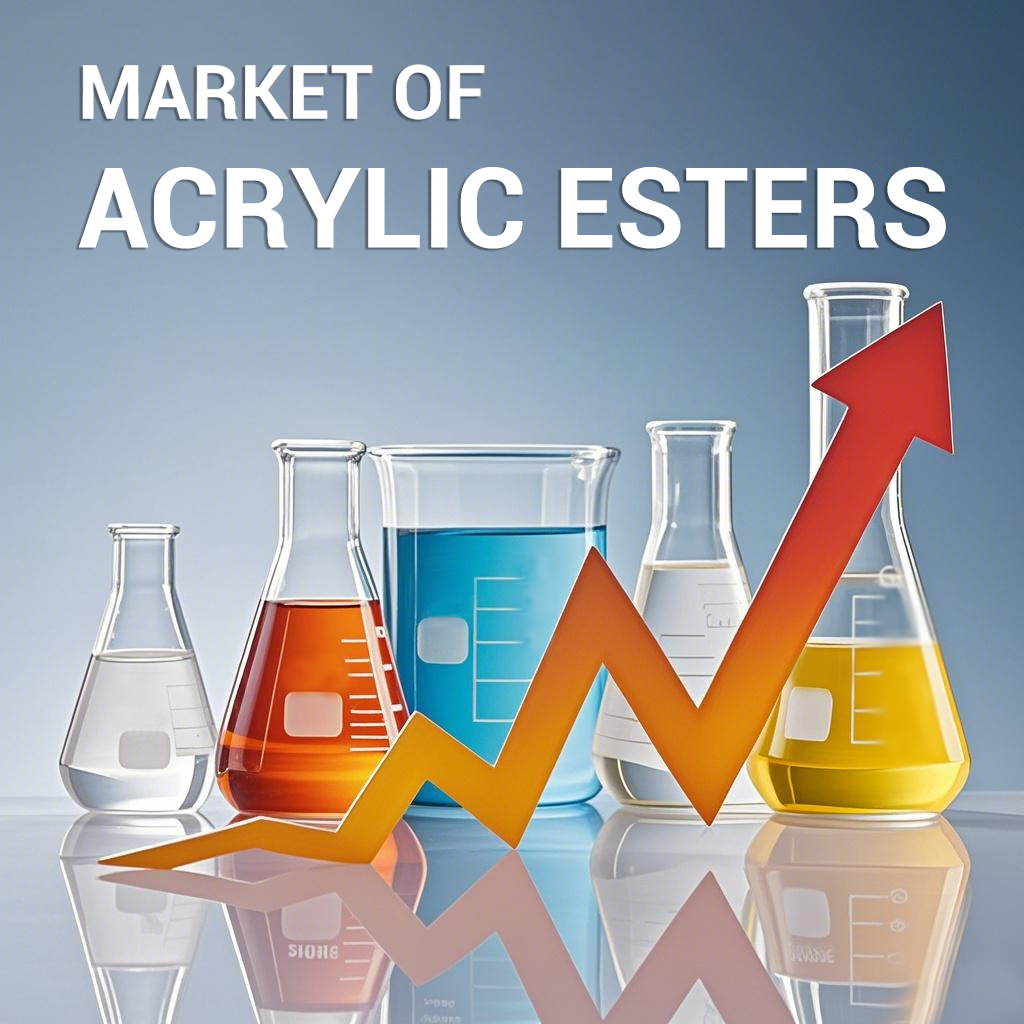
Acrylic Esters Market Witnesses Price Surge and Supply Tightness

07

Apr

Acrylic Esters Market Witnesses Price Surge and Supply Tightness

View More
Methyl Methacrylate Production Trends: Balancing Industrial Demand with Greener Manufacturing Practices

23

Jul

Methyl Methacrylate Production Trends: Balancing Industrial Demand with Greener Manufacturing Practices

Explore the market expansion of methyl methacrylate production, driven by key sectors like automotive and construction. Delve into global growth trends, sustainable manufacturing innovations, and strategies to reduce carbon footprints and foster an industrial-ecological balance.
View More
2-Hydroxyethyl Acrylate (HEA) Shelf-Life Tips for Overseas Stockists

14

Aug

2-Hydroxyethyl Acrylate (HEA) Shelf-Life Tips for Overseas Stockists

View More
Acrylamide Powder Solubility Hacks That Reduce Factory Water Use

14

Aug

Acrylamide Powder Solubility Hacks That Reduce Factory Water Use

View More

Get a Free Quote

Our representative will contact you soon.
Email
Name
Company Name
Message
0/1000

sodium methacrylate

Superior Water Absorption and Retention Properties

Superior Water Absorption and Retention Properties

Sodium methacrylate delivers exceptional performance in creating high-capacity absorbent materials through its unique molecular structure. When polymerized into crosslinked networks, sodium methacrylate forms superabsorbent polymers capable of absorbing hundreds of times their weight in water. This remarkable absorption capacity stems from the ionic carboxylate groups that create osmotic pressure gradients, drawing water into the polymer matrix and holding it securely even under pressure. For manufacturers of hygiene products, agricultural water retention systems, or medical dressings, this translates to products with superior liquid management capabilities. The hydrophilic nature of sodium methacrylate ensures rapid fluid uptake, which is critical in time-sensitive applications. Unlike traditional absorbent materials, polymers containing sodium methacrylate maintain their structural integrity when saturated, preventing gel blocking and ensuring consistent performance throughout the product lifecycle. This reliability reduces product failures and enhances end-user satisfaction. The compound's absorption characteristics remain stable across varying temperature and pH conditions, making it suitable for diverse environmental exposures. By incorporating sodium methacrylate into your formulations, you create products that outperform competitors in fluid management while maintaining cost-effectiveness through efficient material utilization and consistent manufacturing processes.
Enhanced Polymer Modification and Functionality

Enhanced Polymer Modification and Functionality

Sodium methacrylate excels as a polymer modifier, introducing beneficial functional groups that dramatically expand material capabilities. When copolymerized with other monomers, sodium methacrylate imparts hydrophilicity, improved adhesion, and enhanced compatibility with aqueous systems. This modification capability allows formulators to fine-tune polymer properties without completely redesigning existing product architectures. The ionic character of sodium methacrylate creates electrostatic interactions that improve dispersion stability in coatings, paints, and adhesives, preventing settling and ensuring uniform application. In textile applications, the compound enhances fiber treatment by improving dye uptake and soil release properties, resulting in fabrics with better performance and longevity. For construction materials, sodium methacrylate modification improves cement flow characteristics and reduces water demand while enhancing final strength properties. The compound's reactivity enables controlled incorporation into polymer backbones, allowing precise adjustment of glass transition temperatures, mechanical properties, and environmental resistance. This level of control empowers manufacturers to create differentiated products tailored to specific market needs. The modification process integrates seamlessly into existing production equipment, minimizing capital investment while maximizing product innovation potential. By leveraging sodium methacrylate as a functional modifier, you gain competitive advantages through enhanced product performance, expanded application possibilities, and improved manufacturing flexibility.
Environmentally Conscious and Safety-Compliant Solution

Environmentally Conscious and Safety-Compliant Solution

Sodium methacrylate offers significant environmental and safety advantages that align with modern sustainability requirements and regulatory standards. Unlike many specialty chemicals, sodium methacrylate is water-soluble and does not accumulate in biological systems, reducing environmental persistence concerns. The compound biodegrades under appropriate conditions, minimizing long-term ecological impact compared to alternatives. For manufacturers facing increasing pressure to demonstrate environmental responsibility, sodium methacrylate enables green chemistry initiatives without compromising product performance. The material's aqueous processing capability eliminates the need for volatile organic solvents, reducing air emissions and workplace exposure risks. This feature simplifies compliance with environmental regulations and improves worker safety conditions in manufacturing facilities. Sodium methacrylate also demonstrates favorable toxicological profiles when handled according to standard industrial practices, with established safety data supporting risk assessments and regulatory submissions. The compound's ionic nature and water solubility facilitate wastewater treatment and disposal, preventing accumulation in treatment systems. For companies pursuing sustainability certifications or responding to customer demands for environmentally responsible materials, sodium methacrylate provides documented credentials that support marketing claims and corporate responsibility goals. The material's compatibility with bio-based feedstock initiatives positions it favorably for future regulatory landscapes, protecting your product portfolios from obsolescence risks while demonstrating forward-thinking material stewardship to stakeholders and consumers.
email goToTop