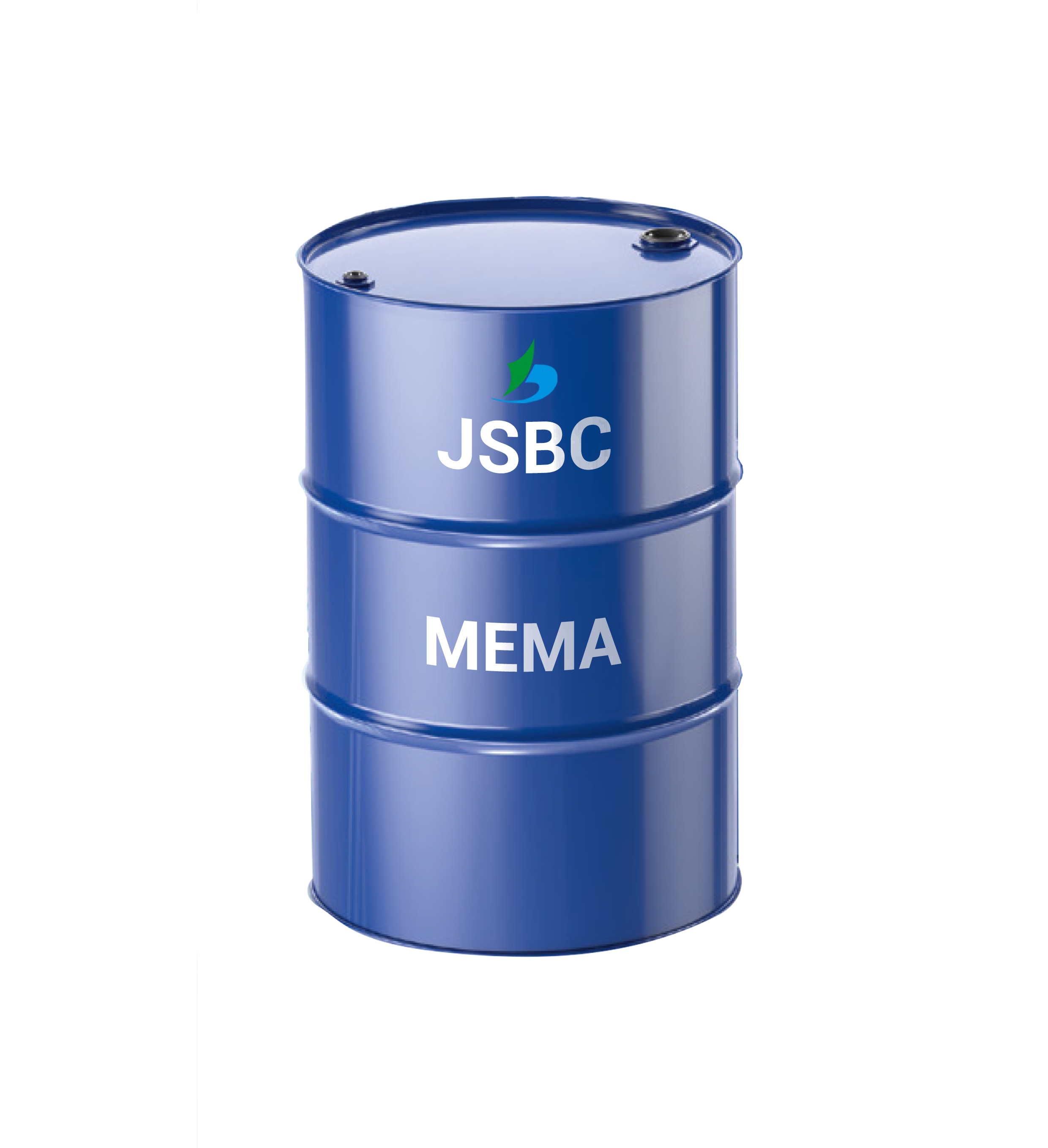
White Label Acrylate Monomers | Solutions

All Categories

white label acrylate monomers

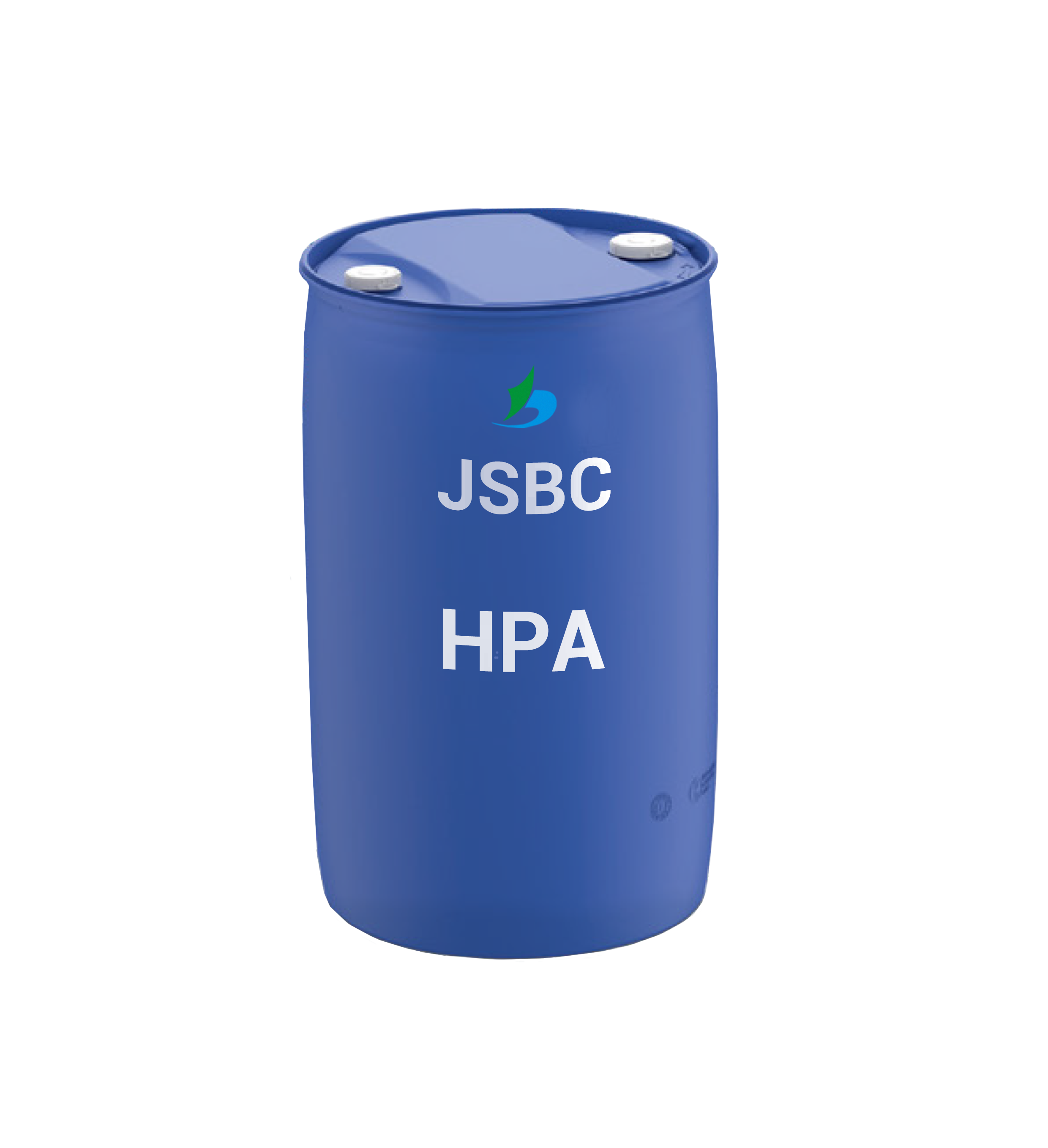
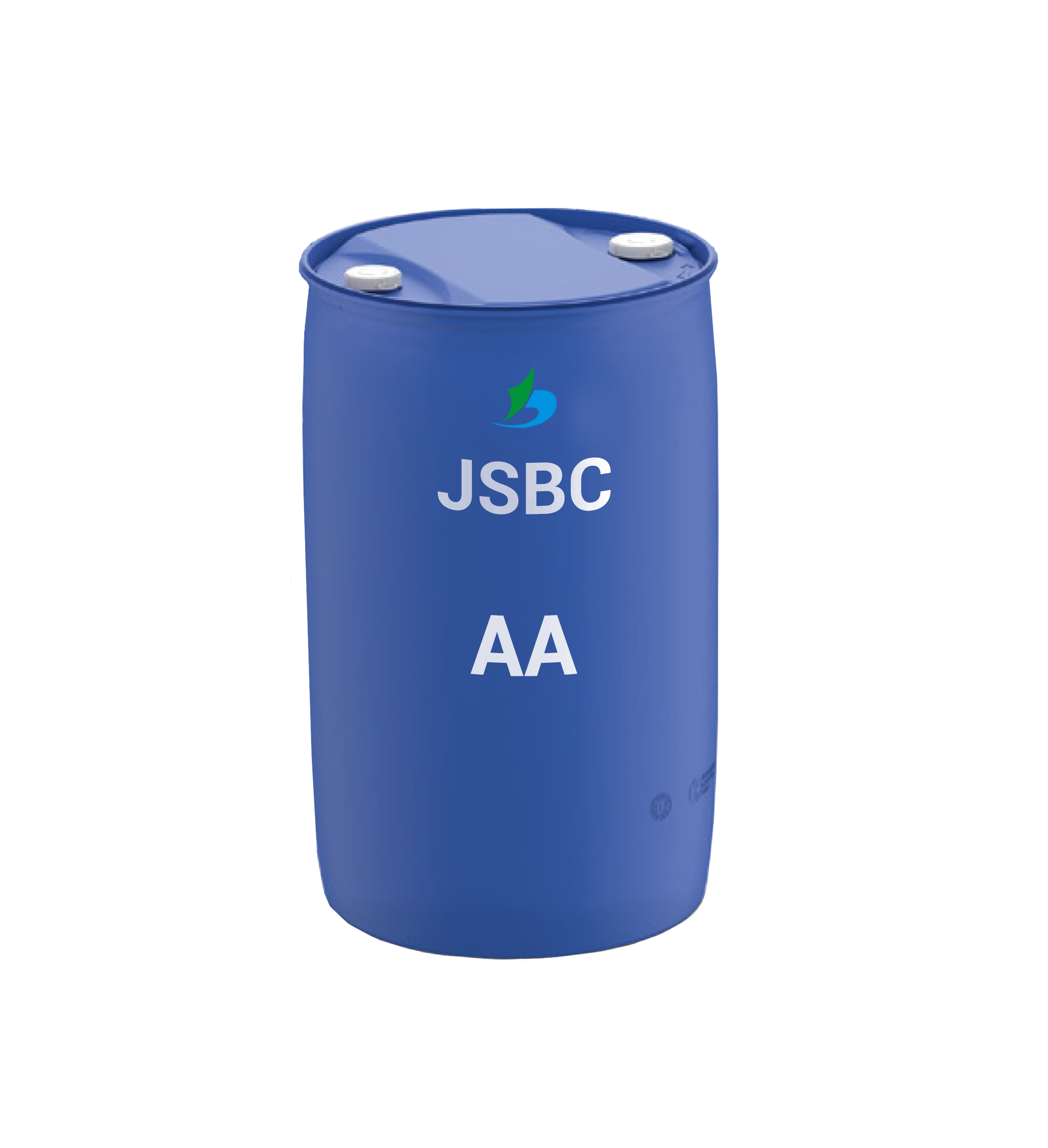
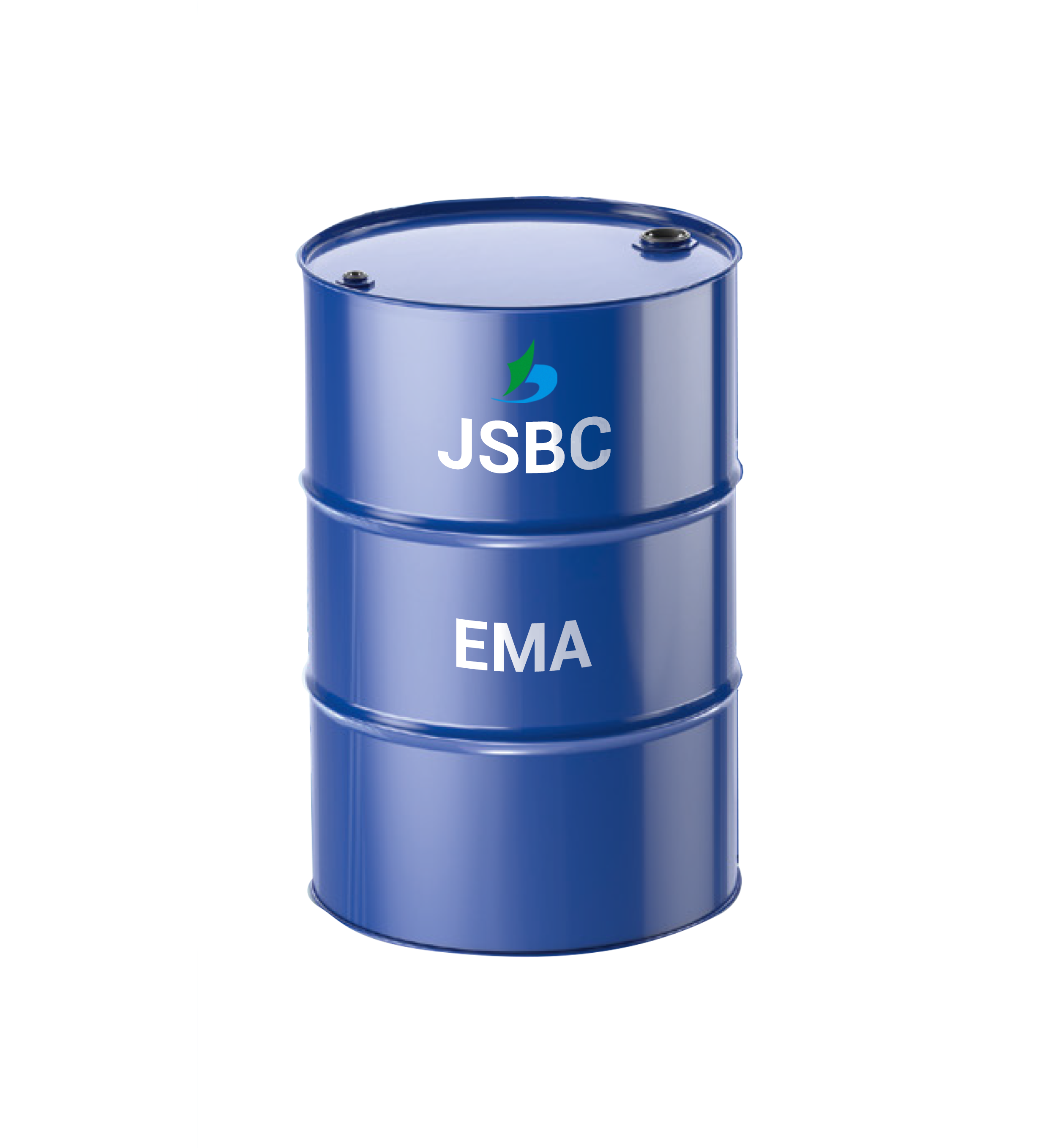
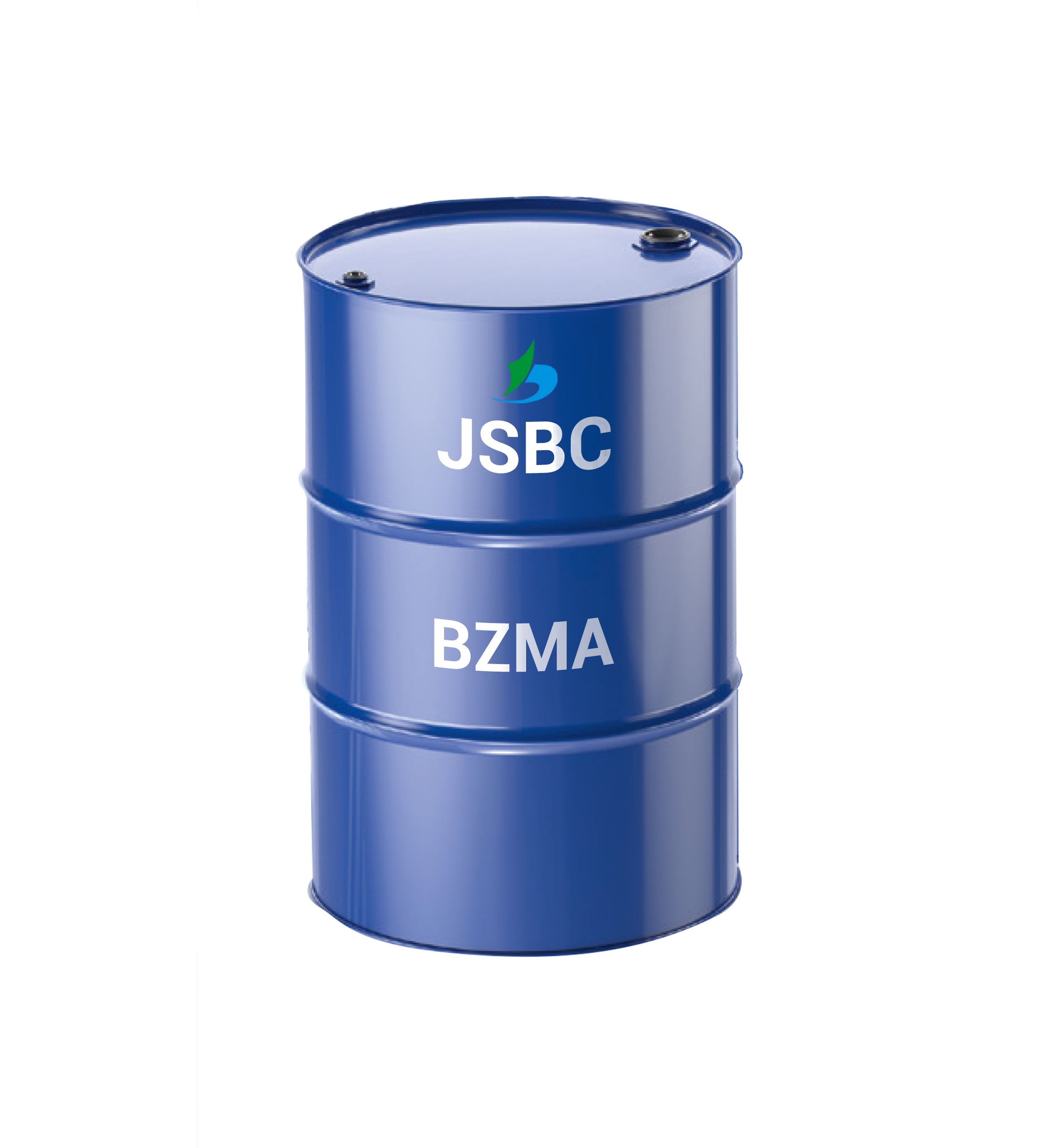
White label acrylate monomers represent a versatile category of chemical building blocks that enable manufacturers and formulators to create customized polymer-based products under their own brand identity. These monomers serve as essential raw materials in polymerization processes, where they combine to form larger polymer chains with specific properties tailored to diverse industrial applications. The main function of white label acrylate monomers is to provide the foundational chemistry for producing coatings, adhesives, sealants, and elastomers with controllable characteristics such as hardness, flexibility, adhesion strength, and weather resistance. Technologically, white label acrylate monomers offer exceptional reactivity through their carbon-carbon double bonds, allowing for efficient polymerization under various conditions including UV light, heat, or chemical initiators. This reactivity enables manufacturers to design products with precise performance specifications while maintaining cost-effectiveness in production. The white label aspect means suppliers provide these monomers without proprietary branding, allowing downstream manufacturers to develop and market their own formulations independently. Applications span numerous industries including automotive coatings, construction sealants, medical device components, electronics assembly, textile treatments, and paper coatings. The versatility of white label acrylate monomers makes them indispensable in modern manufacturing, where customization and brand differentiation are increasingly important. Their chemical stability during storage, combined with predictable polymerization behavior, ensures consistent product quality across production batches, making them reliable choices for companies seeking to establish their own product lines in competitive markets.

New Product Recommendations

Choosing white label acrylate monomers delivers substantial operational and commercial benefits for businesses seeking to establish or expand their product portfolios. The primary advantage lies in brand ownership and market differentiation, as companies can formulate proprietary products without investing in monomer synthesis infrastructure. This approach significantly reduces capital expenditure while accelerating time-to-market for new product launches. From a cost perspective, white label acrylate monomers provide access to industrial-grade raw materials at competitive prices, eliminating the markup associated with branded alternatives while maintaining equivalent performance standards. Manufacturers gain complete control over formulation optimization, enabling them to adjust properties such as viscosity, curing speed, and final polymer characteristics to meet specific customer requirements or regulatory standards. The flexibility extends to packaging and presentation, allowing businesses to align product appearance with their brand identity and target market preferences. Operationally, white label acrylate monomers simplify supply chain management through established supplier relationships and consistent quality specifications, reducing the complexity of raw material sourcing and quality assurance processes. This reliability translates into predictable production schedules and reduced waste from batch failures. Application suitability is another key advantage, as these monomers serve diverse industries from construction to healthcare, enabling companies to diversify revenue streams without switching suppliers. The technical support typically available from white label suppliers helps businesses optimize formulations and troubleshoot production challenges, effectively extending internal R&D capabilities. For decision-makers, white label acrylate monomers represent a strategic choice that balances quality, cost control, and market flexibility, supporting both immediate production needs and long-term business growth objectives in competitive industrial markets.

Practical Tips

India Extends BIS Certification Deadline for Acrylic Esters and Vinyl Acetate

07

Apr

India Extends BIS Certification Deadline for Acrylic Esters and Vinyl Acetate

View More
Visit Baicheng Chemical at CPHI China 2025 to Explore Pharmaceutical Solutions (Booth E6A77)

19

Jun

Visit Baicheng Chemical at CPHI China 2025 to Explore Pharmaceutical Solutions (Booth E6A77)

View More
How Specialty Intermediates Improve Efficiency in Polymer Manufacturing

19

Jun

How Specialty Intermediates Improve Efficiency in Polymer Manufacturing

Discover the crucial role of specialty intermediates in improving polymer manufacturing efficiency. Explore optimized formulations, key chemicals, and emerging sustainability trends.
View More
Maleic Anhydride Applications: Enhancing Polymer Properties with Lower Environmental Footprint

23

Jul

Maleic Anhydride Applications: Enhancing Polymer Properties with Lower Environmental Footprint

Explore how maleic anhydride enhances polymer modification, boosting adhesion and compatibility in polymer blends. Discover its role in sustainable applications across industries, from lightweight automotive composites to eco-friendly packaging solutions, driving environmental impact with improved recyclability and biodegradability.
View More

Get a Free Quote

Our representative will contact you soon.
Email
Name
Company Name
Message
0/1000

white label acrylate monomers

Complete Branding Freedom and Market Customization

Complete Branding Freedom and Market Customization

White label acrylate monomers empower businesses with unprecedented control over their product identity and market positioning. Unlike branded raw materials that carry supplier identities, these monomers arrive without proprietary labeling, enabling companies to develop unique formulations that reflect their technical expertise and market understanding. This freedom extends beyond simple repackaging to encompass complete formulation development, where manufacturers can adjust monomer ratios, incorporate additives, and optimize processing parameters to create differentiated products that address specific market niches. The ability to build proprietary intellectual property around formulations strengthens competitive positioning and creates barriers to entry for competitors. Companies can establish premium market segments or value-oriented product lines using the same base monomers, optimizing pricing strategies according to target customer profiles. This flexibility proves particularly valuable in rapidly evolving markets where customer preferences shift quickly, allowing agile businesses to reformulate and reposition products without renegotiating supplier agreements or changing raw material sources. The white label approach also facilitates private label manufacturing opportunities, where businesses can produce custom formulations for retail partners or industrial clients under multiple brand identities simultaneously, maximizing production capacity utilization and revenue potential across diverse market segments.
Superior Technical Performance Across Applications

Superior Technical Performance Across Applications

The chemical structure of white label acrylate monomers delivers exceptional performance characteristics that translate into superior end-product quality across numerous applications. These monomers feature highly reactive acrylate functional groups that enable rapid and complete polymerization, resulting in coatings and adhesives with excellent mechanical properties, chemical resistance, and durability. The versatility in polymerization mechanisms, including free radical, UV-initiated, and thermal curing pathways, allows formulators to select processing methods that optimize production efficiency and product performance for specific applications. In coating applications, white label acrylate monomers contribute to formulations with outstanding gloss retention, scratch resistance, and weatherability, extending product lifespan in demanding outdoor environments. For adhesive applications, these monomers provide strong bonding across dissimilar substrates including metals, plastics, and composites, with controllable curing speeds that accommodate both high-speed manufacturing and complex assembly processes. The low volatile organic compound content of many acrylate monomer formulations supports environmental compliance and workplace safety initiatives, reducing emissions and health risks during manufacturing and application. Additionally, the thermal stability and oxidation resistance of polymerized acrylates ensure long-term performance stability, minimizing product failures and warranty claims that impact profitability and brand reputation in competitive markets.
Cost-Effective Scalability and Supply Chain Efficiency

Cost-Effective Scalability and Supply Chain Efficiency

White label acrylate monomers offer significant economic advantages through streamlined procurement, reduced inventory complexity, and scalable production capabilities that support business growth without proportional increases in operational overhead. The standardized nature of white label monomers simplifies quality control procedures, as suppliers maintain consistent specifications across shipments, reducing incoming inspection requirements and accelerating raw material release for production. This consistency enables lean manufacturing practices with lower safety stock levels, freeing working capital for other business investments while maintaining production continuity. The competitive pricing structure of white label acrylate monomers reflects efficient production economies without brand premium costs, improving gross margins on finished products and enhancing price competitiveness in cost-sensitive markets. As production volumes increase, businesses benefit from volume-based pricing tiers without switching suppliers or reformulating products, preserving product consistency that builds customer loyalty and repeat business. The established global supply networks for white label acrylate monomers provide geographic flexibility, enabling companies to source materials closer to manufacturing facilities, reducing transportation costs and delivery lead times while minimizing supply chain disruption risks. This supply chain resilience proves increasingly valuable in volatile markets where material availability and price stability directly impact business continuity and profitability projections.
email goToTop