









In the ever-evolving world of industrial coatings, N-Butylacetate has emerged as a crucial solvent that delivers exceptional performance across various applications. This versatile chemical compound, known for its moderate evaporation rate and excellent solvency properties, plays a vital role in achieving high-quality surface finishes. As manufacturers seek optimal solutions for their coating processes, understanding the properties and applications of N-Butylacetate becomes increasingly important.
The selection of appropriate solvents significantly impacts the final coating quality, application efficiency, and environmental compliance. N-Butylacetate offers a balanced combination of characteristics that make it particularly suitable for industrial coating applications, from automotive finishes to furniture coatings. Its popularity stems from its ability to provide excellent flow and leveling properties while maintaining compatibility with various resin systems.
N-Butylacetate features a unique molecular structure that contributes to its effectiveness in coating applications. The compound consists of a butyl group connected to an acetate group, resulting in a clear, colorless liquid with a characteristic fruity odor. This structure provides excellent stability under normal storage conditions and maintains its effectiveness over extended periods.
The chemical stability of N-Butylacetate makes it an ideal choice for industrial coating formulations where long-term performance is crucial. Unlike some alternative solvents, it resists degradation and maintains consistent properties throughout the coating process, ensuring reliable results in manufacturing environments.
One of the most significant advantages of N-Butylacetate lies in its moderate evaporation rate, which provides optimal conditions for film formation. This characteristic allows sufficient time for the coating to level properly while preventing common issues such as orange peel effect or surface defects. The controlled evaporation also helps in achieving the desired film thickness and appearance.
When comparing N-Butylacetate to other solvents, its evaporation rate proves particularly beneficial in maintaining a balance between quick drying and proper flow. This property becomes especially important in high-volume production environments where consistent quality and efficient processing are essential.
The performance of N-Butylacetate in coating applications can be influenced by various environmental factors. Temperature plays a crucial role in determining the solvent's behavior during application. Optimal application conditions typically range between 15-30°C, though specific requirements may vary depending on the coating formulation and substrate material.
Humidity and air circulation also affect the coating process when using N-Butylacetate. Proper ventilation helps maintain consistent evaporation rates, while controlled humidity levels ensure optimal film formation. Understanding and managing these environmental factors is essential for achieving superior coating results.
N-Butylacetate demonstrates excellent compatibility with a wide range of substrate materials commonly used in industrial applications. This includes metals, plastics, and composite materials. However, testing compatibility with specific substrates remains crucial for ensuring optimal adhesion and preventing potential material degradation.
When working with sensitive substrates, it's important to consider the solvent's interaction with the surface. N-Butylacetate's moderate solvency power helps prevent excessive substrate attack while maintaining effective resin dissolution, resulting in superior coating adhesion and durability.
Working with N-Butylacetate requires appropriate safety measures and personal protective equipment (PPE). Essential safety gear includes chemical-resistant gloves, safety goggles, and respiratory protection when working in areas with limited ventilation. Regular training and adherence to safety protocols help maintain a secure working environment.
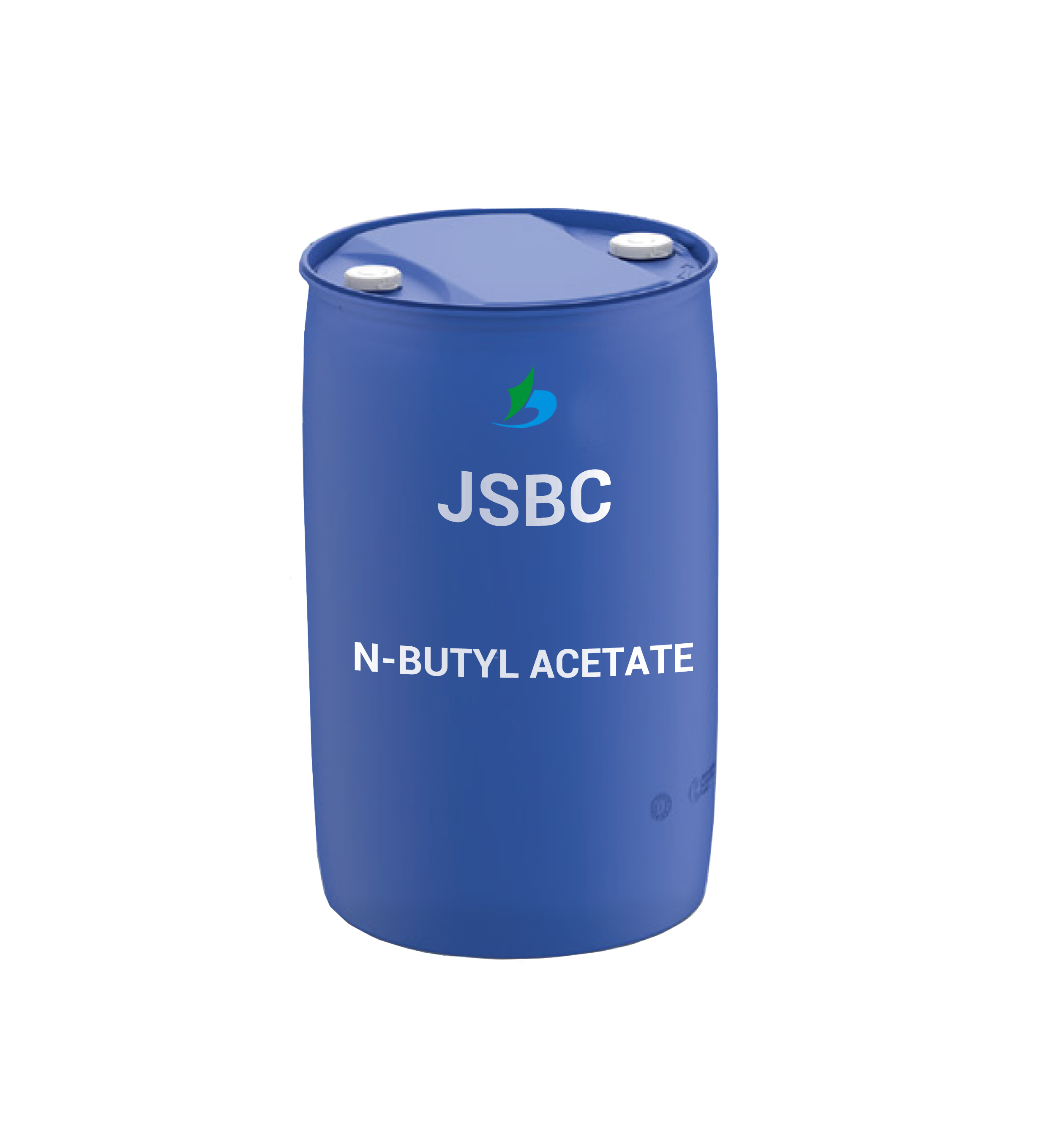
Proper storage and handling procedures must be followed to prevent accidents and maintain product quality. This includes keeping N-Butylacetate in appropriate containers away from heat sources and incompatible materials, while ensuring adequate ventilation in storage and working areas.
Establishing clear emergency response procedures for handling N-Butylacetate incidents is crucial. This includes having readily available spill control materials, eye wash stations, and emergency shower facilities. Staff should be trained in proper response techniques and familiar with the location of safety equipment.
Regular safety drills and updates to emergency procedures help ensure quick and effective responses to potential incidents. Documentation of safety protocols and maintaining current safety data sheets (SDS) supports compliance with regulatory requirements and workplace safety standards.
Modern industrial coating operations must address environmental concerns related to volatile organic compound (VOC) emissions. While N-Butylacetate is classified as a VOC, proper application techniques and control measures can help minimize environmental impact. This includes using efficient application equipment and implementing recovery systems where feasible.
Advanced coating technologies and application methods can significantly reduce solvent consumption and emissions. Optimization of spray patterns, proper maintenance of equipment, and consideration of alternative application methods contribute to environmentally responsible use of N-Butylacetate.
Staying compliant with environmental regulations requires understanding current requirements and anticipated changes in legislation. Different regions may have varying restrictions on N-Butylacetate usage and emission levels. Regular audits and updates to operational procedures help maintain compliance while ensuring efficient coating operations.
Documentation of solvent usage, emissions monitoring, and waste management practices supports regulatory compliance efforts. Implementing proper record-keeping systems and maintaining current permits demonstrates commitment to environmental responsibility.
N-Butylacetate offers several significant benefits, including moderate evaporation rate for optimal film formation, excellent solvency properties for various resins, good stability during storage and use, and compatibility with many substrate materials. These properties contribute to achieving high-quality surface finishes in industrial coating applications.
N-Butylacetate should be stored in tightly sealed containers in a cool, dry, well-ventilated area away from direct sunlight and heat sources. The storage area should be free from ignition sources, and containers should be properly labeled. Regular inspection of storage conditions and container integrity helps maintain product quality.
Temperature, humidity, and air circulation significantly influence N-Butylacetate's performance in coating applications. Optimal application conditions include temperatures between 15-30°C and controlled humidity levels. Proper ventilation is essential for maintaining consistent evaporation rates and achieving desired coating results.
Facilities can optimize N-Butylacetate usage through efficient application techniques, proper maintenance of equipment, and implementation of solvent recovery systems. Regular monitoring of emissions, maintaining detailed usage records, and staying updated with regulatory requirements helps ensure environmental compliance while maximizing coating performance.
 Hot News
2026-10-15
2026-10-12
2026-10-08
2026-09-07
2026-09-28
2026-09-21



 EN
EN