








Methacrylic acid is a highly irritating organic compound widely used in industrial polymer production, adhesives, and coating formulations. Because methacrylic acid presents significant health and safety risks — including severe skin, eye, and respiratory irritation — understanding how to handle it correctly is not optional. Workplaces that use methacrylic acid must align their practices with recognized occupational health standards to protect workers and avoid regulatory non-compliance.
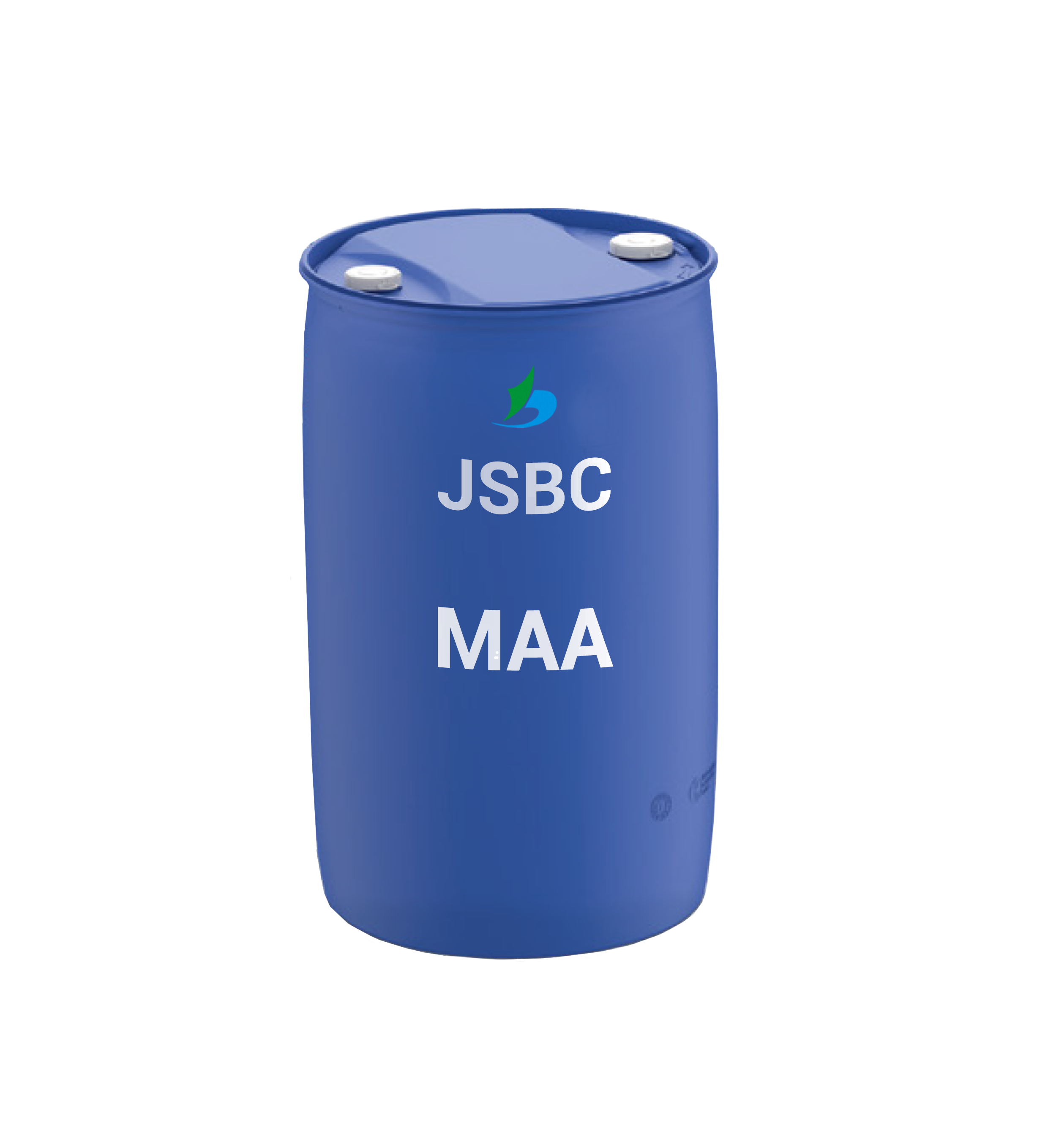
This article provides a structured, practical approach to working safely with methacrylic acid in occupational settings. Whether your facility is already using methacrylic acid or is preparing to introduce it into a production process, the guidance here covers exposure risk assessment, personal protective measures, engineering controls, and storage requirements — all aligned with common occupational safety frameworks.
Methacrylic acid is a colorless liquid with a sharp, acrid odor detectable at very low concentrations. The vapor pressure of methacrylic acid is relatively high, which means inhalation exposure can occur quickly in poorly ventilated environments. Methacrylic acid is also corrosive, capable of causing chemical burns to skin and eyes on contact. Its flash point is low enough to present flammability concerns, making methacrylic acid a dual hazard — both toxic and potentially ignitable under certain conditions.
Regulatory agencies in many countries have established occupational exposure limits (OELs) for methacrylic acid to define the maximum airborne concentration a worker may be exposed to during a working day. These limits for methacrylic acid are typically expressed as time-weighted averages (TWA) or short-term exposure limits (STEL). Employers handling methacrylic acid must monitor ambient air levels and maintain records demonstrating compliance. When measured concentrations of methacrylic acid exceed defined thresholds, corrective action — such as improved ventilation or mandatory respiratory protection — must be implemented immediately.
Effective ventilation is the most critical engineering control when working with methacrylic acid. Local exhaust ventilation (LEV) systems should be installed at all points where methacrylic acid is transferred, mixed, or processed. General dilution ventilation alone is often insufficient to control methacrylic acid vapor concentrations at the source. LEV captures methacrylic acid vapors before they disperse into the breathing zone, significantly reducing inhalation risk for operators.
Closed-system processing of methacrylic acid — where the compound is handled entirely within sealed piping and reaction vessels — is strongly preferred in high-volume industrial settings. This approach limits direct human exposure to methacrylic acid and reduces the frequency at which workers must handle open containers. When closed systems are not feasible, enclosed dispensing equipment for methacrylic acid is a practical intermediate solution.
Methacrylic acid is reactive and may interact with certain metals and elastomers. Selecting equipment materials that are chemically compatible with methacrylic acid is essential to prevent corrosion, leaks, or uncontrolled polymerization. Stainless steel and certain fluoropolymer-lined fittings are commonly used with methacrylic acid. Pumps, valves, and storage containers handling methacrylic acid should be regularly inspected for signs of degradation, corrosion, or seal failure, as these can result in unintended methacrylic acid releases.
Personal protective equipment (PPE) is a critical last line of defense when engineering controls cannot fully eliminate methacrylic acid exposure. Chemical-resistant gloves rated for use with methacrylic acid — such as those made from butyl rubber or neoprene — must be worn when handling containers or equipment containing methacrylic acid. Standard latex or nitrile gloves offer inadequate protection against methacrylic acid and should not be used as the sole barrier material.
Eye and face protection is mandatory when working near methacrylic acid. Splash-proof chemical goggles — not standard safety glasses — are required because methacrylic acid can cause immediate and severe eye damage. Where there is a risk of methacrylic acid vapor exceeding OELs, a half-face respirator fitted with an acid gas cartridge must be worn. Full-face respirators provide additional protection in higher-concentration environments involving methacrylic acid. Chemical-resistant aprons and boots should also be worn when large volumes of methacrylic acid are transferred or decanted.
Every workplace using methacrylic acid must have clearly documented emergency response procedures and readily accessible first aid resources. In the event of skin contact with methacrylic acid, the affected area should be flushed with large quantities of water for at least 15 minutes. Eye exposure to methacrylic acid requires immediate irrigation at an eyewash station and urgent medical evaluation. Emergency showers and eyewash stations must be located within seconds of walking distance from any area where methacrylic acid is handled.
Spill response kits for methacrylic acid should include absorbent materials compatible with corrosive substances and clearly labeled waste containers. Workers assigned to spill cleanup involving methacrylic acid must wear full PPE before approaching the affected area. Vapors from a methacrylic acid spill can accumulate rapidly, so the area must be evacuated and ventilated before cleanup begins. All spill incidents involving methacrylic acid should be documented and investigated to prevent recurrence.
Methacrylic acid should be stored in a cool, well-ventilated area away from heat sources, open flames, and direct sunlight. Containers of methacrylic acid must be kept tightly sealed and stored separately from oxidizers and strong bases. Methacrylic acid is prone to polymerization, so inhibited grades of methacrylic acid — containing a polymerization inhibitor — should be used in storage. Regular inspection of storage containers is necessary to detect any signs of degradation or inhibitor depletion in methacrylic acid.
The frequency of air monitoring for methacrylic acid depends on the quantity handled, process conditions, and results of previous monitoring. Initial baseline monitoring for methacrylic acid should be conducted when the substance is first introduced or when processes change significantly. If monitoring confirms that methacrylic acid exposure levels are consistently well below OELs, monitoring intervals may be extended. However, any change in process, equipment, or work patterns involving methacrylic acid should trigger a new round of air monitoring.
Repeated or prolonged occupational exposure to methacrylic acid may cause chronic respiratory irritation, sensitization, and in some cases, more serious systemic effects. Workers exposed to methacrylic acid over time should undergo periodic health surveillance as part of a workplace health monitoring program. Symptoms such as persistent coughing, skin redness, or eye sensitivity after methacrylic acid exposure should be reported to occupational health professionals promptly. Reducing methacrylic acid exposure through engineering controls and PPE remains the most effective strategy for preventing long-term health impacts.
 Hot News
2026-10-15
2026-10-12
2026-10-08
2026-09-07
2026-09-28
2026-09-21



 EN
EN