





โพลีอูรีเทนอีลาสโตเมอร์เป็นวัสดุที่มีความหลากหลายและถูกใช้งานอย่างแพร่หลายในภาคยานยนต์ อุตสาหกรรม และสินค้าอุปโภคบริโภค เนื่องจากมีคุณสมบัติเชิงกลที่โดดเด่น อย่างไรก็ตาม การบรรลุสมดุลที่เหมาะสมระหว่างความต้านทานความร้อนกับความยืดหยุ่นยังคงเป็นความท้าทายสำคัญสำหรับผู้ผลิตและวิศวกรด้านวัสดุ หัวใจสำคัญในการปลดล็อกประสิทธิภาพเหนือระดับของอีลาสโตเมอร์เหล่านี้อยู่ที่การใช้สารขยายสายโซ่ (chain extenders) ประเภทไดออลอย่างมีกลยุทธ์ ซึ่งทำหน้าที่เป็นสะพานโมเลกุลที่เปลี่ยนแปลงโครงสร้างจุลภาคและพฤติกรรมทางความร้อน-เชิงกลของพอลิเมอร์อย่างพื้นฐาน การเข้าใจกลไกการทำงานของส่วนประกอบเคมีเหล่านี้ในระดับโมเลกุลช่วยให้ผู้พัฒนาสูตรสามารถออกแบบระบบโพลีอูรีเทนที่ตอบสนองข้อกำหนดด้านประสิทธิภาพที่เข้มงวดยิ่งขึ้นในสภาพแวดล้อมที่มีอุณหภูมิสูง ขณะเดียวกันก็ยังคงรักษาความยืดหยุ่นที่จำเป็นสำหรับการใช้งานแบบพลวัต
โครงสร้างโมเลกุลของโพลีอูรีเทนอีลาสโตเมอร์ถูกกำหนดโดยปฏิสัมพันธ์ระหว่างส่วนที่นุ่ม (soft segments) ที่ได้จาก โพลีโอล และส่วนที่แข็งซึ่งเกิดขึ้นจากการทำปฏิกิริยาระหว่างไอโซไซยาเนตและสารขยายสายโพลีเมอร์ชนิดไดออล โครงสร้างโคพอลิเมอร์แบบบล็อกที่มีการแบ่งส่วนอย่างชัดเจนนี้ก่อให้เกิดโดเมนที่แยกเฟสออกจากกันอย่างเด่นชัด ซึ่งควบคุมทั้งความเสถียรทางความร้อนและความยืดหยุ่นเชิงกล ทั้งนี้ เมื่อเลือกใช้และผสมสารขยายสายโพลีเมอร์ชนิดไดออลอย่างเหมาะสม จะช่วยเพิ่มระดับผลึกและพันธะไฮโดรเจนภายในส่วนที่แข็ง จึงเกิดเป็นโดเมนที่มีความเสถียรทางความร้อนสูง ซึ่งสามารถต้านทานการอ่อนตัวที่อุณหภูมิสูงได้ พร้อมกันนั้น การควบคุมระยะห่างระหว่างหน่วยซ้ำและมวลโมเลกุลของสารขยายสายเหล่านี้ยังช่วยให้ส่วนที่นุ่มสามารถเคลื่อนที่ได้อย่างเพียงพอ จึงรักษาคุณสมบัติแบบอีลาสโตเมอร์ไว้ได้อย่างครบถ้วน ซึ่งจำเป็นต่อความยืดหยุ่นของวัสดุ กลไกการเสริมประสิทธิภาพแบบสองด้านนี้ทำให้สารขยายสายโพลีเมอร์ชนิดไดออลกลายเป็นองค์ประกอบที่ขาดไม่ได้ในการสูตรยางพอลิเมอร์ยูรีเทนประสิทธิภาพสูง ซึ่งต้องทำงานได้อย่างมีประสิทธิภาพในช่วงอุณหภูมิที่กว้างมาก โดยไม่สูญเสียความสมบูรณ์เชิงกลหรือความสามารถในการคืนรูปแบบยืดหยุ่น
กลไกหลักที่สารขยายสายโซ่ชนิดไดออลช่วยเพิ่มความต้านทานต่อความร้อน คือ การสร้างส่วนแข็งที่มีระเบียบสูงและเป็นผลึกภายในแมทริกซ์โพลียูรีเทน ไดออลที่มีสายโซ่สั้น เช่น 1,4-บิวแทนไดออล จะสร้างพันธะยูรีเทนที่มีขนาดกะทัดรัดและจัดเรียงอย่างสม่ำเสมอ ซึ่งสามารถจัดเรียงตัวเข้าด้วยกันอย่างมีประสิทธิภาพจนเกิดโครงสร้างผลึก โดเมนผลึกเหล่านี้มีอุณหภูมิหลอมเหลวสูงกว่าบริเวณที่ไม่มีระเบียบ (amorphous regions) อย่างมาก จึงทำหน้าที่เป็นจุดยึดทางความร้อนที่ต้านทานการเปลี่ยนรูปเมื่อวัสดุยางยืดถูกสัมผัสกับอุณหภูมิสูง ระดับของการเกิดผลึกสัมพันธ์โดยตรงกับความสมมาตรและความยาวของสายโซ่ของสารขยายสายโซ่ชนิดไดออล โดยไดออลเชิงเส้นแบบอะลิฟาติกจะส่งเสริมการจัดเรียงตัวในรูปผลึกได้ดีที่สุด
เมื่อเอลาสโตเมอร์โพลียูรีเทนถูกทำให้ร้อน ส่วนที่นุ่มมักจะนิ่มตัวลงและเพิ่มการเคลื่อนที่ของสายโซ่ ซึ่งอาจก่อให้เกิดปรากฏการณ์ครีป (creep) และความไม่เสถียรของมิติ อย่างไรก็ตาม ส่วนที่แข็งซึ่งมีโครงสร้างผลึกที่เกิดจากตัวขยายสายโซ่ชนิดไดออล (diol chain extenders) ทำหน้าที่เป็นจุดข้ามเชื่อมทางกายภาพ (physical crosslinks) ที่ช่วยรักษาความสมบูรณ์ของโครงสร้าง โดเมนที่มีความเสถียรต่อความร้อนเหล่านี้ป้องกันไม่ให้สายโซ่เลื่อนไถลไปอย่างกว้างขวาง และรักษาคุณสมบัติการจำรูปร่าง (shape memory) ของวัสดุไว้แม้ในอุณหภูมิที่ใกล้เคียงหรือสูงกว่าอุณหภูมิการเปลี่ยนสถานะแก้ว (glass transition temperature) ของส่วนที่นุ่ม จุดหลอมเหลวของผลึกในส่วนที่แข็งเหล่านี้จึงกลายเป็นขีดจำกัดอุณหภูมิสูงสุดที่ใช้งานได้จริงสำหรับเอลาสโตเมอร์ ดังนั้น การเลือกตัวขยายสายโซ่ชนิดไดออลจึงมีความสำคัญอย่างยิ่งต่อการใช้งานในสภาวะอุณหภูมิสูง
นอกเหนือจากการเกิดผลึกแล้ว สารขยายสายโซ่ชนิดไดออลยังช่วยเพิ่มความต้านทานต่อความร้อนผ่านการสร้างเครือข่ายพันธะไฮโดรเจนอย่างกว้างขวางภายในเฟสของส่วนแข็ง กลุ่มยูรีเทนที่เกิดขึ้นเมื่ออิโซไซยาเนตทำปฏิกิริยากับหมู่ไฮดรอกซิลบนสารขยายสายโซ่ชนิดไดออลนั้นมีทั้งหมู่ที่เป็นผู้ให้พันธะไฮโดรเจน (หมู่ NH) และหมู่ที่เป็นผู้รับพันธะไฮโดรเจน (ออกซิเจนของหมู่คาร์บอนิล) หมู่ฟังก์ชันเหล่านี้สร้างปฏิสัมพันธ์ระหว่างโมเลกุลที่แข็งแรง ซึ่งจำเป็นต้องใช้พลังงานความร้อนในปริมาณมากเพื่อทำลายพันธะดังกล่าว ความหนาแน่นและความแข็งแรงของพันธะไฮโดรเจนเหล่านี้จะเพิ่มขึ้นเมื่อสัดส่วนของส่วนแข็งสูงขึ้น และความยาวของสายโซ่ไดออลที่ใช้เป็นสารขยายสายโซ่มีค่าสั้นลง
เครือข่ายพันธะไฮโดรเจนทำหน้าที่เป็นสะพานข้ามทางกายภาพที่สามารถย้อนกลับได้ ซึ่งให้ความมั่นคงด้านมิติภายใต้แรงโหลดที่อุณหภูมิสูง ต่างจากสะพานข้ามแบบโควาเลนต์ในพอลิยูรีเทนชนิดเทอร์โมเซ็ต ซึ่งพันธะไฮโดรเจนเหล่านี้สามารถแยกตัวออกและเกิดขึ้นใหม่ได้ ทำให้วัสดุสามารถไหลตัวระหว่างกระบวนการผลิต ขณะเดียวกันก็ยังคงให้ความเสถียรทางความร้อนในการใช้งานจริง ความหนาแน่นของพลังงานเชื่อมรวมที่เกิดจากปฏิสัมพันธ์เหล่านี้ช่วยเพิ่มจุดอ่อนตัว (softening point) ของยางยืด และลดแนวโน้มการไหลช้า (creep) ภายใต้แรงเครียดคงที่ที่อุณหภูมิสูง ผู้พัฒนาสูตรสามารถเพิ่มประสิทธิภาพความต้านทานความร้อนได้โดยการเลือก เครื่องขยายโซ่ไดอล สารที่มีคุณสมบัติและมวลโมเลกุลที่เหมาะสม เพื่อเพิ่มพันธะไฮโดรเจนให้มากที่สุด โดยไม่ลดทอนความสามารถในการแปรรูปหรือความยืดหยุ่น
ประสิทธิภาพของตัวขยายสายโซ่ไดออลในการเพิ่มความต้านทานต่อความร้อนขึ้นอยู่กับระดับของการแยกเฟสระหว่างส่วนที่แข็งและส่วนที่นุ่มอย่างยิ่ง ซึ่งการแยกเฟสย่อยแบบชัดเจนจะก่อให้เกิดโดเมนที่แข็งซึ่งมีลักษณะเป็นหน่วยที่แยกจากกัน กระจายตัวอยู่ภายในเมทริกซ์ที่นุ่มและต่อเนื่อง โดยเฟสที่แข็งทำหน้าที่เป็นสารเสริมความแข็งแรงที่มีเสถียรภาพทางความร้อน ทางเลือกของไดออลที่ใช้เป็นตัวขยายสายโซ่จะมีอิทธิพลต่อโครงสร้างเชิงจุลภาคดังกล่าวผ่านความสามารถในการเข้ากันได้กับส่วนประกอบทั้งสองชนิด คือ ไอโซไซยาเนตและโพลีออล ไดออลที่มีโครงสร้างสั้นและสมมาตร เช่น 1,4-บิวแทนไดออล จะส่งเสริมการแยกเฟสอย่างแข็งแกร่ง เนื่องจากมีความสามารถในการเข้ากันได้น้อยกับส่วนที่นุ่มของโพลีออลที่มีสายโซ่ยาว
ขอบเขตเฟสที่คมชัดส่งผลให้เกิดโดเมนที่แข็งแรง มีระเบียบภายในสูง และมีความแข็งแรงในการยึดเกาะกันอย่างมาก ซึ่งส่งผลโดยตรงต่อความสามารถในการทนความร้อนได้เหนือกว่า เมื่ออุณหภูมิเพิ่มขึ้น เฟสที่แข็งซึ่งแยกตัวออกจากกันอย่างดีจะยังคงรักษาความสมบูรณ์ของโครงสร้างไว้ ในขณะที่เฟสที่นุ่มจะเริ่มอ่อนตัวลง ทำให้ยางเทอร์โมพลาสติกยังคงรักษาความแข็งแกร่งและศักยภาพในการรับน้ำหนักได้ในระดับที่สูง ตรงกันข้าม หากการแยกเฟสไม่ดี จะส่งผลให้เกิดเฟสผสมที่มีคุณสมบัติระดับกลาง ซึ่งจะอ่อนตัวลงอย่างค่อยเป็นค่อยไปในช่วงอุณหภูมิที่กว้าง วิธีการขั้นสูง เช่น การวิเคราะห์ด้วยแคลอริเมตรีแบบสแกนเชิงอนุพันธ์ (DSC) และการวิเคราะห์เชิงกลศาสตร์แบบพลวัต (DMA) สามารถเปิดเผยให้เห็นว่าตัวขยายสายโซ่ชนิดไดออล (diol chain extenders) แต่ละชนิดมีผลต่อการแยกเฟสอย่างไร ซึ่งช่วยให้ผู้จัดสูตรสามารถเลือกโครงสร้างที่เพิ่มเสถียรภาพของโดเมนทางความร้อนสูงสุด พร้อมทั้งรักษาคุณสมบัติของยางเทอร์โมพลาสติกที่จำเป็นต่อความยืดหยุ่นไว้
แม้ว่าสารยืดหยุ่นโซ่ (diols chain extenders) จะถูกนำมาใช้เป็นหลักเพื่อสร้างส่วนที่แข็งและทนความร้อน แต่การเลือกใช้และปริมาณของสารเหล่านี้ก็มีผลอย่างลึกซึ้งต่อความยืดหยุ่นของอีลาสโตเมอร์ที่ได้ ความยืดหยุ่นในโพลียูรีเทนเกิดขึ้นจากความสามารถในการเคลื่อนที่ของส่วนที่นุ่ม (soft segments) ซึ่งโดยทั่วไปจะได้มาจากรูปแบบพอลิอีเทอร์หรือพอลิเอสเตอร์พอลิออลที่มีสายโซ่ยาว ส่วนที่แข็งซึ่งเกิดจากการใช้สารยืดหยุ่นโซ่ทำหน้าที่เป็นจุดเชื่อมข้ามทางกายภาพ (physical crosslinks) ซึ่งจำเป็นต้องจัดวางให้มีระยะห่างที่เหมาะสม เพื่อให้ส่วนที่นุ่มสามารถเคลื่อนที่ได้อย่างเพียงพอสำหรับการแสดงพฤติกรรมแบบยืดหยุ่น (elastic behavior) การใช้สารยืดหยุ่นโซ่มากเกินไป หรือการเลือกใช้โครงสร้างที่แข็งแกร่งเกินไป อาจทำให้ส่วนที่นุ่มถูกจำกัดการเคลื่อนที่มากเกินไป ส่งผลให้ความยืดหยุ่นลดลง และความแข็งเพิ่มขึ้น
น้ำหนักโมเลกุลและโครงสร้างของไดออลที่ใช้เป็นตัวขยายสายโซ่ (chain extenders) จะกำหนดระยะห่างระหว่างกลุ่มส่วนแข็ง (hard segment clusters) และความยาวของบล็อกแข็งแต่ละบล็อก ไดออลที่มีสายโซ่สั้นจะสร้างจุดข้ามเชื่อม (crosslinking points) ที่ถี่ขึ้น พร้อมทั้งให้โดเมนแข็งที่มีขนาดเล็กลง ในขณะที่ไดออลที่มีสายโซ่ยาวขึ้นหรือส่วนผสมของไดออลต่างความยาวสามารถผลิตส่วนเชื่อมที่ยืดหยุ่นมากขึ้นระหว่างบริเวณที่มีเสถียรภาพทางความร้อน การควบคุมโครงสร้างเช่นนี้ช่วยให้ผู้พัฒนาสูตรสามารถปรับระดับความยืดหยุ่นได้อย่างอิสระจากปริมาณส่วนแข็ง โดยการเปลี่ยนชนิดและสัดส่วนของไดออลที่ใช้เป็นตัวขยายสายโซ่ สำหรับการใช้งานที่ต้องการทั้งความต้านทานความร้อนและความยืดตัวสูง การผสมไดออลที่มีสายโซ่สั้นและปานกลางมักให้สมดุลที่เหมาะสมที่สุด เนื่องจากสามารถสร้างการกระจายตัวแบบไบโมดัล (bimodal distribution) ของขนาดส่วนแข็ง
อุณหภูมิการเปลี่ยนผ่านจากของแข็งเป็นแก้วของเฟสอ่อนกำหนดความยืดหยุ่นที่อุณหภูมิต่ำของยางเทอร์โมพลาสติกโพลียูรีเทน ขณะที่ปริมาณและโครงสร้างของเฟสแข็งมีผลต่อความยืดหยุ่นที่อุณหภูมิห้องและอุณหภูมิสูง ตัวขยายสายโซ่ไดออลส่งผลต่อการเปลี่ยนผ่านทั้งสองแบบผ่านอิทธิพลต่อการผสมกันของเฟสและน้ำหนักโมเลกุลของแต่ละส่วน หากเฟสแข็งมีความสั้นและชัดเจนเนื่องจากการใช้ตัวขยายสายโซ่ไดออลที่มีโครงสร้างกะทัดรัด เฟสอ่อนจะยังคงค่อนข้างบริสุทธิ์และมีอุณหภูมิการเปลี่ยนผ่านจากของแข็งเป็นแก้วต่ำ ซึ่งช่วยรักษาความยืดหยุ่นที่อุณหภูมิต่ำไว้ได้ อย่างไรก็ตาม หากตัวขยายสายโซ่ส่งเสริมให้เกิดการผสมกันบางส่วนระหว่างเฟส อุณหภูมิการเปลี่ยนผ่านจากของแข็งเป็นแก้วที่แท้จริงของเฟสอ่อนจะเพิ่มขึ้น ส่งผลให้ความยืดหยุ่นที่อุณหภูมิต่ำลดลง
สำหรับอีลาสโตเมอร์ที่ต้องรักษาความยืดหยุ่นได้ในช่วงอุณหภูมิที่กว้าง การเลือกไดออลที่ใช้เป็นสารขยายสายโซ่ (chain extenders) จำเป็นต้องพิจารณาผลกระทบของมันทั้งต่อจุดเปลี่ยนผ่านจากสถานะแก้ว (glass transition) และพฤติกรรมการหลอมเหลวของส่วนแข็ง (hard segment melting behavior) โดยไดออลเชิงเส้นแบบอะลิฟาติก (linear aliphatic diols) มักให้สมดุลที่ดีที่สุด เนื่องจากส่งเสริมการแยกเฟสอย่างชัดเจน ซึ่งช่วยรักษาจุดเปลี่ยนผ่านจากสถานะแก้วของเฟสอ่อน (soft phase) ให้อยู่ในระดับต่ำ ขณะเดียวกันก็สร้างโดเมนส่วนแข็งที่มีจุดหลอมเหลวสูง การแยกเฟสนี้ทำให้วัสดุยังคงมีความยืดหยุ่นที่อุณหภูมิต่ำได้จากส่วนอ่อนที่เคลื่อนที่ได้ ค่อยๆ เปลี่ยนผ่านอย่างราบรื่นในสภาวะแวดล้อมทั่วไป และเริ่มสูญเสียความยืดหยุ่นเพียงเล็กน้อยเท่านั้นเมื่ออุณหภูมิเข้าใกล้จุดหลอมเหลวของส่วนแข็ง ดังนั้น การจัดสูตรอย่างรอบคอบโดยใช้ไดออลที่เหมาะสมเป็นสารขยายสายโซ่จึงสามารถทำให้อีลาสโตเมอร์ทำงานได้อย่างมีประสิทธิภาพในช่วงอุณหภูมิการใช้งานที่กว้างถึง 100 องศาเซลเซียสหรือมากกว่า
ชนิดและปริมาณความเข้มข้นของไดออลที่ใช้เป็นตัวยืดสายโซ่ (chain extenders) มีผลโดยตรงต่อโมดูลัสความยืดหยุ่น (elastic modulus) และลักษณะความสัมพันธ์ระหว่างแรงดึงกับการเปลี่ยนรูป (stress-strain characteristics) ของยางเทอร์โมพลาสติกโพลียูรีเทน (polyurethane elastomers) ซึ่งเป็นตัวบ่งชี้พื้นฐานของความยืดหยุ่น การเพิ่มสัดส่วนของไดออลที่ใช้เป็นตัวยืดสายโซ่จะทำให้ปริมาณของส่วนแข็ง (hard segment) เพิ่มขึ้น ส่งผลให้โมดูลัสเพิ่มขึ้นและลดค่าความยืดตัวขณะขาด (elongation at break) อย่างไรก็ตาม ความสัมพันธ์นี้ไม่เป็นเชิงเส้นอย่างง่าย เนื่องจากโครงสร้างเฉพาะของไดออลแต่ละชนิดมีอิทธิพลต่อประสิทธิภาพในการเสริมความแข็งแรงของส่วนแข็งต่อเมทริกซ์ส่วนนุ่ม (soft matrix) ไดออลที่มีโครงสร้างสมมาตรและสามารถเกิดผลึกได้ จะให้การเสริมความแข็งแรงต่อน้ำหนักหน่วยที่สูงกว่าไดออลที่มีโครงสร้างไม่สมมาตรหรือมีกิ่งก้าน
ผู้จัดสูตรที่ต้องการเพิ่มความยืดหยุ่นสูงสุดโดยยังคงรักษาความสามารถในการทนความร้อนได้เพียงพอ มักใช้ระบบไดออลผสม หรือปรับลดปริมาณเนื้อส่วนแข็ง (hard segment) ทั้งหมดให้อยู่ในระดับปานกลาง ตัวอย่างเช่น การผสมไดออลสายสั้นหลักซึ่งให้ความเสถียรทางความร้อนเข้ากับไดออลสายยาวกว่าหรือมีความยืดหยุ่นมากกว่าในสัดส่วนเล็กน้อย จะช่วยลดโมดูลัสโดยไม่ทำให้ความสามารถในการทนความร้อนลดลงอย่างมีนัยสำคัญ แนวทางนี้ช่วยให้สามารถปรับแต่งคุณสมบัติทางความร้อนและเชิงกลได้อย่างอิสระ โดยอาศัยบทบาทเฉพาะของไดออลชนิดต่าง ๆ ที่ใช้เป็นสารขยายสาย (chain extenders) นอกจากนี้ สภาวะการแปรรูปและอัตราการเย็นตัวระหว่างการสร้างยางยืด (elastomer) ยังมีผลต่อการเกิดผลึกและการจัดเรียงตัวของเนื้อส่วนแข็ง ซึ่งเป็นอีกมิติหนึ่งของการควบคุมความยืดหยุ่นที่สัมพันธ์กับคุณสมบัติโดยธรรมชาติของไดออลที่เลือกมาใช้เป็นสารขยายสาย
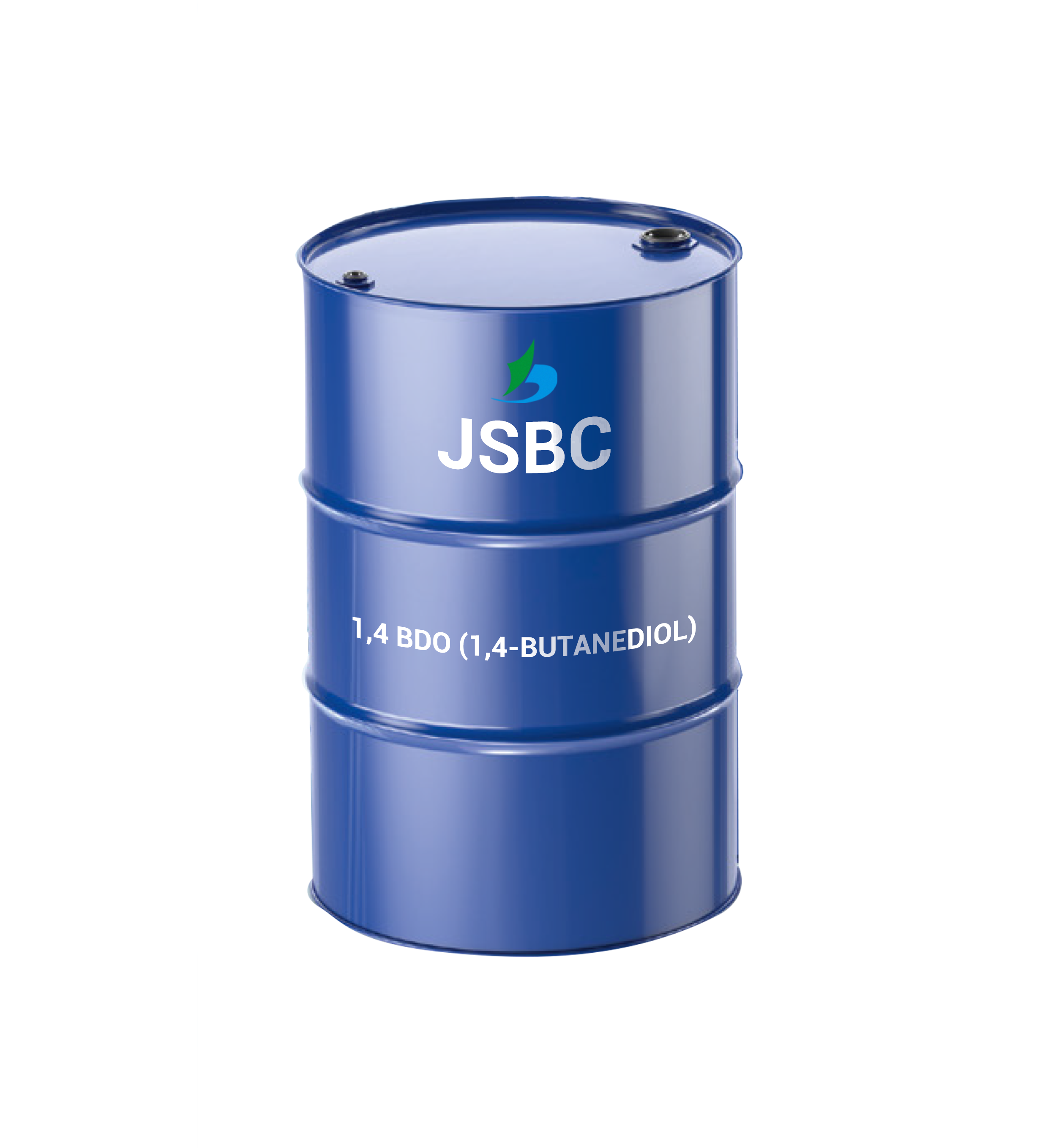
ตัวขยายสายโซ่ไดออลที่ใช้กันอย่างแพร่หลายที่สุดในสูตรยางยืดโพลียูรีเทนคือ 1,4-บิวแทนไดออล เนื่องจากมีสมดุลของคุณสมบัติที่เหมาะสมที่สุด โครงสร้างเชิงเส้นที่มีคาร์บอนสี่อะตอมส่งเสริมการเกิดผลึกได้อย่างยอดเยี่ยม การสร้างพันธะไฮโดรเจนที่แข็งแรง และการแยกเฟสอย่างชัดเจน ส่งผลให้มีความต้านทานความร้อนที่โดดเด่น ในขณะเดียวกัน เมื่อใช้ในปริมาณที่เหมาะสม ก็จะทำให้ส่วนที่นุ่มมีความสามารถในการเคลื่อนที่เพียงพอ จึงให้ความยืดหยุ่นที่ดีและการคืนรูปแบบยืดหยุ่นที่มีประสิทธิภาพ อีกทางเลือกหนึ่งของตัวขยายสายโซ่ไดออล เช่น 1,6-เฮกเซนไดออล ไกลคอลเอทิลีน หรือไดเอทิลีนไกลคอล จะให้คุณสมบัติที่แตกต่างกัน ซึ่งอาจมีข้อได้เปรียบในบางการใช้งานเฉพาะ
สำหรับการใช้งานที่ต้องการความต้านทานความร้อนสูงสุดพร้อมความยืดหยุ่นที่ยอมรับได้ 1,4-butanediol บริสุทธิ์มักให้สมรรถนะที่ดีที่สุด เมื่อต้องการความยืดหยุ่นที่มากขึ้นโดยไม่ลดทอนคุณสมบัติด้านความร้อนอย่างมากเกินไป สามารถใช้ส่วนผสมของ 1,4-butanediol กับไดออลที่มีสายโซ่ยาวกว่า หรือไดออลที่มีโครงสร้างกิ่งเล็กน้อยในปริมาณน้อยได้ ระบบผสมเหล่านี้จะสร้างการกระจายของความยาวและโครงสร้างของส่วนแข็ง (hard segment) ซึ่งช่วยขยายช่วงการเปลี่ยนผ่านด้านอุณหภูมิ ขณะยังคงรักษาเสถียรภาพที่อุณหภูมิสูงได้เพียงพอ การเลือกสารชนิดเฉพาะนั้นขึ้นอยู่กับอุณหภูมิในการใช้งานเป้าหมาย ความยืดหยุ่นที่ต้องการ และข้อจำกัดด้านการประมวลผล แต่หลักการยังคงเหมือนเดิมเสมอ: ต้องเลือกไดออลที่ใช้เป็นสารยืดขยายสายโซ่ (diols chain extenders) อย่างเหมาะสม เพื่อปรับแต่งโครงสร้างของส่วนแข็งให้สอดคล้องกับสมดุลที่ต้องการระหว่างสมรรถนะด้านความร้อนและเชิงกล
ปริมาณส่วนแข็งทั้งหมด ซึ่งกำหนดจากอัตราส่วนของไดออลที่ใช้เป็นตัวยืดสายโซ่ (chain extenders) และไอโซไซยาเนตต่อโพลีออล ถือเป็นพารามิเตอร์การสูตรพื้นฐานที่ควบคุมสมดุลระหว่างความต้านทานความร้อนกับความยืดหยุ่น สัดส่วนของส่วนแข็งมักอยู่ในช่วงร้อยละ 20 ถึง 60 โดยน้ำหนักในอีลาสโตเมอร์เชิงพาณิชย์ โดยค่าที่สูงขึ้นจะให้คุณสมบัติความต้านทานความร้อนและแข็งแรงดีกว่า ในขณะที่ค่าที่ต่ำลงจะเอื้อต่อความยืดหยุ่นและความสามารถในการยืดตัวได้มากขึ้น ความสัมพันธ์ระหว่างสัดส่วนของส่วนแข็งกับคุณสมบัติเป็นแบบไม่เป็นเชิงเส้น เนื่องจากผลของการเกิดโครงข่าย (percolation effects) ซึ่งส่งผลให้โดเมนส่วนแข็งเริ่มจัดเรียงตัวเป็นโครงข่ายที่ต่อเนื่องหรือกึ่งต่อเนื่องเมื่อความเข้มข้นเกินค่าวิกฤต
การบรรลุทั้งความต้านทานความร้อนและความยืดหยุ่นพร้อมกันนั้นจำเป็นต้องดำเนินการภายในช่วงสัดส่วนของส่วนแข็ง (hard segment) ที่เฉพาะเจาะจง ซึ่งโดเมนผลึกมีจำนวนและขนาดเพียงพอที่จะให้เสถียรภาพทางความร้อน แต่ในขณะเดียวกันก็ต้องแยกจากกันอย่างเพียงพอเพื่อให้ส่วนอ่อน (soft segment) สามารถเคลื่อนที่ได้ สำหรับการใช้งานส่วนใหญ่ ช่วงนี้อยู่ระหว่างร้อยละ 30 ถึง 45 ของส่วนแข็ง โดยค่าที่แน่นอนขึ้นอยู่กับตัวขยายสายโซ่ชนิดไดออล (diol chain extenders) และโพลิออล (polyols) ที่ใช้โดยเฉพาะ ในช่วงนี้ การปรับแต่งอย่างละเอียดผ่านการเลือกชนิดของไดออลและเงื่อนไขการแปรรูปจะช่วยให้ผู้สูตรสามารถเพิ่มประสิทธิภาพของวัสดุได้ หากร้อยละของส่วนแข็งต่ำกว่าช่วงนี้ ความต้านทานความร้อนมักไม่เพียงพอสำหรับการใช้งานที่ต้องการสมรรถนะสูง ในขณะที่หากสูงกว่าช่วงนี้ วัสดุจะแข็งเกินไปและสูญเสียลักษณะแบบยาง (elastomeric character)
แม้ว่าไดออลส์ที่ใช้เป็นสารขยายสายโซ่จะทำหน้าที่หลักในการเพิ่มความต้านทานต่อความร้อนและความยืดหยุ่น แต่ประสิทธิภาพของมันสามารถเพิ่มขึ้นได้ผ่านการใช้งานร่วมกันอย่างสอดคล้องกับสารเติมแต่งชนิดอื่นๆ และเทคนิคการแปรรูปต่างๆ สารคงเสถียรความร้อนและสารต้านอนุมูลอิสระช่วยปกป้องสายโซ่พอลิเมอร์จากการเสื่อมสภาพเนื่องจากความร้อนที่อุณหภูมิสูง ซึ่งรักษาความสมบูรณ์ของทั้งส่วนแข็งและส่วนนิ่มไว้ตลอดอายุการใช้งานที่ยาวนาน สารนุ่ม (Plasticizers) สามารถเติมเข้าไปอย่างระมัดระวังเพื่อเพิ่มความยืดหยุ่นโดยไม่ทำลายโครงสร้างของส่วนแข็งอย่างสิ้นเชิง อย่างไรก็ตาม การใช้สารนุ่มจำเป็นต้องคำนึงถึงสมดุลระหว่างประโยชน์ที่ได้กับความเสี่ยงที่อาจเกิดขึ้น เช่น การเคลื่อนย้ายของสาร (migration) และปัญหาความเสถียรต่อความร้อน
ตัวช่วยในการแปรรูปและตัวเร่งปฏิกิริยาส่งผลต่ออัตราความเร็วของปฏิกิริยาและพลวัตของการแยกเฟสในระหว่างการสร้างพอลิยูรีเทน ซึ่งมีผลต่อโครงสร้างเชิงจุลภาคและคุณสมบัติสุดท้ายของวัสดุ ระบบที่แข็งตัวช้ามักส่งเสริมการแยกเฟสได้ดีขึ้น และทำให้ส่วนแข็ง (hard segment) เกิดการตกผลึกอย่างสมบูรณ์มากขึ้น ส่งผลให้ทั้งความต้านทานต่อความร้อนและความชัดเจนของโดเมนส่วนนุ่ม (soft domains) ดีขึ้น การให้ความร้อนแบบอบหลังการแข็งตัวเบื้องต้น (annealing treatments) สามารถเพิ่มระดับการตกผลึกและพัฒนาคุณสมบัติได้มากยิ่งขึ้นอีกด้วย แนวทางเสริมซึ่งกันและกันเหล่านี้ช่วยให้ผู้สูตรสารสามารถดึงศักยภาพสูงสุดจากตัวขยายสายโซ่ (chain extenders) ที่เลือกใช้ โดยการปรับแต่งระบบโดยรวมแทนที่จะอาศัยเพียงองค์ประกอบทางเคมีเพียงอย่างเดียว การผสานการเลือกตัวขยายสายโซ่ที่เหมาะสมเข้ากับสารเติมแต่งที่ถูกต้องและการควบคุมกระบวนการแปรรูปอย่างเหมาะสม จึงถือเป็นแนวทางปฏิบัติที่ดีที่สุดสำหรับการพัฒนาพอลิยูรีเทนอีลาสโตเมอร์ที่มีคุณสมบัติสมดุลเหนือกว่า
อุตสาหกรรมยานยนต์ถือเป็นหนึ่งในตลาดที่ใหญ่ที่สุดสำหรับยางเทอร์โมพลาสติกโพลียูรีเทนที่เสริมด้วยสารขยายสายโซ่ชนิดไดออล (diols chain extenders) โดยมีแรงผลักดันจากข้อกำหนดที่เข้มงวดสำหรับชิ้นส่วนต่าง ๆ ซึ่งต้องสามารถทนต่ออุณหภูมิในห้องเครื่องยนต์ได้ ขณะเดียวกันก็ยังคงความยืดหยุ่นเพื่อทำหน้าที่ลดการสั่นสะเทือนและปิดผนึกอย่างมีประสิทธิภาพ แอปพลิเคชันที่เกี่ยวข้อง ได้แก่ แท่นรองรับเครื่องยนต์ (engine mounts), บูชระบบช่วงล่าง (suspension bushings), ปะเก็น (gaskets) และซีล (seals) ซึ่งต้องเผชิญกับการเปลี่ยนแปลงอุณหภูมิแบบวงจรต่อเนื่องระหว่างอุณหภูมิแวดล้อมกับอุณหภูมิสูง ชิ้นส่วนเหล่านี้จำเป็นต้องต้านทานการเปลี่ยนรูปถาวรภายใต้แรงโหลดที่อุณหภูมิซึ่งมักสูงกว่า 100 องศาเซลเซียส ขณะเดียวกันก็ยังคงความสามารถในการคืนรูปแบบยืดหยุ่น (elastic recovery) และความยืดหยุ่นแม้ในสภาวะเริ่มต้นเครื่องยนต์ที่อุณหภูมิต่ำ (cold starts)
ผู้ผลิตสูตรที่ตอบสนองความต้องการด้านยานยนต์มักใช้สารขยายสายโซ่ประเภทไดออล (diols chain extenders) เพื่อให้จุดหลอมเหลวของส่วนแข็ง (hard segment) สูงกว่า 180 องศาเซลเซียส ซึ่งจะให้ขอบเขตความปลอดภัยที่เพียงพอสำหรับการใช้งานอย่างต่อเนื่องที่อุณหภูมิการใช้งาน 120–140 องศาเซลเซียส พร้อมกันนั้น ส่วนอ่อน (soft segment) ต้องถูกเลือกอย่างระมัดระวังเพื่อรักษาความยืดหยุ่นได้จนถึงอุณหภูมิ -40 องศาเซลเซียส สำหรับการใช้งานในสภาพอากาศหนาวเย็น ช่วงอุณหภูมิที่กว้างข้างต้นนี้จำเป็นต้องมีการปรับแต่งอย่างรอบคอบทั้งชนิดของสารขยายสายโซ่และสัดส่วนของส่วนแข็ง เพื่อให้เกิดการแยกเฟสอย่างชัดเจนโดยมีบริเวณเฟสผสมน้อยที่สุด การใช้ 1,4-บิวทานไดออล (1,4-butanediol) เป็นสารขยายสายโซ่ไดออลหลัก ร่วมกับโพลีอีเทอร์โพลิออล (polyether polyols) ที่มีน้ำหนักโมเลกุลเหมาะสม จึงกลายเป็นแนวทางปฏิบัติมาตรฐานในการตอบโจทย์ข้อกำหนดที่ท้าทายนี้ ขณะเดียวกันยังคงรักษาประสิทธิภาพด้านต้นทุนและการแปรรูปได้
ลูกกลิ้งอุตสาหกรรมที่ใช้ในงานพิมพ์ การผลิตกระดาษ การแปรรูปสิ่งทอ และการจัดการวัสดุ จำเป็นต้องมีคุณสมบัติรวมกันของความต้านทานการสึกหรอ ความยืดหยุ่นเพื่อให้สามารถปรับตัวเข้ากับพื้นผิวที่ไม่เรียบได้ และความต้านทานความร้อนสำหรับการใช้งานที่เกี่ยวข้องกับกระบวนการให้ความร้อนหรืออุณหภูมิที่เกิดจากแรงเสียดทาน โพลียูรีเทนอีลาสโตเมอร์ที่สูตรไว้อย่างเหมาะสมด้วยสารขยายสายโซ่ชนิดไดออล (diols) มีประสิทธิภาพโดดเด่นในแอปพลิเคชันเหล่านี้ เนื่องจากให้ความแข็งที่จำเป็นสำหรับการรับน้ำหนัก ขณะเดียวกันก็ยังคงความยืดหยุ่นเพียงพอเพื่อป้องกันไม่ให้เกิดรอยแบน (flat-spotting) และรับประกันการปฏิบัติงานอย่างราบรื่น ความต้านทานความร้อนที่เกิดจากส่วนแข็ง (hard segments) ที่ผ่านการปรับแต่งอย่างเหมาะสมจะช่วยป้องกันไม่ให้วัสดุนิ่มตัวและสึกหรอก่อนเวลาอันควรระหว่างการใช้งานต่อเนื่อง
สำหรับการใช้งานลูกกลิ้ง สมดุลระหว่างความต้านทานความร้อนกับความยืดหยุ่นส่งผลโดยตรงต่ออายุการใช้งานและคุณภาพของกระบวนการ การที่วัสดุมีความแข็งมากเกินไปอันเนื่องจากการใช้ไดออลเป็นสารขยายสายโซ่ (diol chain extenders) มากเกินไป จะลดความสามารถในการปรับรูปให้สอดคล้องกับพื้นผิว (conformability) และเพิ่มเสียงรบกวนและแรงสั่นสะเทือน ในขณะที่ปริมาณส่วนแข็ง (hard segment content) ไม่เพียงพอจะทำให้วัสดุอ่อนตัวจากความร้อนและเกิดความไม่คงที่ของมิติระหว่างการใช้งาน ผู้จัดสูตรมักกำหนดค่าความแข็งตามมาตราชอร์ เอ (Shore A) อยู่ในช่วง 60 ถึง 90 ซึ่งสามารถบรรลุได้ด้วยการเลือกชนิดและปริมาณของไดออลเป็นสารขยายสายโซ่อย่างระมัดระวัง ข้อกำหนดเฉพาะนี้อาจแตกต่างกันไปตามเส้นผ่านศูนย์กลางของลูกกลิ้ง ความเร็วในการทำงาน น้ำหนักบรรทุก และอุณหภูมิของกระบวนการ แต่หลักการพื้นฐานยังคงเหมือนเดิม คือ ไดออลเป็นสารขยายสายโซ่จำเป็นต้องได้รับการปรับแต่งให้เหมาะสม เพื่อสร้างส่วนแข็งที่ให้ความเสถียรทางความร้อน โดยไม่ลดทอนลักษณะความยืดหยุ่นซึ่งจำเป็นต่อการทำงานที่เหมาะสมของลูกกลิ้ง
การใช้งานด้านการปิดผนึกในอุตสาหกรรมการแปรรูปสารเคมี อวกาศ และน้ำมันกับก๊าซ ต้องการยางยืดโพลีอูรีเทนที่สามารถรักษาแรงปิดผนึกและความยืดหยุ่นได้ตลอดช่วงอุณหภูมิสุดขั้ว ขณะเดียวกันก็ต้านทานการกัดกร่อนจากสารเคมีและการบีบอัดแบบถาวร (compression set) ตัวขยายสายโซ่ชนิดไดออล (diols chain extenders) มีบทบาทสำคัญอย่างยิ่งต่อคุณสมบัติในการทำงานเหล่านี้ โดยช่วยสร้างส่วนแข็ง (hard segments) ที่มีความเสถียรทางความร้อน ซึ่งต้านทานการเปลี่ยนรูปแบบถาวรภายใต้แรงบีบอัดต่อเนื่องที่อุณหภูมิสูง ส่วนที่มีความยืดหยุ่น (soft segments) ที่ผ่านการปรับแต่งให้เหมาะสมจะทำให้ซีลสามารถรักษาการสัมผัสกับพื้นผิวของชิ้นส่วนที่ประกอบกันได้อย่างต่อเนื่อง แม้อุณหภูมิจะเปลี่ยนแปลงและชิ้นส่วนจะขยายตัวหรือหดตัว
สูตรสารปิดผนึกประสิทธิภาพสูงมักใช้ตัวขยายสายโซ่ไดออล (diols chain extenders) แบบพิเศษ หรือส่วนผสมของตัวขยายสายโซ่ไดออลเพื่อให้ได้คุณสมบัติเฉพาะที่ต้องการ ตัวอย่างเช่น ไดออลไซโคลอะลิฟาติก (cycloaliphatic diols) อาจถูกนำมาใช้เพื่อเพิ่มความต้านทานต่อสารเคมี ขณะเดียวกันก็รักษาเสถียรภาพทางความร้อนไว้ได้ หรือไดออลอะโรมาติก (aromatic diols) อาจถูกเลือกใช้เมื่อต้องการความต้านทานต่อความร้อนสูงสุด แม้ว่าจะต้องยอมสูญเสียความยืดหยุ่นบางส่วนก็ตาม ความสามารถในการต้านทานการเปลี่ยนรูปคงที่ (compression set resistance) ของวัสดุเหล่านี้ขึ้นอยู่โดยตรงกับระดับผลึก (crystallinity) และความแข็งแรงเชิงรวม (cohesive strength) ของส่วนแข็ง (hard segments) ที่เกิดจากการใช้ตัวขยายสายโซ่ไดออล เนื่องจากโดเมนเหล่านี้จำเป็นต้องต้านทานการเปลี่ยนรูปแบบพลาสติกภายใต้ภาระที่กระทำอย่างต่อเนื่อง ขั้นตอนการทดสอบสำหรับการใช้งานเป็นสารปิดผนึกนั้นประเมินโดยเฉพาะความสามารถในการรักษาแรงปิดผนึกหลังการแก่ตัวด้วยความร้อน โดยเกณฑ์การยอมรับมักกำหนดว่าต้องสูญเสียความสามารถในการคืนรูปไม่เกินร้อยละ 20 หลังผ่านการทดสอบเป็นเวลาหลายพันชั่วโมงที่อุณหภูมิสูงสุดที่ใช้งานจริง
ความเข้มข้นที่เหมาะสมของตัวขยายสายโซ่ไดออลมักส่งผลให้ส่วนประกอบของส่วนแข็ง (hard segment) มีค่าร้อยละ 30 ถึง 45 โดยน้ำหนัก ซึ่งขึ้นอยู่กับชนิดของไดออลและโพลีออลที่ใช้เป็นพิเศษ ภายในช่วงนี้ วัสดุจะพัฒนาโครงสร้างโดเมนแข็งที่มีการจัดเรียงตัวแบบผลึกเพียงพอ เพื่อให้มีความต้านทานความร้อนได้สูงสุดถึง 120–140 องศาเซลเซียส ขณะยังคงไว้ซึ่งความยืดหยุ่นเชิงยาง (elastomeric flexibility) และความสามารถในการคืนรูปแบบยืดหยุ่น (elastic recovery) ความเข้มข้นที่ต่ำกว่านี้อาจไม่ให้ความเสถียรทางความร้อนที่เพียงพอ ในขณะที่ความเข้มข้นที่สูงเกินไปอาจทำให้ส่วนนุ่ม (soft segments) ถูกจำกัดมากเกินไป ส่งผลให้ความยืดหยุ่นลดลง ค่าที่เหมาะสมที่สุดนั้นจำเป็นต้องคำนึงถึงสมดุลระหว่างอุณหภูมิการใช้งานเป้าหมาย ความยาวยืดที่ต้องการ (elongation) และข้อกำหนดด้านความแข็ง (hardness) สำหรับการใช้งานเฉพาะนั้นๆ
ใช่ การผสมตัวขยายสายโซ่ไดออลชนิดต่างๆ เป็นกลยุทธ์ในการจัดสูตรที่นิยมใช้เพื่อให้ได้คุณสมบัติที่ผสมผสานกัน ซึ่งยากที่จะบรรลุได้ด้วยไดออลเพียงชนิดเดียว ตัวอย่างเช่น การผสม 1,4-บิวแทนไดออล กับ 1,6-เฮกเซนไดออล ในสัดส่วนเล็กน้อยสามารถให้ความต้านทานความร้อนที่ยอดเยี่ยมจากส่วนแข็งที่สร้างจากบิวทานไดออล ขณะที่เฮกเซนไดออลที่มีสายโซ่ยาวกว่าจะช่วยสร้างพันธะที่ยืดหยุ่นขึ้นเล็กน้อย ซึ่งส่งผลดีต่อประสิทธิภาพที่อุณหภูมิต่ำและลดความเปราะบางลง ระบบไดออลแบบผสมจะก่อให้เกิดการกระจายของความยาวและโครงสร้างของส่วนแข็ง ซึ่งสามารถทำให้ช่วงการเปลี่ยนแปลงทางความร้อนกว้างขึ้น ปรับปรุงความสามารถในการแปรรูป และปรับแต่งสมดุลระหว่างความแข็งและความยืดหยุ่นได้อย่างแม่นยำ สัดส่วนการผสมจำเป็นต้องผ่านการปรับแต่งอย่างระมัดระวังผ่านการทดสอบ เนื่องจากการโต้ตอบระหว่างตัวขยายสายโซ่ไดออลที่ต่างกันอาจก่อให้เกิดการเปลี่ยนแปลงคุณสมบัติที่ไม่เป็นเชิงเส้น
ตัวขยายสายโซ่ชนิดไดออล (diols chain extenders) และตัวขยายสายโซ่ชนิดไดอะมีน (diamine chain extenders) สร้างโครงสร้างส่วนแข็ง (hard segment) ที่แตกต่างกันโดยพื้นฐาน ซึ่งส่งผลให้มีคุณสมบัติที่ไม่เหมือนกันอย่างชัดเจน ไดอะมีนทำปฏิกิริยากับไอโซไซยาเนตได้รวดเร็วกว่ามาก เพื่อสร้างพันธะยูเรีย (urea linkages) ซึ่งโดยทั่วไปมีการสร้างพันธะไฮโดรเจนที่แข็งแรงกว่าและมีความเป็นผลึกสูงกว่าพันธะยูรีเทน (urethane linkages) ที่เกิดจากไดออล ส่งผลให้มีความต้านทานความร้อนดีเยี่ยมกว่าและมีโมดูลัสสูงกว่า อย่างไรก็ตาม ข้อได้เปรียบดังกล่าวมาพร้อมกับข้อเสียคือความยืดหยุ่นและคุณสมบัติในการแปรรูปที่ลดลง ตัวขยายสายโซ่ชนิดไดออลให้สมดุลที่ดีกว่าสำหรับการใช้งานที่ต้องการทั้งความเสถียรทางความร้อนและลักษณะของยางสังเคราะห์ (elastomeric character) เนื่องจากสามารถให้ความต้านทานความร้อนในระดับที่เพียงพอ ขณะเดียวกันก็ยังคงอนุญาตให้ส่วนอ่อน (soft segment) เคลื่อนที่ได้มากขึ้น นอกจากนี้ ไดออลโดยทั่วไปยังสามารถแปรรูปได้ง่ายกว่า เนื่องจากอัตราการเกิดปฏิกิริยาช้ากว่า จึงให้เวลาในการทำงานที่ยาวนานขึ้นและควบคุมการแยกเฟสได้ดีขึ้น
การประเมินความต้านทานความร้อนของยางยืดโพลีอูรีเทนอย่างครอบคลุมที่สุดนั้นเกี่ยวข้องกับเทคนิคหลายแบบที่เสริมซึ่งกันและกัน การวิเคราะห์เชิงกลแบบไดนามิก (Dynamic Mechanical Analysis) วัดโมดูลัสการเก็บพลังงาน (storage modulus) และค่าแทนเดลตา (tan delta) ตามอุณหภูมิ ซึ่งช่วยเปิดเผยอุณหภูมิการเปลี่ยนสถานะแก้ว (glass transition temperature) ของส่วนที่นุ่ม (soft segments) และพฤติกรรมการนิ่มตัวของส่วนที่แข็ง (hard segments) ซึ่งสะท้อนโดยตรงถึงความเสถียรทางความร้อนที่สารขยายสายโซ่ชนิดไดออล (diols chain extenders) ให้ไว้ การทดสอบค่าการยุบตัวภายใต้แรงกด (Compression set testing) ที่อุณหภูมิสูง วัดความสามารถของวัสดุในการต้านทานการเปลี่ยนรูปถาวรภายใต้แรงโหลด ซึ่งเป็นตัวชี้วัดประสิทธิภาพที่สำคัญมากสำหรับการใช้งานในซีลและชิ้นส่วนรับน้ำหนัก การวิเคราะห์น้ำหนักเชิงความร้อน (Thermogravimetric analysis) ประเมินอุณหภูมิเริ่มต้นของการเสื่อมสภาพและความเสถียรทางความร้อนภายใต้สภาวะสุดขั้ว นอกจากนี้ การทดสอบการแก่จากความร้อนระยะยาว (long-term heat aging tests) ซึ่งนำตัวอย่างไปสัมผัสกับอุณหภูมิสูงสุดที่ใช้งานจริงเป็นระยะเวลาต่อเนื่อง แล้วจึงวัดคุณสมบัติเชิงกลหลังการทดสอบ จะให้การประเมินที่ใกล้เคียงกับความเป็นจริงที่สุดว่า สารขยายสายโซ่ชนิดไดออลมีส่วนช่วยเพิ่มความต้านทานความร้อนในสภาวะการใช้งานจริงอย่างไร
 ข่าวร้อนแรง
2026-10-15
2026-10-12
2026-10-08
2026-09-07
2026-09-28
2026-09-21



 EN
EN