




When manufacturers seek reliable bonding performance on metal substrates, methacrylic acid consistently emerges as a high-value functional monomer. Methacrylic acid contributes carboxylic acid groups to polymer chains, and these groups actively interact with metal oxide surfaces to form strong interfacial bonds. Understanding what methacrylic acid offers in the context of metal adhesion helps formulators make better decisions about resin design, coating formulations, and adhesive systems used in demanding industrial environments.
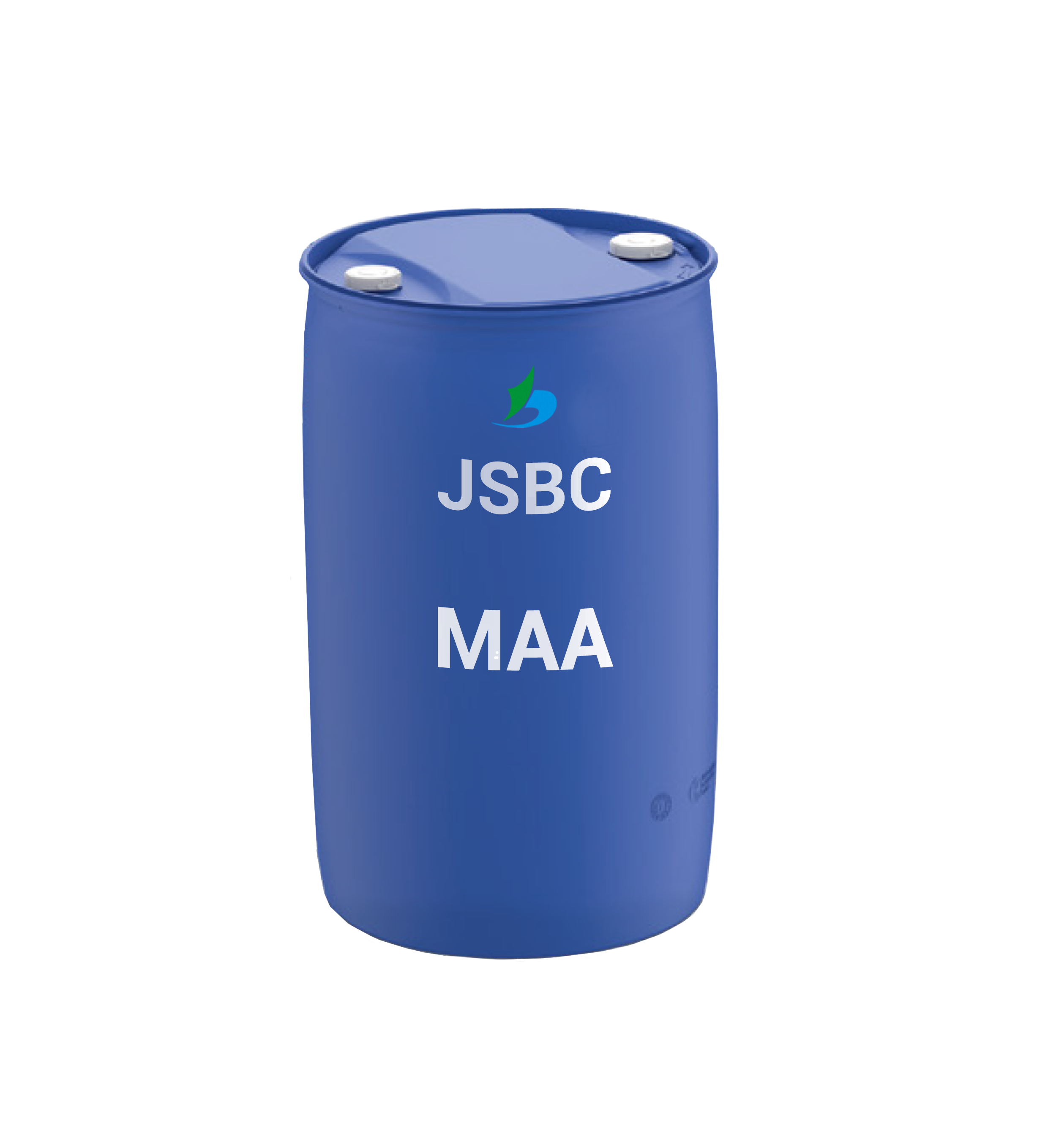
Methacrylic acid is not simply a commodity monomer — it is a chemically active building block that modifies the polarity, reactivity, and surface compatibility of the polymers into which it is incorporated. For metal substrate applications, methacrylic acid provides a set of distinct advantages that no generic acrylate or methacrylate ester can fully replicate. This article examines the core advantages methacrylic acid delivers when adhesion to metal is the primary performance target.
The adhesion advantage of methacrylic acid begins at the molecular level. Metal surfaces are typically covered with a thin oxide or hydroxide layer, and the carboxylic acid group in methacrylic acid forms coordination bonds and hydrogen bonds with metal hydroxyl sites on that layer. This direct chemical interaction anchors the polymer network to the substrate far more effectively than physical adsorption alone. When methacrylic acid is copolymerized into an acrylic or vinyl resin, each acid group along the chain contributes to this interfacial bonding, distributing adhesive forces across a large contact area. The result is that methacrylic acid raises peel strength and shear resistance values compared to formulations that exclude it.
Methacrylic acid increases the polar group density of a polymer backbone, which directly reduces contact angle on metal surfaces and promotes wetting. Good wetting is a prerequisite for strong adhesion, and methacrylic acid enables the liquid coating or adhesive to spread uniformly across rough and oxidized metal surfaces before curing. This wetting enhancement from methacrylic acid is especially noticeable on substrates like aluminum, steel, and galvanized iron, where surface energy can vary unpredictably. By improving wettability, methacrylic acid ensures that bonding occurs across the full contact area rather than only at isolated high-energy sites. Industrial formulators who incorporate methacrylic acid at optimized levels report consistent adhesion results across varying substrate surface conditions.
Methacrylic acid serves a dual function in thermoset and crosslinkable coating systems: it builds adhesion through acid-metal interaction, and it participates in crosslinking reactions with amine, epoxy, or isocyanate hardeners. This crosslinking contribution from methacrylic acid creates a dense polymer network at the metal interface, reducing chain mobility and improving resistance to delamination under mechanical stress. Industrial coatings that incorporate methacrylic acid as a functional comonomer demonstrate higher cross-hatch adhesion ratings after curing, meaning the film resists lifting even when scribed. The combination of interfacial bonding and network densification makes methacrylic acid a structurally important component in high-performance metal coatings. Without methacrylic acid, many acrylic coating systems fail accelerated adhesion tests after humidity or salt spray exposure.
One indirect but critical advantage of methacrylic acid in metal coating applications is its contribution to corrosion resistance. Because methacrylic acid creates strong interfacial bonds with the metal oxide layer, it reduces the tendency of moisture and corrosive ions to migrate beneath the coating film. A coating that maintains tight adhesion through the acid-metal interactions provided by methacrylic acid acts as a more effective barrier against electrochemical corrosion. In accelerated salt spray testing, formulations containing optimized levels of methacrylic acid show delayed onset of blistering and undercutting compared to formulations without it. This is a commercially significant advantage because corrosion-related coating failures represent major warranty and maintenance costs across the automotive, construction, and industrial equipment sectors. Methacrylic acid, in this context, directly protects asset value.
In adhesive chemistry, methacrylic acid plays a well-established role as a functional comonomer that increases tack and peel strength on metal substrates. Pressure-sensitive adhesives that incorporate methacrylic acid exhibit higher peel values from stainless steel and aluminum panels because the acid groups actively associate with metal surface sites rather than relying solely on van der Waals forces. Structural acrylic adhesives also benefit from methacrylic acid because it introduces polarity that enhances cohesive strength as well as adhesive strength, keeping failure modes within acceptable limits. Formulators working with metal-to-metal or metal-to-composite bonding applications frequently adjust methacrylic acid content as a key variable when optimizing adhesion performance. The responsiveness of adhesion values to methacrylic acid concentration makes it a precise and controllable tool in adhesive development.
Metal assemblies bonded with adhesives containing methacrylic acid show improved retention of adhesion strength under elevated temperature and high-humidity conditions. The acid-metal coordination bonds formed by methacrylic acid are more stable than purely physical interfaces, meaning the bond resists hydrolytic attack better over time. When bonded metal assemblies are subjected to thermal cycling, the cohesive strength contributed by crosslinked methacrylic acid-containing polymers limits crack propagation at the interface. Industrial applications that require adhesive joints to survive thermal shock, outdoor weathering, or steam cleaning demand exactly the type of bond stability that methacrylic acid helps deliver. Selecting a methacrylic acid-based adhesive system is therefore a technically sound choice when durability under environmental stress is a design requirement.
The effective concentration of methacrylic acid in coating or adhesive formulations typically ranges from 2% to 15% by weight of total monomer, depending on the application. Higher methacrylic acid content increases polarity and acid-metal interaction but can also reduce flexibility, so formulators balance methacrylic acid level against mechanical property requirements. Industrial coatings often use methacrylic acid at 3% to 8%, while structural adhesives may use higher levels to maximize peel and shear strength on metal substrates.
Methacrylic acid is effective on a wide range of metal substrates including steel, aluminum, copper, and galvanized surfaces, but the degree of improvement varies with surface preparation and oxide layer composition. On substrates with heavy contamination or passive oxide layers, the adhesion benefit of methacrylic acid is maximized when combined with appropriate surface pre-treatment such as degreasing or conversion coating. In general, any metal with accessible hydroxyl groups on its surface will respond positively to the carboxylic acid chemistry that methacrylic acid introduces.
Methacrylic acid can significantly reduce or in some cases replace the need for traditional adhesion promoters such as silane coupling agents, particularly in water-based and solvent-based acrylic systems. Because methacrylic acid introduces functional acid groups directly into the polymer chain, the adhesion functionality is built into the film-forming resin itself rather than added as a separate additive. However, for highly demanding applications on difficult substrates, methacrylic acid is often used alongside adhesion promoters to achieve the highest possible metal bonding performance.
 Hot News
2026-10-20
2026-10-15
2026-10-12
2026-10-08
2026-09-07
2026-09-28



 EN
EN