
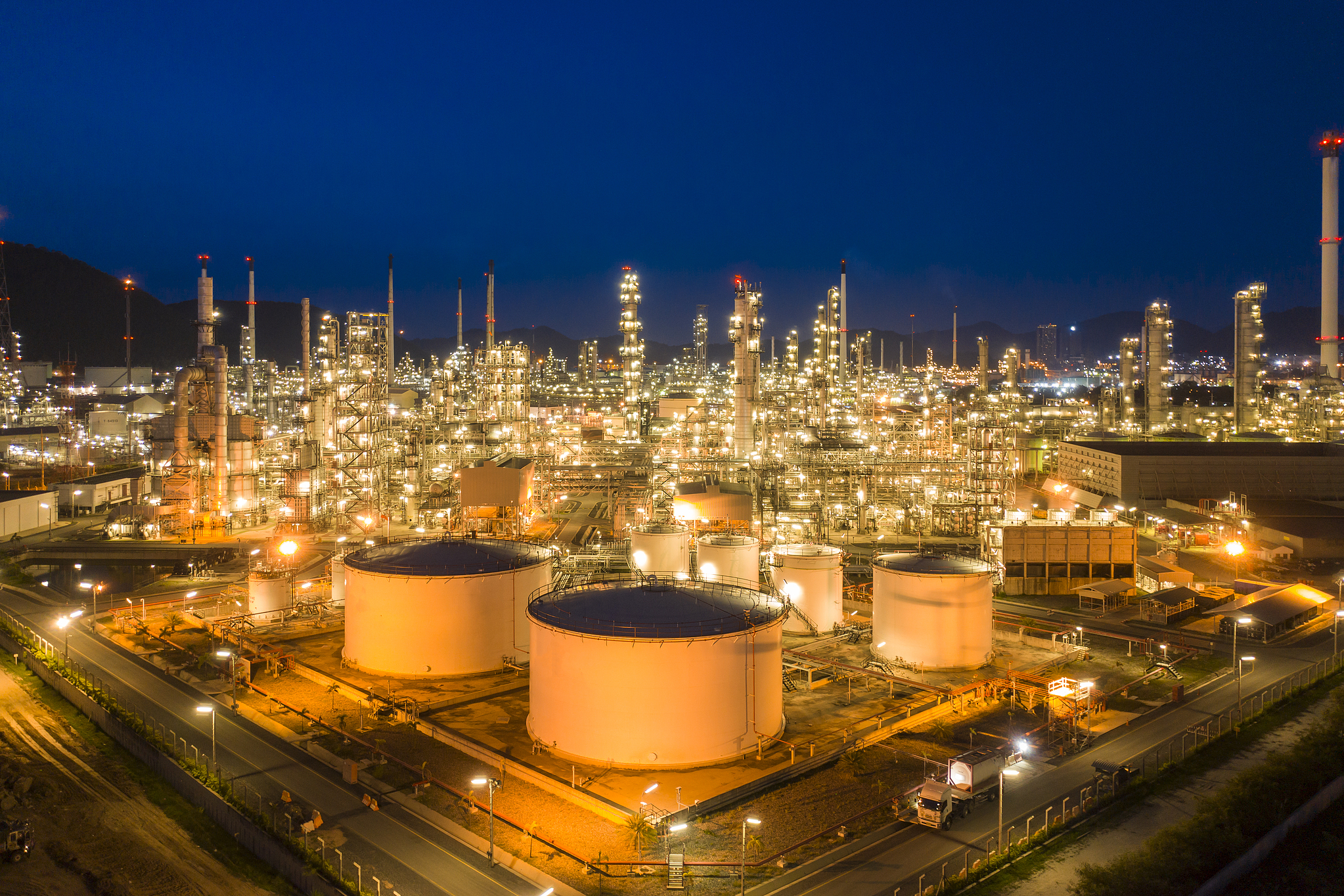








Industrial manufacturing processes demand high-performance chemical compounds that deliver exceptional quality, durability, and versatility across multiple applications. Among these essential materials, 2-ethylhexyl acrylate stands out as a critical monomer that has revolutionized modern industrial production. This specialized acrylic ester compound offers manufacturers unprecedented flexibility in creating advanced polymer systems, adhesives, coatings, and specialty materials that meet today's stringent performance requirements. Understanding the comprehensive benefits of 2-ethylhexyl acrylate enables industrial professionals to optimize their production processes and achieve superior end-product characteristics.
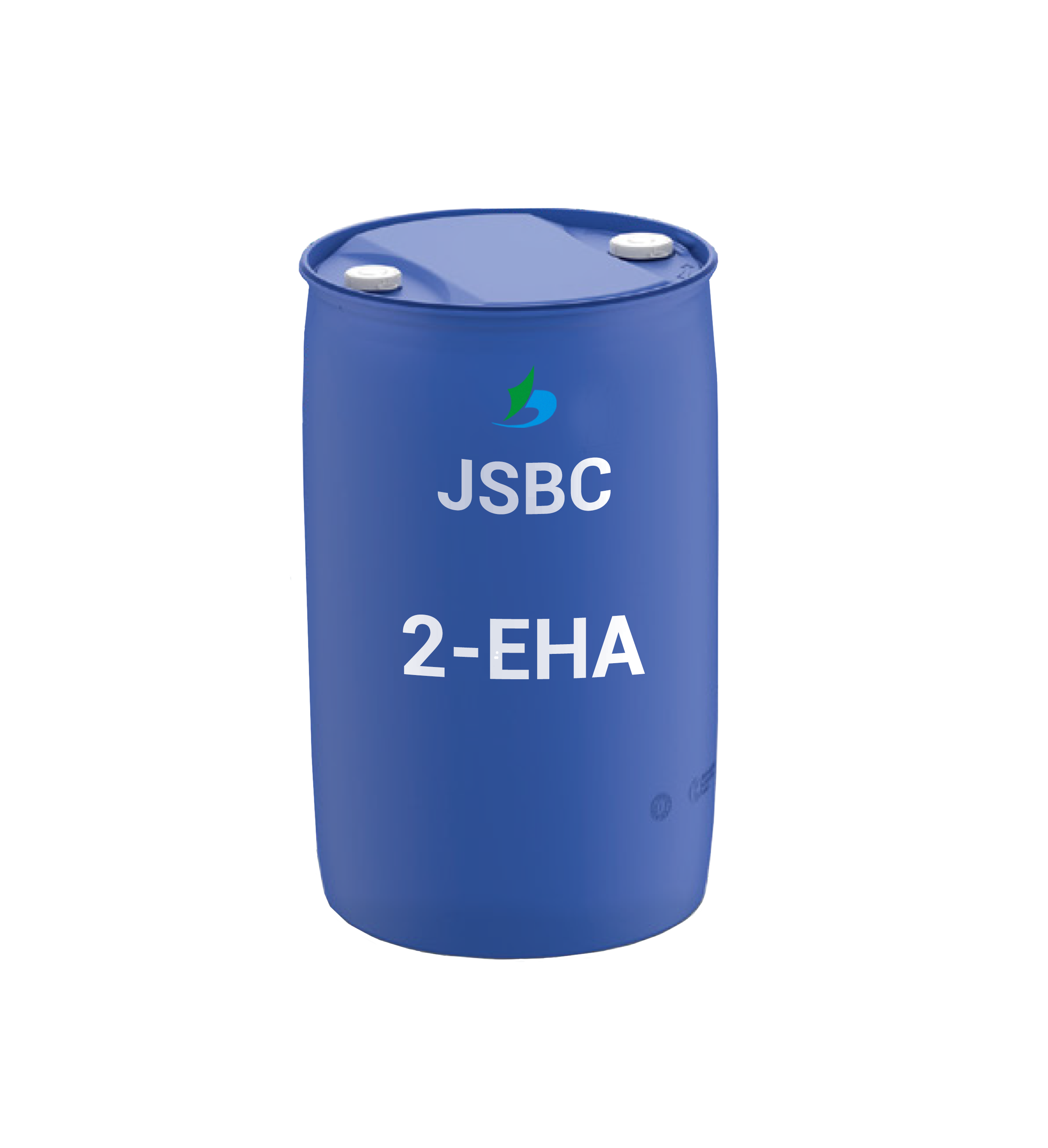
The unique molecular structure of 2-ethylhexyl acrylate provides exceptional flexibility and performance characteristics that make it indispensable in industrial applications. This compound features a branched alkyl chain that imparts outstanding low-temperature flexibility to polymer systems, enabling manufacturers to create materials that maintain their properties across extreme temperature ranges. The branched structure also contributes to improved impact resistance and elongation properties, making it ideal for applications requiring durability and mechanical strength.
Industrial chemists appreciate how the molecular design of 2-ethylhexyl acrylate facilitates rapid polymerization reactions while maintaining excellent control over molecular weight distribution. This characteristic enables precise tailoring of final product properties, allowing manufacturers to achieve specific performance targets consistently. The compound's reactivity profile ensures efficient processing conditions, reducing energy consumption and production costs while maximizing throughput in commercial manufacturing operations.
Manufacturing facilities utilizing 2-ethylhexyl acrylate benefit from significantly improved processing efficiency compared to alternative monomers. The compound exhibits excellent compatibility with various catalysts and initiators, enabling faster reaction times and higher conversion rates during polymerization processes. This enhanced reactivity translates directly into increased production capacity and reduced manufacturing costs, providing competitive advantages in industrial markets.
The low volatility characteristics of 2-ethylhexyl acrylate contribute to safer handling conditions and reduced emissions during manufacturing processes. Industrial facilities report improved workplace safety metrics and enhanced environmental compliance when incorporating this compound into their production systems. Additionally, the compound's stability under standard storage conditions minimizes inventory losses and ensures consistent quality throughout extended storage periods.
The adhesive industry has embraced 2-ethylhexyl acrylate as a cornerstone monomer for developing high-performance pressure-sensitive adhesives. When polymerized, this compound creates adhesive systems with exceptional tack properties, enabling immediate bonding to various substrates without requiring heat or solvents. Industrial manufacturers utilize these characteristics to produce specialty tapes, labels, and bonding solutions that meet demanding performance specifications in automotive, electronics, and construction applications.
Formulators particularly value how 2-ethylhexyl acrylate enables precise control over adhesive properties through copolymerization with other monomers. This versatility allows manufacturers to customize adhesion strength, temperature resistance, and aging characteristics to match specific application requirements. The resulting adhesive systems demonstrate excellent resistance to plasticizer migration and maintain their performance characteristics throughout extended service life cycles.
Industrial bonding applications benefit tremendously from the structural integrity provided by 2-ethylhexyl acrylate-based adhesive systems. These formulations deliver exceptional shear strength and impact resistance, making them suitable for demanding structural applications in aerospace, marine, and heavy machinery industries. The compound's contribution to crosslink density enables adhesive joints that withstand extreme mechanical stresses while maintaining flexibility under dynamic loading conditions.
Manufacturing processes involving structural bonding appreciate the extended open time and working characteristics that 2-ethylhexyl acrylate imparts to adhesive formulations. This extended workability allows for precise positioning and adjustment of components before final curing, reducing waste and improving assembly quality. The resulting bonds demonstrate excellent environmental resistance, maintaining their integrity when exposed to moisture, temperature cycling, and chemical exposure conditions common in industrial environments.
The coatings industry relies heavily on 2-ethylhexyl acrylate for developing advanced protective and decorative systems that deliver exceptional durability and aesthetic appeal. When incorporated into acrylic latex formulations, this monomer enhances film formation properties, resulting in coatings with superior adhesion, flexibility, and weather resistance. Industrial coating manufacturers utilize these characteristics to produce high-performance systems for metal protection, concrete sealing, and architectural applications.
Professional coatings formulators recognize how 2-ethylhexyl acrylate contributes to improved pigment dispersion and color stability in their formulations. The compound's compatibility with various pigment systems enables the development of coatings with excellent hiding power and color retention, even under severe UV exposure conditions. These properties make it invaluable for exterior applications where long-term appearance and protection are critical performance requirements.
Industrial facilities requiring specialized protection benefit from coatings based on 2-ethylhexyl acrylate chemistry, particularly in applications involving chemical exposure, abrasion resistance, and thermal cycling. The compound enables the formulation of protective systems that maintain their barrier properties under extreme service conditions, extending equipment life and reducing maintenance requirements. These coatings demonstrate exceptional resistance to industrial chemicals, solvents, and corrosive environments.
The versatility of 2-ethylhexyl acrylate allows coating manufacturers to develop specialized systems for unique industrial applications, including food-grade coatings, pharmaceutical equipment protection, and electronic component encapsulation. The compound's low extractable content and excellent chemical inertness make it suitable for applications requiring FDA compliance and other regulatory approvals, expanding market opportunities for coating manufacturers.
The textile industry has discovered significant benefits from incorporating 2-ethylhexyl acrylate into finishing formulations for synthetic and natural fibers. This compound enables the development of textile treatments that improve hand feel, durability, and performance characteristics without compromising fabric breathability or comfort. Industrial textile processors utilize these formulations to create fabrics with enhanced water resistance, stain protection, and dimensional stability.
Processing facilities appreciate how 2-ethylhexyl acrylate-based treatments can be applied using existing equipment and standard application methods, minimizing capital investment requirements while maximizing performance improvements. The compound's compatibility with various fiber types enables uniform treatment across diverse fabric constructions, ensuring consistent quality and performance across production runs. These treatments demonstrate excellent washing durability, maintaining their effectiveness throughout multiple laundering cycles.
Leather processing operations benefit significantly from 2-ethylhexyl acrylate-based finishing systems that enhance durability, appearance, and performance characteristics. The compound enables the formulation of finishes that penetrate effectively into leather structures while providing excellent surface protection against abrasion, staining, and environmental degradation. Industrial leather processors utilize these systems to create premium-quality products for automotive, furniture, and fashion applications.
The flexibility characteristics imparted by 2-ethylhexyl acrylate ensure that treated leather maintains its natural feel and drape while gaining improved resistance to cracking and flex fatigue. This balance between protection and natural characteristics makes it particularly valuable for applications requiring both durability and aesthetic appeal. Processing facilities report improved production yields and reduced rejection rates when utilizing these advanced finishing systems.
Industrial manufacturers recognize substantial economic advantages when incorporating 2-ethylhexyl acrylate into their production processes. The compound's high polymerization efficiency and excellent yield characteristics translate directly into reduced raw material consumption and improved cost-effectiveness. Manufacturing facilities report significant reductions in per-unit production costs while simultaneously achieving enhanced product performance characteristics.
The processing advantages offered by 2-ethylhexyl acrylate enable manufacturers to optimize their production schedules and equipment utilization rates. Faster reaction times and improved process reliability reduce energy consumption and minimize downtime, contributing to overall operational efficiency. These economic benefits become particularly significant in high-volume production environments where small improvements in efficiency translate into substantial cost savings.
The stability and handling characteristics of 2-ethylhexyl acrylate provide significant advantages in supply chain management and logistics operations. The compound's excellent shelf life and resistance to degradation during storage minimize inventory risks and reduce waste associated with material deterioration. Industrial purchasers appreciate the predictable quality and performance characteristics that enable more efficient procurement and inventory management strategies.
Transportation and handling operations benefit from the compound's favorable physical properties, including appropriate viscosity and density characteristics that facilitate efficient pumping, metering, and processing operations. These handling advantages reduce equipment wear, minimize maintenance requirements, and improve overall process reliability throughout manufacturing facilities utilizing 2-ethylhexyl acrylate in their production systems.
The superiority of 2-ethylhexyl acrylate stems from its unique combination of flexibility, reactivity, and processing characteristics. The branched alkyl structure provides exceptional low-temperature performance and impact resistance, while the acrylic functionality ensures rapid polymerization and excellent adhesion properties. This combination enables manufacturers to achieve superior product performance across diverse applications while maintaining efficient processing conditions and cost-effectiveness.
The compound enhances durability through several mechanisms, including improved flexibility that prevents cracking under mechanical stress, excellent weather resistance that maintains properties under UV exposure, and enhanced adhesion that creates stronger bonds with various substrates. The molecular structure also provides resistance to chemical degradation and thermal cycling, ensuring long-term performance in demanding industrial environments where traditional materials might fail.
Manufacturers should implement standard chemical handling protocols, including appropriate personal protective equipment, adequate ventilation systems, and proper storage conditions to prevent polymerization. The compound should be stored away from heat sources and oxidizing agents, with temperature control to maintain stability. Regular monitoring of storage conditions and implementation of first-in-first-out inventory rotation ensures optimal safety and product quality throughout handling operations.
Yes, when properly formulated and cured, 2-ethylhexyl acrylate-based systems demonstrate excellent environmental compatibility and can meet stringent regulatory requirements. The compound's low volatility reduces emissions during processing, while its chemical stability minimizes environmental impact during service life. Many formulations incorporating this monomer have received approvals for food contact applications, demonstrating its suitability for environmentally sensitive uses when appropriate processing and quality control measures are implemented.
 Hot News
2026-10-15
2026-10-12
2026-10-08
2026-09-07
2026-09-28
2026-09-21



 EN
EN