

Water-based paints have become the industry standard across residential, commercial, and industrial applications due to their low volatile organic compound emissions, ease of cleanup, and improved environmental profile. However, durability remains a critical challenge for formulators seeking to match or exceed the performance of traditional solvent-based systems. The question of whether acrylic acid can improve the durability of water-based paints is not merely theoretical—it reflects a fundamental understanding of polymer chemistry and coating performance. Acrylic acid serves as a crucial comonomer in emulsion polymerization processes, contributing carboxylic acid functional groups that dramatically influence film formation, adhesion, weathering resistance, and mechanical properties. For paint manufacturers and industrial specifiers evaluating formulation strategies, understanding the precise mechanisms by which acrylic acid enhances coating durability provides a competitive advantage in developing next-generation waterborne systems.
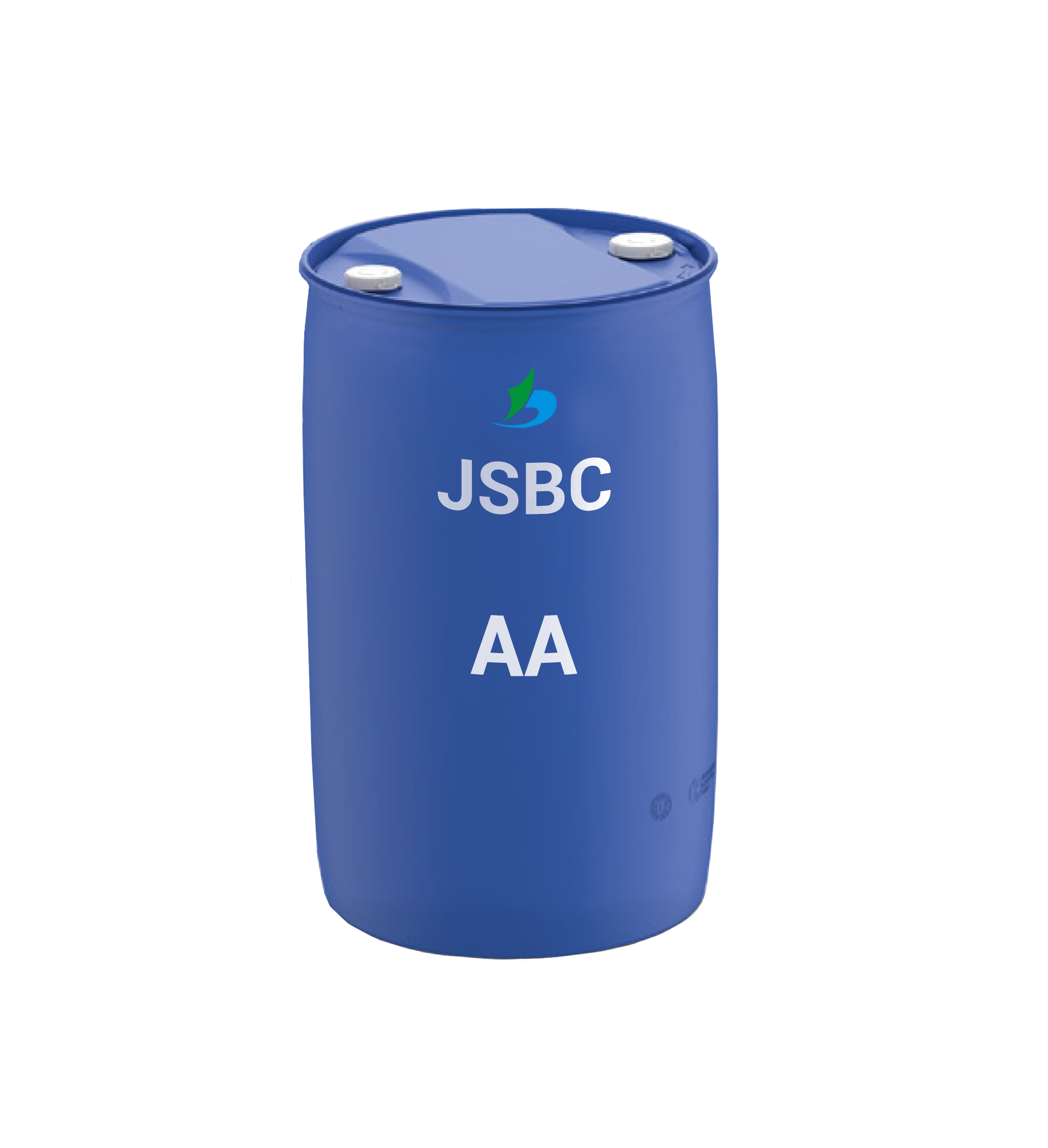
The incorporation of acrylic acid into water-based paint formulations fundamentally alters the polymer architecture of the binder system, which is the film-forming component responsible for coating integrity. When acrylic acid is copolymerized with other vinyl monomers such as methyl methacrylate, butyl acrylate, or styrene, it introduces pendant carboxyl groups along the polymer backbone. These functional groups enable multiple durability-enhancing mechanisms including improved pigment dispersion stability, enhanced substrate adhesion through hydrogen bonding and polar interactions, increased resistance to hydrolytic degradation, and the ability to crosslink with multivalent metal ions or other reactive species. The presence of acrylic acid also influences the minimum film formation temperature, particle size distribution in emulsion polymers, and the final glass transition temperature of the cured film—all critical parameters that determine long-term coating performance under environmental stress.
The durability improvements imparted by acrylic acid begin at the molecular level with its integration into the polymer chain structure. During emulsion polymerization, acrylic acid typically comprises between one and eight percent of the total monomer charge, though specific levels depend on the desired performance profile and application requirements. The carboxylic acid groups introduced by acrylic acid are distributed along the polymer chains in a manner determined by reactivity ratios and polymerization kinetics. These pendant acid groups provide sites for intermolecular and intramolecular hydrogen bonding, creating a network of secondary interactions that reinforce the polymer matrix. This reinforcement translates directly into improved tensile strength, elongation properties, and resistance to crack propagation—all fundamental aspects of coating durability.
Beyond hydrogen bonding, the carboxylic acid functionality enables ionic crosslinking when the paint film comes into contact with multivalent cations such as calcium, zinc, or aluminum ions. This crosslinking can occur during film formation if metal-containing additives are present, or gradually over time as the coating is exposed to environmental conditions. The resulting ionic network increases the effective molecular weight of the polymer system and creates a more resistant three-dimensional structure. This mechanism is particularly valuable in exterior architectural coatings where repeated wetting and drying cycles would otherwise lead to polymer chain mobility and eventual film degradation. The presence of acrylic acid in the binder formulation provides ongoing potential for self-reinforcement as environmental exposure continues.
Superior adhesion is perhaps the most critical durability factor in any coating system, as interfacial failure between paint and substrate leads to blistering, peeling, and premature coating loss. Acrylic acid significantly enhances adhesion through multiple complementary pathways. The polar carboxyl groups exhibit strong affinity for hydroxyl-containing substrates including wood, concrete, masonry, and oxidized metal surfaces. This chemical affinity creates numerous anchor points at the coating-substrate interface, distributing stress more evenly and preventing localized failure initiation. On porous substrates, the small molecular size of acrylic acid-modified polymer segments allows deeper penetration into surface irregularities, creating mechanical interlocking in addition to chemical bonding.
The acid functionality also enables controlled reactivity with alkaline substrates, which is particularly important for coatings applied to fresh concrete or cementitious materials. While excessive alkalinity can saponify ester groups in pure acrylic polymers, the presence of free carboxylic acid groups allows for neutralization reactions that create stable salt bridges at the interface. This controlled reactivity prevents the destructive saponification that would otherwise compromise coating integrity. Furthermore, acrylic acid content influences the surface energy of the dried paint film, optimizing wetting behavior during application and ensuring intimate contact with the substrate before film formation occurs. This improved wetting translates into fewer interfacial voids and more uniform stress distribution throughout the coating lifecycle.
Water-based paints face an inherent challenge in maintaining film integrity when exposed to moisture after drying, as water can plasticize the polymer matrix and reduce mechanical properties. The incorporation of acrylic acid addresses this vulnerability through several mechanisms. First, the acid groups can be partially or fully neutralized with ammonia or amine-based neutralizing agents during formulation, creating ionic sites within the polymer that actually increase cohesive energy density. These ionic interactions require significantly more energy to disrupt than simple van der Waals forces, making the film more resistant to water-induced softening. Second, the presence of acrylic acid allows formulators to reduce or eliminate the need for certain surfactants and coalescents that can migrate to the film surface and create pathways for water ingress.
The hydrolytic stability of acrylic acid itself contrasts favorably with ester functionalities present in other acrylate monomers. While methyl methacrylate and butyl acrylate units contain ester linkages susceptible to hydrolysis under acidic or alkaline conditions, the carboxylic acid group in acrylic acid is already in its most stable oxidation state. This chemical stability means that acrylic acid-containing polymers maintain their molecular weight and mechanical properties even after prolonged exposure to humidity, condensation, or direct water contact. In marine environments, industrial settings with regular washdown requirements, or tropical climates with high ambient moisture, this hydrolytic resistance translates into measurably extended coating service life and reduced maintenance frequency.
Exterior durability represents the ultimate test for water-based paint systems, as coatings must withstand the combined assault of ultraviolet radiation, thermal cycling, moisture fluctuations, and chemical pollutants. Acrylic acid contributes to weathering resistance through its influence on polymer morphology and its ability to stabilize pigment dispersion. The carboxyl groups help maintain titanium dioxide and other pigment particles in a stable, well-dispersed state throughout the coating lifecycle, preventing agglomeration that would lead to reduced hiding power and chalking. This pigment stabilization is particularly important because titanium dioxide itself can catalyze polymer degradation through photocatalytic mechanisms when not properly encapsulated by the binder.
The glass transition temperature of acrylic acid copolymers can be engineered to provide an optimal balance between film hardness and flexibility across the temperature range encountered in exterior exposure. Harder films resist dirt accumulation and abrasion but may become brittle during cold weather, while softer films remain flexible but can collect contamination. Acrylic acid allows formulators to fine-tune this balance by adjusting copolymer composition and neutralization level, creating films that maintain flexibility at low temperatures while providing adequate hardness at elevated temperatures. Additionally, the ionic crosslinking capability of acrylic acid-based systems can increase over time with environmental exposure, providing a degree of self-hardening that compensates for any minor degradation of the polymer backbone.
Durability in modern coating applications extends beyond simple weathering to include resistance to household cleaners, industrial chemicals, graffiti, and biological growth. Acrylic acid enhances chemical resistance through the creation of a tighter, more cohesive polymer network that resists penetration by aggressive substances. The ionic interactions and hydrogen bonding networks created by carboxyl functionality reduce the free volume within the polymer matrix, limiting the diffusion pathways available for chemical attack. This densification is particularly valuable in kitchen and bathroom applications where coatings regularly encounter alkaline cleaners, acidic substances, and prolonged moisture exposure.
The surface characteristics of acrylic acid-modified films also contribute to improved cleanability, which directly affects perceived durability in residential and commercial settings. The controlled hydrophilicity imparted by carboxyl groups prevents the excessive water absorption that would lead to staining and mildew growth, while still allowing enough surface energy for effective cleaning with standard detergents. This balance creates a surface that releases dirt and contamination more readily than purely hydrophobic or highly hydrophilic alternatives. For high-traffic commercial environments and institutional facilities where frequent cleaning is necessary, this improved cleanability extends the aesthetic life of the coating and reduces the need for premature repainting due to irreversible soiling.
The mechanical durability of paint films determines their ability to withstand physical stress including impact, abrasion, flexing, and thermal expansion without cracking or delaminating. Acrylic acid influences mechanical properties through its effect on polymer chain entanglement, crystallinity, and crosslink density. Films formulated with appropriate levels of acrylic acid exhibit enhanced tensile strength, meaning they can withstand higher stress before failure. Simultaneously, the controlled flexibility imparted by proper copolymer design ensures that this strength does not come at the expense of excessive brittleness. This combination is particularly important for coatings applied to wood substrates that undergo dimensional changes with humidity fluctuations, or metal substrates subject to thermal expansion.
Abrasion resistance, measured by standardized tests such as Taber abrader evaluation, shows marked improvement in formulations incorporating acrylic acid compared to acid-free counterparts. The enhanced cohesive strength of the polymer matrix resists the mechanical disruption caused by repeated surface contact, whether from foot traffic, furniture movement, or cleaning implements. This abrasion resistance contributes directly to the long-term appearance retention of the coating, as abraded areas typically show gloss loss, color change, and eventual substrate exposure. In industrial maintenance coatings and floor paints, where abrasion resistance often determines coating lifecycle, the incorporation of acrylic acid can extend service intervals by fifty percent or more compared to conventional formulations.
Maximizing the durability benefits of acrylic acid requires careful attention to overall monomer composition and polymerization conditions. Acrylic acid is rarely used as a homopolymer in paint applications, instead serving as a functional comonomer within complex polymer systems. The selection of companion monomers determines the baseline mechanical properties, glass transition temperature, and cost profile of the resulting binder. Methyl methacrylate provides hardness and weathering resistance but increases cost and can reduce flexibility. Butyl acrylate offers excellent flexibility and low-temperature film formation but may sacrifice hardness and chemical resistance. Styrene reduces cost and increases hardness but can yellow upon UV exposure and may increase water sensitivity.
The optimal acrylic acid content typically ranges from two to six percent by weight of total monomers for most architectural coating applications. Lower levels may provide insufficient functionality to achieve meaningful durability improvements, while excessive levels can create formulation challenges including higher viscosity, increased water sensitivity before neutralization, and potential for excessive ionic crosslinking that makes the film too brittle. The molecular weight distribution of the acrylic acid copolymer also significantly affects performance, with broader distributions generally providing better balance between film formation and final film properties. Controlled radical polymerization techniques allow increasingly precise tailoring of polymer architecture to achieve specific performance targets while incorporating acrylic acid at optimal levels.
The carboxylic acid groups introduced by acrylic acid must be at least partially neutralized to achieve stable emulsion polymers suitable for paint formulation. The choice of neutralizing agent and degree of neutralization profoundly influence both manufacturing process and final coating durability. Ammonia provides complete neutralization and evaporates during film formation, leaving the acid groups in their free form to participate in hydrogen bonding and ionic crosslinking. However, ammonia can create odor concerns and may contribute to flash rust on ferrous substrates. Amine-based neutralizers such as 2-amino-2-methyl-1-propanol offer reduced odor and controlled evaporation rates, allowing gradual pH reduction during film formation.
The degree of neutralization affects emulsion stability, viscosity behavior, and film formation characteristics. Higher neutralization levels increase electrostatic stabilization of polymer particles, reducing the need for surfactants and creating potential for improved water resistance in the final film. However, excessive neutralization can lead to overly high pH in the wet paint, which may cause issues with pigment stability, substrate compatibility, or co-formulant performance. Modern formulation practice typically targets neutralization levels between sixty and ninety percent of theoretical capacity, allowing optimization of wet-state stability while preserving sufficient free acid functionality for durability enhancement. The pH of the final paint formulation, typically controlled between eight and nine, represents a balance between manufacturing stability and application performance.
The presence of acrylic acid in binder systems creates opportunities and challenges in pigment dispersion and additive selection. The carboxyl functionality provides excellent anchoring for dispersants on pigment surfaces, particularly for titanium dioxide and iron oxide pigments that have amphoteric surface characteristics. This improved dispersion efficiency allows formulators to achieve target hiding power and color strength with reduced pigment loadings, improving cost efficiency and potentially enhancing durability by reducing the pigment-to-binder ratio. However, acrylic acid can also interact with certain pigments in ways that require formulation adjustment, such as increased viscosity with some clay extenders or potential for calcium ion extraction from certain fillers.
Additive compatibility requires particular attention in acrylic acid-containing systems. Defoamers, wetting agents, and rheology modifiers must be selected for compatibility with the ionic environment created by neutralized acrylic acid. Some traditional additives may lose efficiency or create stability issues in the presence of high levels of carboxyl functionality. Conversely, acrylic acid enables the use of certain associative thickeners and pH-responsive rheology modifiers that would not function effectively in acid-free systems. Coalescent selection also interacts with acrylic acid content, as the ionic interactions within the polymer can affect minimum film formation temperature and the efficiency of coalescent action. Formulators must consider these interactions holistically to achieve optimal durability outcomes while maintaining manufacturing stability and application properties.
The durability improvements provided by acrylic acid make it particularly valuable in architectural coating applications where extended service life justifies premium formulation costs. Exterior house paints in coastal environments benefit significantly from acrylic acid incorporation, as the enhanced adhesion and water resistance help coatings withstand salt spray, high humidity, and intense UV exposure. Performance testing in accelerated weathering chambers demonstrates that acrylic acid-modified systems maintain gloss retention, color stability, and film integrity significantly longer than conventional formulations. Field studies in harsh climates consistently show service life extensions of three to five years compared to acid-free alternatives, representing substantial value to property owners despite modest cost increases.
Trim and door paints represent another application where acrylic acid durability benefits provide clear advantages. These coatings must withstand frequent physical contact, cleaning, and impact while maintaining appearance. The enhanced abrasion resistance and scrub resistance of acrylic acid formulations translate directly into reduced maintenance frequency and preserved aesthetic quality. In commercial and institutional settings where appearance directly affects perceived facility quality, this durability enhancement justifies specification of premium acrylic acid-based systems. Similarly, exterior wood stains and deck coatings benefit from the flexibility and adhesion improvements that help films accommodate wood movement without cracking or peeling, particularly important for softwood substrates prone to dimensional instability.
Industrial environments present extreme durability challenges including chemical exposure, mechanical abuse, thermal cycling, and demanding cleaning regimens. Water-based industrial coatings incorporating acrylic acid have increasingly replaced solvent-based systems in applications where environmental regulations and worker safety concerns drive formulation changes. The chemical resistance provided by acrylic acid-modified binders allows waterborne systems to withstand exposure to mild acids, alkalis, and solvents that would rapidly degrade conventional latex coatings. In food processing facilities, pharmaceutical manufacturing, and chemical plants, this chemical resistance enables compliance with strict hygiene protocols requiring frequent washdown with aggressive cleaning agents.
Concrete floor coatings represent a demanding application where acrylic acid contribution to durability is particularly evident. The alkaline substrate presents adhesion challenges, while traffic and equipment create severe abrasion conditions. Acrylic acid-based formulations provide superior adhesion to concrete through chemical bonding with calcium hydroxide in the substrate, while the enhanced abrasion resistance extends coating life in high-traffic areas. Performance validation through industrial trials demonstrates that properly formulated acrylic acid systems can match or exceed the durability of previous-generation epoxy and polyurethane systems in many applications, while offering significant advantages in application ease, odor, and environmental compliance. This performance equivalence has driven substantial market adoption in warehouses, manufacturing facilities, and commercial garages.
Beyond traditional architectural and industrial applications, acrylic acid-enhanced water-based paints are finding adoption in specialty markets where specific durability attributes provide competitive advantage. Automotive refinish coatings increasingly incorporate acrylic acid technology to achieve the chip resistance and weathering durability required for vehicle exteriors while meeting stringent volatile organic compound regulations. The flexibility and impact resistance of acrylic acid systems help protect vehicles from stone chips and minor impacts, while UV resistance maintains color and gloss over extended service periods. Marine coatings for above-waterline applications benefit from the water resistance and salt spray durability provided by acrylic acid formulations, offering environmentally preferable alternatives to traditional alkyd and polyurethane systems.
Roof coatings represent an emerging application where acrylic acid durability benefits align well with performance requirements. Reflective roof coatings must maintain solar reflectance and thermal emittance over extended periods despite intense UV exposure, thermal cycling, and standing water conditions. Acrylic acid-modified elastomeric coatings provide the flexibility to accommodate thermal expansion, the adhesion to bond with diverse roofing substrates, and the dirt resistance to preserve reflectance over multi-year service intervals. Field performance data from hot, sunny climates demonstrates that these systems can maintain Energy Star certification levels of solar reflectance for a decade or more, validating the long-term durability contribution of acrylic acid chemistry. As building energy codes increasingly mandate cool roofing systems, this application represents substantial growth potential for advanced acrylic acid formulations.
The optimal acrylic acid concentration typically ranges from two to six percent by weight of total monomers in the polymer formulation, with most high-performance architectural coatings using three to four percent. This range provides sufficient carboxyl functionality to enhance adhesion, enable ionic crosslinking, and improve mechanical properties without creating formulation challenges such as excessive viscosity or water sensitivity. Lower concentrations may not provide meaningful performance differentiation, while levels above eight percent can make the polymer difficult to neutralize and may create overly hydrophilic films. The specific optimal level depends on the companion monomers selected, the application environment, and the balance of properties required. Industrial maintenance coatings may use slightly higher levels for maximum chemical resistance, while interior architectural paints may use lower levels focused primarily on adhesion and scrub resistance.
Both acrylic acid and methacrylic acid introduce carboxylic acid functionality into polymer systems, but they differ in reactivity and final performance characteristics. Acrylic acid typically provides superior hydrolytic stability and is more reactive during polymerization, allowing better incorporation into the polymer backbone. Methacrylic acid offers slightly improved weathering resistance due to the additional methyl group that shields the polymer chain from degradation, but it is more expensive and can be more difficult to process. For most water-based architectural and industrial coatings, acrylic acid provides the best balance of performance, processability, and cost. Methacrylic acid finds use in specialty applications requiring maximum UV resistance or in systems where the slightly different neutralization behavior provides formulation advantages. Some high-performance systems use combinations of both acids to leverage the complementary benefits of each.
Modern water-based paints formulated with acrylic acid copolymers can equal or exceed the exterior durability of many traditional solvent-based systems, particularly alkyd and oil-based paints. Properly formulated acrylic acid systems demonstrate superior color retention, gloss retention, and resistance to chalking compared to alkyd coatings, while maintaining comparable or better adhesion and flexibility. The key advantage of solvent-based systems—their ability to penetrate and seal porous substrates—has been largely overcome through advances in surfactant technology and the adhesion promotion provided by acrylic acid functionality. However, certain specialized solvent-based systems such as polyurethanes and epoxies may still provide superior chemical resistance or extreme environment durability in specific industrial applications. For residential and commercial architectural use, high-quality acrylic acid-containing waterborne systems now represent the durability standard, validated by decades of field performance and accelerated testing data.
The durability benefits provided by acrylic acid generally persist throughout the coating lifecycle and in some aspects actually increase over time. The carboxyl functionality that provides adhesion, mechanical reinforcement, and chemical resistance remains chemically stable and does not degrade under normal environmental exposure. In fact, ionic crosslinking mechanisms may gradually intensify as the coating encounters metal ions from the substrate or environment, creating a self-hardening effect that can partially compensate for any minor polymer backbone degradation. The hydrogen bonding networks that enhance cohesive strength similarly persist over time. Some performance attributes may evolve as the coating ages—for example, the film may become slightly harder and less flexible after years of UV exposure—but the fundamental durability advantages imparted by acrylic acid remain evident. Long-term field studies tracking coating performance over ten to fifteen year periods consistently show that acrylic acid-modified systems maintain their performance advantage over acid-free alternatives throughout this timeframe, confirming that the durability improvements represent genuine long-term value rather than short-term formulation effects.
 Hot News
2026-10-15
2026-10-12
2026-10-08
2026-09-07
2026-09-28
2026-09-21



 EN
EN