






High-purity polymer production demands raw materials that deliver exceptional consistency, minimal contamination, and optimal reactivity throughout polymerization processes. Glacial acrylic acid has emerged as a preferred monomer choice for manufacturers seeking to achieve superior polymer performance in applications ranging from superabsorbent polymers to advanced coatings and adhesives. Understanding the specific advantages this crystalline-grade acrylic acid offers helps polymer producers optimize their formulations while maintaining strict quality standards required in pharmaceutical, electronics, and specialty chemical markets.
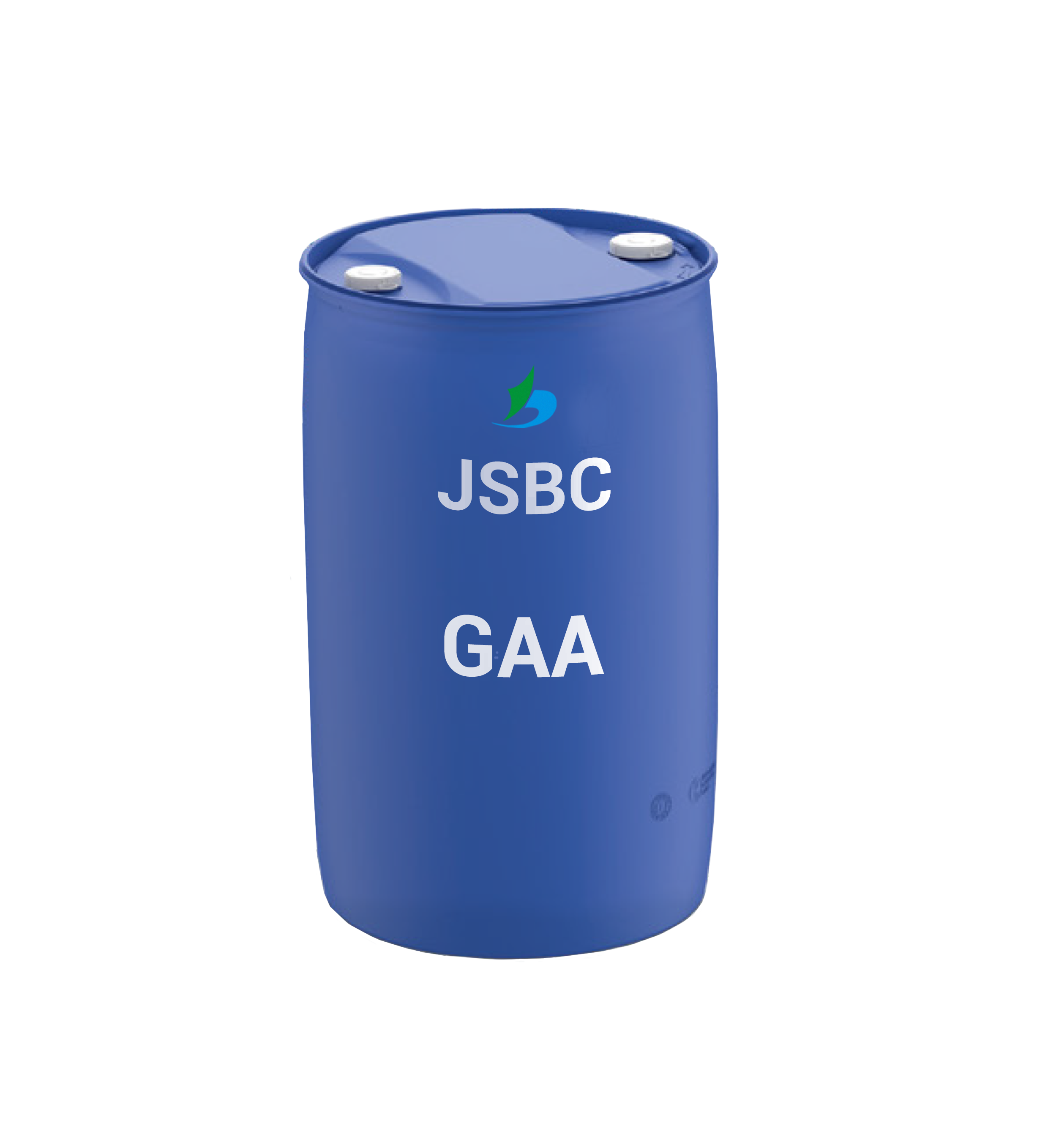
The term glacial refers to the highly concentrated, water-free form of acrylic acid that solidifies at temperatures slightly above room temperature, typically around sixteen degrees Celsius. This distinguishing characteristic reflects the exceptional purity level achieved through specialized distillation and crystallization processes. For polymer chemists working with high-value applications, the advantages of glacial acrylic acid extend beyond simple concentration metrics to encompass molecular-level benefits that directly influence final polymer properties, processing efficiency, and product reliability across diverse industrial sectors.
Water presence during acrylic polymerization significantly affects reaction rates, molecular weight distribution, and polymer architecture. Glacial acrylic acid typically contains less than 0.2 percent water by weight, compared to industrial-grade solutions that may contain fifteen to thirty percent water. This dramatic reduction in moisture content allows polymer chemists to exercise precise control over free-radical polymerization mechanisms, enabling predictable chain growth and termination events that determine final polymer molecular weight.
The absence of substantial water also eliminates hydrolysis side reactions that can occur during high-temperature polymerization processes. When working with temperature-sensitive formulations or extended reaction times, the ultra-low moisture content of glacial acrylic acid prevents unwanted chain transfer reactions that would otherwise broaden molecular weight distributions and compromise polymer uniformity. This molecular-level control becomes especially critical in producing superabsorbent polymers where absorption capacity directly correlates with controlled crosslinking density.
Furthermore, reduced water content simplifies solvent management in solution polymerization systems. Manufacturers can optimize solvent selection based purely on polymerization chemistry requirements rather than compensating for dilution effects from aqueous acrylic acid solutions. This flexibility enables more efficient heat management during exothermic polymerization reactions and reduces energy consumption associated with water removal during polymer recovery and drying stages.
Industrial acrylic acid production inevitably generates trace impurities including acetic acid, propionic acid, maleic acid, and various oligomers. While present in minimal quantities, these compounds can act as chain transfer agents or crosslinking promoters during polymerization, introducing structural irregularities that degrade final polymer performance. The crystallization process inherent in producing glacial acrylic acid effectively removes these impurities through selective freezing, where the pure acrylic acid crystallizes while contaminants remain in the liquid phase.
This purification advantage becomes particularly valuable in producing polymers for biomedical applications, electronic materials, and food-contact surfaces where regulatory standards impose strict limits on residual impurities. High-purity polymers derived from glacial acrylic acid demonstrate improved biocompatibility, reduced leachable content, and enhanced electrical insulation properties compared to polymers synthesized from less refined acrylic acid grades.
Additionally, the absence of color-forming impurities allows manufacturers to produce polymers with superior optical clarity and color stability. Applications in clear coatings, optical adhesives, and transparent films benefit substantially from the intrinsic whiteness and low yellowness index of polymers derived from glacial acrylic acid. This optical purity eliminates the need for bleaching agents or optical brighteners that might compromise polymer stability or introduce additional regulatory concerns.
Despite its tendency to crystallize at ambient temperatures, glacial acrylic acid offers distinct handling advantages for facilities equipped with appropriate temperature control systems. The concentrated nature of this material reduces transportation volumes by sixty to seventy percent compared to aqueous solutions, decreasing freight costs and carbon footprint associated with raw material delivery. This volumetric efficiency extends to on-site storage requirements, allowing polymer producers to maintain equivalent production capacity with smaller tank farms and reduced facility footprints.
The crystalline properties of glacial acrylic acid also enhance storage stability by minimizing spontaneous polymerization risks during extended storage periods. While all acrylic acid grades require polymerization inhibitors and temperature control, the reduced water content and higher purity of the glacial form decrease the likelihood of inhibitor depletion through hydrolysis or oxidation reactions. This stability advantage translates to extended shelf life and reduced material waste from quality degradation during storage.
Modern polymer facilities utilize jacketed storage tanks and transfer lines with recirculating heating systems to maintain glacial acrylic acid in liquid state at twenty-five to thirty degrees Celsius. These temperature management systems consume minimal energy while preventing crystallization in piping and metering equipment. The investment in thermal control infrastructure typically recovers within eighteen to twenty-four months through reduced material costs and improved process reliability.
Introducing glacial acrylic acid directly into polymerization reactors eliminates the need for pre-concentration steps required when using aqueous solutions. This direct-feed capability reduces process complexity, minimizes equipment requirements, and decreases energy consumption associated with water removal. For batch polymerization processes, the concentrated monomer allows faster reactor charging and shorter cycle times, improving overall production throughput without requiring additional reactor capacity.
The high purity of glacial acrylic acid also improves heat transfer efficiency within polymerization reactors. Aqueous solutions exhibit higher heat capacities and lower thermal conductivities compared to pure acrylic acid, requiring more aggressive cooling systems to manage polymerization exotherms. By eliminating dilution water, manufacturers can implement more efficient temperature control strategies that maintain tighter reaction temperature profiles, resulting in improved polymer quality consistency and reduced batch-to-batch variability.
Continuous polymerization systems particularly benefit from the consistent composition and reactivity of glacial acrylic acid. The absence of composition variation associated with aqueous solutions simplifies process control algorithms and reduces the frequency of formula adjustments needed to compensate for raw material variability. This operational stability translates directly to reduced off-specification production, higher first-pass yields, and decreased quality control testing requirements.
Superabsorbent polymers used in hygiene products, agricultural applications, and industrial absorbents require precisely controlled crosslinking densities to achieve optimal fluid absorption and retention characteristics. Glacial acrylic acid enables manufacturers to achieve these critical performance targets through improved control over monomer-to-crosslinker ratios and polymerization kinetics. The absence of water during polymerization allows crosslinking reactions to proceed without competing hydrolysis mechanisms that would otherwise consume crosslinking agent or create irregular network structures.
High-purity polymers produced from glacial acrylic acid demonstrate superior absorption capacity under load, faster absorption kinetics, and improved retention characteristics compared to polymers derived from dilute acrylic acid solutions. These performance improvements stem from more uniform network formation and reduced structural defects that would otherwise create weak points in the polymer matrix. In high-value applications such as medical absorbents or water-retention systems for drought-prone agriculture, these quality improvements justify the premium associated with glacial-grade raw materials.
The molecular uniformity achieved through glacial acrylic acid polymerization also improves superabsorbent polymer performance consistency across production batches. This reliability becomes essential for automated manufacturing processes in disposable hygiene products where absorption variability can lead to product failures or consumer complaints. Manufacturers utilizing glacial acrylic acid report significantly tighter performance specifications and reduced quality-related customer returns.
Acrylic polymers used in high-performance coatings and pressure-sensitive adhesives require exceptional clarity, adhesion properties, and environmental durability. Polymers derived from glacial acrylic acid offer measurable advantages in all these performance dimensions. The molecular purity translates to improved film formation characteristics, producing coatings with fewer defects, better gloss retention, and enhanced weather resistance compared to polymers containing residual impurities from less refined monomers.
In pressure-sensitive adhesive applications, the controlled molecular weight distributions achievable with glacial acrylic acid enable formulators to fine-tune the balance between tack, peel strength, and shear resistance. This precision becomes particularly important in medical adhesives, electronics assembly tapes, and specialty graphic films where adhesive performance directly affects product functionality and user safety. The consistent polymer properties also simplify adhesive formulation development, reducing the number of trial batches needed to achieve target performance specifications.
High-purity acrylic polymers demonstrate improved compatibility with functional additives including plasticizers, tackifiers, and crosslinking agents. This compatibility advantage allows formulators to incorporate higher levels of performance-enhancing additives without encountering phase separation, haze formation, or stability issues that might occur with polymers containing reactive impurities. The resulting formulation flexibility enables development of specialized products addressing niche application requirements in aerospace, automotive, and electronics markets.
While glacial acrylic acid typically commands a fifteen to twenty-five percent price premium over aqueous solutions on a per-kilogram basis, comprehensive cost analysis often reveals favorable total cost of ownership when considering all process implications. The elimination of water removal steps reduces energy consumption by twenty to thirty percent in typical polymer production facilities, translating to substantial utility cost savings over multi-year operational periods. These energy savings become increasingly significant as carbon pricing mechanisms and renewable energy mandates raise electricity and natural gas costs.
Reduced transportation and storage costs further improve the economic position of glacial acrylic acid. A typical polymer facility consuming five hundred metric tons of acrylic acid monthly can reduce annual freight costs by forty to sixty thousand dollars through volume consolidation alone. Storage cost reductions including tank rental, handling equipment, and inventory financing add additional savings that accumulate over time. These logistical advantages become particularly pronounced for facilities located in regions with high transportation costs or limited infrastructure.
Quality-related savings represent another significant economic benefit category. Higher first-pass yields, reduced off-specification production, and decreased customer returns directly impact profitability in commodity polymer markets where margins typically range from five to twelve percent. Manufacturers report quality-related cost improvements of three to seven percent when transitioning from aqueous to glacial acrylic acid, with larger benefits observed in high-value specialty applications where quality premiums reward consistent performance.
Polymer manufacturers face increasing pressure to reduce environmental footprints and demonstrate sustainable practices throughout their supply chains. Glacial acrylic acid contributes to these objectives through multiple mechanisms including reduced energy consumption, lower greenhouse gas emissions, and decreased water usage. The elimination of concentration and water removal steps reduces facility carbon footprints by twelve to eighteen percent compared to processes using aqueous acrylic acid solutions, supporting corporate sustainability targets and enhancing environmental, social, and governance performance metrics.
Water conservation represents another environmental advantage particularly relevant in regions facing water scarcity or regulatory restrictions on industrial water consumption. Facilities using glacial acrylic acid eliminate thousands of cubic meters of process water annually compared to operations requiring aqueous solution concentration. This water efficiency reduces treatment costs, discharge permit requirements, and environmental impact associated with wastewater management.
Regulatory compliance benefits extend beyond environmental considerations to encompass product safety and quality standards. Polymers intended for food contact, pharmaceutical packaging, or biomedical devices must meet stringent purity requirements that become easier to achieve when starting with high-purity monomers. The traceability and consistency of glacial acrylic acid simplifies documentation requirements for regulatory submissions and reduces the risk of compliance failures that could trigger costly product recalls or market access restrictions.
Glacial acrylic acid typically achieves purity levels exceeding 99.5 percent, with water content below 0.2 percent and total impurities under 0.3 percent. Standard industrial grades commonly contain fifteen to thirty percent water along with higher levels of process impurities including acetic acid, propionic acid, and polymerization inhibitor residues. This purity differential directly impacts polymerization control, final polymer properties, and suitability for regulated applications requiring minimal contaminant levels.
Glacial acrylic acid solidifies at approximately sixteen degrees Celsius, requiring storage and transfer systems maintained at twenty-five to thirty degrees Celsius to ensure continuous liquid state. Most facilities utilize jacketed tanks with recirculating hot water or thermal oil systems, along with heat-traced transfer lines equipped with temperature monitoring. While this infrastructure represents an initial investment, the systems consume minimal energy during normal operations and provide reliable material flow without crystallization issues that could interrupt production.
Most polymer production facilities can transition to glacial acrylic acid with relatively minor modifications focused on temperature control rather than fundamental process changes. Key requirements include adding heating capability to storage tanks and transfer lines, adjusting metering systems for the different material density, and updating process control parameters to account for the concentrated monomer feed. Facilities already equipped for temperature-controlled raw materials can often implement the transition with minimal downtime, while others may require several weeks for equipment installation and commissioning.
Applications demanding exceptional purity, consistent molecular weight control, or stringent regulatory compliance derive the greatest value from glacial acrylic acid. These include superabsorbent polymers for premium hygiene products, optical-grade coatings and adhesives, biomedical polymers for drug delivery or medical devices, electronic materials requiring low ionic contamination, and food-contact polymers subject to migration testing requirements. In these high-value applications, the performance improvements and quality consistency typically justify the raw material premium through enhanced product differentiation and reduced quality-related costs.
 Hot News
2026-10-15
2026-10-12
2026-10-08
2026-09-07
2026-09-28
2026-09-21



 EN
EN