



Industrial coating formulations require precise rheological properties to achieve optimal application performance and final film quality. Water soluble polymers have emerged as crucial additives that significantly influence the flow behavior, viscosity, and overall performance characteristics of various coating systems. These versatile materials offer coating formulators powerful tools to control rheological properties while maintaining environmental compliance and application efficiency. Understanding how water soluble polymers interact with coating matrices enables manufacturers to develop superior products that meet demanding industrial specifications.
Water soluble polymers function as rheology modifiers through various molecular mechanisms that directly impact coating viscosity and flow characteristics. These polymers create three-dimensional networks within the coating matrix, establishing controlled resistance to flow that can be tailored to specific application requirements. The molecular weight, concentration, and chemical structure of water soluble polymers determine their effectiveness in modifying rheological properties. Higher molecular weight polymers typically provide more pronounced thickening effects, while lower molecular weight variants offer improved flow leveling properties.
The interaction between water soluble polymers and coating solvents creates dynamic viscosity profiles that respond to applied shear forces. This shear-thinning behavior enables coatings to flow smoothly during application while maintaining adequate thickness and coverage on vertical surfaces. The polymer chains undergo temporary alignment under shear stress, reducing apparent viscosity and facilitating spray application or brush coating processes. When shear forces are removed, the polymer network reforms, restoring the coating's original viscosity and preventing excessive sagging or dripping.
The chemical composition and molecular architecture of water soluble polymers significantly influence their performance as rheological additives in industrial coatings. Linear polymer chains provide different rheological characteristics compared to branched or cross-linked structures, affecting both the initial viscosity and the response to mechanical stress. Polyacrylic acid derivatives, polyethylene oxide compounds, and cellulose-based polymers each contribute unique rheological profiles that can be selected based on specific coating requirements.
Polymer functionality groups determine compatibility with various coating chemistries and influence the stability of rheological properties over time. Hydroxyl, carboxyl, and amine functional groups enable hydrogen bonding interactions that strengthen the polymer network and enhance thickening efficiency. Water soluble polymers with multiple functional groups often demonstrate superior performance in complex coating formulations containing diverse additives, pigments, and active ingredients that might otherwise interfere with rheological stability.
In architectural coating applications, water soluble polymers enhance both application properties and final film performance through carefully controlled rheological modifications. These polymers improve brush drag characteristics, reduce spattering during roller application, and optimize spray pattern uniformity in professional coating operations. The controlled viscosity provided by water soluble polymers enables consistent film thickness across large surface areas, reducing material waste and improving coverage efficiency.
Protective coating formulations benefit from the enhanced barrier properties that result from improved rheological control. Water soluble polymers help achieve uniform pigment distribution and reduce settling during storage, maintaining consistent protection performance throughout the coating's service life. The improved flow characteristics also facilitate better substrate wetting, enhancing adhesion and reducing the likelihood of coating failures due to inadequate surface coverage or film defects.
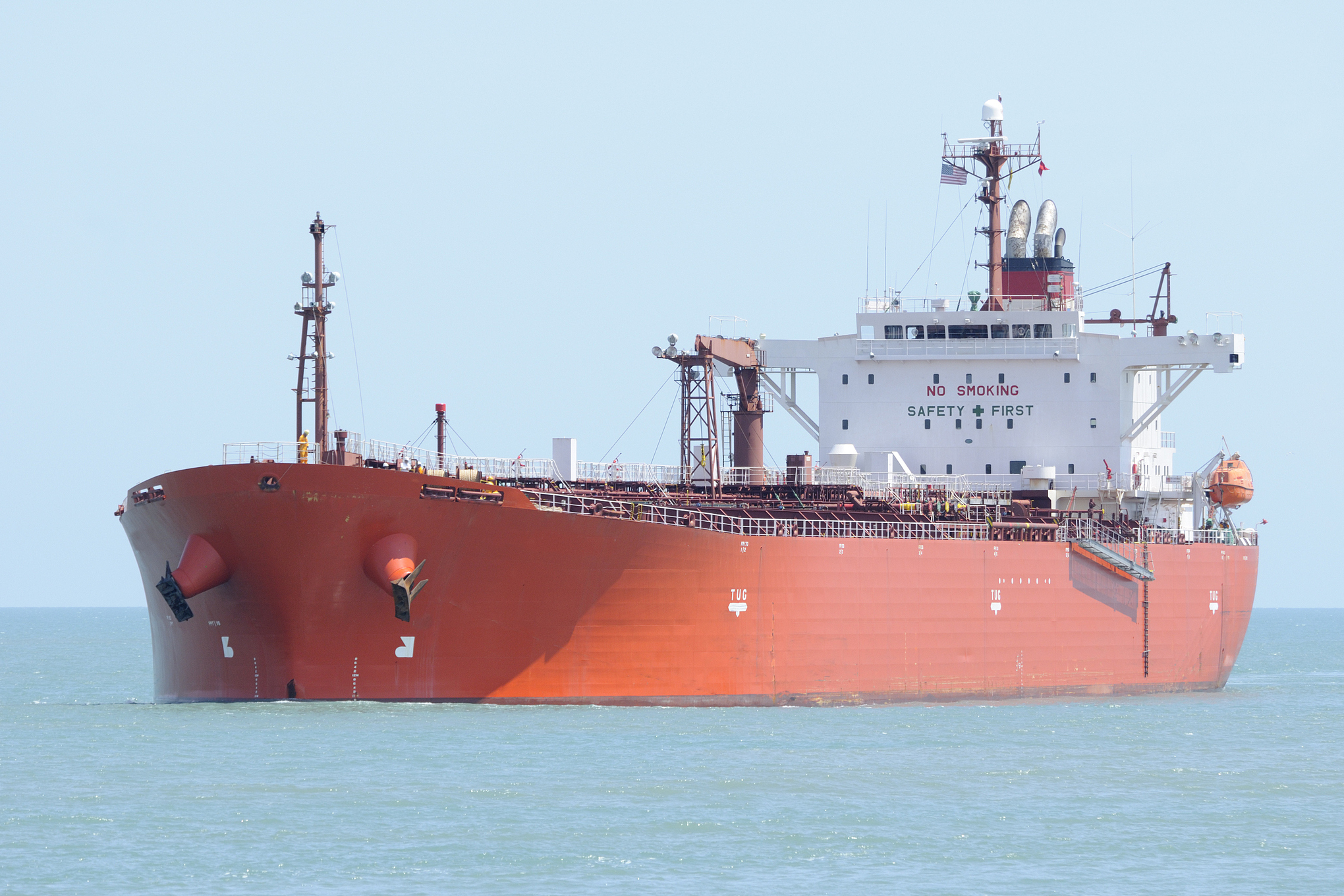
High-performance coating applications in aerospace, automotive, and marine environments require precise rheological control that water soluble polymers can provide through advanced molecular engineering. These specialized polymers enable formulation of coatings with complex rheological profiles, including thixotropic behavior that facilitates application on complex geometries while preventing run-off on vertical surfaces. The ability to fine-tune viscosity at different shear rates allows coating manufacturers to optimize products for specific application methods and environmental conditions.
Industrial maintenance coatings particularly benefit from water soluble polymers that provide extended working time and improved leveling characteristics. These properties enable coating applicators to achieve smooth, uniform finishes even under challenging environmental conditions or when working with large surface areas that require extended application times. The enhanced rheological stability also reduces the need for frequent material mixing and minimizes application defects that could compromise coating performance.
Selecting appropriate water soluble polymers for coating applications requires careful consideration of multiple performance criteria, including compatibility with base resins, stability under processing conditions, and long-term storage characteristics. Molecular weight distribution affects both initial viscosity development and rheological stability over time, with narrow molecular weight distributions often providing more predictable performance. The glass transition temperature and thermal stability of water soluble polymers determine their suitability for coatings that will experience elevated temperatures during application or service.
Chemical resistance requirements influence polymer selection, particularly for coatings intended for harsh chemical environments or extended outdoor exposure. Water soluble polymers with enhanced UV stability and chemical resistance maintain rheological properties longer, reducing coating degradation and extending service life. The pH sensitivity of different polymer types must also be considered, especially in waterborne coating systems where pH fluctuations can significantly impact rheological behavior and coating stability.
Optimal concentration levels for water soluble polymers depend on the specific coating chemistry, desired rheological properties, and application requirements. Lower concentrations typically provide subtle rheological modifications suitable for flow and leveling improvements, while higher concentrations enable dramatic viscosity increases for specialized applications. The relationship between polymer concentration and viscosity is often non-linear, requiring careful testing to achieve desired rheological targets without exceeding practical application limits.
Processing parameters significantly influence the effectiveness of water soluble polymers in coating formulations, with mixing intensity, temperature, and addition sequence affecting final rheological properties. High-shear mixing can break down polymer chains and reduce thickening efficiency, while insufficient mixing may result in incomplete hydration and inconsistent rheological performance. Temperature control during polymer addition and subsequent processing helps ensure consistent results and prevents thermal degradation of sensitive polymer structures.
Accurate measurement of rheological properties requires sophisticated testing equipment and standardized procedures that account for the complex behavior of water soluble polymers in coating systems. Rotational viscometers provide basic viscosity measurements, but comprehensive rheological characterization requires oscillatory testing that reveals viscoelastic properties and shear-dependent behavior. These advanced measurements help predict coating performance under various application conditions and enable optimization of water soluble polymer concentrations for specific requirements.
Temperature-dependent rheological testing reveals how water soluble polymers respond to thermal cycling and processing temperatures, providing critical information for formulation stability and application performance. Dynamic mechanical testing can identify gel points, flow transitions, and thermal degradation temperatures that affect coating quality and processing parameters. Regular rheological monitoring throughout the coating development process ensures consistent performance and identifies potential formulation issues before they impact production or application quality.
Comprehensive performance validation of coatings modified with water soluble polymers requires testing under realistic application conditions that simulate actual use environments. Spray pattern analysis, brush drag measurements, and flow-out characteristics provide practical assessments of how rheological modifications translate to application performance. These tests help validate that laboratory rheological measurements correlate with field performance and user experience.
Long-term stability testing evaluates how water soluble polymers maintain rheological properties during extended storage and exposure to environmental stress factors. Accelerated aging tests, freeze-thaw cycling, and high-temperature storage provide insights into coating stability and help predict shelf life under various storage conditions. These validation methods ensure that rheological benefits provided by water soluble polymers persist throughout the coating's intended service life and storage requirements.
Emerging developments in polymer science are creating new opportunities for water soluble polymers with enhanced rheological control capabilities and improved environmental performance. Block copolymers and star-shaped architectures offer unique rheological profiles that enable more precise control over coating flow behavior and film formation characteristics. These advanced structures can provide multiple functionality within a single polymer molecule, reducing the complexity of coating formulations while improving overall performance.
Responsive polymer systems that change rheological properties in response to environmental triggers represent an exciting frontier for water soluble polymers in coating applications. Temperature-responsive polymers can provide improved storage stability and enhanced application characteristics, while pH-responsive systems offer opportunities for self-healing and adaptive coating properties. These smart polymer technologies could revolutionize industrial coating performance and expand application possibilities in demanding environments.
Growing environmental awareness is driving development of bio-based water soluble polymers derived from renewable resources that provide comparable rheological performance to traditional synthetic materials. These sustainable polymers offer reduced environmental impact while maintaining the technical performance required for demanding industrial coating applications. Biodegradable water soluble polymers also address end-of-life environmental concerns and support circular economy principles in coating manufacturing and use.
Green chemistry approaches to water soluble polymer synthesis are reducing the environmental footprint of polymer production while improving safety profiles for coating manufacturers and users. Solvent-free synthesis routes, renewable feedstocks, and energy-efficient production processes contribute to more sustainable coating formulations. These developments align with increasing regulatory requirements and customer demands for environmentally responsible coating products that maintain high performance standards.
Water soluble polymers significantly improve coating application properties by providing controlled viscosity that enhances brush drag, reduces spattering, and improves spray pattern uniformity. These polymers create shear-thinning behavior that allows coatings to flow smoothly during application while maintaining adequate thickness on vertical surfaces. The rheological modifications also improve substrate wetting and enable more consistent film thickness across large surface areas, resulting in better coverage and reduced material waste.
Typical concentration levels for water soluble polymers in coating applications range from 0.1% to 2.0% by weight, depending on the desired rheological effect and specific polymer characteristics. Lower concentrations around 0.1-0.5% provide subtle flow and leveling improvements, while concentrations above 1.0% enable significant viscosity increases for specialized applications. The optimal concentration depends on molecular weight, polymer chemistry, and compatibility with other coating components, requiring careful testing to achieve desired performance without negatively impacting other properties.
Water soluble polymers significantly enhance coating storage stability by preventing pigment settling, maintaining consistent viscosity over time, and improving resistance to thermal cycling effects. These polymers create three-dimensional networks that suspend particles and prevent separation, while their rheological properties help maintain coating homogeneity during extended storage periods. Proper selection and concentration of water soluble polymers can extend shelf life and reduce the need for frequent mixing or reconstitution of stored coatings.
Comprehensive evaluation of water soluble polymers in coating applications requires multiple testing approaches including rotational viscometry for basic viscosity measurements, oscillatory rheometry for viscoelastic characterization, and application testing for practical performance validation. Temperature-dependent measurements reveal thermal stability and processing characteristics, while long-term storage tests evaluate stability under various environmental conditions. Spray pattern analysis, flow-out measurements, and film formation studies provide practical assessments of how rheological modifications translate to real-world coating performance and user experience.
 Hot News
2026-10-15
2026-10-12
2026-10-08
2026-09-07
2026-09-28
2026-09-21



 EN
EN