



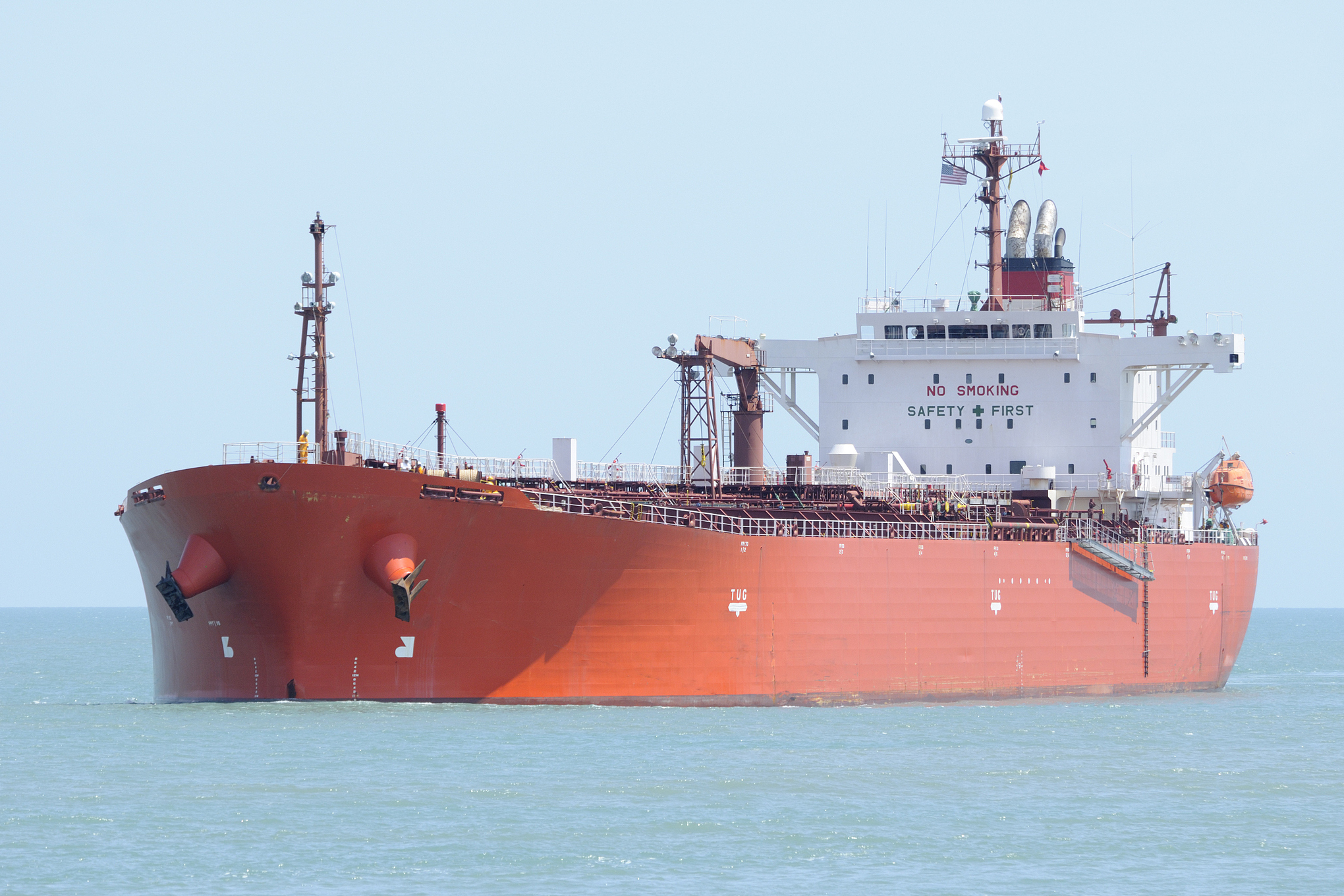
Water soluble polymers play a fundamental role in modern industrial processes, particularly in flocculation applications where particle separation and water treatment are essential. These versatile materials exhibit unique properties that make them indispensable across various sectors, from municipal wastewater treatment to mining operations. The ionic charge characteristics of these polymers determine their effectiveness in different applications, making the selection process crucial for optimal performance. Understanding how different ionic charges interact with suspended particles provides insight into achieving superior flocculation results in diverse industrial environments.
Cationic water soluble polymers carry positive charges along their polymer chains, making them highly effective for treating negatively charged particles commonly found in industrial wastewater. These polymers work through electrostatic attraction, neutralizing the negative surface charges on suspended particles and allowing them to aggregate into larger flocs. The strength of the cationic charge directly influences the polymer's ability to destabilize colloidal systems and promote rapid settling. Industries processing organic matter, biological sludge, and fine clay particles typically achieve optimal results with cationic formulations.
The molecular weight of cationic water soluble polymers affects their bridging capabilities, with higher molecular weight variants providing enhanced floc strength and improved dewatering characteristics. These polymers demonstrate exceptional performance in applications requiring both clarification and thickening, making them valuable for municipal sewage treatment and food processing operations. The charge density can be customized during manufacturing to match specific application requirements, ensuring maximum efficiency in various operational conditions.
Anionic water soluble polymers possess negative charges that make them particularly suitable for treating positively charged particles and mineral-based suspensions. These polymers excel in mining operations, cement manufacturing, and industrial processes involving metallic particles or alkaline conditions. The negative charge distribution along the polymer backbone creates strong electrostatic interactions with cationic species, leading to rapid flocculation and enhanced settling rates in clarification systems.
The performance of anionic water soluble polymers depends significantly on the solution pH and ionic strength of the treated medium. Higher pH environments typically enhance the polymer's effectiveness, as the negative charges become more pronounced and reactive. These polymers demonstrate superior performance in applications involving sand removal, mineral processing, and industrial cooling water treatment where positively charged contaminants predominate.
Charge neutralization represents the primary mechanism by which water soluble polymers achieve effective flocculation in industrial applications. When oppositely charged polymers encounter suspended particles, the electrostatic forces overcome the natural repulsion between particles, allowing them to approach closely enough for van der Waals forces to take effect. This process reduces the zeta potential of the particle system, destabilizing the colloidal suspension and promoting rapid aggregation.
The effectiveness of charge neutralization depends on achieving the optimal polymer dosage, as both under-dosing and over-dosing can result in poor flocculation performance. Under-dosing leaves insufficient polymer to neutralize all particle charges, while over-dosing can cause charge reversal and re-stabilization of the suspension. Advanced monitoring systems help operators maintain the ideal dosage range for consistent water soluble polymers performance in dynamic industrial environments.
Bridging flocculation occurs when long-chain water soluble polymers physically connect multiple particles through adsorption onto particle surfaces. This mechanism becomes dominant when using high molecular weight polymers, regardless of their ionic charge characteristics. The polymer chains extend into the solution, creating bridges between particles and forming large, strong flocs that settle rapidly and resist breakage during handling operations.
The success of bridging flocculation requires careful attention to mixing intensity and duration, as excessive shear forces can break the polymer chains and reduce flocculation effectiveness. Optimal mixing conditions allow sufficient polymer-particle contact time while maintaining gentle agitation to preserve floc integrity. This balance becomes particularly important in large-scale industrial applications where mechanical forces can significantly impact treatment efficiency.
Municipal wastewater treatment facilities rely heavily on water soluble polymers to achieve regulatory compliance and operational efficiency. The variable nature of municipal wastewater, containing both organic and inorganic suspended matter, requires careful polymer selection based on seasonal variations and influent characteristics. Cationic polymers typically perform well in primary clarification and sludge thickening applications, while anionic formulations may be preferred for specific industrial discharge streams.
The economic impact of polymer selection extends beyond immediate chemical costs to include energy consumption, sludge handling expenses, and equipment maintenance requirements. Properly selected water soluble polymers can reduce clarifier footprint requirements, improve effluent quality, and minimize downstream processing needs. Advanced treatment facilities often employ multiple polymer types in sequence to optimize performance across different treatment stages.
Mining operations present unique challenges for water soluble polymers due to extreme pH conditions, high mineral concentrations, and varying particle size distributions. Anionic polymers generally demonstrate superior performance in mineral processing applications, particularly for iron ore, coal preparation, and aggregate washing operations. The harsh operating environment requires polymers with enhanced stability and resistance to chemical degradation.
Tailings management represents a critical application area where water soluble polymers enable environmental compliance and water recovery. High molecular weight anionic polymers facilitate rapid settling of fine mineral particles, allowing for clear water recovery and reduced environmental impact. The selection criteria must consider both immediate operational performance and long-term environmental implications, making polymer quality and consistency paramount concerns.
Chemical compatibility assessment forms the foundation of successful water soluble polymers implementation in industrial applications. The presence of multivalent ions, oxidizing agents, and extreme pH conditions can significantly impact polymer performance and longevity. Calcium and magnesium ions commonly found in hard water can interfere with anionic polymer effectiveness, while chlorine and other oxidizers can degrade polymer chains and reduce molecular weight over time.
Laboratory testing protocols help identify potential compatibility issues before full-scale implementation, saving both time and resources. These tests should simulate actual operating conditions, including temperature variations, chemical additives, and residence times typical of the target application. Comprehensive compatibility testing ensures reliable performance and prevents costly operational disruptions in critical industrial processes.
Economic optimization of water soluble polymers applications requires balancing immediate chemical costs against long-term operational benefits. Higher-quality polymers with superior performance characteristics may justify premium pricing through reduced dosage requirements, improved process efficiency, and enhanced product quality. Life-cycle cost analysis should include chemical costs, labor requirements, equipment wear, and environmental compliance expenses.
Bulk purchasing agreements and strategic supplier relationships can provide cost advantages while ensuring consistent polymer quality and availability. Many suppliers offer technical support services that help optimize dosage rates, improve mixing systems, and troubleshoot performance issues, adding value beyond the chemical product itself. These partnerships become particularly valuable in complex industrial applications requiring specialized expertise.
Smart polymer systems represent the next generation of water soluble polymers technology, featuring responsive characteristics that adapt to changing process conditions. These advanced materials can modify their ionic charge distribution based on pH, temperature, or ionic strength variations, providing optimized performance across a wider range of operating conditions. The development of smart polymers addresses the challenge of maintaining consistent treatment efficiency in variable industrial environments.
Research into stimuli-responsive water soluble polymers focuses on creating materials that can switch between different charge states or conformations based on external triggers. These innovations could revolutionize industrial water treatment by reducing the need for multiple polymer grades and simplifying operational control systems. Early applications show promising results in pilot-scale testing, though commercial availability remains limited by production costs and regulatory approval requirements.
Sustainability concerns drive innovation in water soluble polymers development, with manufacturers focusing on biodegradable formulations and renewable feedstock sources. Bio-based polymers derived from natural materials offer environmental advantages while maintaining the performance characteristics required for industrial applications. These sustainable alternatives address growing regulatory pressure and corporate environmental responsibility initiatives across various industries.
The challenge of developing sustainable water soluble polymers lies in balancing environmental benefits with technical performance requirements. Biodegradable polymers must maintain stability during use while breaking down appropriately after discharge. Advanced polymer chemistry enables the creation of materials with controlled degradation rates, ensuring effective treatment performance without long-term environmental accumulation.
The choice between cationic and anionic water soluble polymers depends primarily on the charge characteristics of the particles being treated. Cationic polymers work best with negatively charged particles like organic matter and biological sludge, while anionic polymers excel with positively charged particles found in mineral processing applications. Additional factors include solution pH, ionic strength, and specific performance requirements such as settling rate or floc strength.
Higher molecular weight water soluble polymers typically provide better bridging capabilities and produce stronger, more resilient flocs. However, very high molecular weight polymers may require more careful handling to prevent chain breakage and can be more sensitive to shear forces. The optimal molecular weight depends on the specific application, with considerations including mixing intensity, particle size distribution, and downstream processing requirements.
Yes, water soluble polymers can be used in combination to achieve enhanced performance in complex applications. Dual polymer systems might employ different ionic charges in sequence or combine polymers with different molecular weights to optimize both charge neutralization and bridging effects. However, polymer combinations require careful testing and monitoring to ensure compatibility and avoid adverse interactions that could reduce overall effectiveness.
Water soluble polymers require proper storage conditions to maintain their effectiveness, including protection from excessive heat, freezing, and UV exposure. Dry polymers should be stored in sealed containers away from moisture, while liquid formulations need temperature control to prevent degradation. Proper mixing equipment and procedures are essential to achieve complete dissolution and avoid polymer chain breakage during preparation and application.
 Hot News
2026-10-15
2026-10-12
2026-10-08
2026-09-07
2026-09-28
2026-09-21



 EN
EN