Hydroxypropyl Acrylate: Performance Monomer

All Categories

hydroxypropyl acrylate

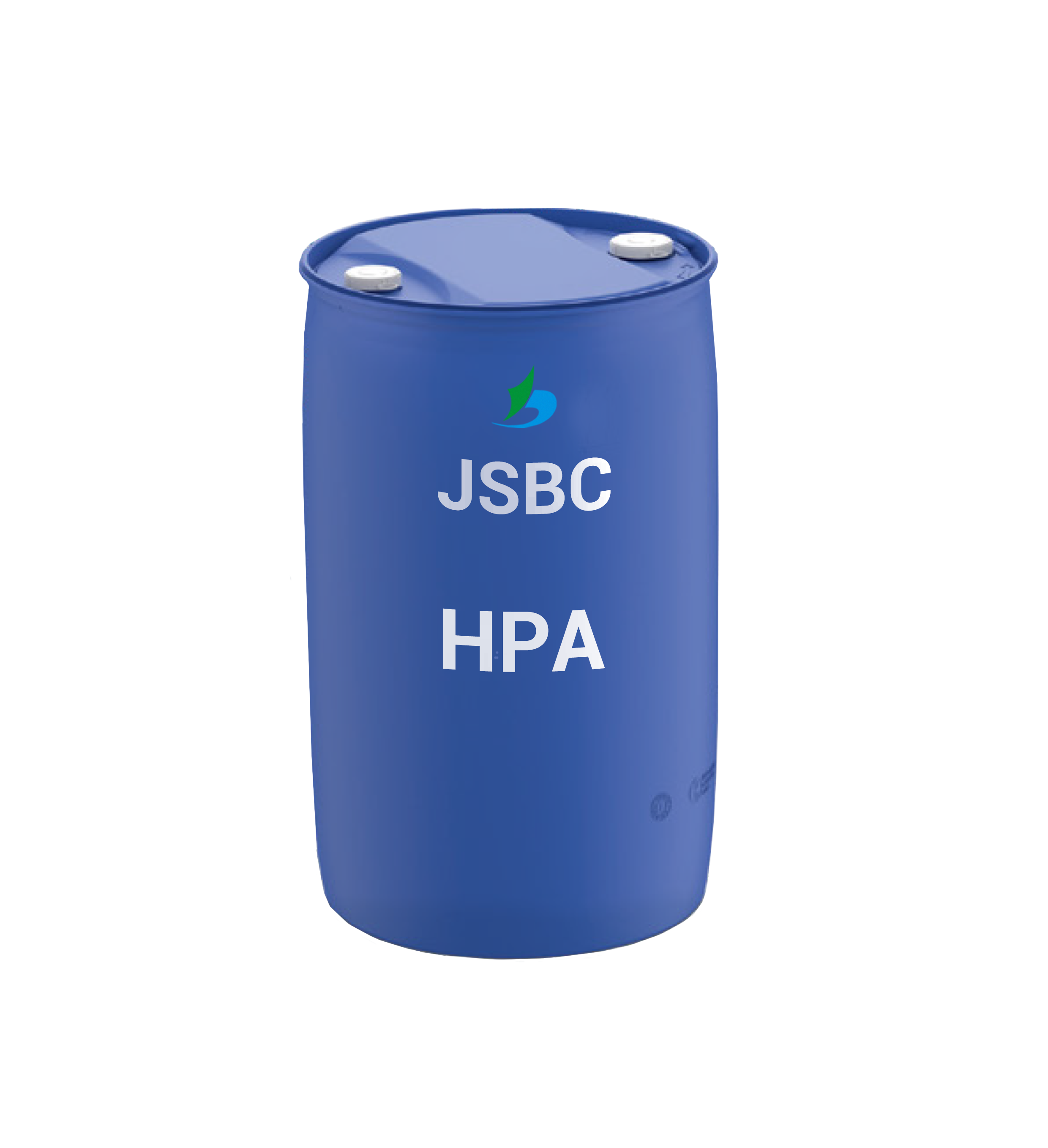
Hydroxypropyl acrylate is a versatile monomer widely used in polymer chemistry and industrial applications. This chemical compound combines the reactive acrylate group with a hydroxypropyl functionality, creating a unique material that offers exceptional performance in coating formulations, adhesive systems, and specialty polymer production. Hydroxypropyl acrylate serves as a critical building block for developing high-performance resins and copolymers with enhanced properties. The main functions of hydroxypropyl acrylate include improving adhesion to various substrates, providing flexibility to rigid polymer systems, and introducing hydroxyl functionality for crosslinking reactions. Its technological features encompass excellent reactivity during polymerization processes, compatibility with numerous other monomers, and the ability to modify surface properties of finished products. This monomer participates readily in free radical polymerization, UV curing systems, and radiation curing applications. Industries rely on hydroxypropyl acrylate for manufacturing protective coatings, printing inks, textile treatments, and construction materials. Its applications extend to automotive finishes, wood coatings, metal treatments, and plastic surface modifications. The compound demonstrates remarkable versatility in formulation development, allowing chemists to fine-tune polymer properties according to specific performance requirements. Hydroxypropyl acrylate continues to gain importance in sustainable chemistry initiatives due to its efficiency in low-VOC formulations and environmentally conscious manufacturing processes.

New Products

Choosing hydroxypropyl acrylate for your production needs delivers tangible benefits that directly impact your bottom line and product quality. This monomer enhances the durability of your finished products, ensuring they withstand harsh environmental conditions and maintain their integrity over extended periods. When you incorporate hydroxypropyl acrylate into your formulations, you gain superior adhesion properties that reduce product failures and customer complaints. The operational benefits are immediately noticeable in manufacturing environments. Hydroxypropyl acrylate processes smoothly in existing equipment without requiring costly modifications or specialized handling procedures. It blends seamlessly with other raw materials, reducing batch preparation time and minimizing production delays. Your quality control becomes more predictable because hydroxypropyl acrylate delivers consistent performance across different production runs. From an application perspective, this monomer provides remarkable flexibility in meeting diverse customer requirements. Whether you manufacture automotive coatings that must resist weather extremes or adhesives that bond challenging substrates, hydroxypropyl acrylate adapts to your specific needs. It helps you create products with balanced properties, combining hardness with flexibility and chemical resistance with workability. The decision to use hydroxypropyl acrylate makes financial sense beyond just technical performance. You reduce waste through improved first-time success rates, lower warranty costs through enhanced product durability, and open new market opportunities by meeting stringent performance specifications. Your customers benefit from longer-lasting products, better appearance retention, and improved functionality. These practical advantages translate directly into competitive differentiation and stronger market positioning for your business.

Practical Tips

Maleic Anhydride Applications: Enhancing Polymer Properties with Lower Environmental Footprint

23

Jul

Maleic Anhydride Applications: Enhancing Polymer Properties with Lower Environmental Footprint

Explore how maleic anhydride enhances polymer modification, boosting adhesion and compatibility in polymer blends. Discover its role in sustainable applications across industries, from lightweight automotive composites to eco-friendly packaging solutions, driving environmental impact with improved recyclability and biodegradability.
View More
Low-Carbon Footprint Butyl Acrylate (BA) for Global Emulsion Producers

14

Aug

Low-Carbon Footprint Butyl Acrylate (BA) for Global Emulsion Producers

View More
Methyl Methacrylate (MMA) in Recyclable lBC Totes for Import Efficiency

14

Aug

Methyl Methacrylate (MMA) in Recyclable lBC Totes for Import Efficiency

View More
Acrylamide Powder Solubility Hacks That Reduce Factory Water Use

14

Aug

Acrylamide Powder Solubility Hacks That Reduce Factory Water Use

View More

Get a Free Quote

Our representative will contact you soon.
Email
Name
Company Name
Message
0/1000

hydroxypropyl acrylate

Enhanced Crosslinking Capability

Enhanced Crosslinking Capability

The hydroxyl functionality present in hydroxypropyl acrylate provides exceptional crosslinking opportunities that elevate polymer network density and mechanical strength. This unique structural feature allows formulators to create three-dimensional polymer networks with superior resistance to solvents, chemicals, and mechanical stress. When you utilize hydroxypropyl acrylate in coating systems, the hydroxyl groups react with isocyanates, melamine resins, or other crosslinking agents to form durable bonds that significantly enhance performance characteristics. This crosslinking capability proves particularly valuable in applications requiring long-term outdoor exposure or contact with aggressive chemicals. The resulting polymer networks exhibit reduced swelling in solvents, improved scratch resistance, and better thermal stability compared to non-crosslinked alternatives. Manufacturers benefit from formulation flexibility, as they can adjust crosslink density by varying hydroxypropyl acrylate content to achieve precise property profiles. This feature enables the development of customized solutions for demanding applications in automotive, industrial, and architectural markets where performance requirements exceed standard product capabilities.
Superior Substrate Wetting and Adhesion

Superior Substrate Wetting and Adhesion

Hydroxypropyl acrylate dramatically improves how coatings and adhesives interact with substrate surfaces, delivering outstanding wetting characteristics and adhesion strength. The molecular structure of hydroxypropyl acrylate combines hydrophobic and hydrophilic elements, creating an amphiphilic character that bridges the interface between polymers and various substrate types. This dual nature allows formulations containing hydroxypropyl acrylate to spread evenly across difficult surfaces including metals, plastics, and treated materials. Your production benefits from reduced surface defects such as cratering, fisheyes, and poor coverage that often plague conventional formulations. The enhanced adhesion provided by hydroxypropyl acrylate reduces delamination risks and extends service life in demanding environments. Testing consistently shows that polymers incorporating hydroxypropyl acrylate achieve higher pull-off strength values and better wet adhesion performance compared to alternative monomers. This advantage proves critical in applications where adhesion failure results in costly warranty claims or safety concerns. By selecting hydroxypropyl acrylate, you invest in reliability and customer satisfaction through formulations that stay bonded under stress.
Optimized Balance of Flexibility and Hardness

Optimized Balance of Flexibility and Hardness

Hydroxypropyl acrylate uniquely contributes to achieving the ideal balance between flexibility and hardness in polymer systems, addressing a common formulation challenge. Many applications require coatings or adhesives that resist cracking under stress while maintaining sufficient hardness to prevent scratching and wear. Hydroxypropyl acrylate acts as an internal plasticizer, introducing flexibility without sacrificing surface hardness or chemical resistance. This balanced property profile eliminates the need for external plasticizers that may migrate over time, causing product degradation or environmental concerns. Your formulations maintain consistent performance throughout their service life without the brittleness associated with hard acrylics or the softness of flexible alternatives. The propyl spacer in hydroxypropyl acrylate provides just enough chain mobility to accommodate substrate movement and thermal expansion while the acrylate group ensures adequate crosslink density. This molecular design proves especially valuable in applications experiencing temperature fluctuations or mechanical flexing. Products formulated with hydroxypropyl acrylate demonstrate superior impact resistance, reduced stress cracking, and better durability in dynamic service conditions compared to rigid polymer systems.
email goToTop