

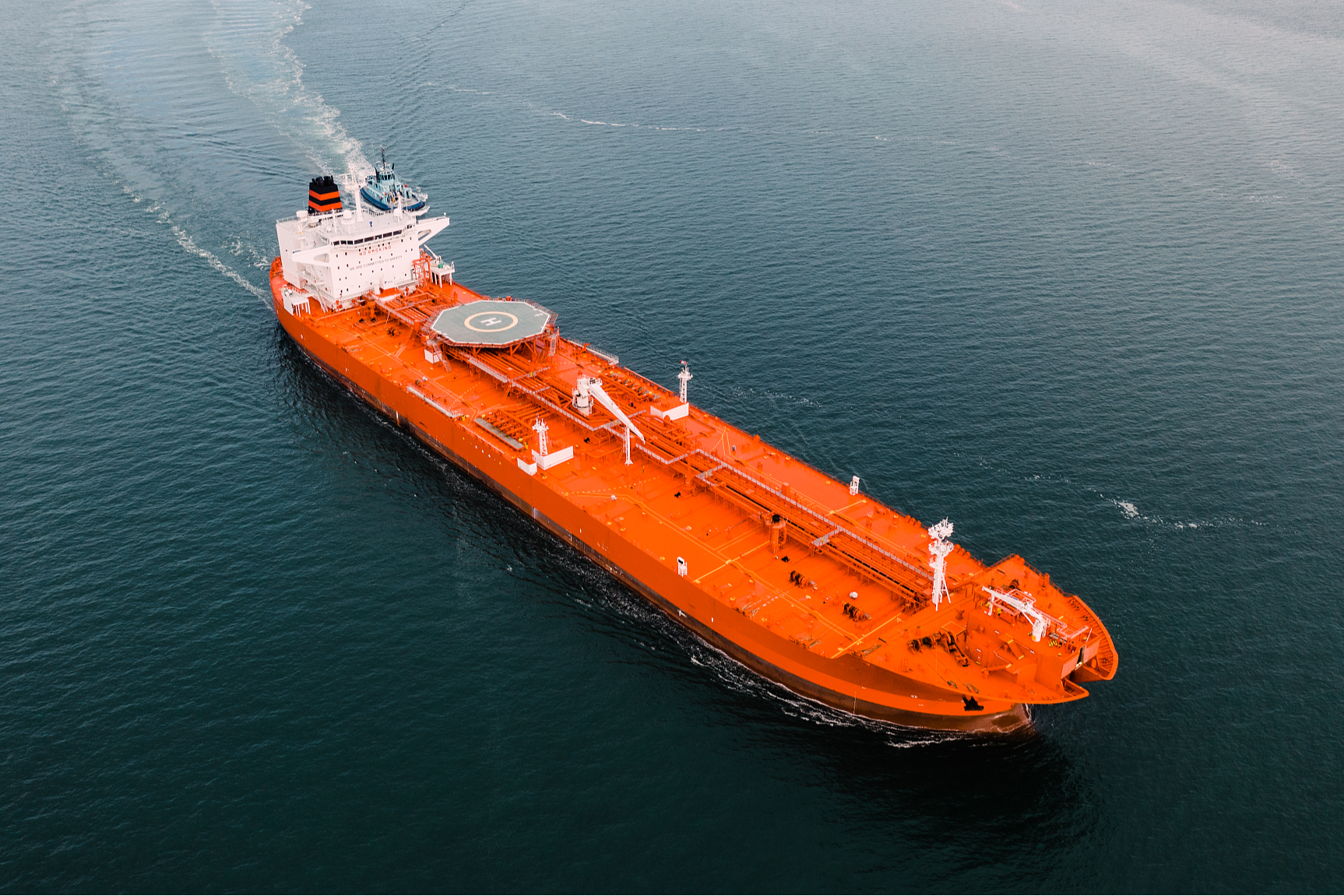
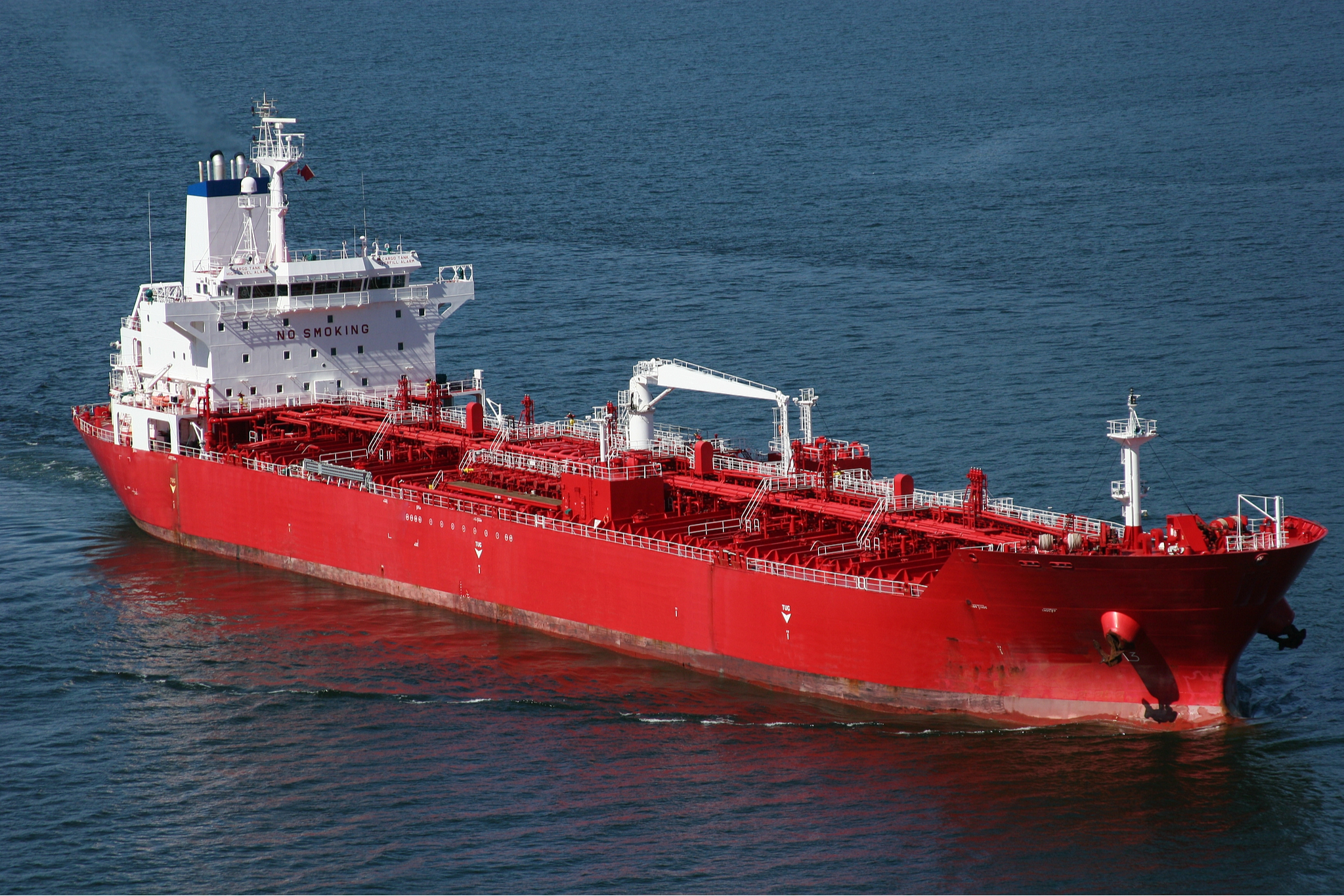
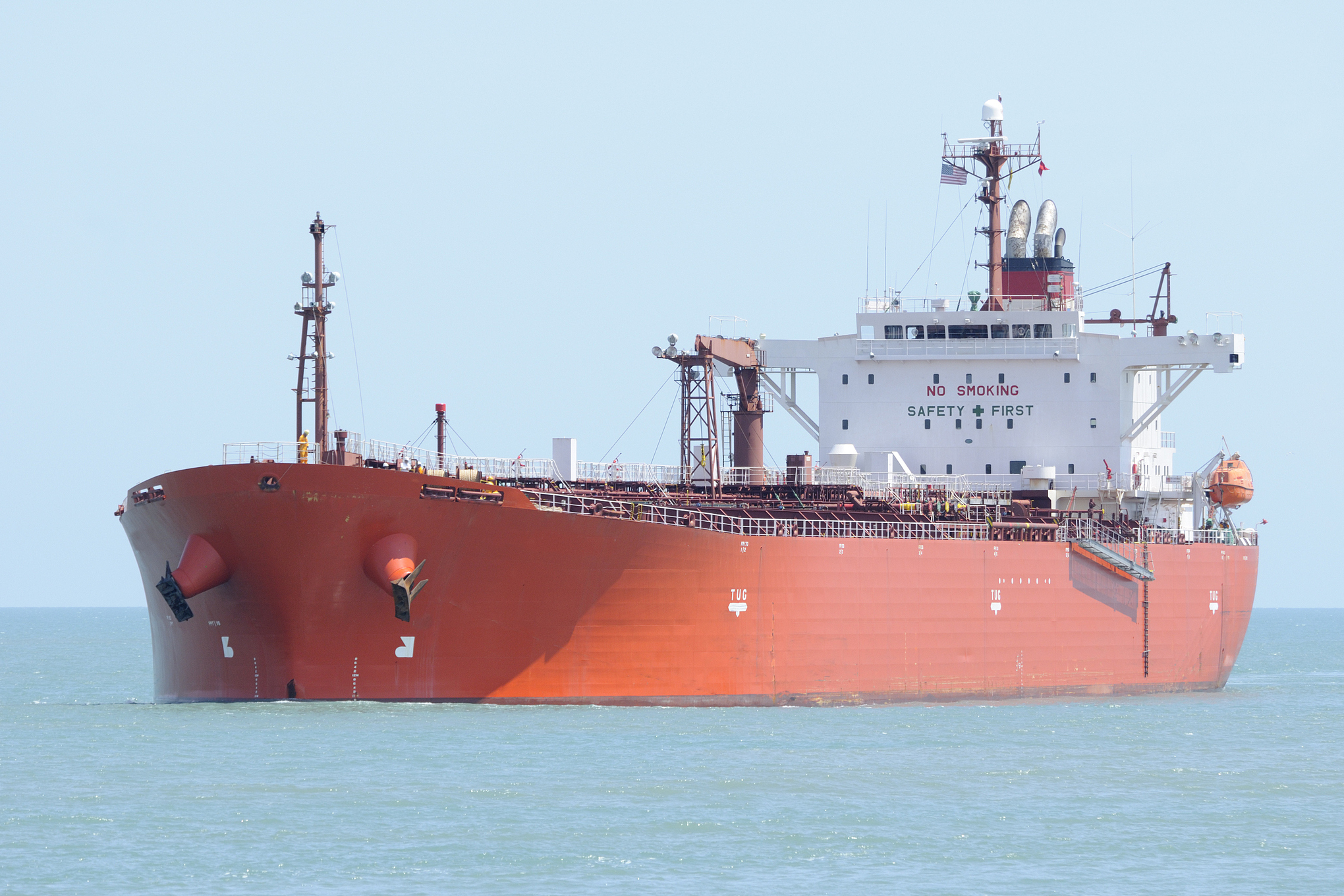
The cost structure of specialty chemicals hinges on operational scale and infrastructure investment. An acrylic monomer manufacturer with substantial tank capacity—such as a 10000 CBM facility—operates under fundamentally different economics than smaller competitors. This scale creates a direct pathway to lower per-unit costs, improved procurement efficiency, and pricing strategies that smaller rivals cannot match. Understanding this competitive advantage requires examining how tank infrastructure, production volume, and supply chain dynamics interact to reshape pricing power in the industrial chemical market.
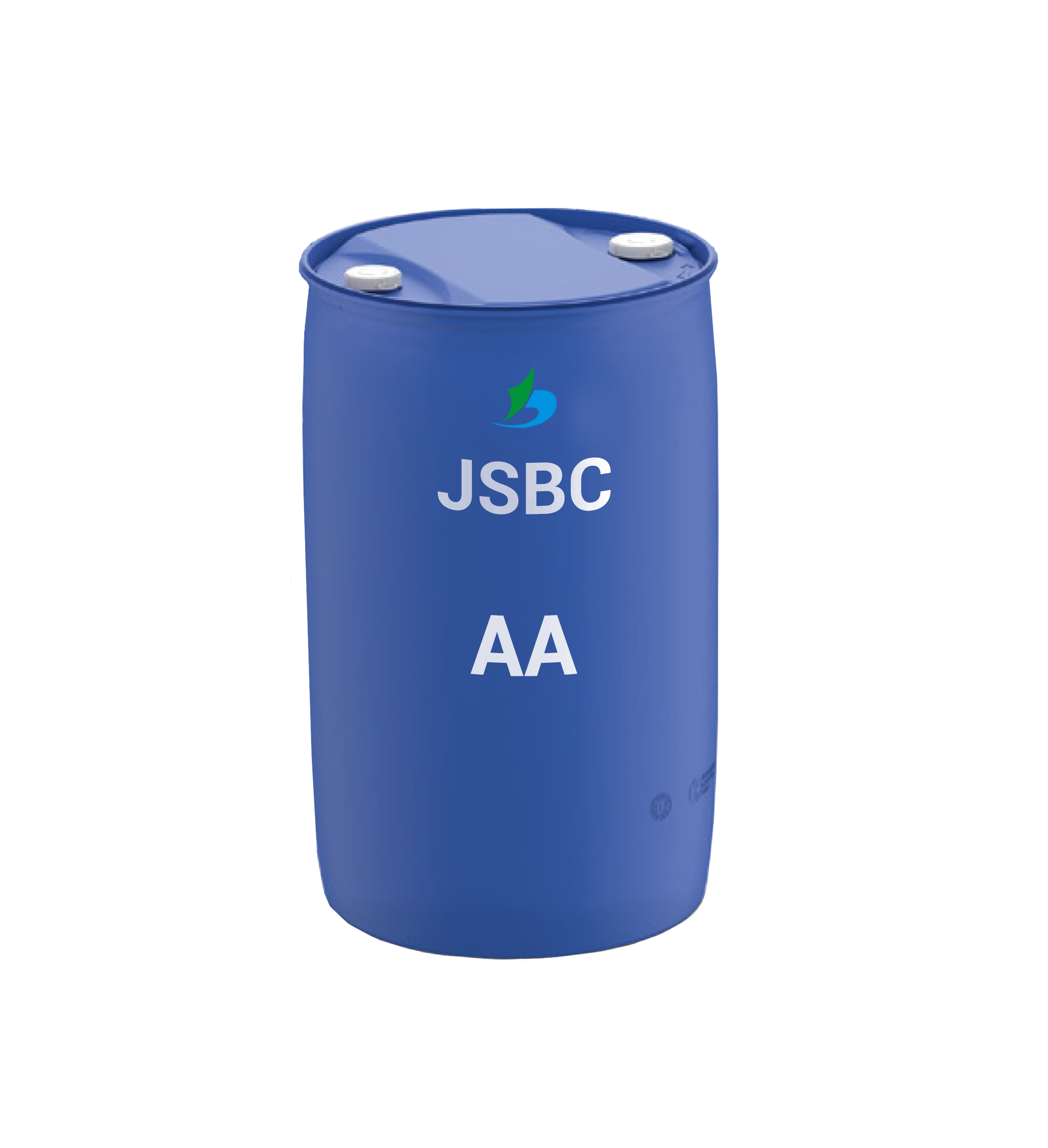
Large-scale acrylic monomer manufacturer operations with tank capacity of 10000 CBM or more establish market positioning that directly translates into customer value. The combination of production volume, equipment utilization, and logistical efficiency enables pricing that reflects true cost advantage rather than artificial market positioning. This article explores the mechanical drivers behind why scale matters so profoundly for an acrylic monomer manufacturer and how tank infrastructure becomes a strategic asset in pricing negotiations.
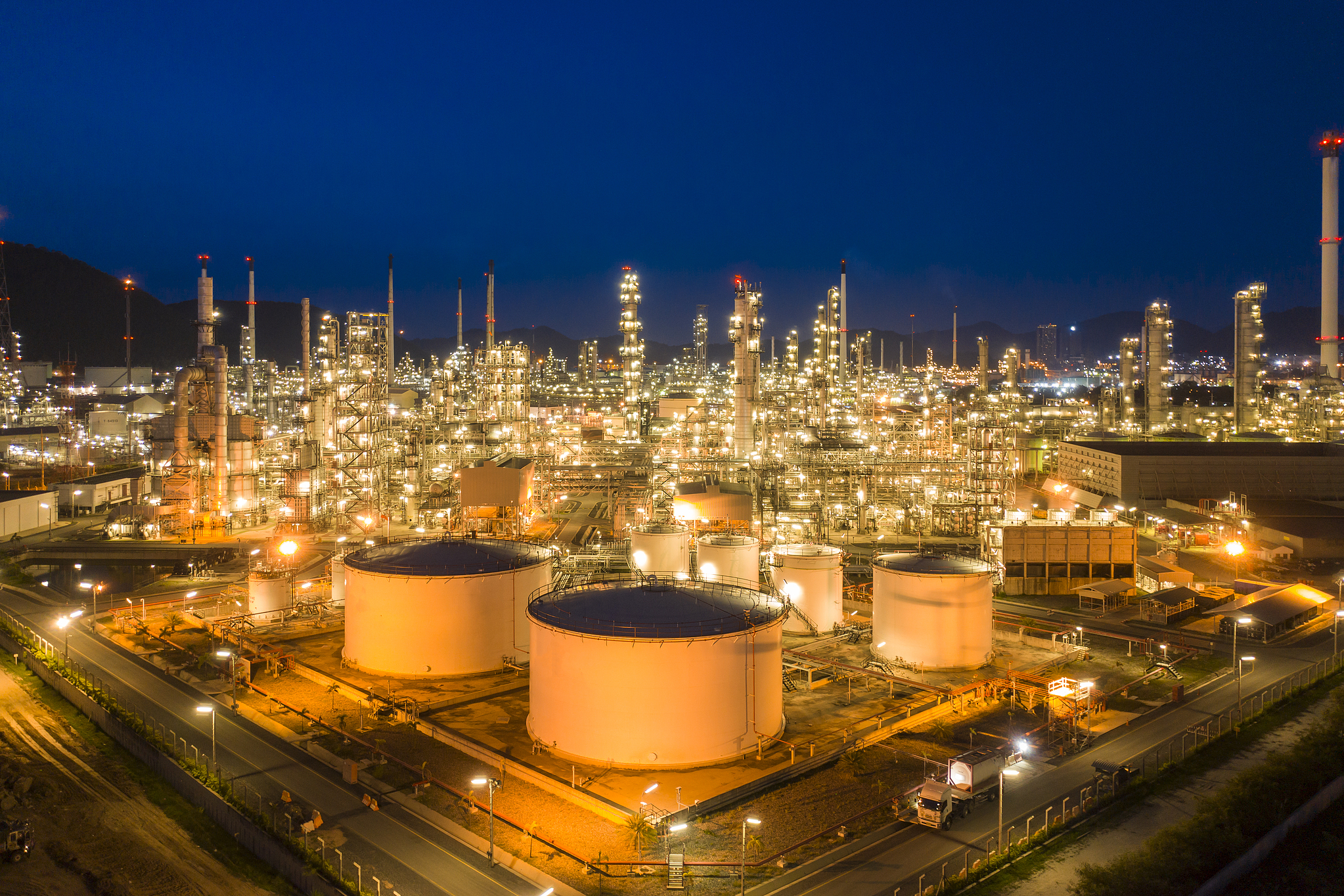
An acrylic monomer manufacturer operating with 10000 CBM tank capacity has already invested heavily in storage infrastructure. This capital deployment is the foundation of pricing power. The fixed costs associated with maintaining, monitoring, and managing such systems become distributed across vastly larger production volumes compared to smaller facilities. A facility with 5000 CBM capacity cannot amortize infrastructure costs as effectively, creating an inherent cost disadvantage that translates directly to higher per-unit pricing for the acrylic monomer manufacturer in that segment.
The economics of tank infrastructure favor larger players continuously. An acrylic monomer manufacturer with 10000 CBM capacity spreads depreciation, maintenance, environmental monitoring, and security costs across greater volume. If an acrylic monomer manufacturer produces 50,000 metric tons annually from this capacity, the per-ton infrastructure cost becomes negligible. A smaller competitor producing 15,000 metric tons annually from 3000 CBM capacity faces proportionally higher fixed costs per unit produced. This structural advantage compounds over years of operation, creating sustainable pricing differentiation.
Tank utilization efficiency directly correlates with pricing competitiveness for an acrylic monomer manufacturer. Larger facilities can maintain higher utilization rates through portfolio diversification, batch scheduling optimization, and continuous production runs. When an acrylic monomer manufacturer operates at 85 to 90 percent capacity utilization across its 10000 CBM infrastructure, the cost per unit of output decreases substantially. Smaller competitors often operate at 60 to 75 percent utilization due to more volatile demand patterns and limited product portfolio, which artificially inflates their per-unit costs and prevents competitive pricing.
The logistics of moving material through large tank systems also favor scale. An acrylic monomer manufacturer with integrated 10000 CBM capacity can batch larger quantities, reducing handling steps and logistics overhead per unit. Smaller competitors must move material through smaller tanks, creating proportionally more transfers, quality control checks, and logistical touchpoints. This efficiency gap enables an acrylic monomer manufacturer to offer pricing that reflects genuine operational advantage.
Raw material cost typically represents 60 to 75 percent of acrylic monomer manufacturing expenses. An acrylic monomer manufacturer purchasing feedstocks in quantities that match 10000 CBM annual capacity (typically 40,000 to 60,000 metric tons) commands negotiating leverage that smaller competitors cannot access. Feedstock suppliers extend volume discounts, extended payment terms, and supply priority only to large-volume buyers. When an acrylic monomer manufacturer commits to annual purchases in excess of 50,000 metric tons, suppliers compete for the contract by offering pricing improvements of 3 to 8 percent below standard market rates.
Smaller competitors purchasing 10,000 to 15,000 metric tons annually face commodity pricing without volume reduction. An acrylic monomer manufacturer with 10000 CBM capacity typically qualifies for tiered pricing, seasonal allocations, and direct supply agreements that eliminate middleman markups. This feedstock advantage alone can create 4 to 6 percent cost savings, which translates directly into pricing flexibility for the acrylic monomer manufacturer when competing for customer business.
Logistics costs for raw material inbound and finished product outbound decline significantly with scale. An acrylic monomer manufacturer handling 50,000-plus metric tons annually fills vessels and truck loads consistently, allowing full-load pricing versus partial-load premiums. Freight costs per metric ton drop 15 to 25 percent when an acrylic monomer manufacturer operates at scale, negotiates direct carrier relationships, and maintains predictable shipping schedules. Smaller competitors paying partial-load premiums face transportation costs that consume 8 to 12 percent of total product cost, while large-scale acrylic monomer manufacturer operations achieve 4 to 6 percent through consolidation.
Reverse logistics for by-product or waste material also favors large-scale operations. An acrylic monomer manufacturer generating substantial waste streams can partner with waste-to-energy or recycling providers on favorable economics, further reducing net material costs. Small competitors lack volume sufficient to attract such partnerships, adding hidden cost penalties to their per-unit economics.
Tank capacity of 10000 CBM enables an acrylic monomer manufacturer to invest in advanced process technology, proprietary catalysts, and automation systems that smaller facilities cannot justify. Higher throughput supports capital expenditure on reactor innovations, real-time monitoring systems, and yield optimization technology that reduces conversion losses from 2 to 3 percent down to 0.5 to 1 percent. This process efficiency directly translates to pricing advantage because an acrylic monomer manufacturer producing more saleable product from the same raw material input fundamentally operates at lower cost.
Smaller competitors operating legacy equipment with lower efficiency cannot justify technology investment on similarly depressed margins. An acrylic monomer manufacturer with 10000 CBM capacity amortizes technology investment across massive production volume, making advanced solutions economically viable. Process yield improvements of 1 to 2 percent directly reduce per-unit cost by similar percentages, creating sustainable pricing differentiation that reflects genuine technical advantage.
Large-scale acrylic monomer manufacturer operations invest extensively in quality systems, analytical laboratories, and consistency monitoring that reduce customer returns and complaints. Consistent product quality enables premium pricing or relationship stability with key accounts. An acrylic monomer manufacturer operating state-of-the-art quality infrastructure reduces field failures, rework, and customer disputes to negligible levels. Smaller competitors with limited analytical capacity often experience higher return rates, warranty costs, and customer dissatisfaction—hidden expenses that ultimately inflate pricing.
When an acrylic monomer manufacturer achieves superior consistency through scale-enabled quality investment, customers reduce their own incoming testing, safety stock, and process adjustment requirements. These customer-side savings enable the acrylic monomer manufacturer to negotiate preferred pricing because the total cost of ownership—not just raw purchase price—improves for the buyer.
An acrylic monomer manufacturer with 10000 CBM capacity typically achieves 12 to 18 percent lower per-unit costs versus smaller competitors through combined impact of fixed cost absorption, raw material volume discounts, logistics consolidation, and technology investment. This cost advantage enables pricing that is 5 to 10 percent below market rates for commodity acrylic monomer while maintaining acceptable margins, or alternatively, pricing at market rates with significantly higher profitability. The specific advantage depends on customer volume, contract duration, and regional logistics.
Smaller acrylic monomer manufacturer operations can compete through specialization, niche product focus, faster delivery, technical support, or customized solutions rather than pure commodity pricing. Direct head-to-head pricing competition on standard acrylic monomer is extremely difficult for the smaller acrylic monomer manufacturer because structural cost advantages favor scale consistently. However, an acrylic monomer manufacturer serving specialized end markets, offering rapid order fulfillment, or providing technical consulting can command premium positioning that offsets lower volume-based cost advantage.
An acrylic monomer manufacturer with 10000 CBM capacity provides supply security through inventory buffering, production flexibility, and consistent order fulfillment that smaller competitors struggle to maintain. When customers require consistent monthly volumes or emergency allocations, a large acrylic monomer manufacturer can accommodate demand without supply interruption. The tank infrastructure allows the acrylic monomer manufacturer to produce flexibly and fulfill orders reliably, creating relationship value beyond pricing alone and strengthening customer loyalty and long-term contracting.
 Hot News
2026-10-20
2026-10-15
2026-10-12
2026-10-08
2026-09-07
2026-09-28



 EN
EN