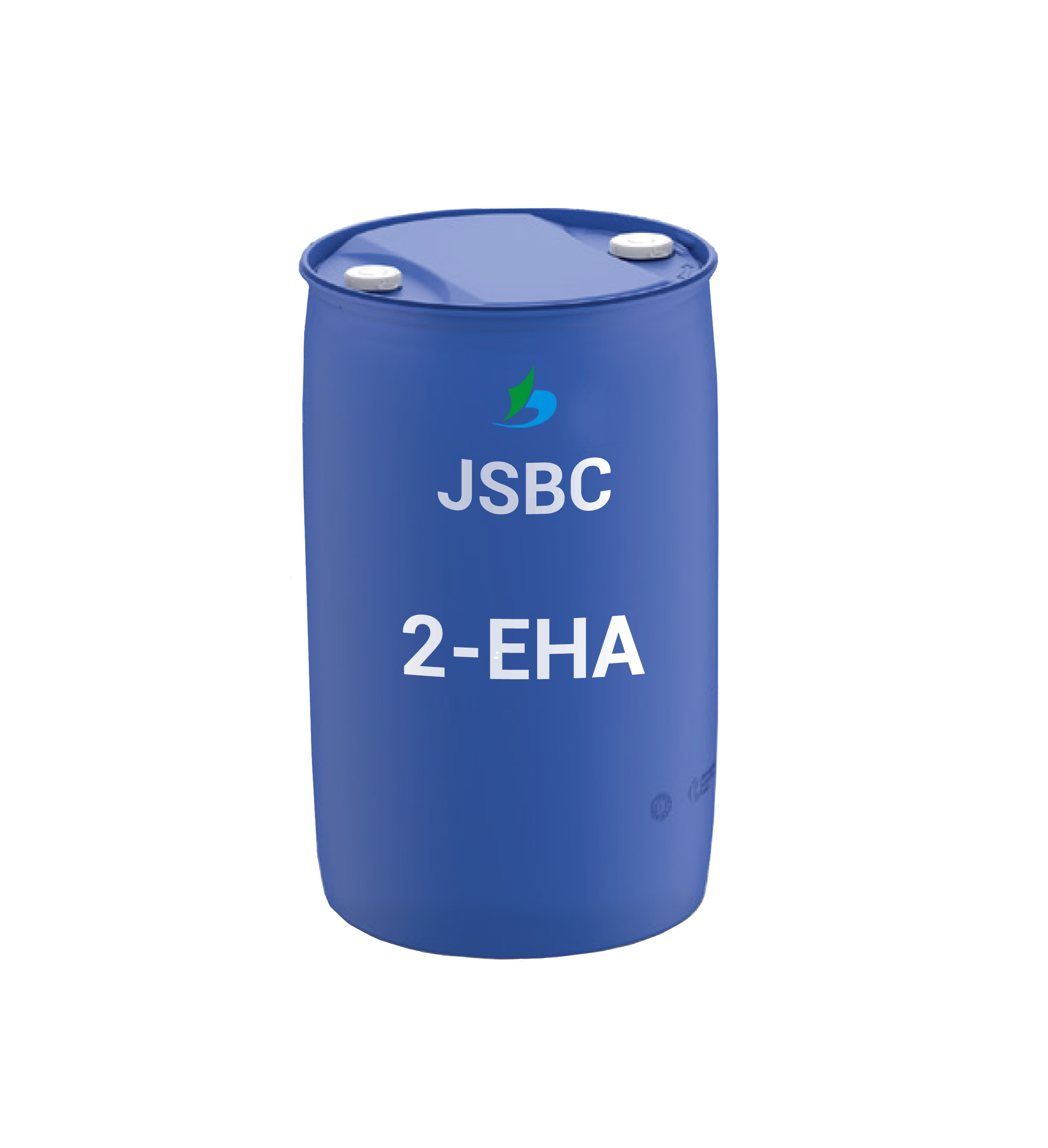
2 Ethyl Hexyl: Applications & Benefits Guide

All Categories

2 ethyl hexyl

2 ethyl hexyl is a versatile eight-carbon branched-chain alcohol widely recognized for its exceptional performance as a chemical intermediate and plasticizer component in modern manufacturing. This compound, scientifically known as 2-ethylhexanol, features a unique molecular structure with an ethyl branch on the second carbon atom, delivering superior solubility and compatibility characteristics that make it indispensable across multiple industrial sectors. The main function of 2 ethyl hexyl lies in its role as a raw material for producing phthalate and non-phthalate plasticizers, which enhance flexibility and durability in plastic products. Its technological features include excellent low-temperature properties, outstanding resistance to extraction, and remarkable chemical stability under various processing conditions. Industries utilize 2 ethyl hexyl extensively in manufacturing polyvinyl chloride products, synthetic lubricants, and specialty coatings. The applications of 2 ethyl hexyl extend to producing dioctyl phthalate and dioctyl adipate, both critical plasticizers in flexible PVC formulations used in automotive components, wire insulation, and flooring materials. Additionally, this compound serves as a key ingredient in producing acrylate esters for adhesives, sealants, and surface coatings that require weather resistance and long-lasting performance. The chemical's compatibility with various polymers and resins makes it an essential building block in specialty chemical synthesis, enabling manufacturers to achieve desired product characteristics while maintaining cost-effectiveness and processing efficiency in large-scale production environments.

New Product Recommendations

Choosing 2 ethyl hexyl offers significant buyer value through its proven reliability and cost-efficiency in industrial applications. This chemical intermediate provides exceptional versatility, allowing manufacturers to streamline their production processes by using one material across multiple product lines, reducing inventory complexity and procurement costs. The operational benefits of 2 ethyl hexyl are substantial, as it processes smoothly at standard manufacturing temperatures and integrates seamlessly with existing production equipment without requiring specialized handling systems. Its stable chemical composition ensures consistent batch-to-batch quality, minimizing production variability and reducing waste from rejected materials. For businesses focused on product performance, 2 ethyl hexyl delivers outstanding plasticizing efficiency, meaning smaller quantities achieve desired flexibility compared to alternative compounds, directly translating to material cost savings. The compound exhibits excellent aging resistance, ensuring end products maintain their performance characteristics throughout their service life, which enhances brand reputation and reduces warranty claims. Application suitability is another key advantage, as 2 ethyl hexyl performs reliably across temperature extremes, making it ideal for products used in both cold climates and high-heat environments. Its low volatility means reduced emissions during processing, supporting workplace safety and environmental compliance goals without additional investment in ventilation systems. Decision-makers appreciate that 2 ethyl hexyl meets international regulatory standards, facilitating global market access and simplifying compliance documentation. The compound's widespread availability from multiple suppliers ensures supply chain security and competitive pricing through market dynamics. Manufacturers benefit from decades of established safety data and application expertise, reducing development time for new product formulations and accelerating time-to-market for innovative offerings that meet evolving customer demands.

Latest News

The Future of Engineering Plastics and Resins in Industrial Applications

19

Jun

The Future of Engineering Plastics and Resins in Industrial Applications

Discover the emerging trends and growth projections in engineering plastics, featuring a 7.3% CAGR. Explore how Asia-Pacific is dominating demand, bio-based resins fuel sustainability, and revolutionary applications in automotive and aerospace sectors.
View More
Methyl Methacrylate Production Trends: Balancing Industrial Demand with Greener Manufacturing Practices

23

Jul

Methyl Methacrylate Production Trends: Balancing Industrial Demand with Greener Manufacturing Practices

Explore the market expansion of methyl methacrylate production, driven by key sectors like automotive and construction. Delve into global growth trends, sustainable manufacturing innovations, and strategies to reduce carbon footprints and foster an industrial-ecological balance.
View More
Ethyl Acrylate in Adhesives: Exploring Low-VOC Alternatives for Environmentally Conscious Use

23

Jul

Ethyl Acrylate in Adhesives: Exploring Low-VOC Alternatives for Environmentally Conscious Use

Explore the environmental concerns driving the demand for ethyl acrylate alternatives in the adhesive industry. This article delves into VOC emissions regulations, the rise of sustainable materials, and performance advantages of low-VOC acrylate adhesives. Discover key industry implementations and future innovations shaping the acrylate market landscape.
View More
Team-Building Hike Along Yu Mountain’s

30

Jul

Team-Building Hike Along Yu Mountain’s "Eagle Trail"

View More

Get a Free Quote

Our representative will contact you soon.
Email
Name
Company Name
Message
0/1000

2 ethyl hexyl

Superior Plasticizing Performance and Material Efficiency

Superior Plasticizing Performance and Material Efficiency

The plasticizing capabilities of 2 ethyl hexyl represent a transformative advantage for manufacturers seeking optimal product performance with minimal material usage. When converted into plasticizer esters, 2 ethyl hexyl derivatives demonstrate exceptional compatibility with polymer matrices, achieving uniform distribution throughout the material structure. This uniform integration results in consistently flexible products with predictable mechanical properties across entire production runs. The molecular structure of 2 ethyl hexyl enables strong interactions with polymer chains, effectively reducing intermolecular forces and increasing chain mobility without compromising material integrity. Manufacturers utilizing 2 ethyl hexyl-based plasticizers report achieving desired flexibility levels with lower plasticizer loadings compared to alternative compounds, directly reducing raw material costs per unit produced. The efficiency gains extend beyond cost savings, as lower plasticizer content often improves other material properties such as tensile strength and surface hardness, creating superior end products. Additionally, the permanence of 2 ethyl hexyl plasticizers minimizes migration and extraction under service conditions, ensuring products maintain their flexibility and appearance throughout extended use periods. This durability reduces customer complaints and product replacements, strengthening market position and brand loyalty in competitive industries.
Exceptional Chemical Stability and Processing Reliability

Exceptional Chemical Stability and Processing Reliability

The chemical stability of 2 ethyl hexyl stands as a cornerstone advantage for industrial users requiring dependable manufacturing processes and consistent product outcomes. This compound exhibits remarkable resistance to oxidation, thermal degradation, and hydrolysis under typical processing conditions, maintaining its chemical integrity throughout demanding manufacturing cycles. Production facilities benefit from this stability through reduced downtime, as 2 ethyl hexyl does not degrade equipment surfaces or create processing complications that require frequent cleaning or maintenance interventions. The thermal stability of 2 ethyl hexyl allows processing at elevated temperatures necessary for polymer compounding and extrusion without decomposition that would generate unwanted byproducts or discoloration in final products. Quality control becomes more straightforward when working with 2 ethyl hexyl derivatives, as their consistent behavior eliminates variability from material degradation between production batches. Storage and handling operations are simplified because 2 ethyl hexyl maintains its specifications over extended periods without special atmospheric controls or temperature regulation, reducing warehousing costs and complexity. The chemical's resistance to microbial growth prevents contamination issues that could compromise product quality or require disposal of valuable inventory. For formulators developing new products, the predictable reactivity of 2 ethyl hexyl accelerates development timelines and reduces experimental iterations needed to achieve target specifications.
Broad Application Versatility Across Industry Sectors

Broad Application Versatility Across Industry Sectors

The versatility of 2 ethyl hexyl across diverse industrial applications provides manufacturers with strategic flexibility and multiple revenue opportunities from a single material investment. This compound serves as the foundation for producing various plasticizer types, including both traditional phthalates and modern non-phthalate alternatives, allowing producers to meet different market segments and regulatory requirements without completely redesigning manufacturing infrastructure. Beyond plasticizers, 2 ethyl hexyl functions as a critical building block for specialty acrylates used in high-performance coatings, adhesives, and sealants that serve construction, automotive, and consumer goods markets. The compound's solvent properties make it valuable in formulating extraction agents, paint thinners, and cleaning solutions for industrial maintenance applications. Manufacturers of synthetic lubricants incorporate 2 ethyl hexyl derivatives to achieve specific viscosity profiles and temperature performance characteristics essential for automotive and heavy machinery applications. The cosmetic and personal care industry utilizes certain 2 ethyl hexyl derivatives as emollients and texture modifiers, opening additional market channels for chemical producers. This broad applicability means businesses investing in 2 ethyl hexyl production capacity or supply relationships gain access to multiple customer bases, reducing business risk through diversification while leveraging economies of scale in procurement and logistics operations across their entire product portfolio.
email goToTop