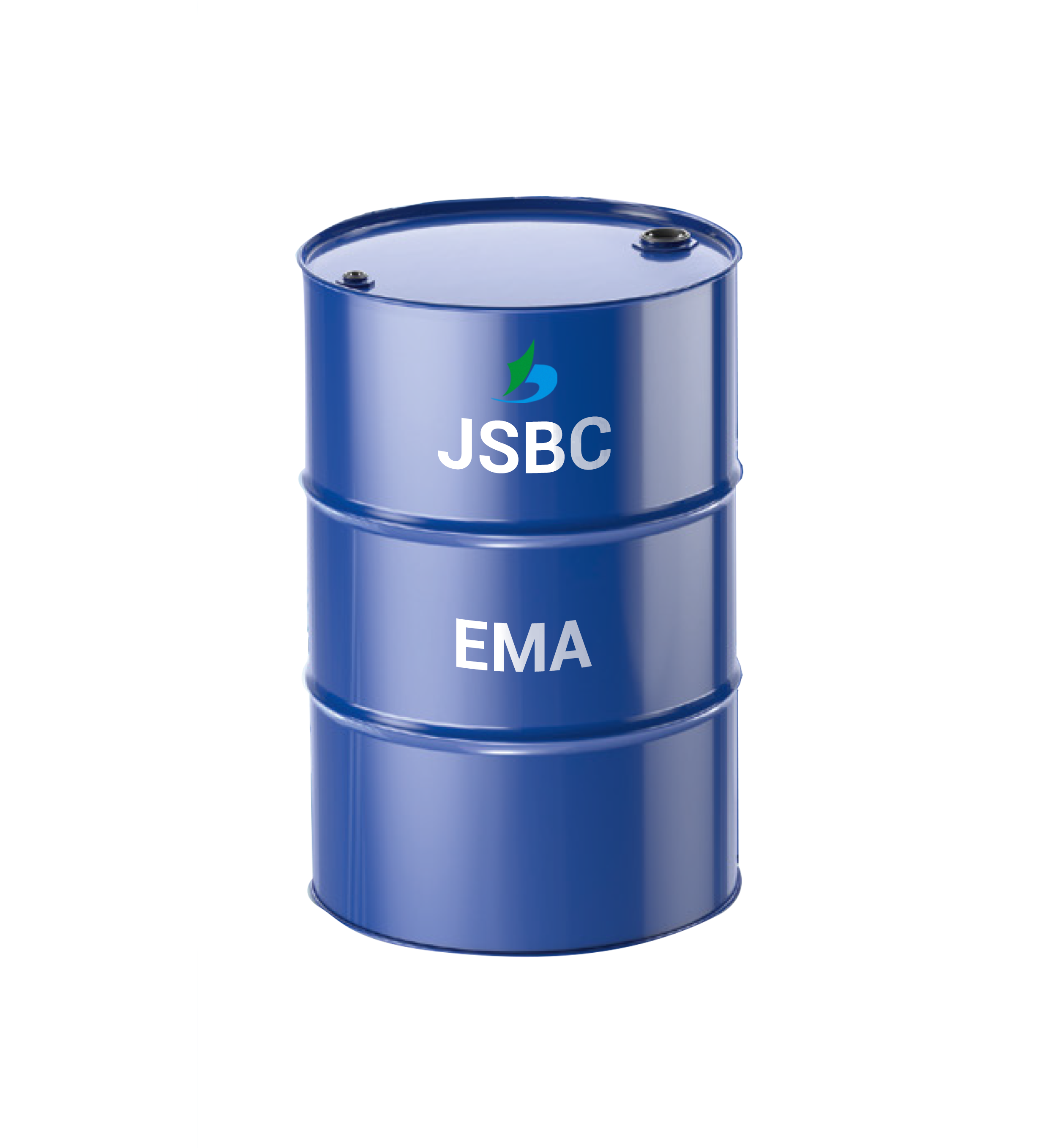
Ethylhexyl Acrylate: Properties & Applications

All Categories

ethylhexyl acrylate

Ethylhexyl acrylate is a specialized acrylic monomer widely recognized for its exceptional flexibility and adhesion properties in polymer chemistry. This clear, colorless liquid serves as a critical building block in the production of acrylic copolymers and terpolymers, delivering outstanding performance across diverse industrial applications. Ethylhexyl acrylate features a unique molecular structure that imparts soft, flexible characteristics to finished products, making it indispensable in coatings, adhesives, sealants, and elastomers manufacturing. The compound exhibits excellent resistance to ultraviolet radiation, weathering, and water exposure, ensuring long-term durability in outdoor applications. Its low glass transition temperature enables products to maintain flexibility even in cold environments, preventing cracking and brittleness. Ethylhexyl acrylate demonstrates remarkable compatibility with numerous other monomers, allowing formulators to customize polymer properties precisely to meet specific performance requirements. The technological advantages include superior film formation, excellent pigment wetting, and outstanding adhesion to various substrates including metals, plastics, and wood. Industries rely on ethylhexyl acrylate for creating pressure-sensitive adhesives, architectural coatings, textile finishes, leather treatments, and paper coatings. Its versatility extends to the production of impact modifiers that enhance the toughness of rigid plastics. The monomer undergoes free-radical polymerization readily, offering manufacturers efficient processing and consistent quality control. With growing demand for high-performance materials, ethylhexyl acrylate continues to play a pivotal role in advancing material science and enabling innovative product development across multiple sectors.
New Products

Choosing ethylhexyl acrylate delivers tangible operational benefits that directly impact your production efficiency and product quality. This monomer enables manufacturers to create flexible, durable formulations without compromising adhesion strength or weather resistance. The compound's inherent softness allows finished products to withstand mechanical stress, temperature fluctuations, and environmental exposure without degradation, reducing warranty claims and customer complaints. From a processing perspective, ethylhexyl acrylate polymerizes reliably under standard conditions, minimizing production downtime and quality inconsistencies. Its excellent copolymerization behavior means you can blend it with harder monomers to achieve the exact balance of flexibility and strength your application demands. For adhesive manufacturers, ethylhexyl acrylate provides the tackiness and peel strength essential for pressure-sensitive products, while coating producers benefit from its superior leveling properties and film integrity. The monomer's resistance to yellowing and chalking ensures that architectural coatings maintain aesthetic appeal over extended service life, enhancing brand reputation and customer satisfaction. Buyers gain economic advantages through formulation optimization, as ethylhexyl acrylate often reduces the need for additional plasticizers or performance additives. Its compatibility with waterborne systems aligns with environmental regulations and sustainability initiatives, helping companies meet compliance standards while maintaining product performance. The versatility of ethylhexyl acrylate means procurement teams can consolidate suppliers and simplify inventory management. Decision-makers appreciate that products formulated with ethylhexyl acrylate consistently perform across varied conditions, reducing field failures and costly reformulation efforts. Whether you're developing automotive coatings, construction adhesives, or textile treatments, ethylhexyl acrylate provides the reliability and performance characteristics that translate into competitive advantages and profitability.

Tips And Tricks

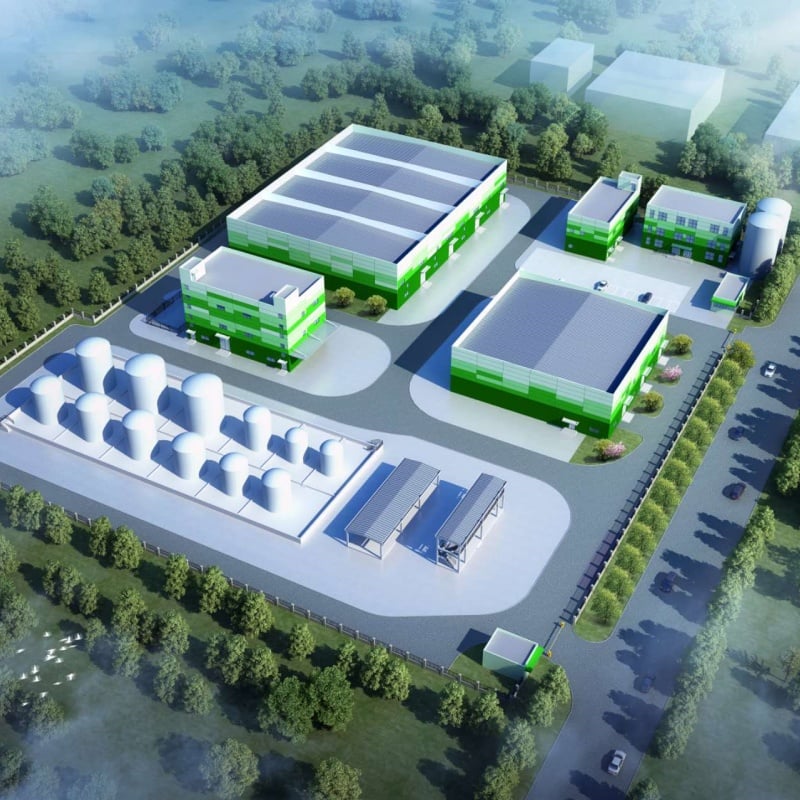
New Tank Farm Project to Boost Domestic and International Trade

18

Apr

New Tank Farm Project to Boost Domestic and International Trade

View More
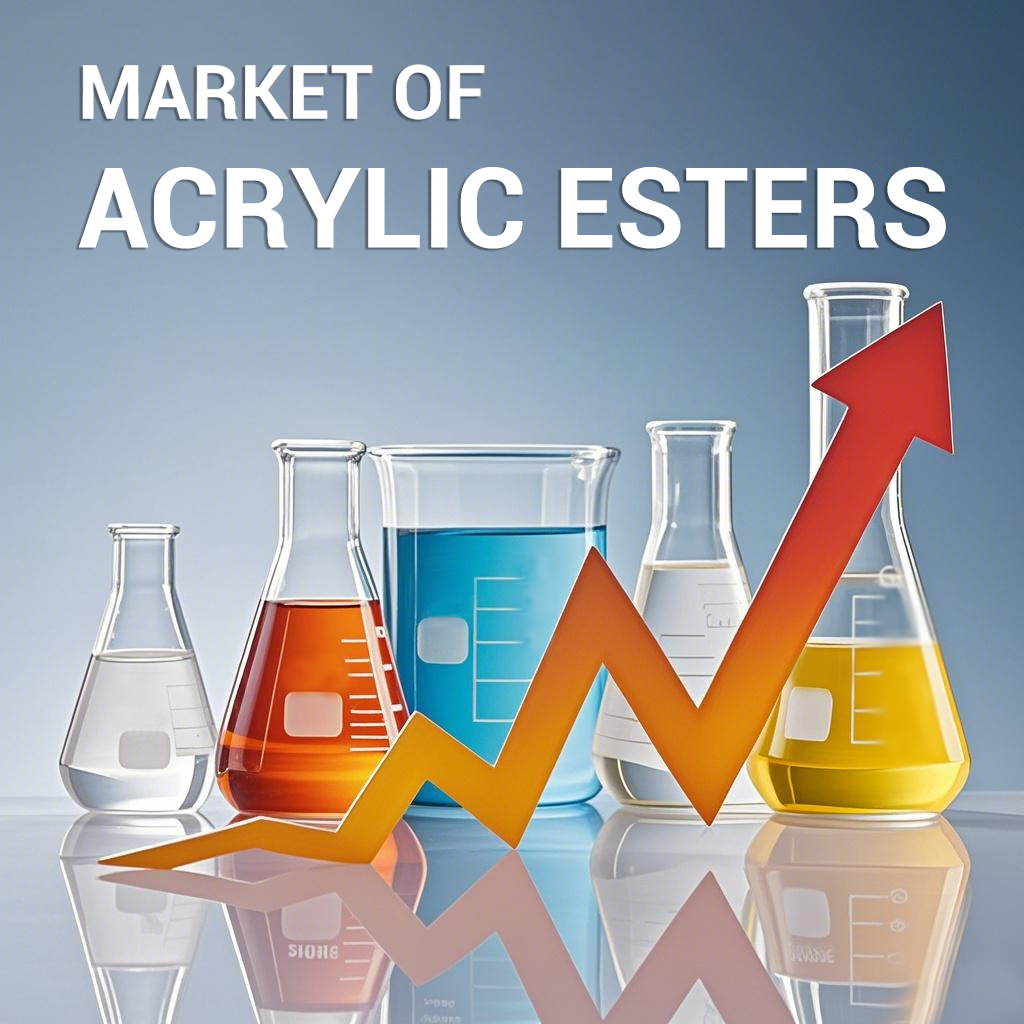
Acrylic Esters Market Witnesses Price Surge and Supply Tightness

07

Apr

Acrylic Esters Market Witnesses Price Surge and Supply Tightness

View More
Methyl Methacrylate Production Trends: Balancing Industrial Demand with Greener Manufacturing Practices

23

Jul

Methyl Methacrylate Production Trends: Balancing Industrial Demand with Greener Manufacturing Practices

Explore the market expansion of methyl methacrylate production, driven by key sectors like automotive and construction. Delve into global growth trends, sustainable manufacturing innovations, and strategies to reduce carbon footprints and foster an industrial-ecological balance.
View More
Maleic Anhydride Applications: Enhancing Polymer Properties with Lower Environmental Footprint

23

Jul

Maleic Anhydride Applications: Enhancing Polymer Properties with Lower Environmental Footprint

Explore how maleic anhydride enhances polymer modification, boosting adhesion and compatibility in polymer blends. Discover its role in sustainable applications across industries, from lightweight automotive composites to eco-friendly packaging solutions, driving environmental impact with improved recyclability and biodegradability.
View More

Get a Free Quote

Our representative will contact you soon.
Email
Name
Company Name
Message
0/1000

ethylhexyl acrylate

Superior Flexibility and Low-Temperature Performance

Superior Flexibility and Low-Temperature Performance

Ethylhexyl acrylate stands out for its exceptional ability to impart flexibility to polymer systems, a critical characteristic for applications subjected to mechanical stress or temperature variations. The monomer's low glass transition temperature, typically around negative forty degrees Celsius, ensures that copolymers remain pliable and elastic even in freezing conditions. This property proves invaluable for outdoor coatings, automotive sealants, and construction adhesives that must perform reliably across seasonal temperature swings. Unlike rigid acrylic monomers that can cause brittleness, ethylhexyl acrylate provides the molecular mobility necessary for films and adhesives to absorb impact, accommodate substrate expansion and contraction, and resist cracking under stress. Manufacturers formulating cold-weather products particularly value this characteristic, as it eliminates the need for external plasticizers that may migrate over time or compromise durability. The flexibility enhancement extends product lifespan significantly, reducing maintenance costs and improving end-user satisfaction. For pressure-sensitive adhesive applications, this inherent softness translates directly into superior tack and conformability to irregular surfaces, expanding application possibilities across packaging, medical devices, and electronics assembly sectors.
Outstanding Weather and UV Resistance

Outstanding Weather and UV Resistance

Products incorporating ethylhexyl acrylate demonstrate remarkable resistance to environmental degradation, making this monomer essential for exterior applications. The acrylic backbone provides inherent stability against ultraviolet radiation, preventing the yellowing, chalking, and gloss loss that plague many coating systems exposed to sunlight. This UV resistance stems from the absence of aromatic groups and the stable carbon-carbon bonds formed during polymerization. Ethylhexyl acrylate copolymers maintain color integrity and mechanical properties throughout years of outdoor exposure, reducing the frequency of recoating and refinishing operations. Moisture resistance is equally impressive, as the hydrophobic character of the ethylhexyl side chain prevents water penetration that could cause blistering, delamination, or corrosion of underlying substrates. Architectural coatings formulated with ethylhexyl acrylate protect building facades effectively, while marine coatings benefit from resistance to saltwater and humidity. For manufacturers, this durability translates into stronger warranty programs and enhanced brand credibility. The weather resistance also extends to chemical exposure, as ethylhexyl acrylate polymers resist mild acids, alkalis, and cleaning agents commonly encountered in industrial and residential environments, ensuring consistent performance across diverse conditions.
Excellent Adhesion and Substrate Compatibility

Excellent Adhesion and Substrate Compatibility

Ethylhexyl acrylate delivers superior adhesion across a broad spectrum of substrates, a fundamental requirement for coatings, adhesives, and sealants. The monomer's molecular structure facilitates strong intermolecular interactions with diverse surfaces including metals, plastics, wood, concrete, and glass. This universal adhesion eliminates the need for primers or surface treatments in many applications, reducing processing steps and material costs. The polar ester group in ethylhexyl acrylate provides sites for hydrogen bonding and dipole interactions, while the flexible alkyl chain ensures intimate contact with substrate irregularities. Formulators appreciate the balance between initial tack for easy application and ultimate bond strength for long-term performance. In pressure-sensitive adhesive formulations, ethylhexyl acrylate enables the cohesive strength necessary to prevent adhesive transfer while maintaining removability when required. For structural adhesives, copolymers demonstrate load-bearing capability and shear resistance essential for demanding assembly applications. The substrate compatibility extends to low-energy surfaces such as polyethylene and polypropylene when combined with appropriate comonomers, expanding market opportunities. Manufacturers benefit from reduced field failures related to delamination or adhesion loss, protecting reputation and minimizing costly rework. This reliable bonding performance across varied materials makes ethylhexyl acrylate indispensable for companies serving multiple industries with diverse substrate requirements.
email goToTop