Blended Polyol Solutions for Polyurethane

All Categories

blended polyol

Blended polyol represents an innovative chemical formulation created by combining multiple polyol components to achieve optimized performance characteristics for polyurethane production. This specialized material serves as a crucial building block in manufacturing flexible and rigid foams, coatings, adhesives, sealants, and elastomers across diverse industrial applications. The blended polyol offers manufacturers a cost-effective solution that balances performance requirements with production efficiency. By carefully selecting and mixing different polyol types, including polyether polyols and polyester polyols, producers create customized formulations that deliver specific physical properties, processing characteristics, and end-product performance. The technological sophistication behind blended polyol development involves precise control of hydroxyl numbers, viscosity levels, and molecular weight distribution to ensure consistent quality and reliable processing behavior. Modern blended polyol formulations incorporate advanced additives and stabilizers that enhance shelf life, improve mixing characteristics, and optimize reaction kinetics during polyurethane formation. These materials find extensive use in furniture manufacturing, automotive components, construction insulation, bedding products, packaging materials, and industrial applications. The versatility of blended polyol systems enables manufacturers to adjust formulations for varying density requirements, hardness specifications, and performance criteria while maintaining cost competitiveness in competitive markets. As sustainability concerns grow, many blended polyol products now incorporate bio-based components and recycled materials, supporting environmental responsibility without compromising technical performance or manufacturing efficiency.
New Product Releases

Choosing blended polyol delivers significant cost savings compared to premium single-component polyols while maintaining excellent performance standards for most applications. Manufacturers benefit from reduced raw material expenses without sacrificing the quality characteristics essential for producing durable polyurethane products. The formulation flexibility of blended polyol allows production teams to fine-tune properties according to specific application needs, eliminating the necessity for expensive specialized materials. Operational efficiency improves substantially because blended polyol systems typically offer excellent processing characteristics, including appropriate viscosity ranges, consistent reactivity profiles, and reliable curing behavior that minimizes production defects and waste. The compatibility of blended polyol with standard manufacturing equipment means businesses avoid costly infrastructure investments while achieving consistent output quality. Supply chain reliability becomes more manageable since blended polyol formulations can utilize multiple raw material sources, reducing dependency on single suppliers and mitigating supply disruption risks. Quality consistency across production batches ensures predictable performance, helping manufacturers maintain strict quality control standards and meet customer specifications reliably. The technical support provided by blended polyol suppliers typically includes formulation assistance, troubleshooting guidance, and application development expertise that accelerates product development cycles. Environmental considerations increasingly favor blended polyol options that incorporate renewable content or recycled components, helping companies meet sustainability targets while maintaining competitive pricing. The versatility of blended polyol applications means businesses can consolidate their raw material inventory, simplifying procurement processes and reducing storage requirements. Decision-makers appreciate that blended polyol technology continues advancing, with ongoing improvements in performance characteristics, processing efficiency, and environmental profiles that protect long-term investment value and competitive positioning in evolving markets.

Practical Tips

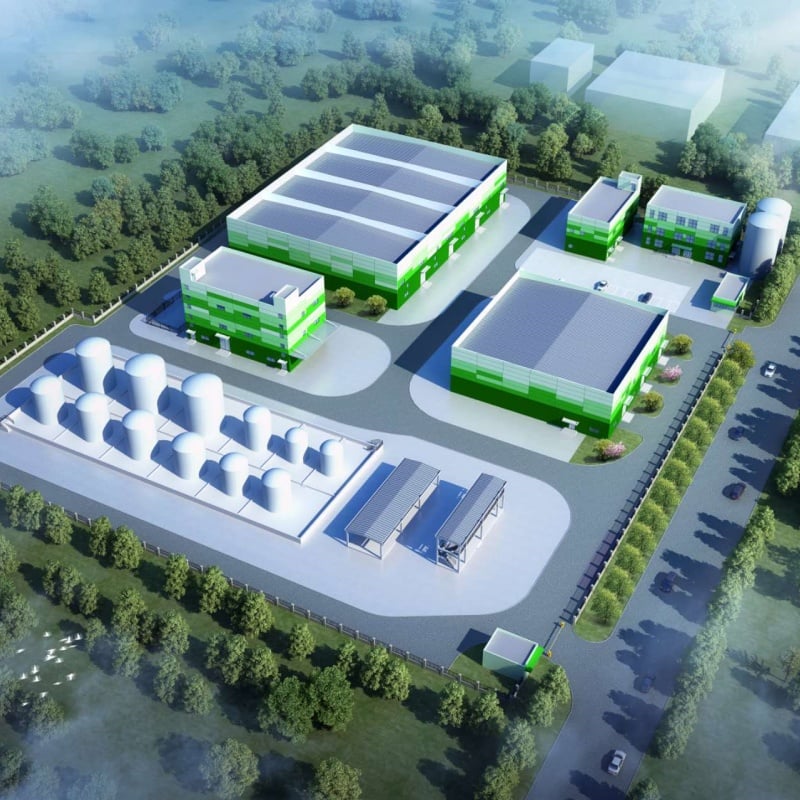
New Tank Farm Project to Boost Domestic and International Trade

18

Apr

New Tank Farm Project to Boost Domestic and International Trade

View More
Key Applications of Acrylate Monomers in Industrial Manufacturing

19

Jun

Key Applications of Acrylate Monomers in Industrial Manufacturing

Discover the essential properties and industrial applications of acrylate monomers, from high reactivity in polymerization to UV resistance in outdoor products. Explore their role in paints, adhesives, plastics, and textiles, along with challenges in compliance and cost optimization.
View More
The Future of Engineering Plastics and Resins in Industrial Applications

19

Jun

The Future of Engineering Plastics and Resins in Industrial Applications

Discover the emerging trends and growth projections in engineering plastics, featuring a 7.3% CAGR. Explore how Asia-Pacific is dominating demand, bio-based resins fuel sustainability, and revolutionary applications in automotive and aerospace sectors.
View More
Low-Carbon Footprint Butyl Acrylate (BA) for Global Emulsion Producers

14

Aug

Low-Carbon Footprint Butyl Acrylate (BA) for Global Emulsion Producers

View More

Get a Free Quote

Our representative will contact you soon.
Email
Name
Company Name
Message
0/1000

blended polyol

Superior Cost-Performance Balance

Superior Cost-Performance Balance

The blended polyol formulation strategy delivers an exceptional balance between economic efficiency and technical performance that benefits manufacturers across multiple industries. By strategically combining different polyol components, producers create materials that meet demanding application requirements while significantly reducing raw material costs compared to premium single-component alternatives. This cost advantage translates directly to improved profit margins and enhanced competitive positioning in price-sensitive markets. The engineering behind blended polyol development ensures that cost optimization never compromises essential performance characteristics such as mechanical strength, durability, processing reliability, or end-product quality. Manufacturers gain flexibility to adjust formulations based on specific cost targets and performance requirements, enabling customized solutions that align perfectly with business objectives. The proven track record of blended polyol in demanding applications demonstrates that economical materials can deliver professional-grade results, making advanced polyurethane technology accessible to businesses of all sizes while supporting sustainable growth and market expansion opportunities.
Enhanced Processing Efficiency

Enhanced Processing Efficiency

Blended polyol systems are specifically engineered to optimize manufacturing processes, delivering consistent processing characteristics that improve production efficiency and reduce operational complications. The carefully balanced viscosity profiles ensure smooth mixing, accurate metering, and reliable dispensing through standard processing equipment without requiring specialized handling systems or costly modifications. Reaction kinetics are formulated to provide appropriate working times that allow proper mold filling and part consolidation while maintaining adequate production cycle speeds for economical manufacturing. The compatibility of blended polyol with various isocyanates, catalysts, and additives simplifies formulation development and reduces the technical complexity of production operations. Consistent batch-to-batch performance minimizes production variability, reducing scrap rates and quality control issues that impact profitability. Temperature stability during storage and processing ensures reliable performance across varying environmental conditions, eliminating seasonal processing challenges. The user-friendly nature of blended polyol systems reduces training requirements for production personnel while supporting reliable operations that meet demanding production schedules and quality specifications consistently.
Versatile Application Compatibility

Versatile Application Compatibility

The adaptable nature of blended polyol technology enables successful application across an remarkably broad spectrum of polyurethane products and manufacturing processes. From flexible foams used in furniture and bedding to rigid insulation materials for construction applications, blended polyol formulations can be tailored to meet diverse density requirements, hardness specifications, and performance criteria. Automotive manufacturers utilize blended polyol in seating components, interior trim, and noise-dampening applications where consistent quality and durability are essential. Industrial applications including gaskets, rollers, and protective coatings benefit from the reliable performance characteristics that blended polyol delivers. The material proves equally effective in both batch processing and continuous production systems, supporting various manufacturing scales from small specialty operations to high-volume industrial facilities. Formulation flexibility allows producers to address specific customer requirements including flame retardancy, antimicrobial properties, enhanced comfort characteristics, or specialized physical properties without extensive reformulation efforts. This versatility reduces inventory complexity while providing manufacturers the confidence to pursue diverse market opportunities with proven, reliable material solutions.
email goToTop