Polyol Price Guide: Market Insights & Cost Trends

All Categories

polyol price

Understanding polyol price is essential for manufacturers in the polyurethane foam, coatings, adhesives, and elastomer industries. Polyols are polyhydric alcohols that serve as critical raw materials in producing flexible and rigid foams, insulation materials, and specialty chemicals. The polyol price fluctuates based on crude oil costs, supply chain dynamics, production capacity, and market demand across various sectors. These versatile compounds function as reactive intermediates that combine with isocyanates to create polyurethane products with specific mechanical and thermal properties. Technological features of polyols include controlled molecular weight distribution, adjustable hydroxyl number, and customizable functionality that determines final product characteristics. The polyol price varies significantly depending on type, including polyether polyols, polyester polyols, and specialty formulations designed for specific applications. Manufacturing sectors utilize polyols in furniture cushioning, automotive seating, construction insulation, refrigeration panels, footwear components, and protective coatings. Current polyol price trends reflect global petrochemical market conditions, regional production capabilities, and emerging sustainability initiatives driving bio-based alternatives. Buyers monitor the polyol price regularly to optimize procurement strategies, manage production costs, and maintain competitive positioning. Understanding price determinants helps decision-makers forecast budget requirements, negotiate supplier contracts, and evaluate alternative materials. The polyol price directly impacts manufacturing profitability across multiple industries, making informed purchasing decisions crucial for operational success and long-term business sustainability in competitive markets.

New Products

Monitoring the polyol price provides manufacturers with strategic advantages that directly impact bottom-line profitability and operational efficiency. When you track the polyol price consistently, you gain the ability to time purchases during favorable market conditions, reducing raw material expenses by significant percentages annually. This cost optimization translates into competitive pricing for your finished products without sacrificing quality or performance standards. Understanding polyol price patterns helps you build stronger supplier relationships through informed negotiations and long-term contracting strategies that lock in favorable rates. You can adjust production schedules based on polyol price forecasts, maximizing margins during low-price periods and managing inventory strategically. The transparency in polyol price information enables accurate budgeting and financial planning, eliminating unexpected cost overruns that disrupt cash flow management. Buyers who actively analyze the polyol price can identify emerging market trends, such as bio-based alternatives or regional supply disruptions, allowing proactive sourcing decisions. This market intelligence supports diversification of supplier networks, reducing dependency risks and ensuring continuous production capabilities. Comparing the polyol price across different grades and specifications helps you select optimal materials that balance performance requirements with cost constraints. You gain flexibility to reformulate products when price differentials make alternative polyol types economically attractive without compromising end-user expectations. Access to current polyol price data empowers purchasing teams to justify procurement decisions with concrete market evidence, strengthening internal stakeholder confidence. Ultimately, strategic management of polyol price considerations enhances your competitive position, improves profit margins, and supports sustainable business growth in dynamic manufacturing environments where raw material costs significantly influence overall success.

Practical Tips

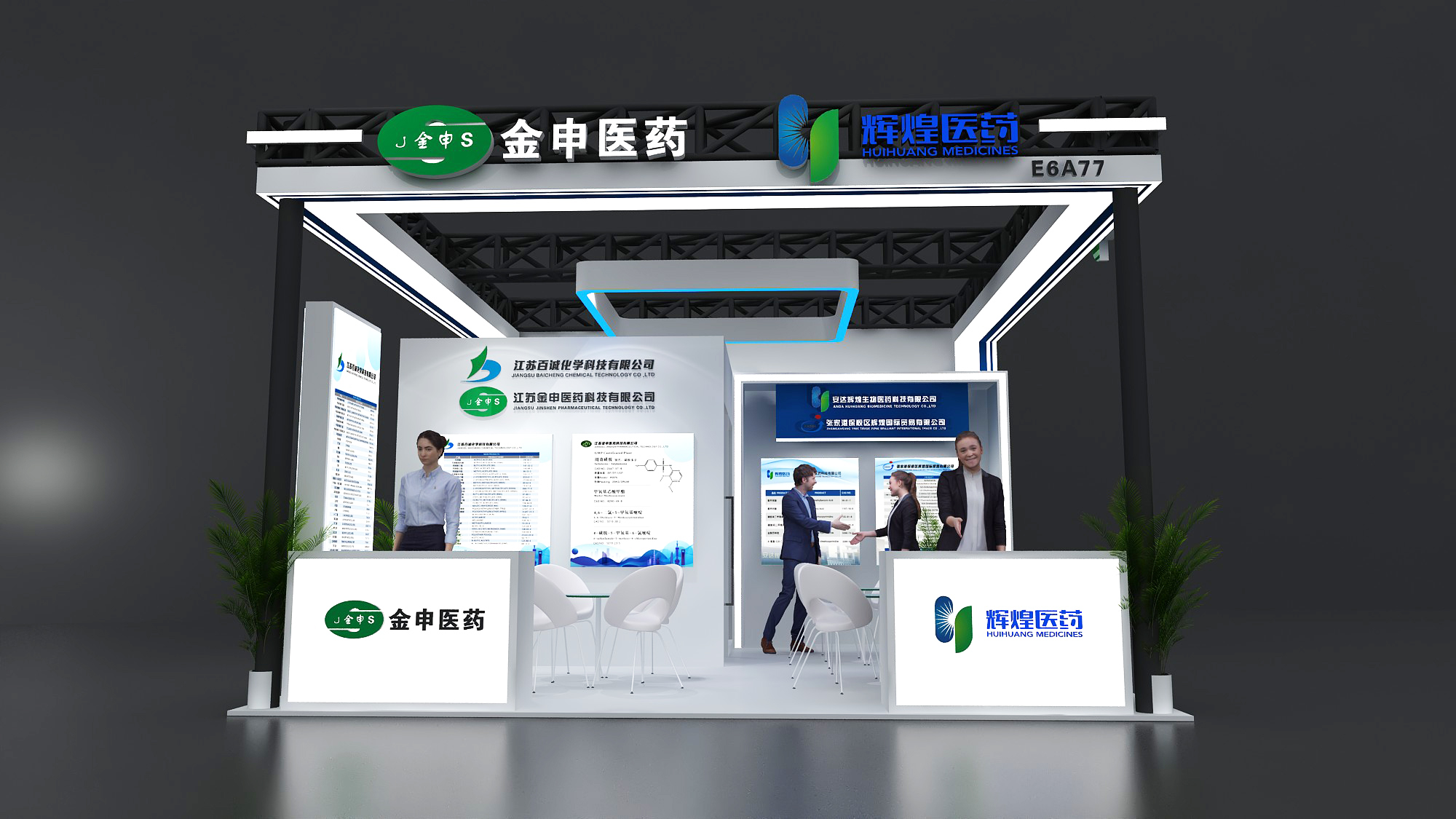
Visit Baicheng Chemical at CPHI China 2025 to Explore Pharmaceutical Solutions (Booth E6A77)

19

Jun

Visit Baicheng Chemical at CPHI China 2025 to Explore Pharmaceutical Solutions (Booth E6A77)

View More
How Specialty Intermediates Improve Efficiency in Polymer Manufacturing

19

Jun

How Specialty Intermediates Improve Efficiency in Polymer Manufacturing

Discover the crucial role of specialty intermediates in improving polymer manufacturing efficiency. Explore optimized formulations, key chemicals, and emerging sustainability trends.
View More
Low-Carbon Footprint Butyl Acrylate (BA) for Global Emulsion Producers

14

Aug

Low-Carbon Footprint Butyl Acrylate (BA) for Global Emulsion Producers

View More
Glacial Acrylic Acid (GAA) Concentrations for Water-Based Resin Makers

14

Aug

Glacial Acrylic Acid (GAA) Concentrations for Water-Based Resin Makers

View More

Get a Free Quote

Our representative will contact you soon.
Email
Name
Company Name
Message
0/1000

polyol price

Real-Time Market Intelligence and Cost Optimization

Real-Time Market Intelligence and Cost Optimization

Accessing accurate polyol price information provides manufacturers with invaluable market intelligence that transforms procurement from reactive purchasing to strategic advantage. When you understand current polyol price benchmarks across global markets, you position your organization to negotiate from strength rather than uncertainty. This knowledge reveals regional price variations that may justify sourcing from alternative suppliers or adjusting logistics strategies. Tracking historical polyol price trends enables predictive analytics that forecast future cost movements based on crude oil prices, capacity additions, and demand cycles. You can establish automated alerts when the polyol price reaches predetermined thresholds, triggering purchasing actions that capitalize on temporary market dips. This proactive approach contrasts sharply with passive buying that accepts whatever prices suppliers quote without market validation. Comprehensive polyol price data also supports scenario planning, allowing you to model how raw material cost changes impact product profitability across your entire portfolio. You identify which product lines show greatest sensitivity to polyol price fluctuations, directing attention toward margin protection strategies where they matter most. Furthermore, transparent polyol price information strengthens your position in customer negotiations when raw material cost increases necessitate price adjustments, providing objective justification that maintains relationship trust while protecting margins.
Supplier Relationship Management and Risk Mitigation

Supplier Relationship Management and Risk Mitigation

Understanding the polyol price landscape fundamentally improves how you manage supplier relationships and mitigate supply chain risks. When you approach supplier negotiations equipped with comprehensive polyol price knowledge, conversations shift from accepting quoted prices to collaborative discussions about fair value and partnership terms. This informed stance encourages suppliers to offer competitive rates knowing that you benchmark against market realities rather than accepting inflated pricing. Monitoring the polyol price across multiple suppliers reveals which partners consistently deliver value versus those whose pricing drifts above market levels, informing strategic decisions about long-term partnerships. You can structure contracts with price adjustment clauses tied to recognized polyol price indices, creating transparency that protects both parties from extreme market volatility. During periods of tight supply when the polyol price spikes, established relationships built on mutual understanding yield preferential allocation and delivery reliability that keeps your production running while competitors face shortages. Diversifying your supplier base based on polyol price competitiveness and geographic advantages reduces dependency risks that could halt operations if a single source experiences disruptions. Regular polyol price analysis also identifies emerging suppliers or alternative polyol types that offer equivalent performance at lower costs, expanding your sourcing options and preventing complacency that erodes competitiveness over time through gradually increasing procurement expenses.
Product Development and Formulation Flexibility

Product Development and Formulation Flexibility

Strategic awareness of the polyol price empowers your research and development teams to make formulation decisions that balance performance requirements with economic realities. When developing new products or reformulating existing ones, understanding relative polyol price differences between polyether and polyester variants, conventional versus bio-based options, or varying hydroxyl number specifications enables cost-effective design choices. You can identify opportunities where slightly modified polyol selections deliver comparable end-product performance at substantially reduced material costs, directly improving margins without sacrificing customer satisfaction. During periods when the polyol price for specific grades escalates due to supply constraints or feedstock cost increases, formulation flexibility allows rapid substitution with alternatives that maintain product integrity while controlling costs. This agility prevents the margin erosion that occurs when manufacturers remain locked into single-material specifications regardless of market conditions. Comprehensive polyol price analysis across your entire product portfolio reveals optimization opportunities where standardizing on fewer polyol types generates volume purchasing leverage that reduces the effective polyol price through quantity discounts and simplified inventory management. You can also time product launches strategically based on favorable polyol price conditions, maximizing initial profitability during critical market introduction phases. Ultimately, integrating polyol price considerations into formulation decisions creates a competitive advantage where technical innovation and commercial pragmatism combine to deliver superior value propositions that win customers and sustain profitable growth.
email goToTop