










Keeping maleic anhydride dry and fit for use starts before the material reaches a customer. For Baicheng Chemical, preservation depends on coordinating supplier requirements, packaging checks, storage conditions, and transport controls. Each step helps limit moisture exposure and maintain a clear record of how the product was handled.
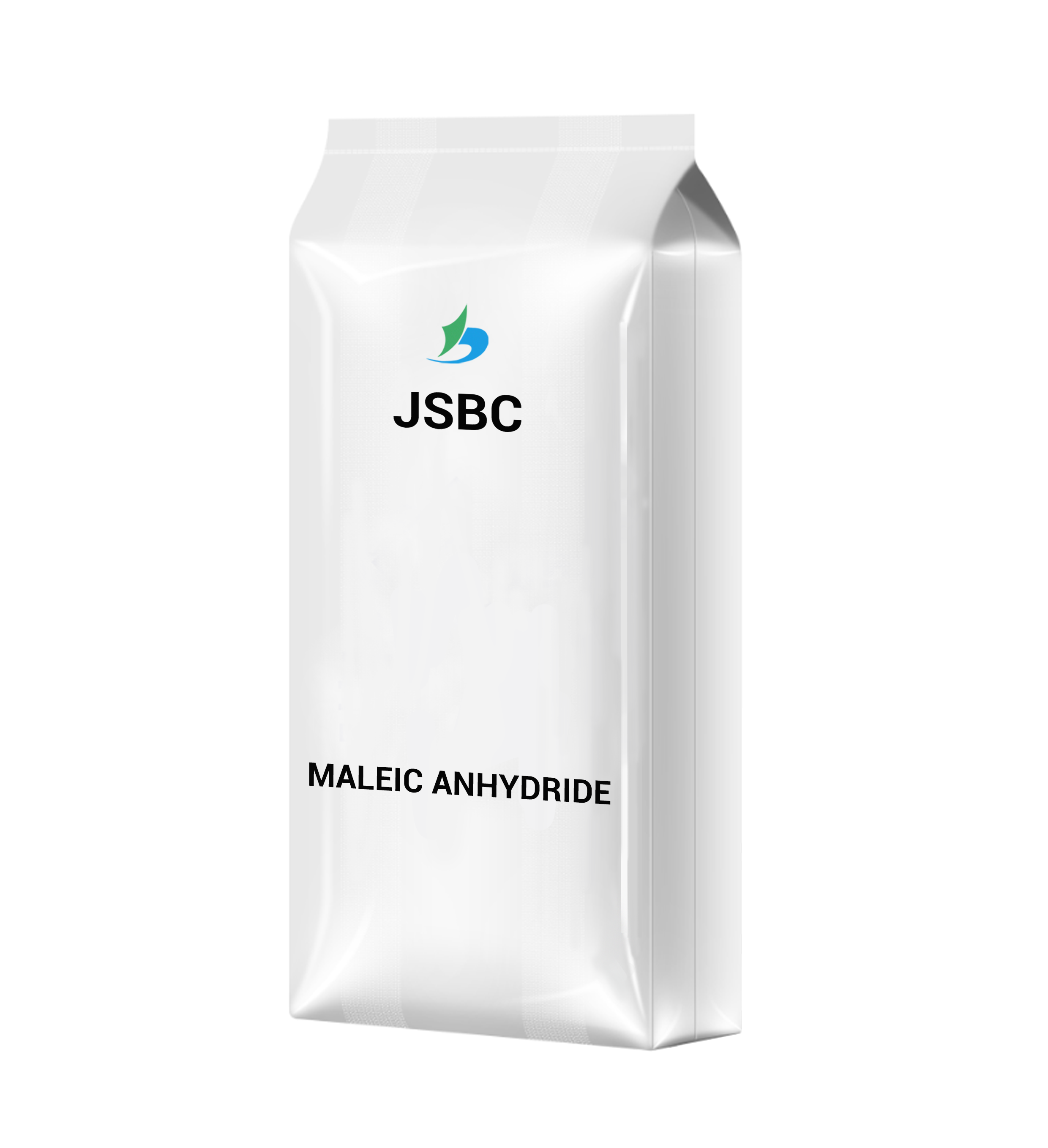
A practical preservation system treats maleic anhydride as a moisture-sensitive industrial chemical rather than an ordinary dry good. Baicheng can protect sourced maleic anhydride by defining acceptance criteria, keeping packaging intact, and planning covered, orderly movement from receipt through dispatch. These controls connect purchasing decisions to handling discipline.
Preservation begins with clear purchase and delivery requirements. Baicheng should specify the expected grade, packaging format, identification, and condition documentation for maleic anhydride before arranging supply. Written expectations make it easier to detect a mismatch at arrival and provide a consistent basis for accepting or holding each consignment.
Moisture control needs to be part of the sourcing conversation, not an inspection added after unloading. For maleic anhydride, Baicheng should confirm that packages are intended for dry storage and remain sealed until use. This helps align supplier preparation, warehouse readiness, and the receiving team’s handling plan.
A documented receipt process gives staff a chance to identify visible damage before material enters storage. They can check labels, closures, package surfaces, and delivery records while keeping maleic anhydride protected from rain or damp loading areas. Any uncertain package should be separated for review instead of treated as normal stock.
Packaging is the first practical barrier against moisture and contamination. When maleic anhydride arrives, receiving personnel should look for tears, punctures, loose seams, dampness, or signs that a closure has been disturbed. Clear inspection notes help Baicheng trace concerns to a specific lot and make an informed release decision.
Labels and accompanying documents support safe identification as well as stock control. Baicheng can compare the delivered maleic anhydride with the order and relevant safety information, recording lot details, quantity, and observed condition. Accurate records reduce confusion when material is moved, sampled, or prepared for a later shipment.
If packaging appears compromised, staff should avoid opening it in an uncontrolled area or blending it with accepted inventory. A defined hold-and-review procedure protects the remaining maleic anhydride while qualified personnel decide what action is appropriate. This measured response prevents a small packaging concern from becoming a broader storage issue.
The storage area should be clean, dry, sheltered, and managed to prevent contact with water or damp surfaces. Baicheng should store maleic anhydride in its original sound packaging where practical, away from leaks, open doors, and other foreseeable sources of moisture. The exact arrangement should follow the product documentation and site procedures.
Good warehouse organization supports preservation by making inspection and stock rotation straightforward. Keep maleic anhydride identifiable, with access routes that allow staff to examine packages without unnecessary handling. Baicheng can use lot-based records and a consistent stock rotation method so older received material is not overlooked behind newer deliveries.
Environmental checks are useful only when readings lead to action. A responsible storage plan establishes who checks the area, how exceptions are recorded, and when corrective steps are required. By monitoring conditions around maleic anhydride, Baicheng can respond to roof leaks, condensation, or other changes before they affect package integrity.
Every transfer creates an opportunity for packaging damage or exposure to wet conditions. Staff moving maleic anhydride should use suitable handling equipment, keep loads stable, and avoid leaving packages outdoors or in uncovered staging zones. A planned route between receiving, storage, and dispatch reduces needless transfers.
Handling instructions should be accessible to warehouse and logistics personnel, including temporary workers who may move the product. Baicheng should make clear that maleic anhydride packages must remain closed, dry, and legible during routine movement. Appropriate personal protective equipment and site safety procedures also remain essential.
If a package must be opened for an approved operational reason, the task should follow the applicable product guidance and workplace controls. Keep exposure time limited, use suitable equipment, and reseal or otherwise protect remaining maleic anhydride as directed. Staff should record the action so inventory condition remains transparent.
Dispatch preparation should preserve the controls established at receipt and in storage. Before loading, Baicheng can verify the lot, package condition, quantity, labels, and destination requirements for maleic anhydride. These checks help ensure that the material leaving the site is the material documented for the customer.
A clean, dry loading area and suitable vehicle protection reduce avoidable exposure during the handover. Packages of maleic anhydride should be secured against shifting, puncture, and contact with moisture during transit. Baicheng should match loading practices to the packaging, transport conditions, and relevant safety instructions.
Shipment records close the chain of custody by linking the outgoing lot to its handling and delivery details. Recording checks and any exceptions gives Baicheng a reliable history for customer questions or internal review. Traceability does not replace physical protection, but it supports accountable management of maleic anhydride.
A useful preservation system learns from deviations instead of treating them as isolated paperwork. If inspection finds damage, unexpected dampness, or unclear identification, staff should document the issue, segregate affected maleic anhydride, and follow the site’s review process. The response should reflect the actual condition and qualified guidance.
Reviewing repeated issues can reveal where procedures need adjustment, such as covered staging, clearer handoffs, or improved staff instruction. Baicheng can assess records across receiving, storage, and dispatch to identify practical improvements for maleic anhydride handling. Any change should be communicated to the people responsible for carrying it out.
Ultimately, reliable preservation comes from connected controls rather than one special storage step. Supplier expectations, package inspection, dry warehousing, careful movement, and shipment verification all contribute to protecting maleic anhydride. Baicheng’s strongest approach is a documented process that assigns responsibilities and addresses exceptions promptly.
Moisture can affect product condition and create handling concerns, so packaging integrity and dry storage matter. Protecting maleic anhydride means preventing unnecessary exposure from receipt to dispatch, while following its product documentation and applicable site procedures.
Staff should verify identification and records, then inspect packaging for visible damage, dampness, or disturbed closures. Any concern involving maleic anhydride should be documented and reviewed before the package is accepted into ordinary inventory.
Baicheng can inspect packages before loading, use a clean and protected staging area, and secure the load against movement and moisture. Recording checks for maleic anhydride helps maintain traceability and supports a consistent handover to the customer.
 Hot News
2026-11-06
2026-11-06
2026-11-02
2026-10-27
2026-10-23
2026-10-20



 EN